
The appointment of a new Master Blender has always been a solemn affair in the Scotch whisky world. Becoming such a figure is not an overnight achievement, but requires 5 to 10 years of rigorous training. When designated as a successor, one must serve as an apprentice, learning from the distillery's official Master Blender or Master Distiller before assuming the role. David Stewart is the longest-serving individual in Scotch whisky in roles such as Master Blender and Master Distiller, with 58 years of experience (as of 2020). His current apprentice, Kelsey McKechnie (female), is poised to inherit this legend's mantle. At 28 years old (as of 2020), she hails from Glasgow and holds a degree in biology and biological sciences. She has been with William Grant & Sons for six years since completing her studies (joined August 2014). The distillery is equipped with an 11.8-ton full-lauter mash tun; nine wooden washbacks and five stainless steel washbacks with a fermentation time of 68 hours; five wash stills and six spirit stills. In 2019, the plan was to produce 29 tons of mash per week, convertible to 7 million liters of new make spirit. The production focuses primarily on unpeated whiskies, though one week each year is dedicated to peated whisky production. The distillery also conducts its own malting, satisfying 15% of its requirements. It also employs a coppersmith and operates a cooperage. The core range includes DoubleWood 12 Year Old, DoubleWood 17 Year Old, Caribbean Cask 14 Year Old, Single Barrel 12 Year Old (first fill), Single Barrel 15 Year Old (sherry cask), Single Barrel 25 Year Old Traditional Oak, PortWood 21 Year Old, 30 Year Old, 40 Year Old, and 50 Year Old. Recent limited releases include Tun 1509 Batch 6, Tun 1858 Batch 7, and Chapter Five of The Balvenie DCS Compendium. A new limited series, The Balvenie Stories, launched in May 2019, features three expressions: The Sweet Toast of American Oak 12 Year Old, matured in first-fill bourbon casks and finished for 12 weeks in twice-toasted American oak barrels; A Week of Peat 14 Year Old, a heavily peated expression; and A Day of Dark Barley 26 Year Old. Travel retail exclusives include the Triple Cask series (12, 16, and 25 years), 21 Year Old Madeira Cask, and 14 Year Old Peated Triple Cask.
History
William Grant founded the Glenfiddich distillery in 1886, and in the following decade, distillery construction in Speyside reached unprecedented heights. Property developers immediately attempted to purchase or lease land near Glenfiddich. To prevent developers from taking over, the Grant family purchased twelve acres of land, including some of the main thoroughfares of New Balvenie Castle and Balvenie Farm. Balvenie Old Castle is a massive medieval relic, adjacent to this land, concealed within a wall of trees. The new distillery—called 'Glen Gordon' for the first few months—entered production on May 1, 1893. The old mansion, which had stood vacant for over 80 years, was converted into a malting floor. In 1929, the upper part of the house was demolished, and the lower part became Warehouse No. 24. In 1956, the entire Balvenie estate was acquired by the Grant family. The following year, the distillery expanded to four stills; in 1965 two more were added, in 1971 another two, in 1991 one more, and in 2008 another three.
Curiosities
Balvenie Castle is actually a neoclassical mansion built in 1724 by William Duff, the first Earl of Fife, designed by the renowned architect James Gibbs—who had just completed St Martin-in-the-Fields church in London. Legend has it that Duff built it for "a beautiful countess" (not his wife) who had been gifted a greyhound by an admirer. Tragically, the dog turned out to be rabid, bit the countess, and she soon died of the disease. The castle was abandoned after just eight years of occupancy and remained derelict for 80 years until purchased by William Grant. In 1895, the estate belonged to Alexander, Grant's great-nephew. In 1900, he married Princess Louise, Queen Victoria's daughter, becoming the 1st Earl of Fife in his own right. Visitors touring Glenfiddich and Balvenie distilleries often overlook the historic castle, though it's well worth the visit. Its origins are shrouded in Pictish mist. In 1010, Malcolm Canmore allegedly fought the Battle of Mortlach here against Danish forces. What is certain is that in 1296, Edward I of England—the "Hammer of the Scots"—used it as his base during his campaign to subdue Moray. By the mid-14th century, the castle was controlled by Alexander Stewart, son of Robert II, whose notorious cruelty earned him the title "Wolf of Badenoch," especially after he burned Elgin Cathedral following a dispute with the Bishop of Moray. Balvenie prides itself on controlling every aspect of production. The distillery grows a portion of its own barley, maintains traditional floor maltings (supplying about 10% of its needs), operates its own cooperage, and handles bottling on-site. Balvenie was first bottled as a single malt in the 1920s, then introduced its iconic triangular bottle in the early 1970s (see Glenfiddich), followed by the striking retro crystal decanter for "Founder's Reserve" in 1982. That same year, Balvenie Classic was released in an equally distinctive bottle—unlabeled but arguably the first "double wood" single malt ever released. In 2007, William Grant & Sons launched the "Cask Your Own Balvenie" program from Warehouse 24, offering three cask types from 1994: sherry, refill, and bourbon. Customers draw their whisky using a "dog"—a copper tube sealed with a coin and attached to a rope. According to Balvenie cooper Dennis McBain, it's called a "dog" because it's "man's best friend," traditionally hidden down a trouser leg and tied to a belt to prevent discovery (which would mean immediate dismissal). Over the past decade, Balvenie's sales have grown 85%, reaching nearly 3 million bottles annually, ranking it eighth among the world's best-selling single malts.
Timeline
William Grant established the distillery next to Glenfiddich, with production beginning the following year.
Two new stills added, doubling production capacity.
Two additional stills installed.
Number of stills increased to eight.
First official bottling released.
Founder's Reserve released.
The Balvenie DoubleWood launched, becoming the first distillery to produce a single malt whisky finished in multiple casks.
Two vintage expressions and one bourbon cask finish released.
The Balvenie Islay Cask released.
50-year-old expression released.
The Balvenie Thirty released.
The Balvenie Rum Wood Finish 14 Years Old released.
The Balvenie New Wood 17 Years Old and others released.
1974 vintage and Sherry Cask 17 Years Old released.
Signature, 1976 vintage, Balvenie Rose, and Rum Cask 17 Years Old released.
1978 vintage, Madeira Cask Finish 17 Years Old, Rum Cask Finish 14 Years Old, and Golden Cask 14 Years Old released.
40-year-old expression, Peated Cask, and Caribbean Cask released.
Second batch of Tun 1401 released.
50-year-old expression and DoubleWood 17 Years Old released.
Three triple cask expressions—12, 16, and 25 Years Old—launched in travel retail.
Single Barrel 15 and 25 Years Old, Tun 1509, and two new 50-year-old expressions released.
The Balvenie DCS Compendium released.
Madeira Cask Finish 21 Years Old released.
Balvenie Peat Week 2002 and Triple Cask (Peated) released.
Limited Edition 25 Years Old released.
The Balvenie Stories collection released.
Hot Search Whiskies
Showing top 10
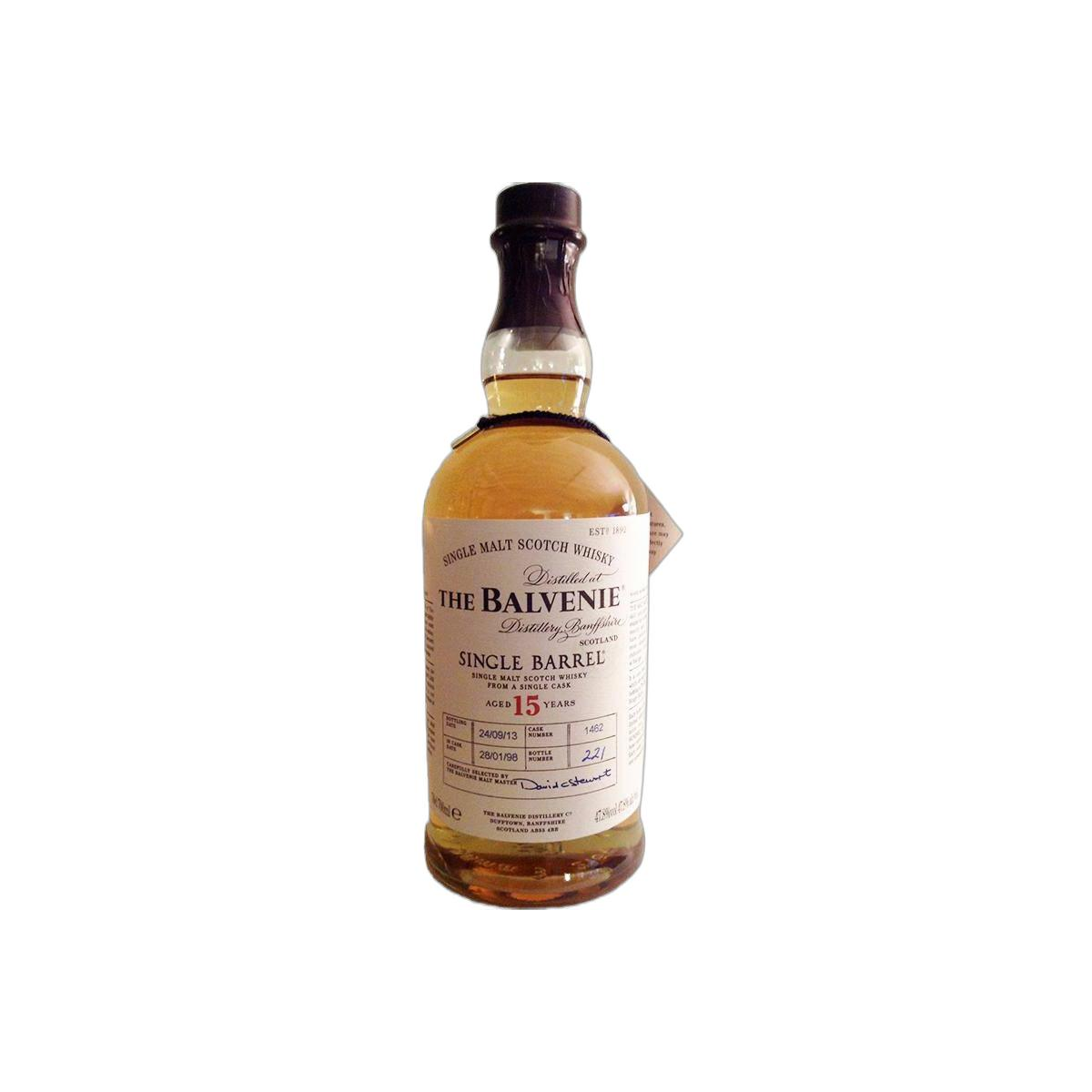
The Balvenie Single Cask 1998 15 Years Single Malt Whisky
The Balvenie
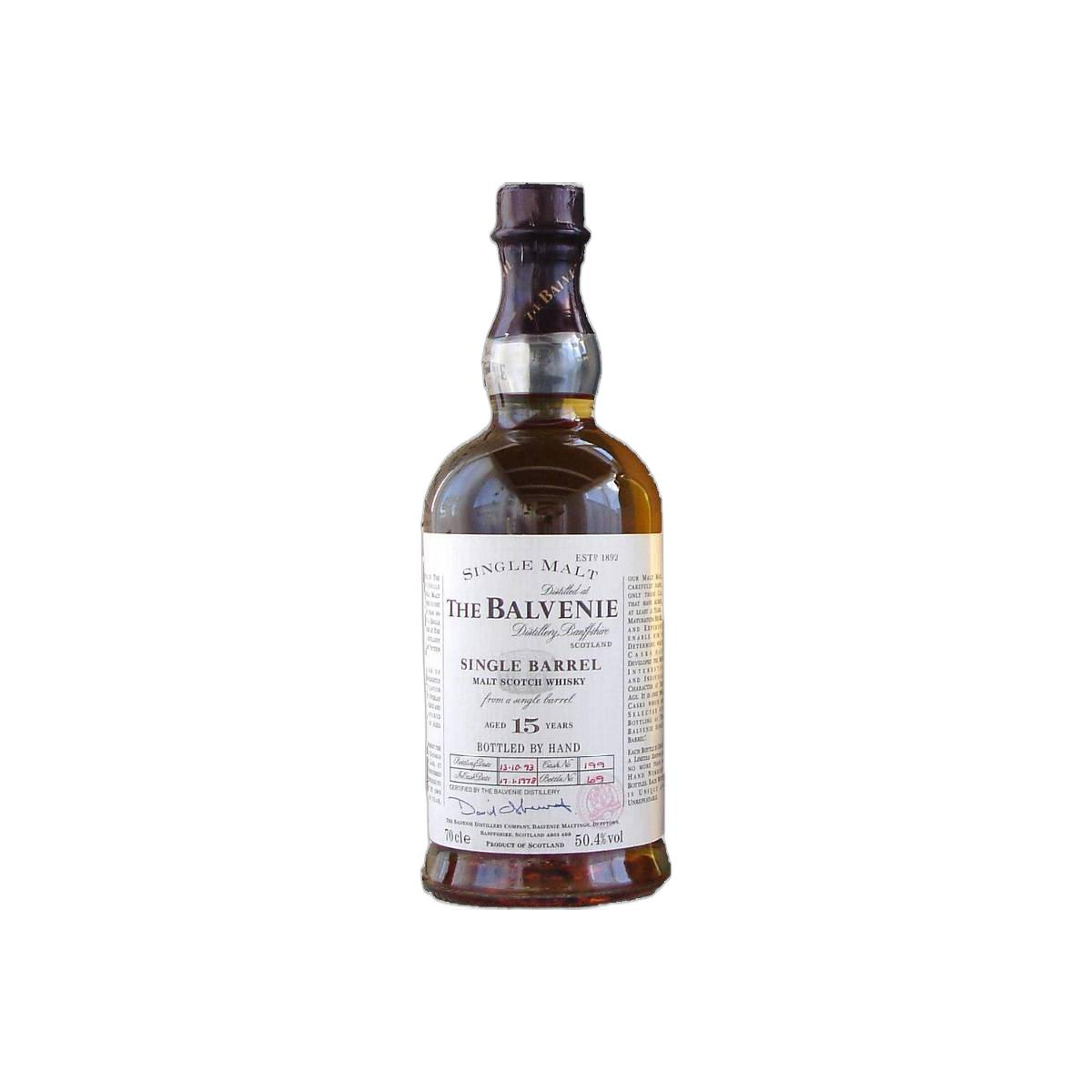
The Balvenie Single Cask 1978 15 Years Single Malt Whisky
The Balvenie
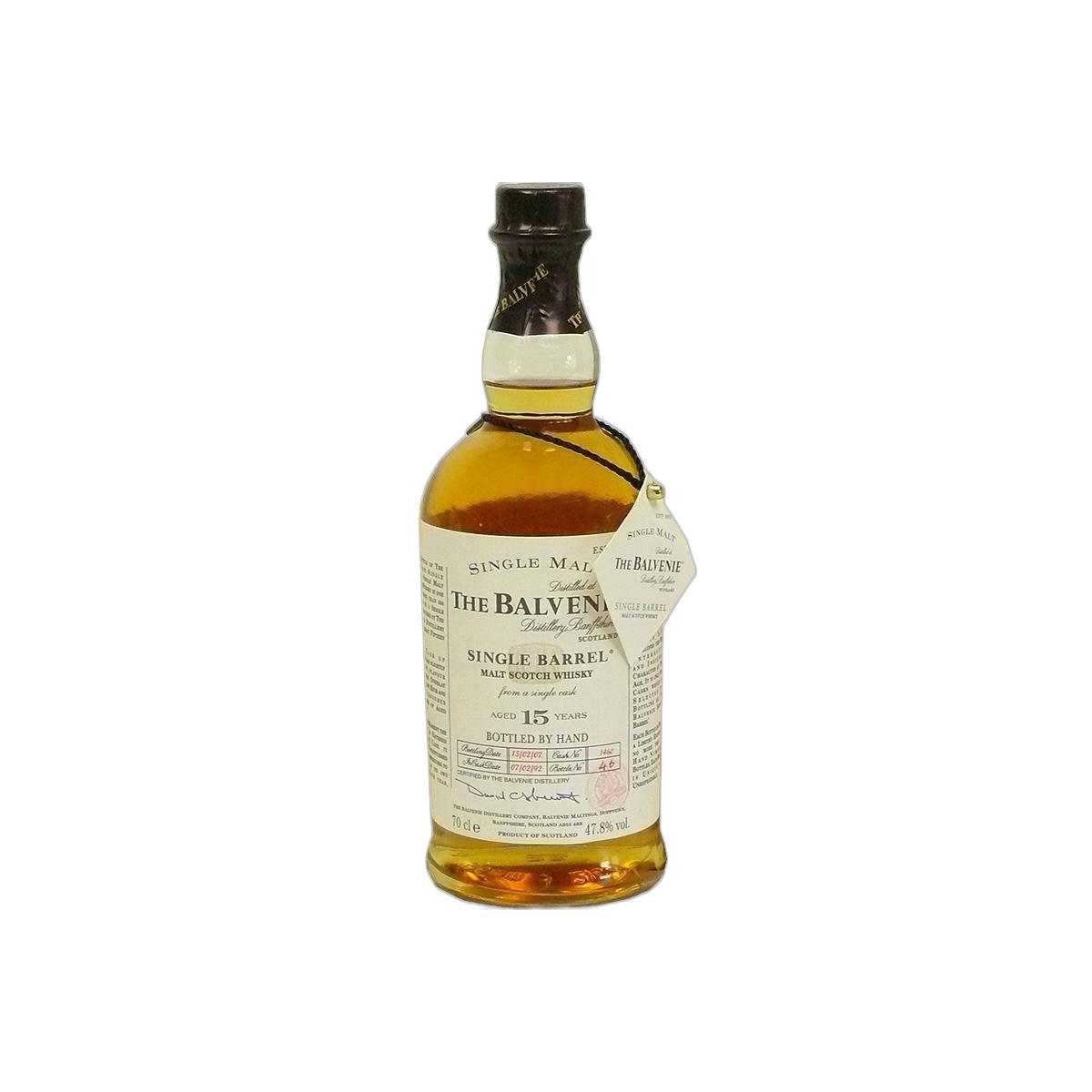
The Balvenie Single Cask 1998 15 Years Single Malt Whisky
The Balvenie
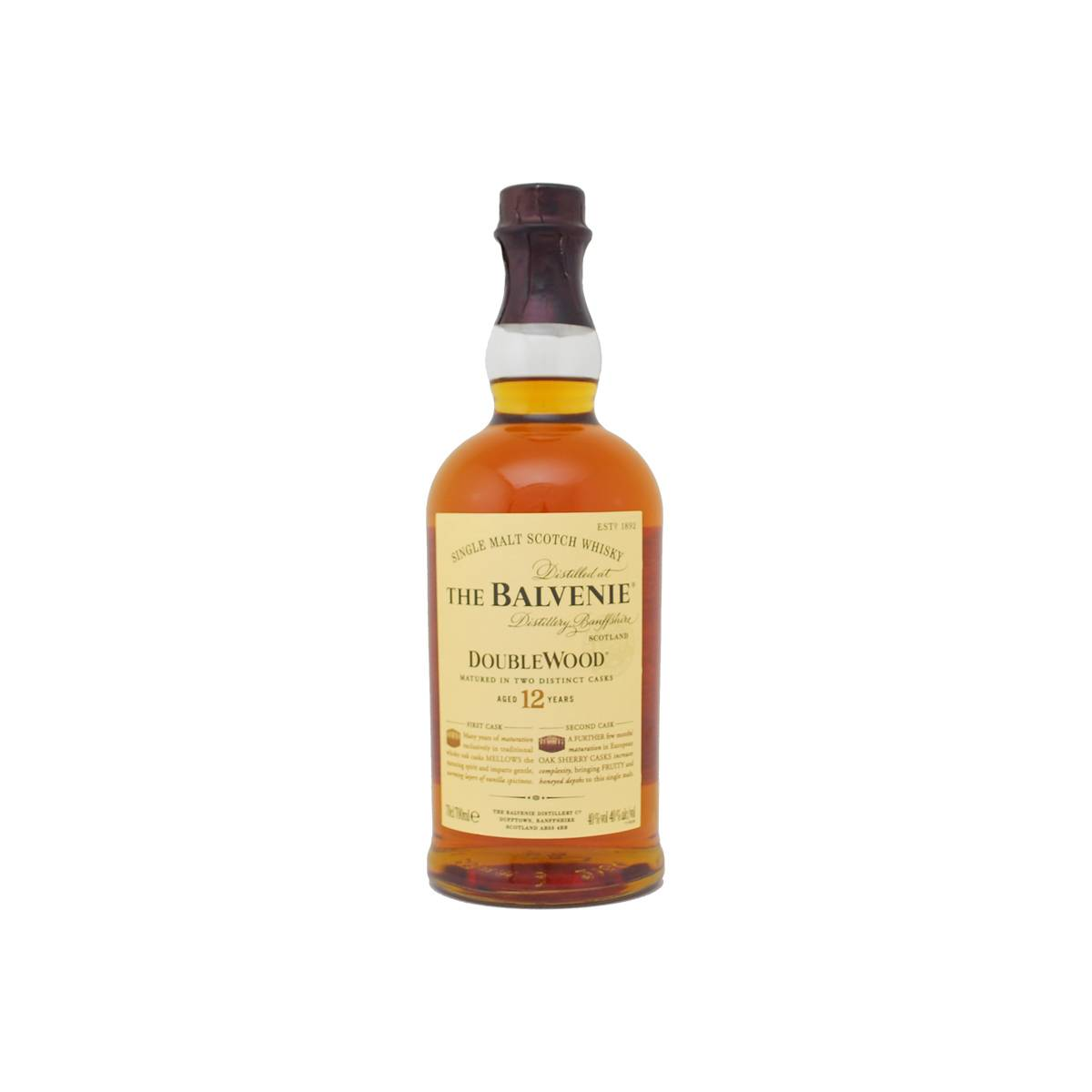
The Balvenie 12 Years Single Malt Whisky
The Balvenie
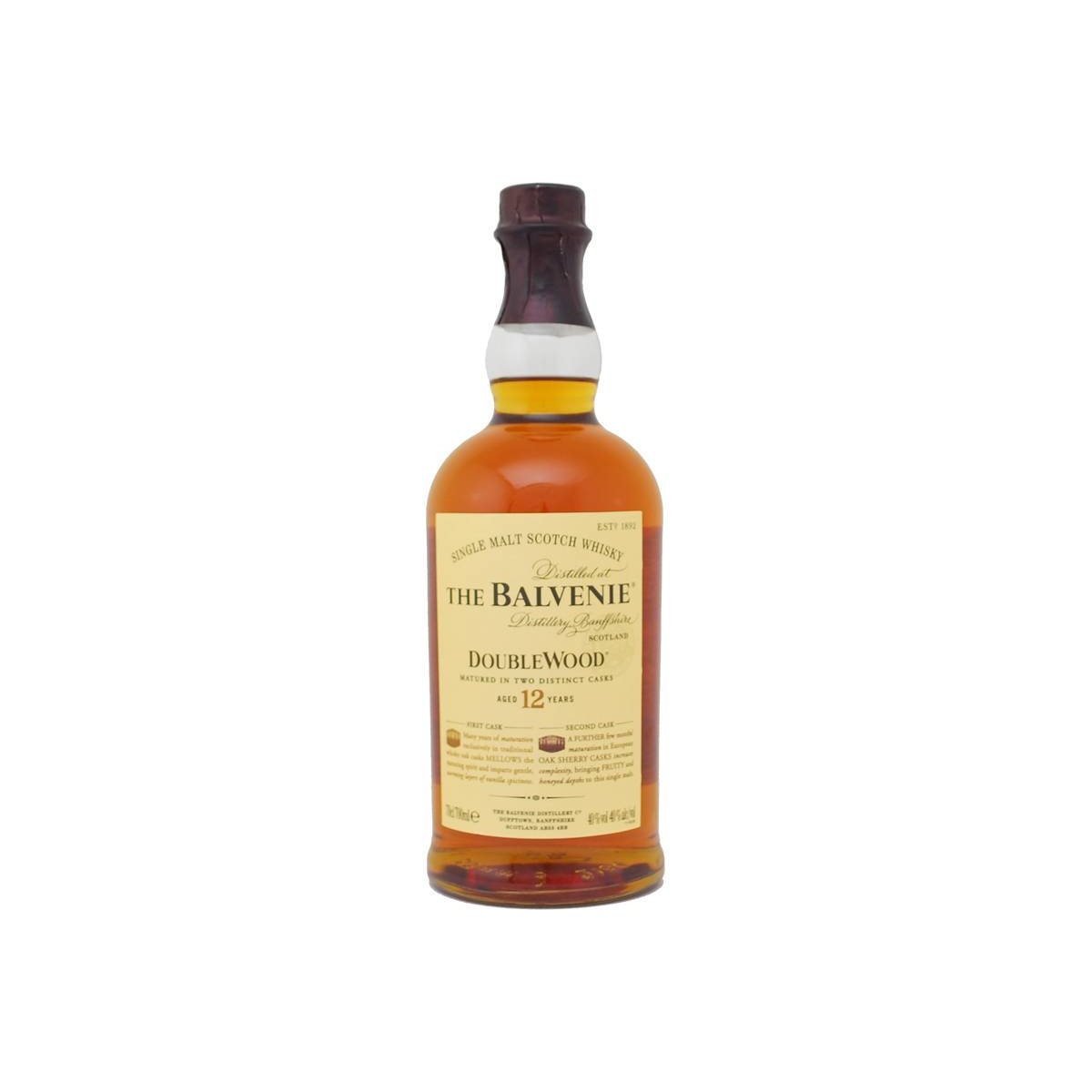
The Balvenie 12 Years Single Malt Whisky
The Balvenie
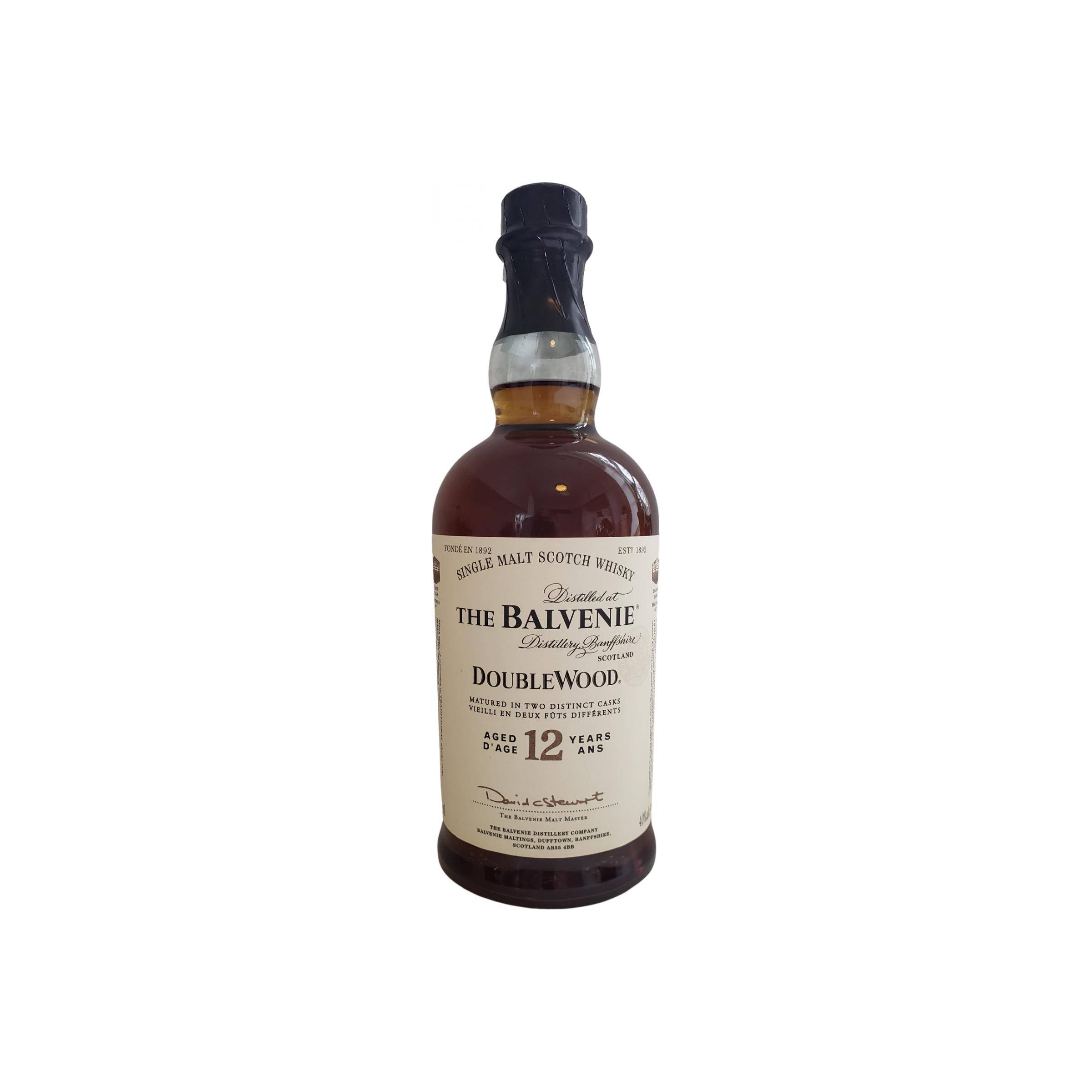
The Balvenie 12 Years Single Malt Whisky
The Balvenie
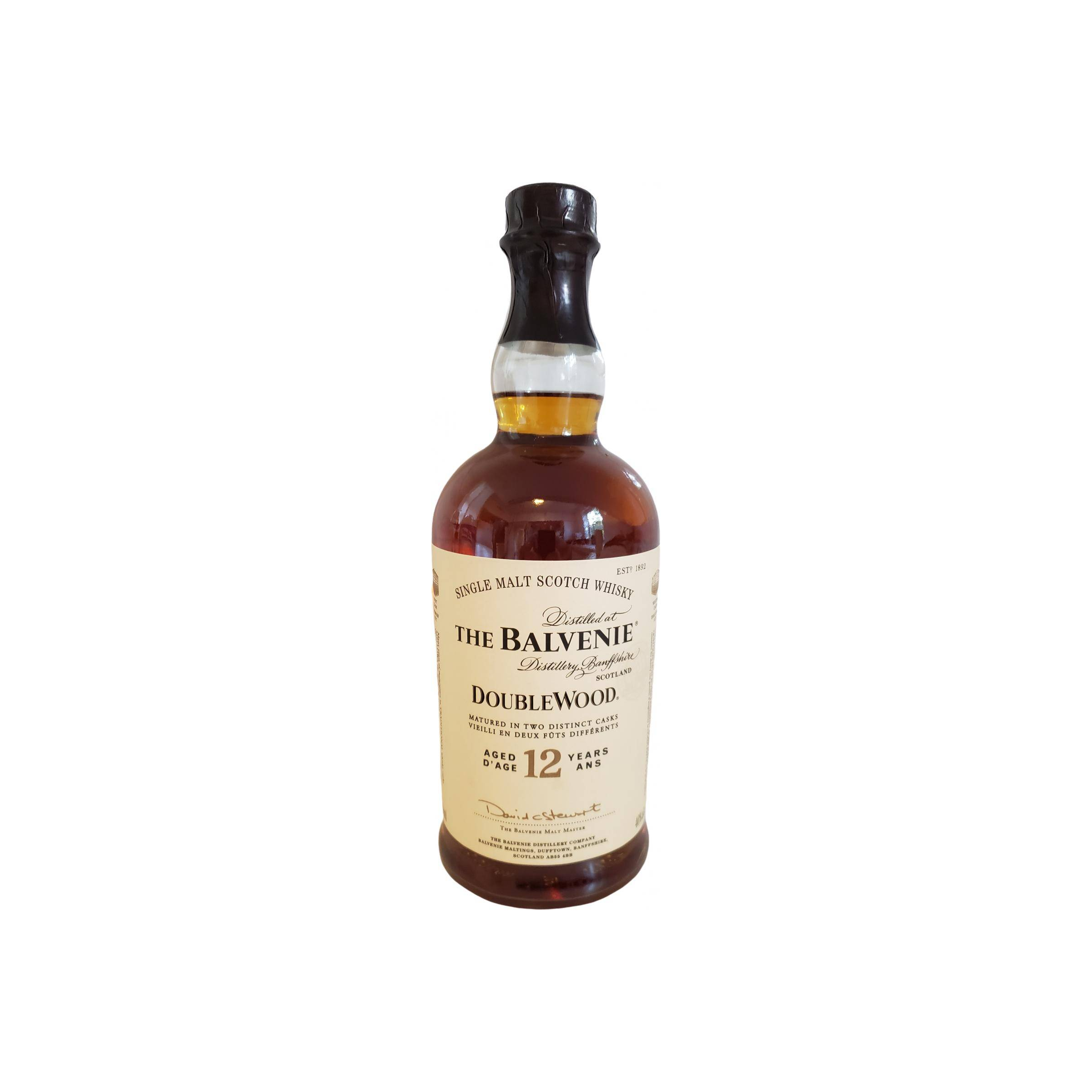
The Balvenie 12 Years Single Malt Whisky
The Balvenie
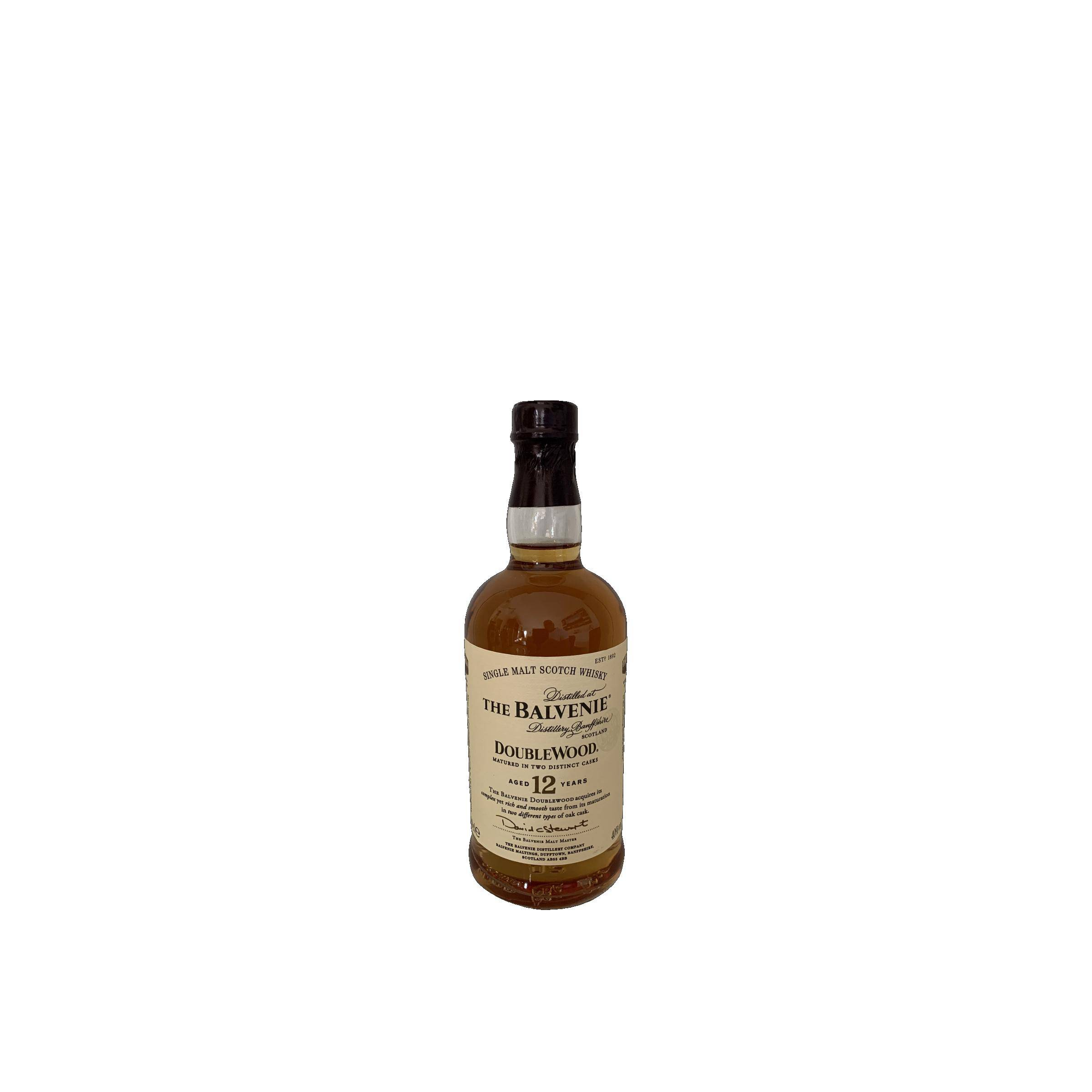
The Balvenie 12 Years Single Malt Whisky
The Balvenie
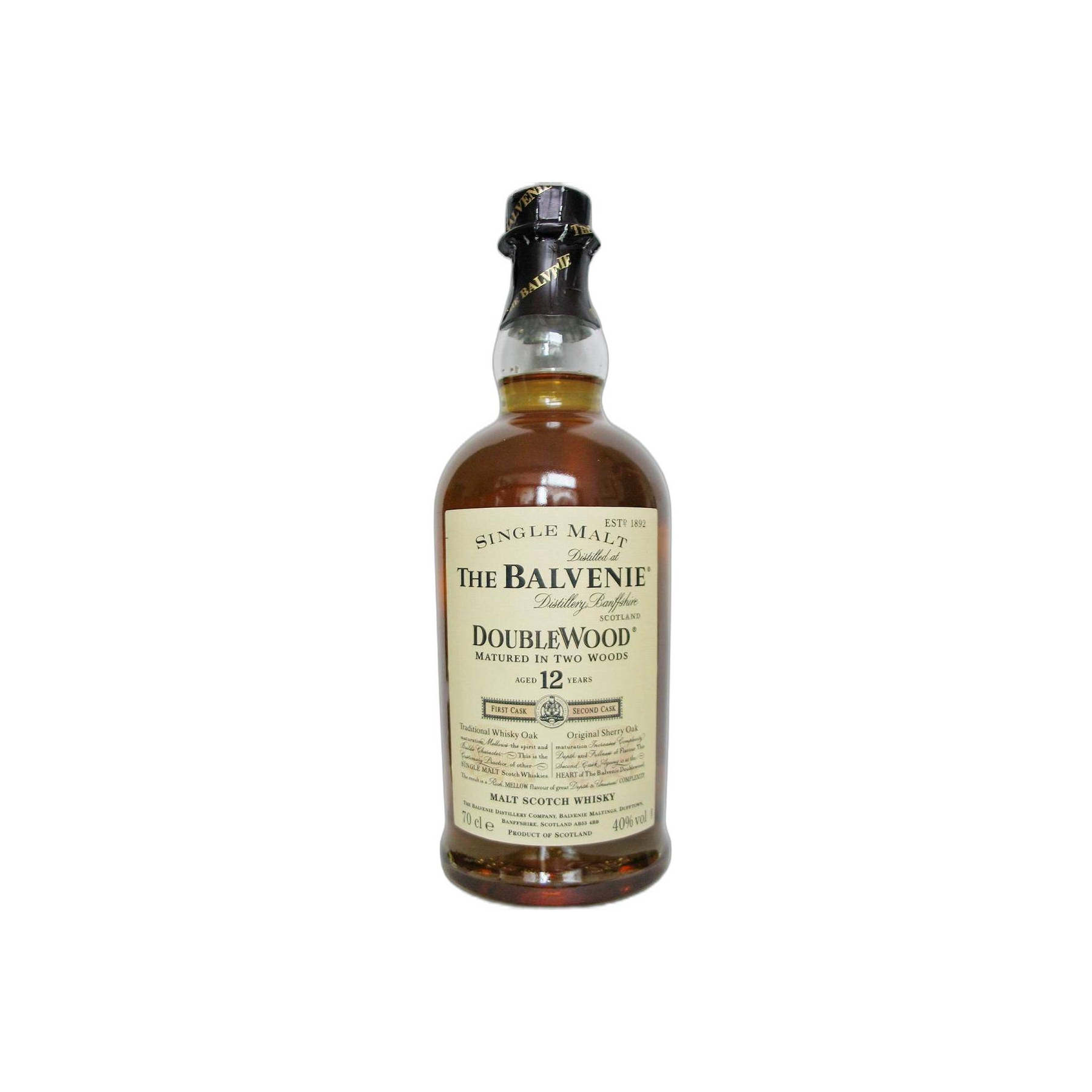
The Balvenie 12 Years Single Malt Whisky
The Balvenie
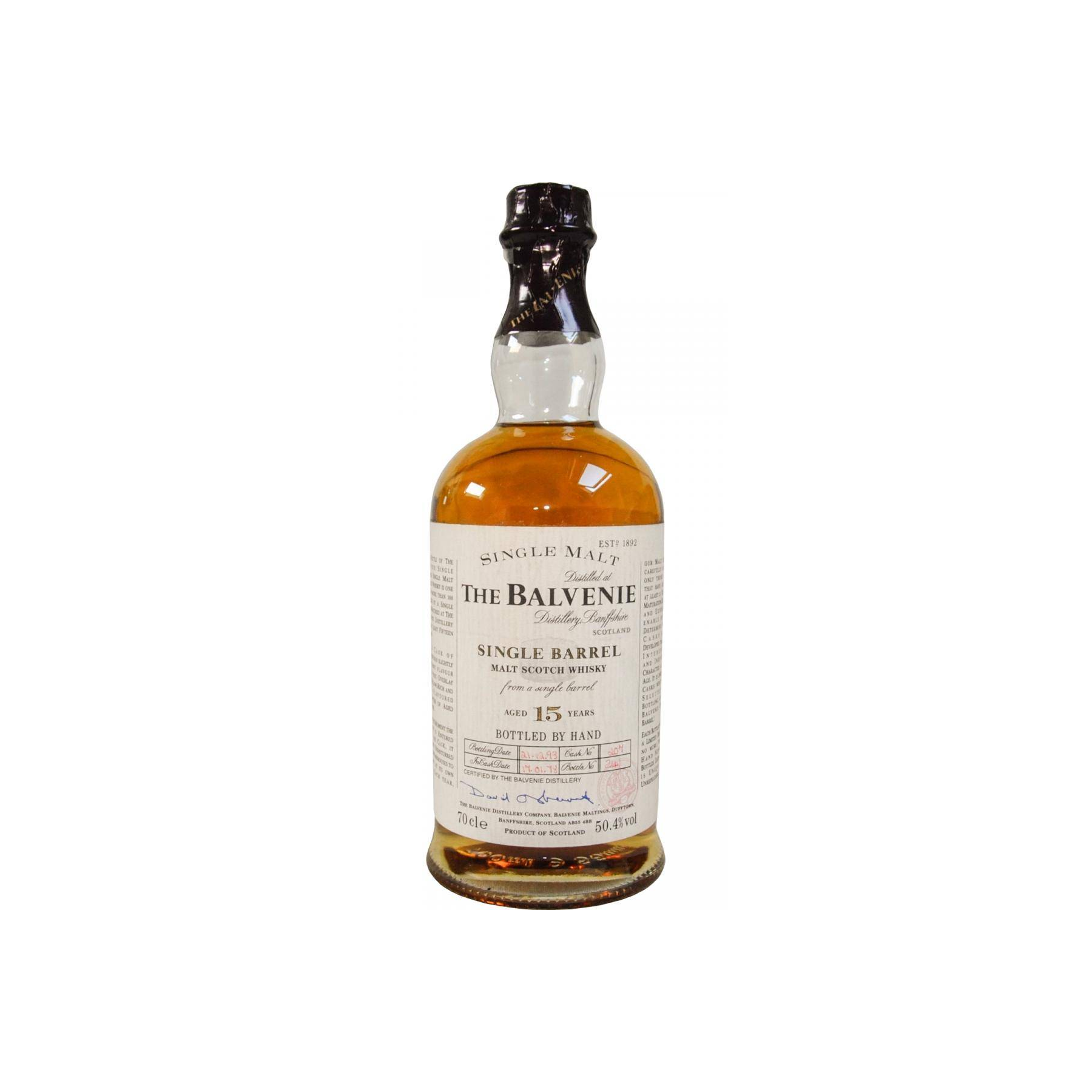
The Balvenie Single Cask 1978 15 Years Single Malt Whisky
The Balvenie