
Benrinnes Distillery is situated at the foot of Ben Rinnes mountain, a renowned natural landmark in southern Speyside. At its 840-meter summit, visitors can enjoy panoramic views across eight Scottish counties. The distillery takes its name from this mountain and shares its water source—drawn from mountain wells—with four neighboring distilleries: Aberlour, Allt-a-Bhainne, Dailuaine, and Glenfarclas. The first Benrinnes distillery was established in 1826, though no traces remain today; it stood only a few kilometers from the current site. The present distillery was constructed in the 1950s. In autumn 2012, Benrinnes underwent a major modernization, including full automation of the distillation process and construction of a new control room. The facility features an 8.5-ton semi-lauter mash tun, eight Oregon pine washbacks with fermentation times of 65-100 hours, two wash stills, and four spirit stills. From 1966 until recently, Benrinnes practiced partial triple distillation, a process now discontinued in favor of a configuration using one wash still paired with two spirit stills. The distillery employs cast iron worm tub condensers, which impart a subtle sulfurous character to the new make spirit. With wide cut points ranging from 73% to 58% ABV, Benrinnes produces a robust, meaty new make. Production operates on two alternating schedules: a seven-day week yielding 21 mashes, or a five-day week yielding 15 mashes. The majority of Benrinnes' output supplies blended Scotch whiskies including J&B, Johnnie Walker, and Crawford's 3 Star. The sole official bottling is the 15-year-old Flora & Fauna expression. Limited releases include a 1996 vintage from the Manager's Choice series (2010) and a 21-year-old, 57% ABV special release in autumn 2014.
History
Benrinnes distillery was established in 1826 when Peter McKenzie built a distillery at Whitehouse Farm on the northern slopes of Ben Rinnes mountain at 700 feet elevation. Two years later it was destroyed by floods. Another distillery was built nearby at Lyne of Ruthrie by founder John Innes. Innes went bankrupt in 1834. Thirty years later, his successor William Smith also failed (and was imprisoned), and the distillery lease was transferred to a farmer, David Edward. David's son Alexander Edward inherited the distillery and later became a notable distiller, founding Aultmore, Dallas Dhu, and Craigellachie distilleries, holding partial ownership in Oban and York distilleries, and supporting the establishment of Benromach distillery on his estate near Forres. The distillery suffered a "nearly destructive fire" in 1896 according to the Aberdeen Journal, but a more fatal blow was the collapse of its agents F.W.&O. Brickman in the 1899 "Pattison crash" and the subsequent general decline of the whisky industry. In 1922, Alexander Edward's distillery was acquired by Dewar's, with ownership transferring to D.C.L. in 1925 and managed by S.M.D. from 1930. It was rebuilt in 1955 and 1956, and ten years later capacity was doubled to six stills. The "old and new" halves operated independently, being blended before cask filling. Floor malting was replaced by a Saladin box in 1964, which lasted twenty years. In 1970, steam heating replaced direct fire distillation.
Curiosities
Since 1956, Springbank has employed an unusual form of 'partial triple distillation'. Its six stills are divided into two groups of three, meaning some spirit is distilled three times while others are distilled twice. Each wash still is matched with a fermentation tank. The distillate is separated into heads and tails—the stronger heads go to the strong low-wines receiver, the weaker tails to the weak low-wines receiver. The weak low-wines are sent to an intermediate spirit still, and the resulting distillate is separated again: heads to the strong receiver, tails to the weak receiver. The strong low-wines go to the spirit still, heads return to the strong receiver, and tails/feints are separated once more, with stronger tails to the strong receiver and weaker tails to the weak receiver. One might expect a light-bodied spirit, but quite the opposite—the triple distillation effect is counteracted by the stills' size, shape, and worm tub condensers.
Timeline
Peter MacKenzie established the distillery
The distillery was unfortunately destroyed by a flood, but a new distillery was built a few miles away
The distillery went bankrupt and was sold to William Smith & Co.
William Smith & Co. went bankrupt and the distillery was sold to David Edward
A fire severely destroyed the distillery
John Dewar & Son bought the distillery, and Benrinnes became part of DCL
John Dewar & Sons became a subsidiary of DCL.
The distillery was completely rebuilt.
Saladin box malting replaced floor malting.
Benrinnes increased its stills to 5
Began using triple distillation process
Abandoned the use of Saladin box malting, and the distillery began purchasing malt centrally.
The first official bottling was released
United Distillers launched Benrinnes 21-year-old.
Abandoned the triple distillation process and returned to traditional double distillation
Diageo released a 23-year-old expression under the Special Releases series.
Diageo released a 1996-distilled expression under the Manager's Choice series.
Released a limited edition 21-year-old expression.
Hot Search Whiskies
Showing top 10
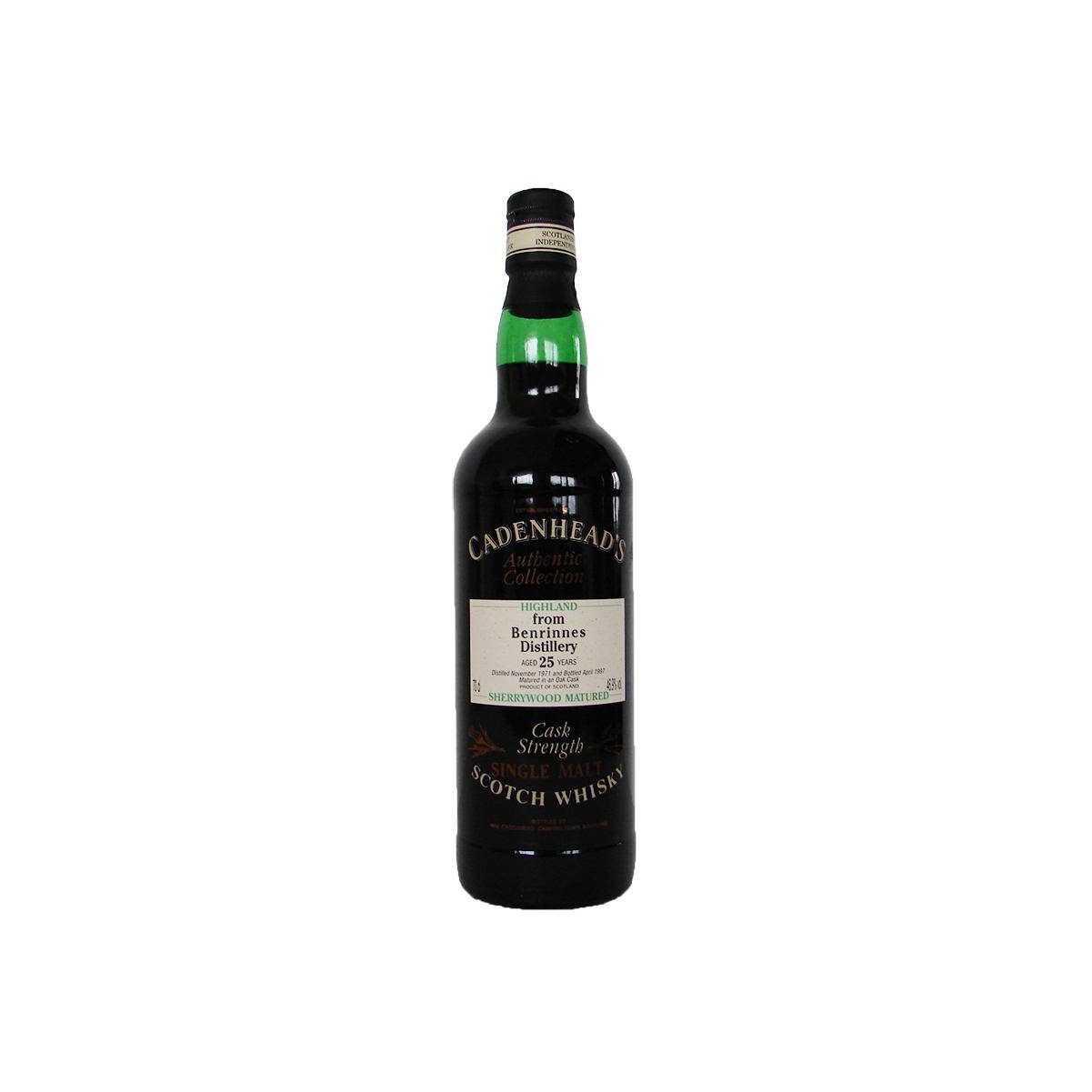
Benrinnes Authentic Collection 1971 25 Years Single Malt Whisky
Benrinnes
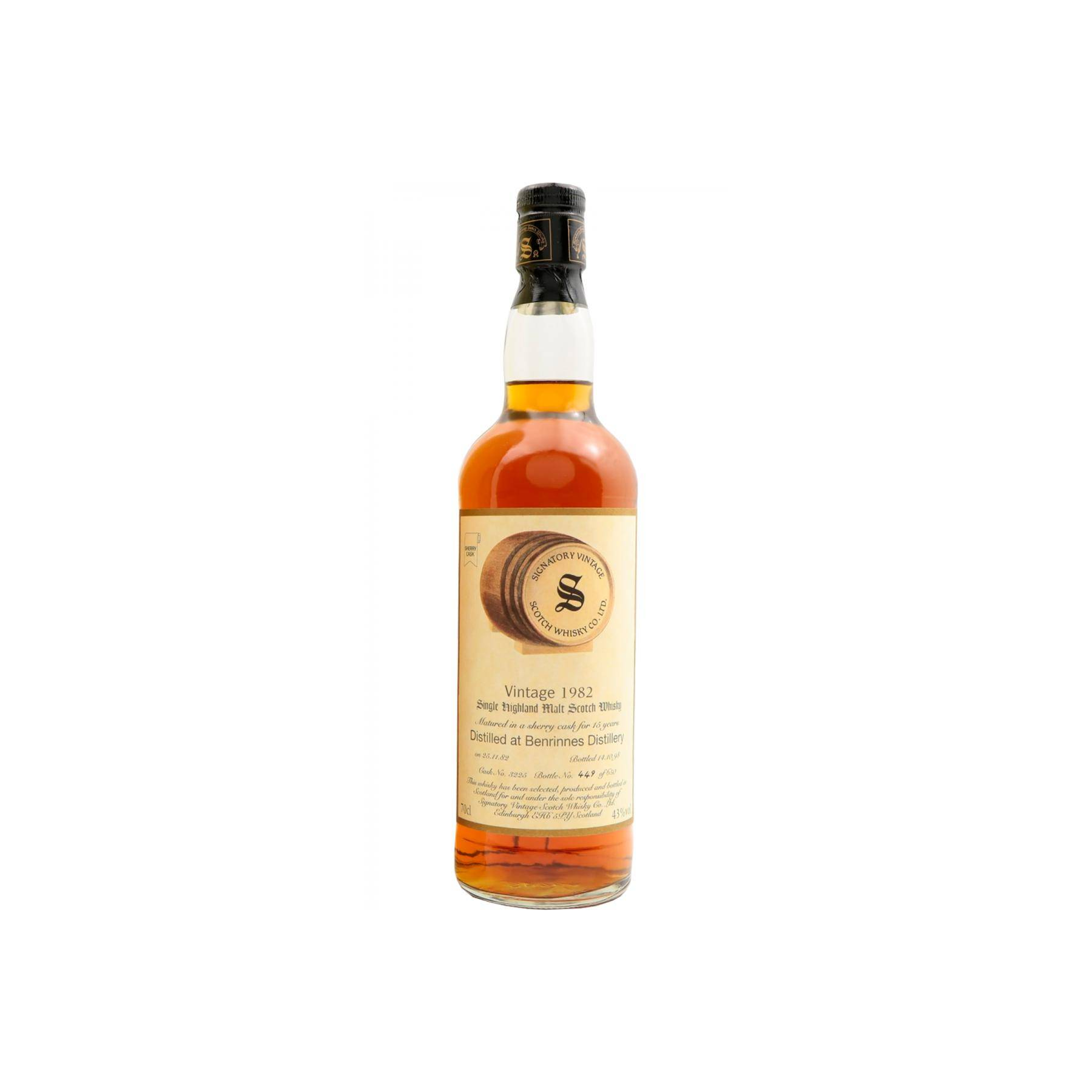
Benrinnes Vintage Collection 1982 15 Years Single Malt Whisky
Benrinnes
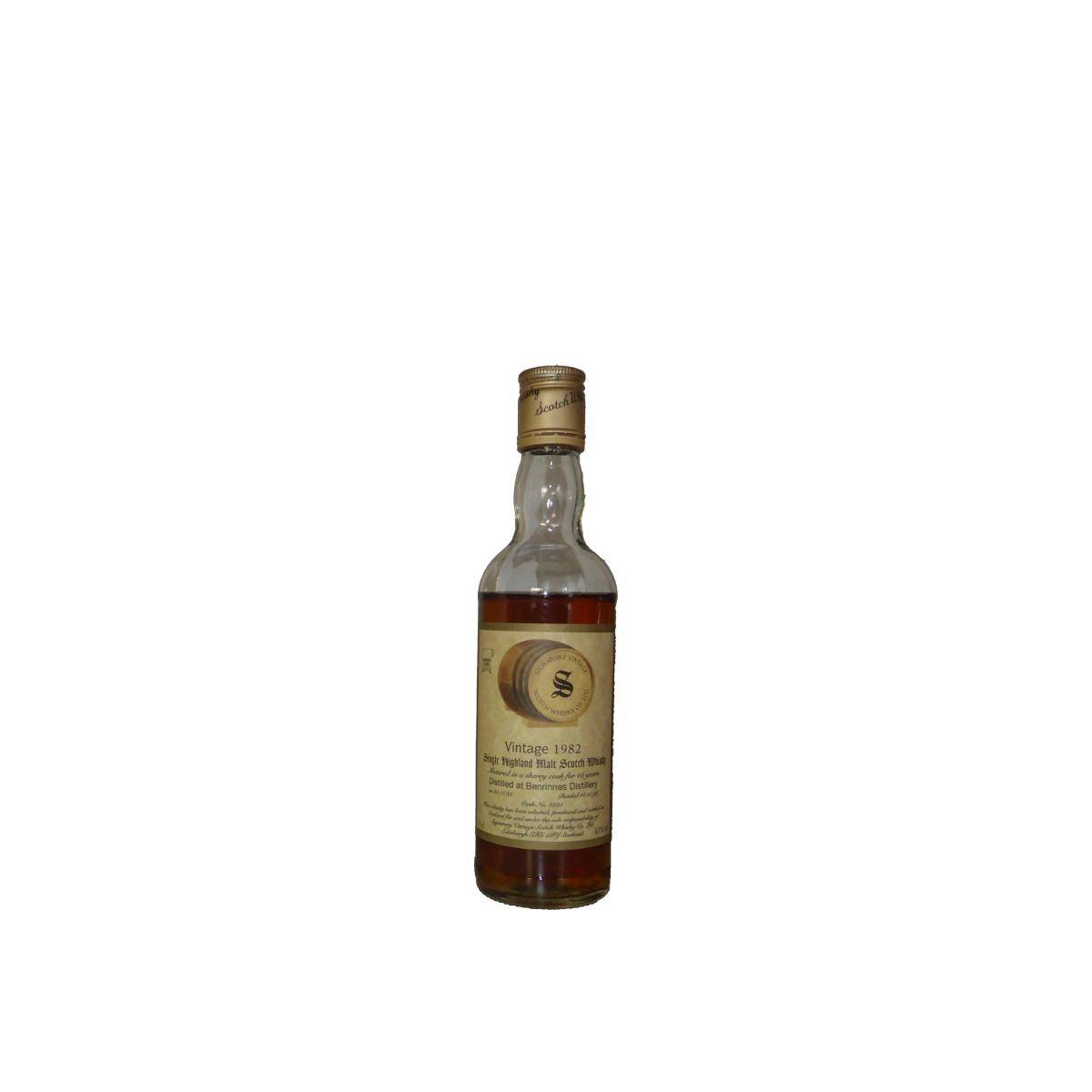
Benrinnes 1982 15 Years Single Malt Whisky
Benrinnes
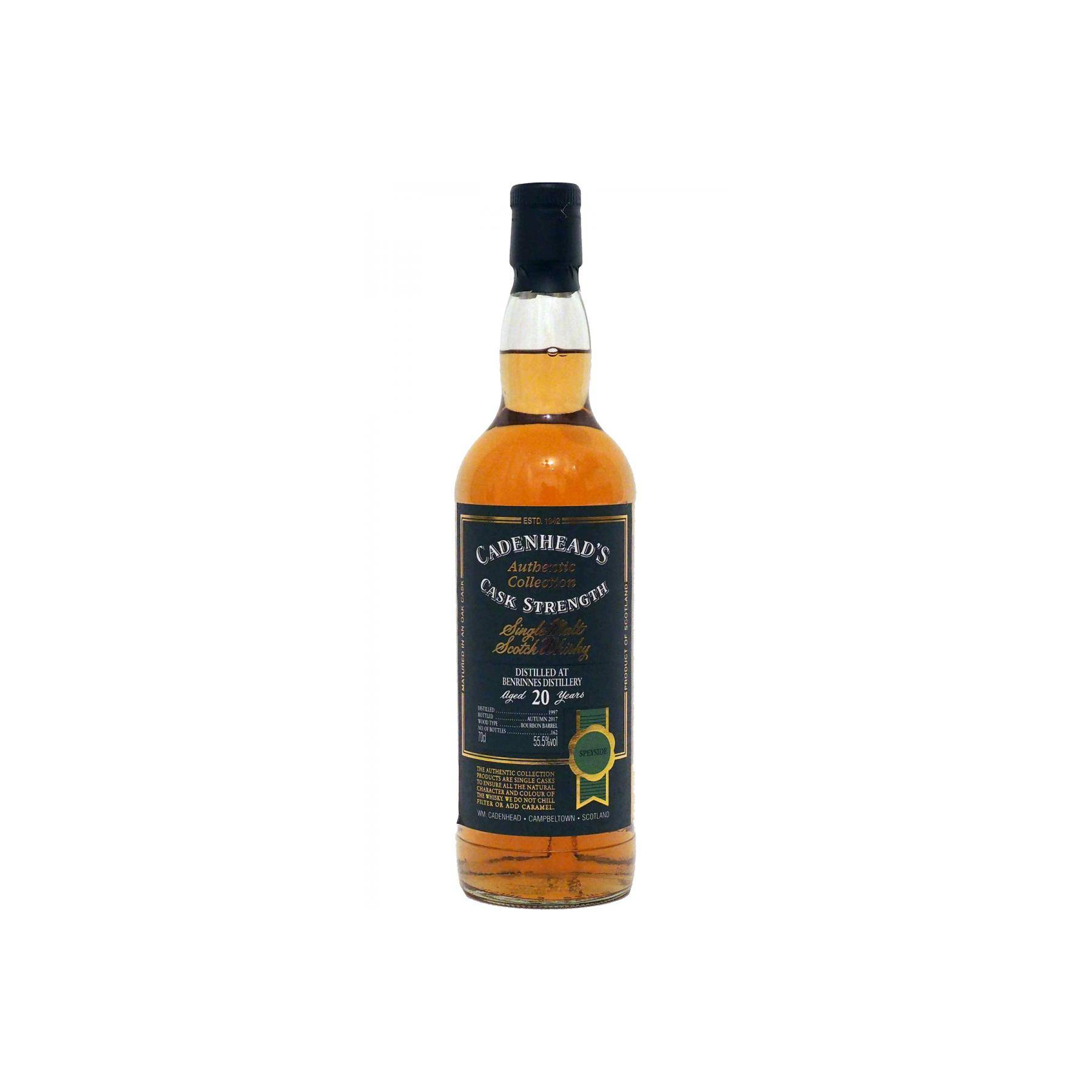
Benrinnes 1997 20 Years Single Malt Whisky
Benrinnes
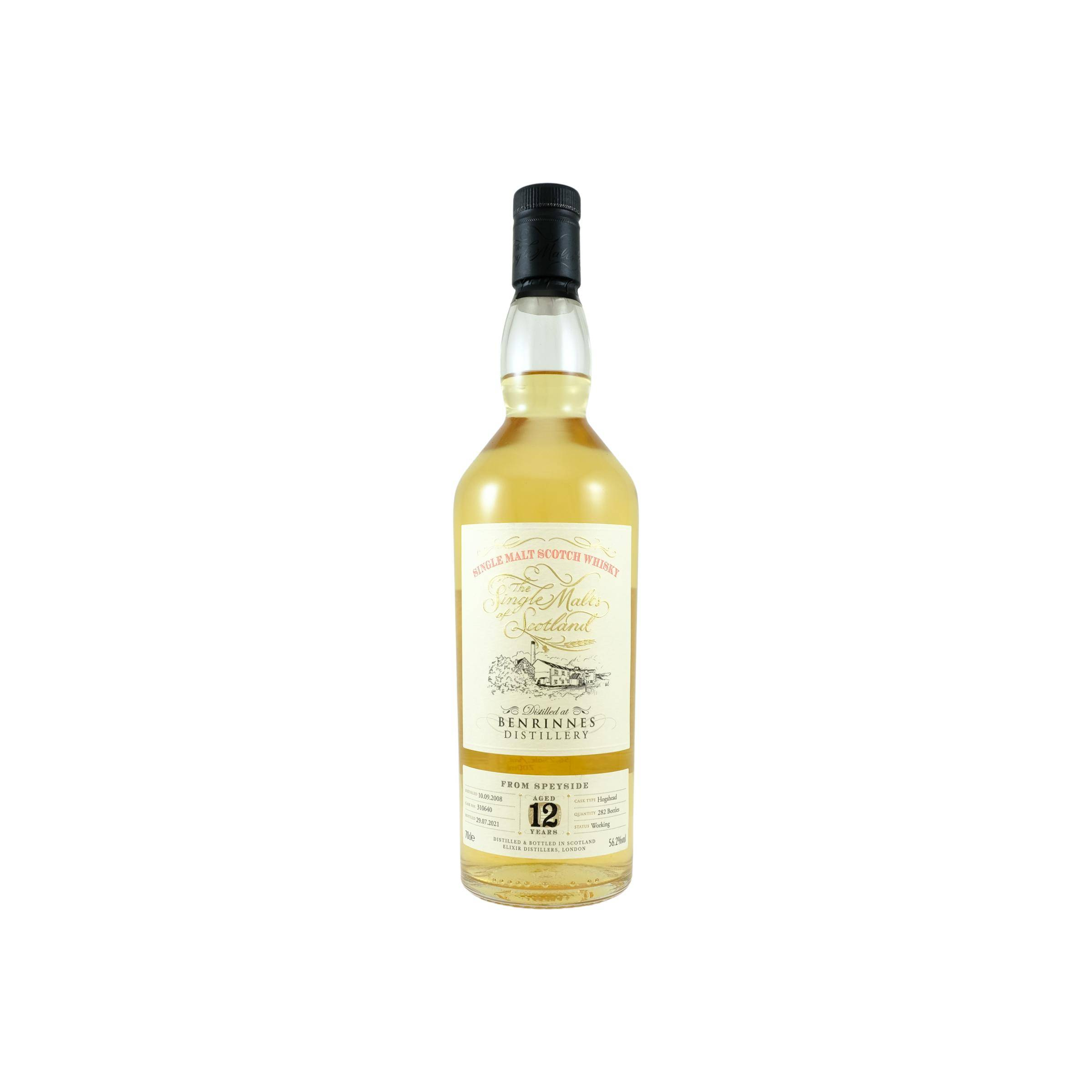
Benrinnes The Single Malts of Scotland 2008 12 Years Single Malt Whisky
Benrinnes
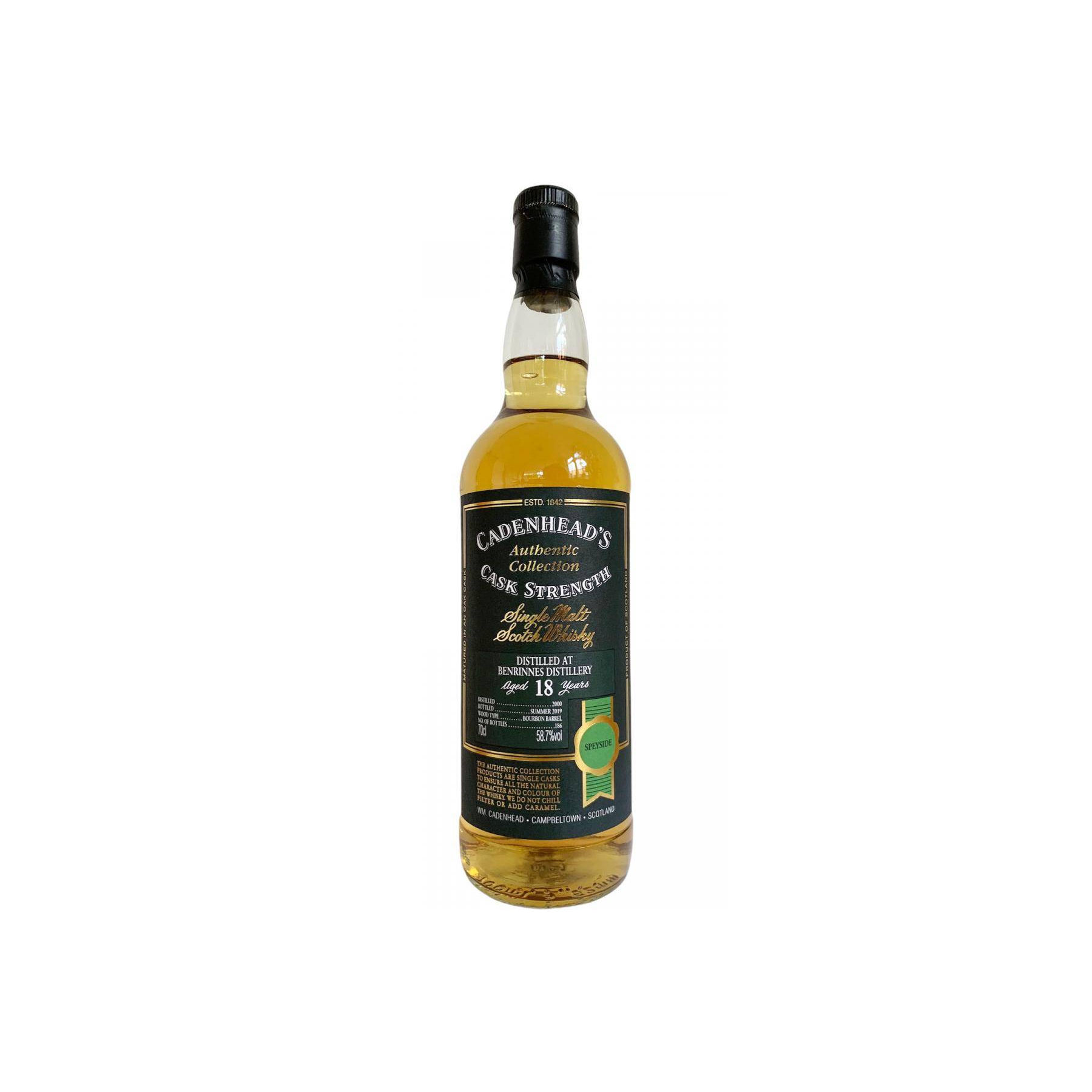
Benrinnes Authentic Collection 2000 18 Years Single Malt Whisky
Benrinnes
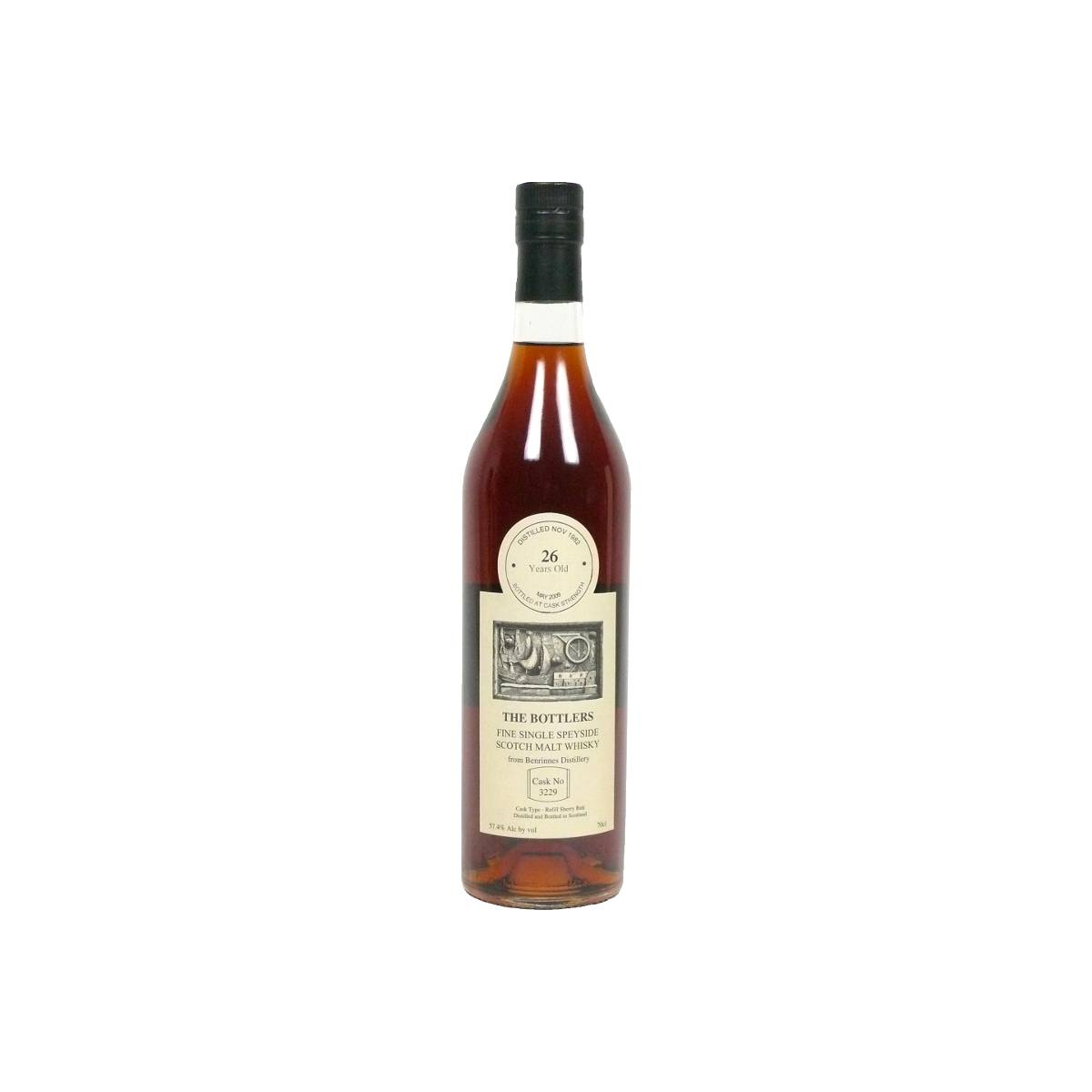
Benrinnes 1982 26 Years Single Malt Whisky
Benrinnes
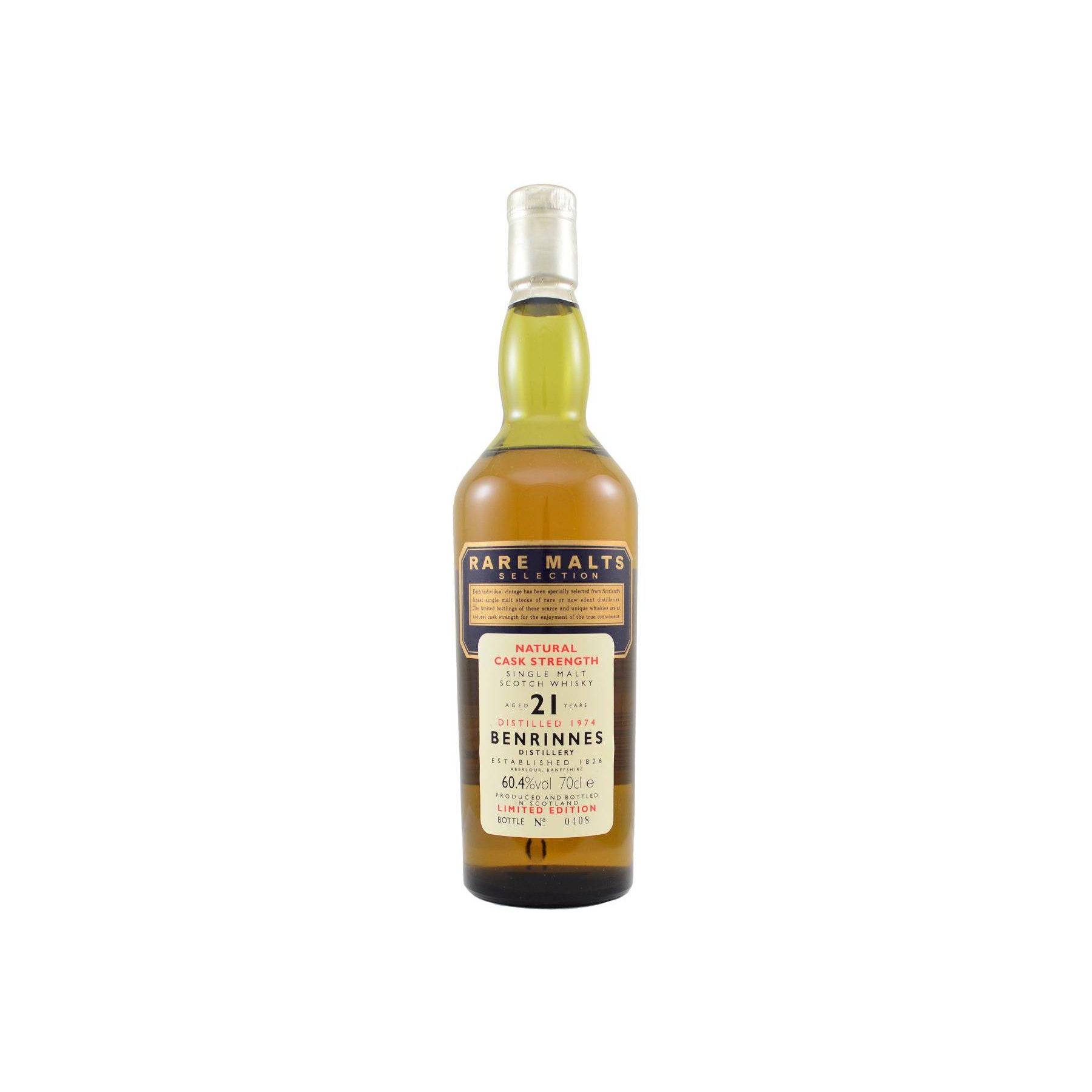
Benrinnes 1974 21 Years Single Malt Whisky
Benrinnes
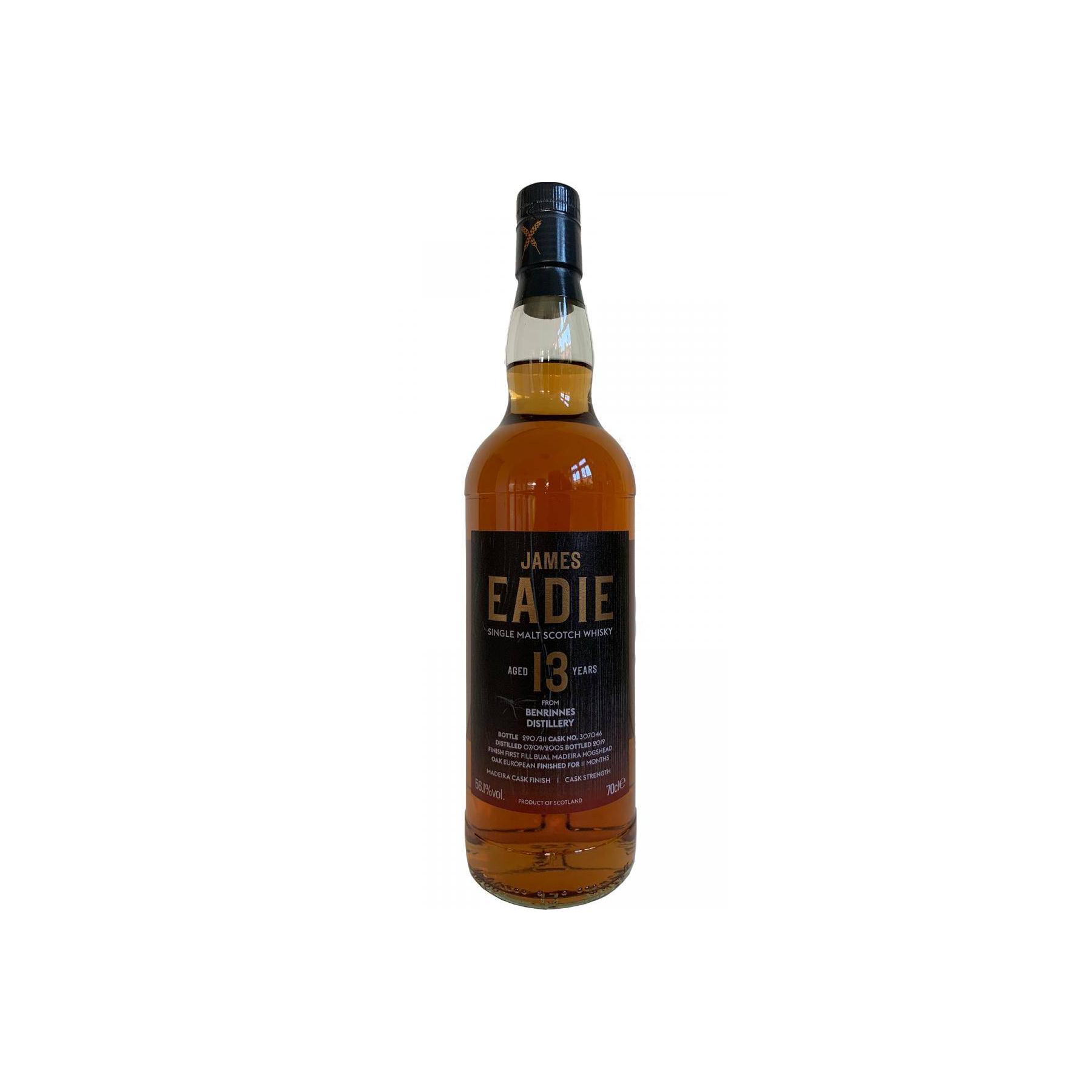
Benrinnes Single Cask 2005 13 Years Single Malt Whisky
Benrinnes
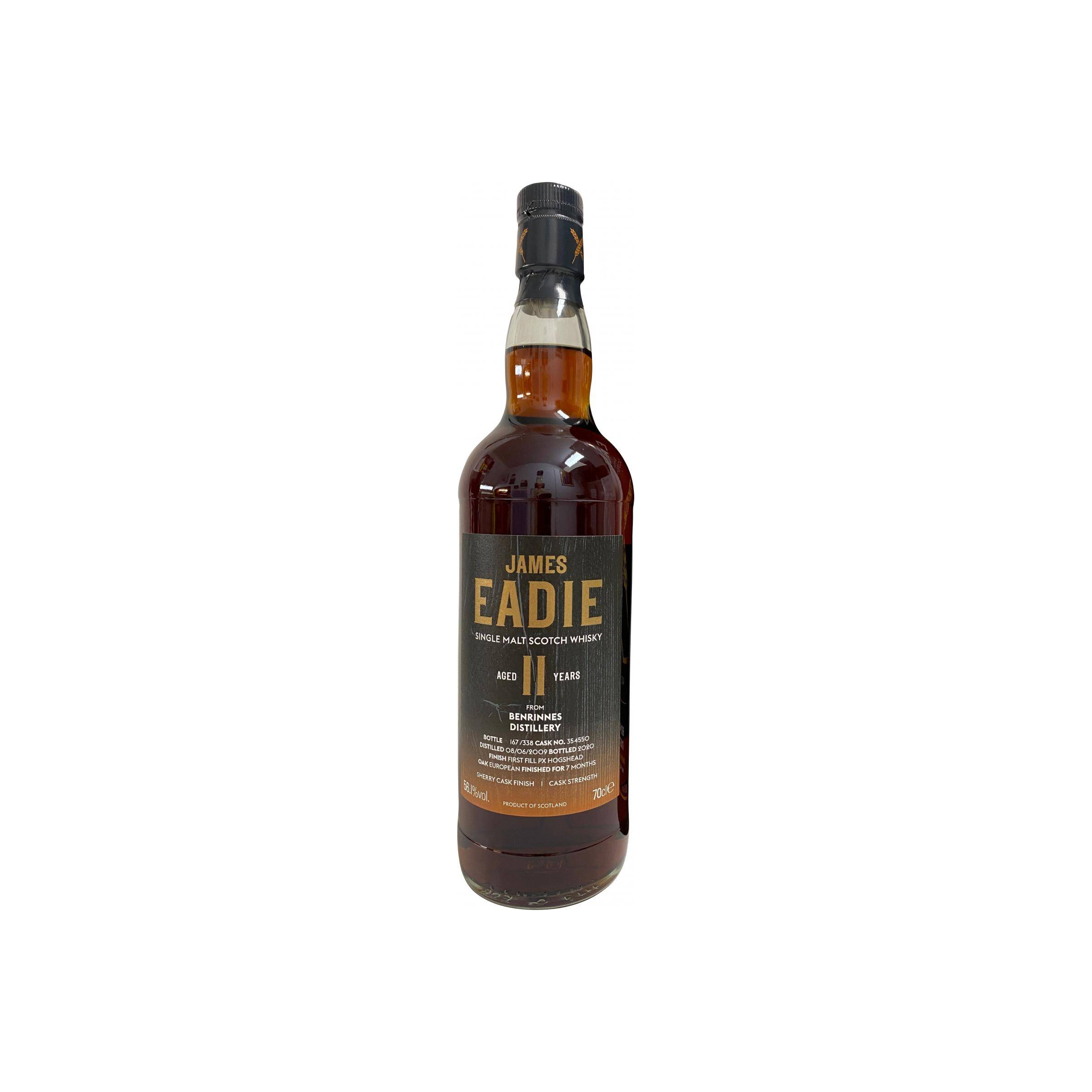
Benrinnes 2009 11 Years Single Malt Whisky
Benrinnes