Cambus
Cambus Distillery, founded in 1836 by John Moubray in Alloa, Clackmannanshire, became Scotland's largest and most important Coffey Still grain whisky distillery. A devastating fire in June 1914 destroyed the facility, forcing a closure that lasted until its reconstruction in 1938. The distillery played a pivotal role in supplying grain whisky for major blends throughout the 20th century. Owned by UDV (United Distillers & Vintners), predecessor to Diageo, Cambus was officially mothballed in 1993. As a 'silent distillery,' remaining stocks have become exceptionally rare and highly prized by collectors, representing a crucial chapter in Scotland's grain whisky heritage.
History
Cambus has been a center for distilling, glass manufacturing, and textiles for over 200 years. Cambus Distillery was founded in 1806 by John Moubray on the banks of the River Devon, near the Firth of Forth. The distillery's name comes from the Gaelic word 'camas', meaning 'creek' or 'small bay'. The site was formerly a flour mill. John's enterprise was inherited by his descendants. Pot stills were replaced by Stein stills in 1826, and then by Coffey stills in 1851. John's grandson, Robert Moubray, brought Cambus Distillery into D.C.L., which was established in 1877 (see 'Cameronbridge' and 'Carsebridge'), and expanded the distillery in 1882 by acquiring Cambus Old Brewery. Alas, a fire in September 1914 destroyed most of the distillery buildings, and for the next 24 years, the site operated only as a bonded warehouse and maltings for the nearby Carsebridge Distillery. In 1937, the ruins of the original buildings were demolished except for a small portion of the stillhouse, and incorporated into a new construction. After the outbreak of World War II, production ceased immediately but resumed in 1945. In 1964, Cambus became the first site among all grain whisky distilleries to install a by-product recovery plant, and in 1982 it was converted to deep mash equipment. In 1993, the distillery was closed by U.D., the equipment was removed, and the buildings were converted into cask-filling and maturation warehouses. In November 2011, Diageo opened a state-of-the-art cooperage within the Cambus distillery site. 'Designed by coopers for coopers', it utilizes automotive industry technologies and robotics to minimize physical labor for coopers. The facility is Scotland's largest, employing approximately 100 people (including 40 coopers and 10 apprentices), and can refurbish and rejuvenate 250,000 oak casks annually. The scale of the facility reflects reality: with the opening of Roseisle Distillery and expansions at several other sites, Diageo's capacity increased by 40 million liters.
Curiosities
In 1905, a British court ruled that "whisky" must be made in pot stills, whether malt, grain, or blend. The 1906 appeal remained divisive. On June 25, 1906, D.C.L. boldly launched the campaign: "Cambus: The continuously distilled pure whisky brand. Drink a gallon without a headache." The question "What is whisky?" was finally settled in 1908 when a Royal Commission ruled that continuously distilled spirits could indeed be called whisky. Cambus operated its own train for grain transport and a yeast plant producing "German" yeast. Casks shipped from the distillery's private dock. A CO₂ processing plant was built in 1953, a grain dryer added in 1964, and a by-products processing plant in 1982. In 1952, Cambus installed a rectification column for gin production, transferring capacity from D.C.L.'s Wandsworth Distillery. This foreshadowed what was to come. Today, approximately 70% of English gin is produced in Scotland, primarily at Cameronbridge Distillery. Cambus drew water from three sources: industrial water from the Lossburn reservoir behind the distillery, cooling water from the River Devon, and dilution water from Loch Turret. In 1957-58, the adjacent Forsyth distillery converted to continuous distillation, initially producing malt whisky for two years before switching to grain whisky. D.C.L. purchased and demolished it in 1982 to make way for the by-products plant.
Timeline
John Moubray established a grist mill
Officially transformed into a distillery
Robert Moubray took over the distillery
The distillery joined DCL
Fire destroyed the distillery
After briefly reopening, the distillery was soon closed due to WWII
The distillery resumed production again
Due to restructuring of Diageo Group, the distillery closed again
The distillery resumed production
Hot Search Whiskies
Showing top 10
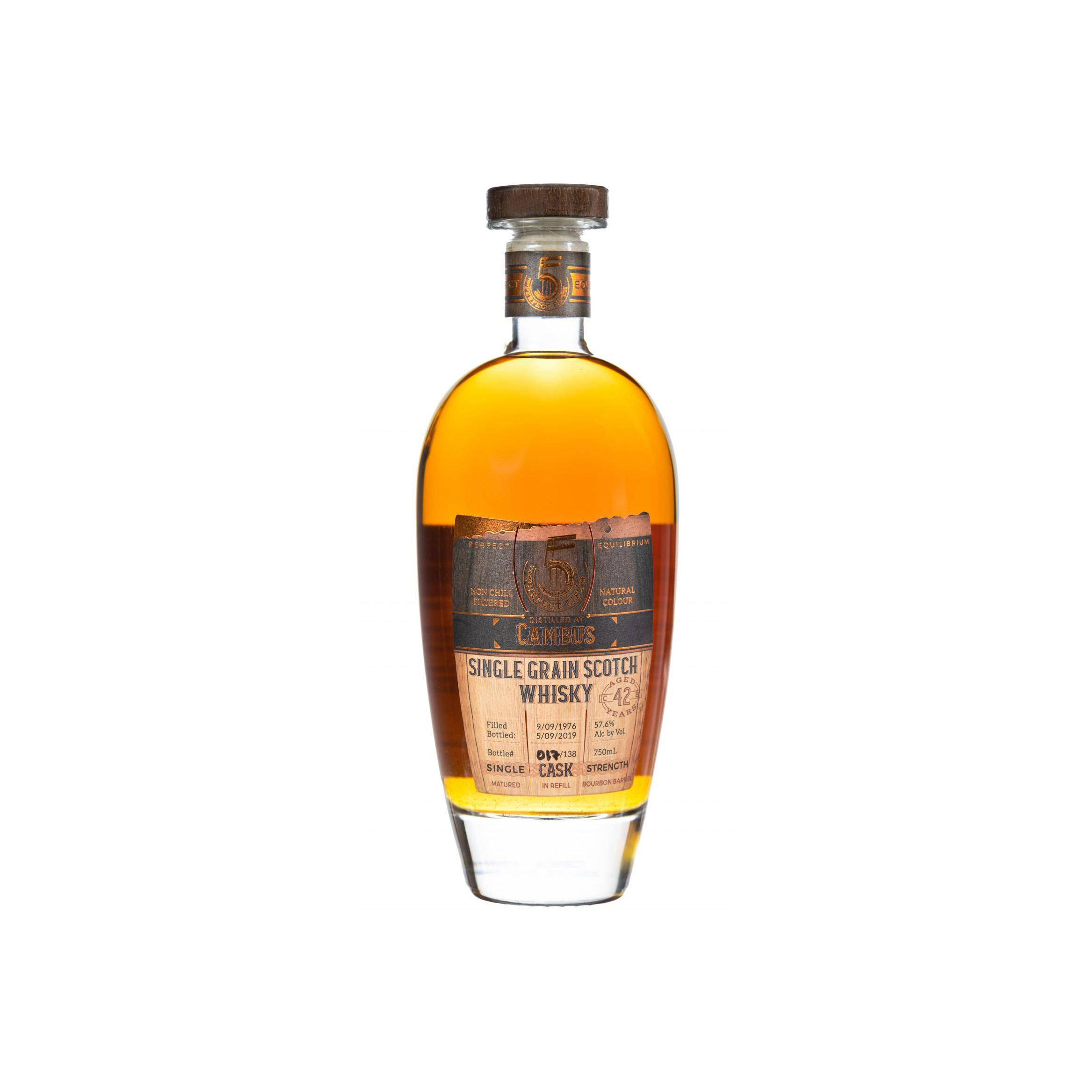
Cambus 1976 42 Years Single Grain Whisky
Cambus
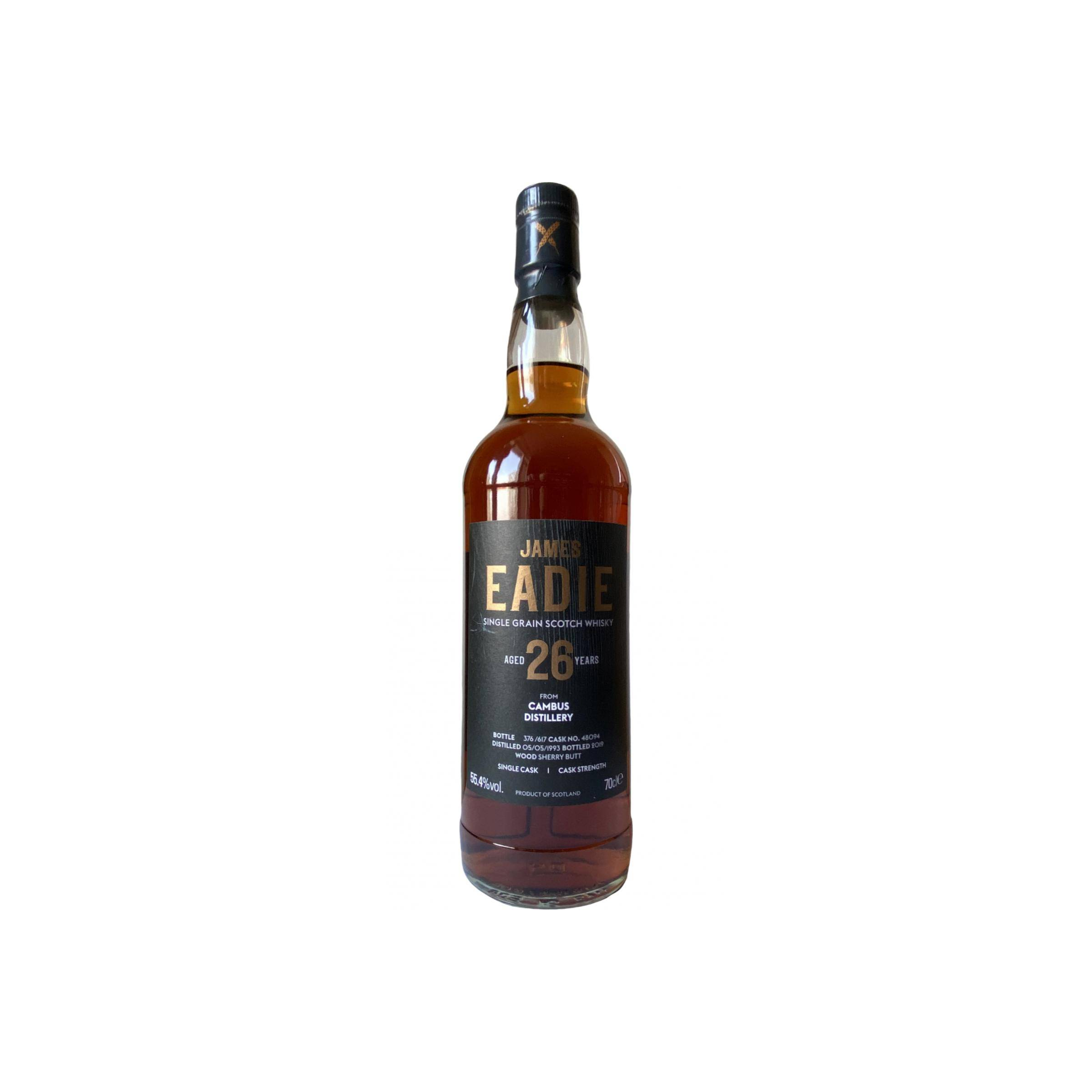
Cambus Single Cask 1993 26 Years Single Grain Whisky
Cambus
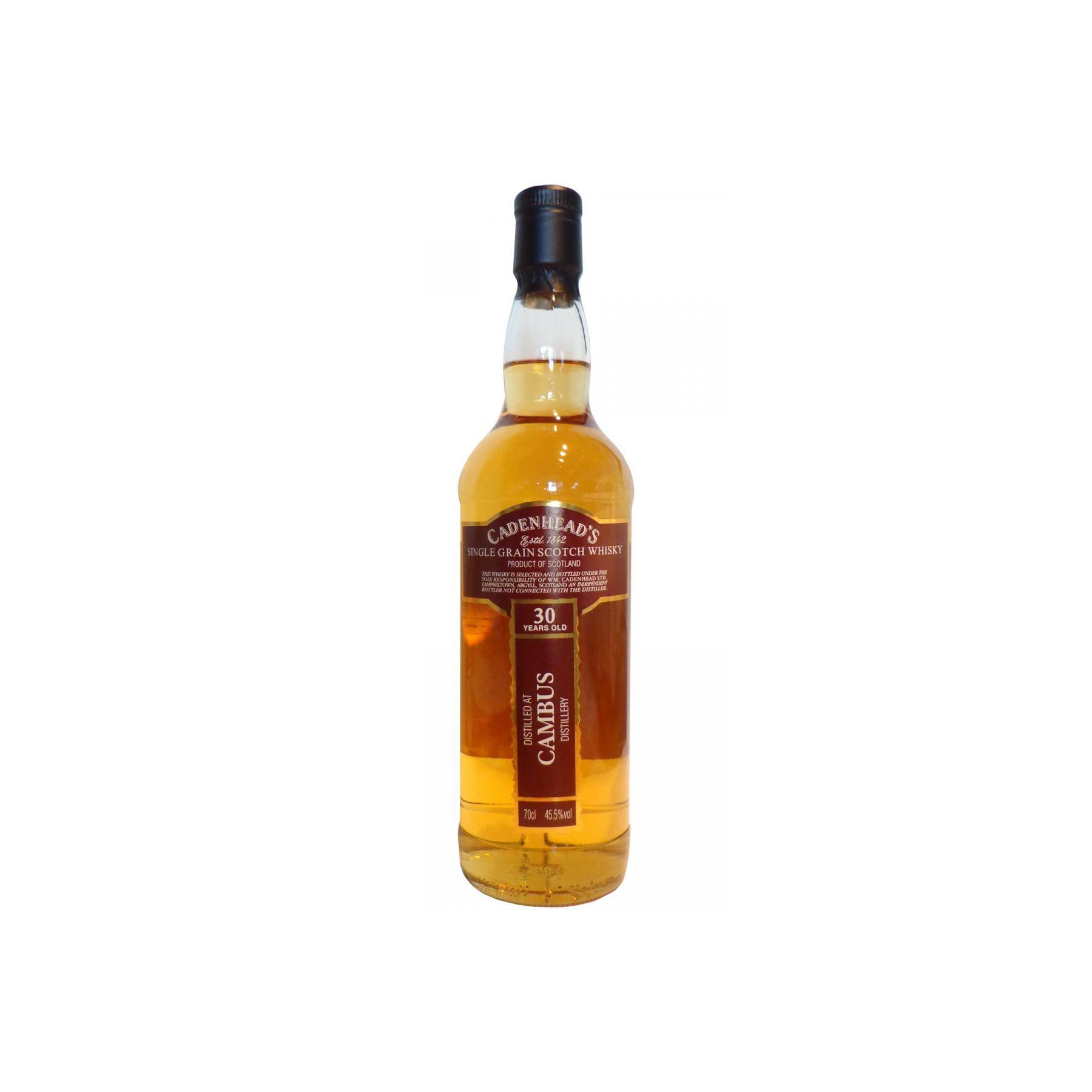
Cambus 1988 30 Years Single Grain Whisky
Cambus
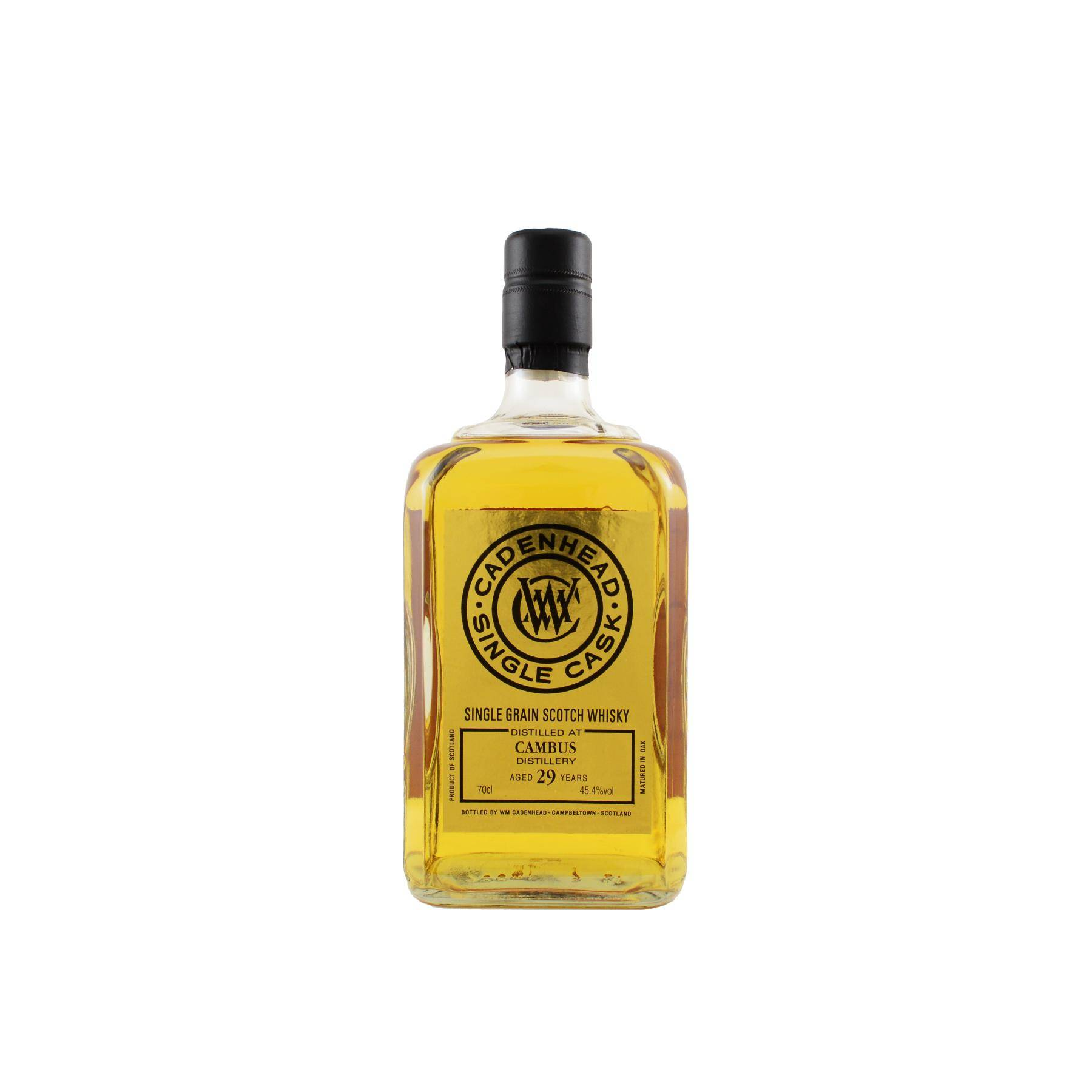
Cambus Single Cask 1988 29 Years Single Grain Whisky
Cambus
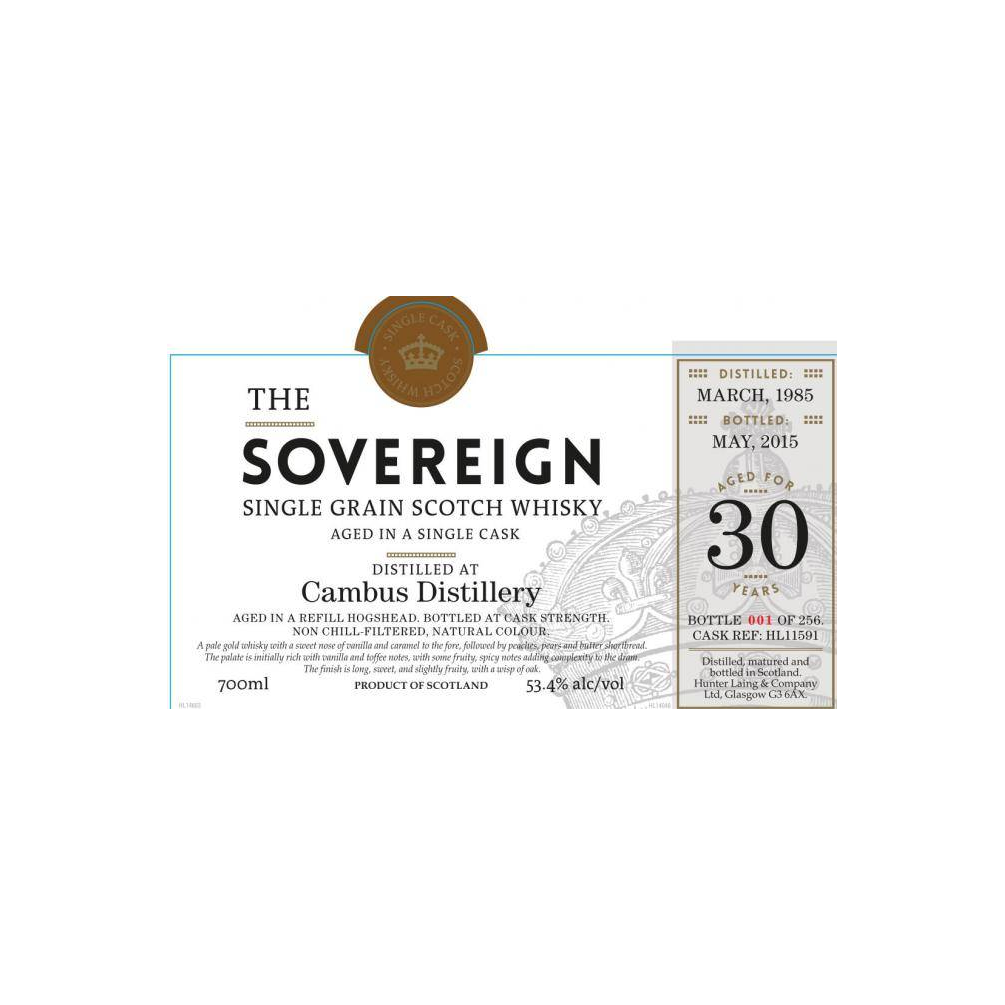
Cambus 1985 30 Years Single Grain Whisky
Cambus
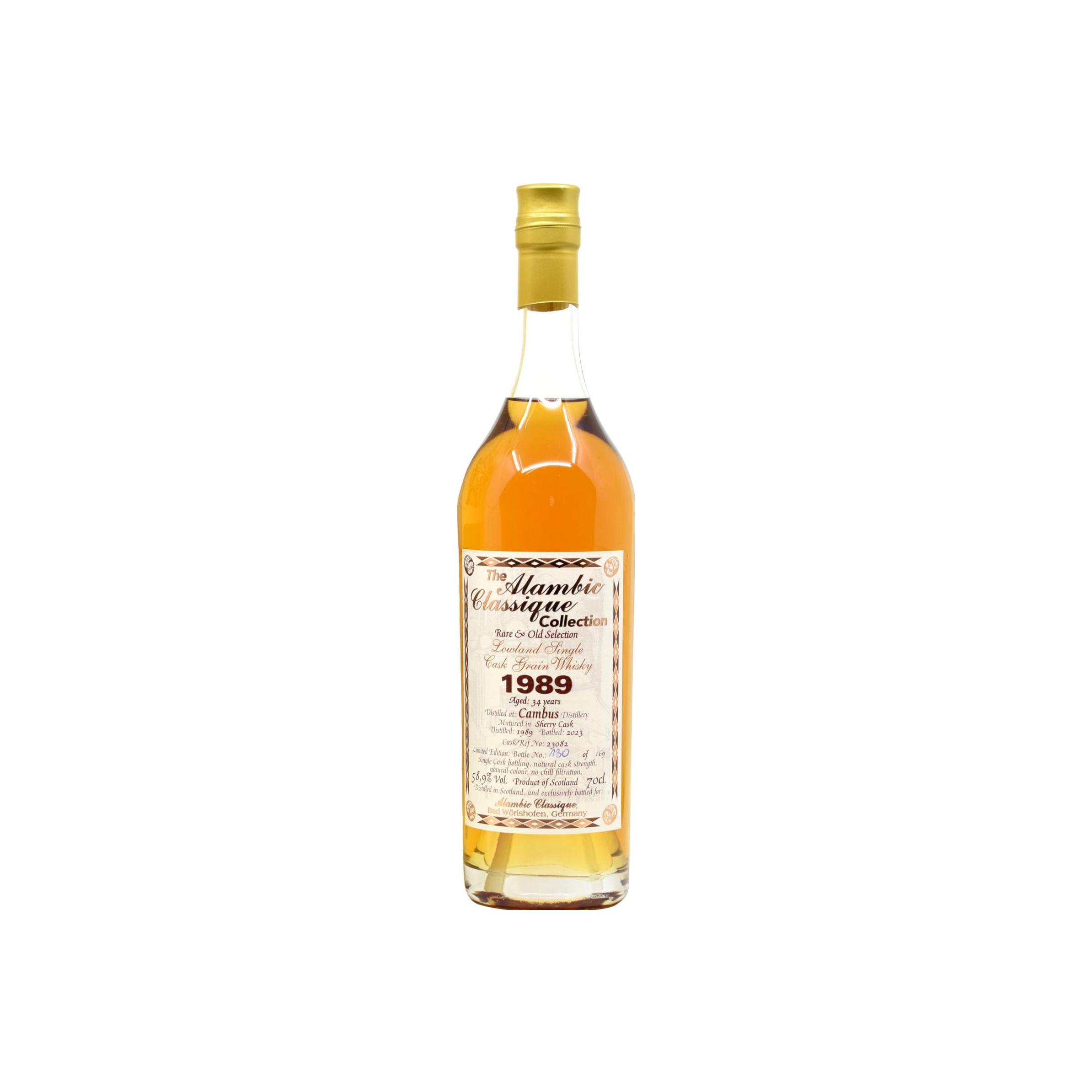
Cambus 1989 34 Years Single Grain Whisky
Cambus
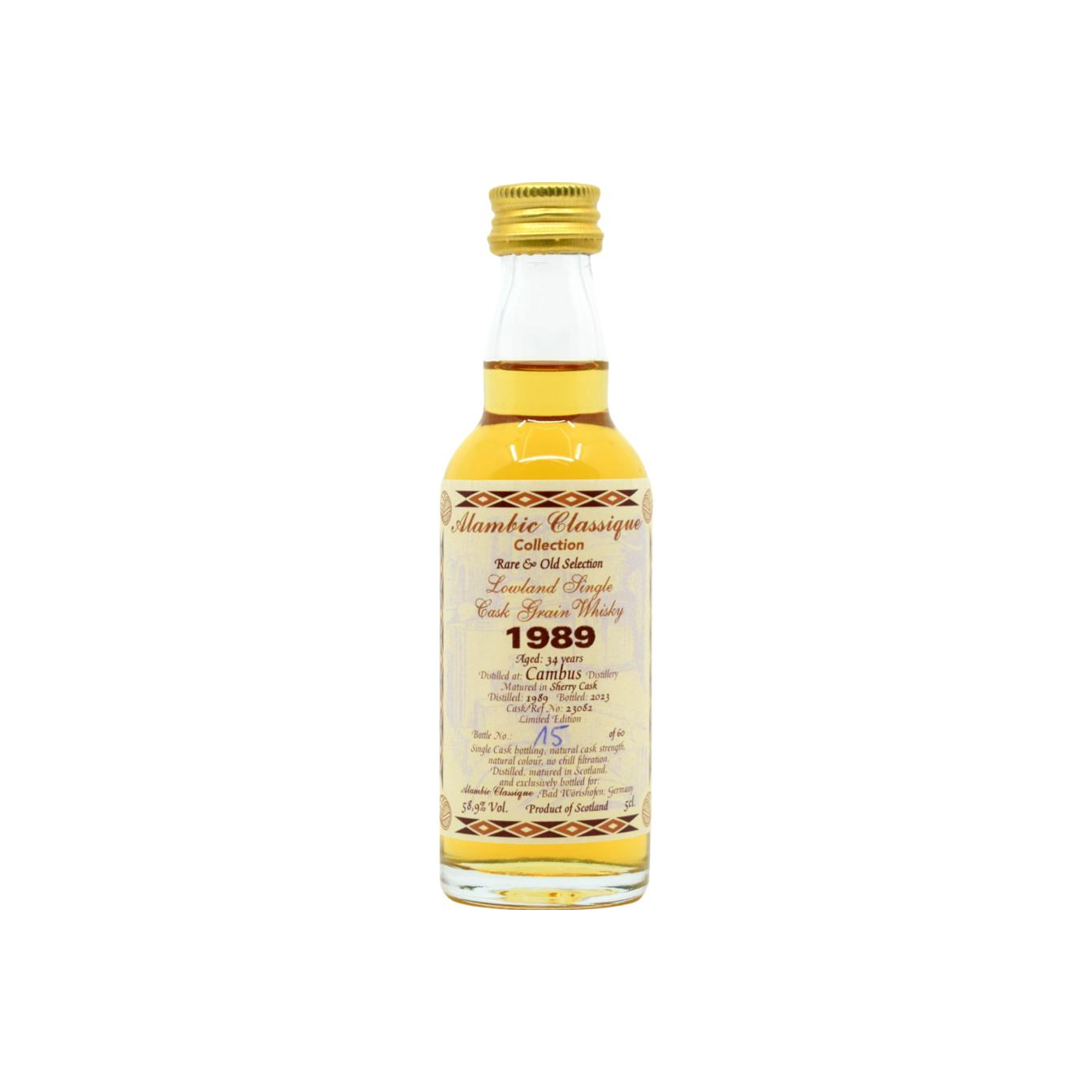
Cambus 1989 34 Years Single Grain Whisky
Cambus
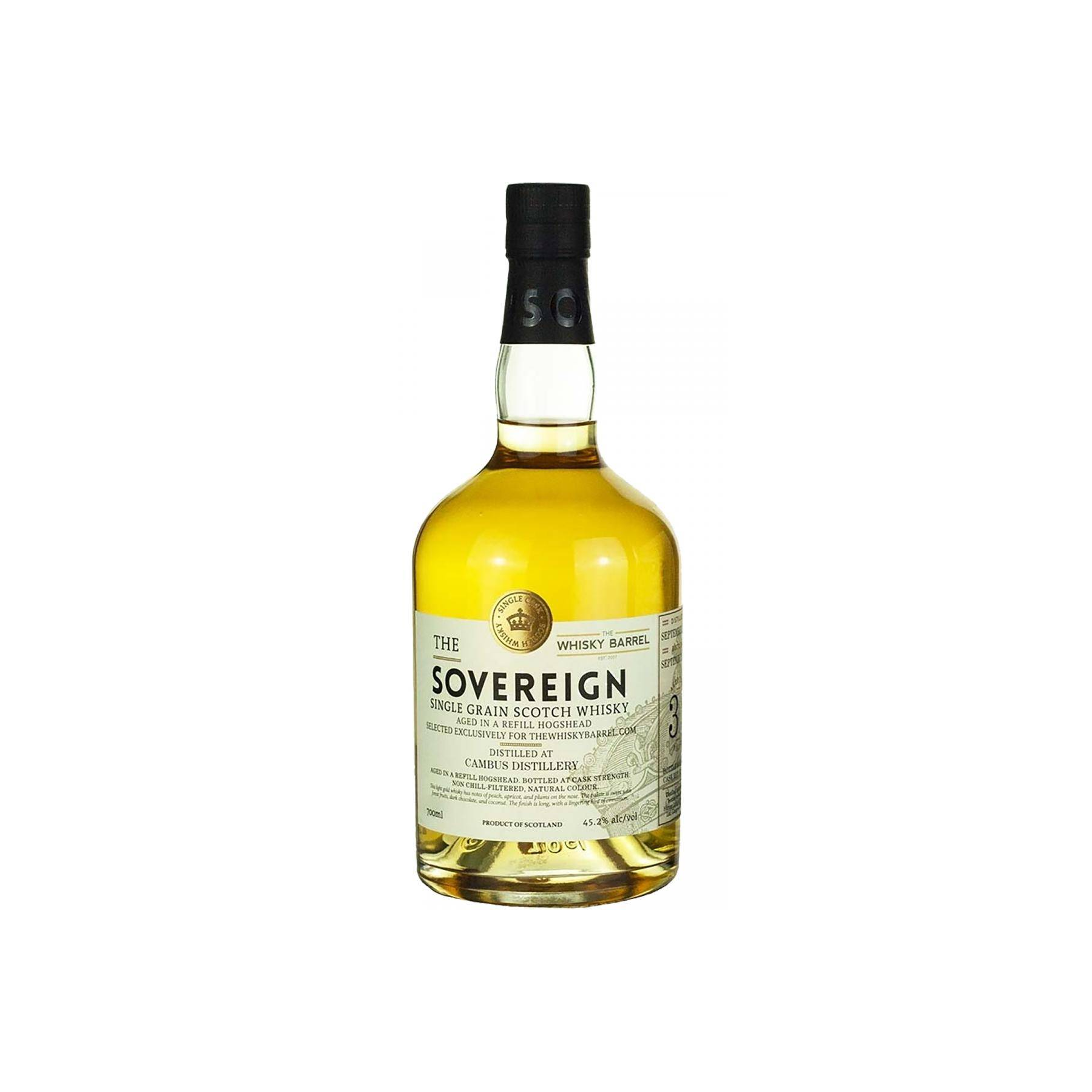
Cambus 1988 30 Years Single Grain Whisky
Cambus
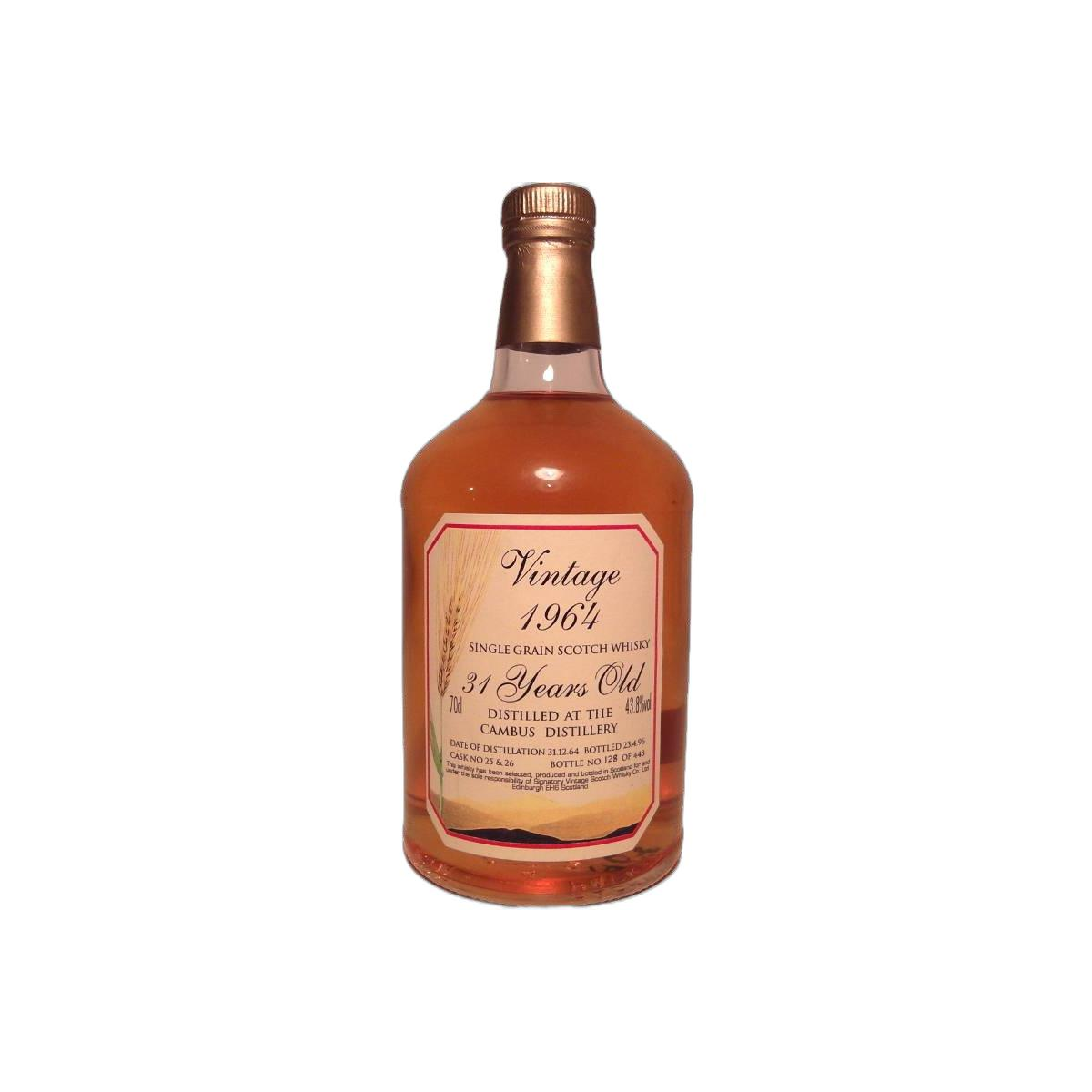
Cambus Vintage Collection - Dumpy 1964 31 Years Single Grain Whisky
Cambus
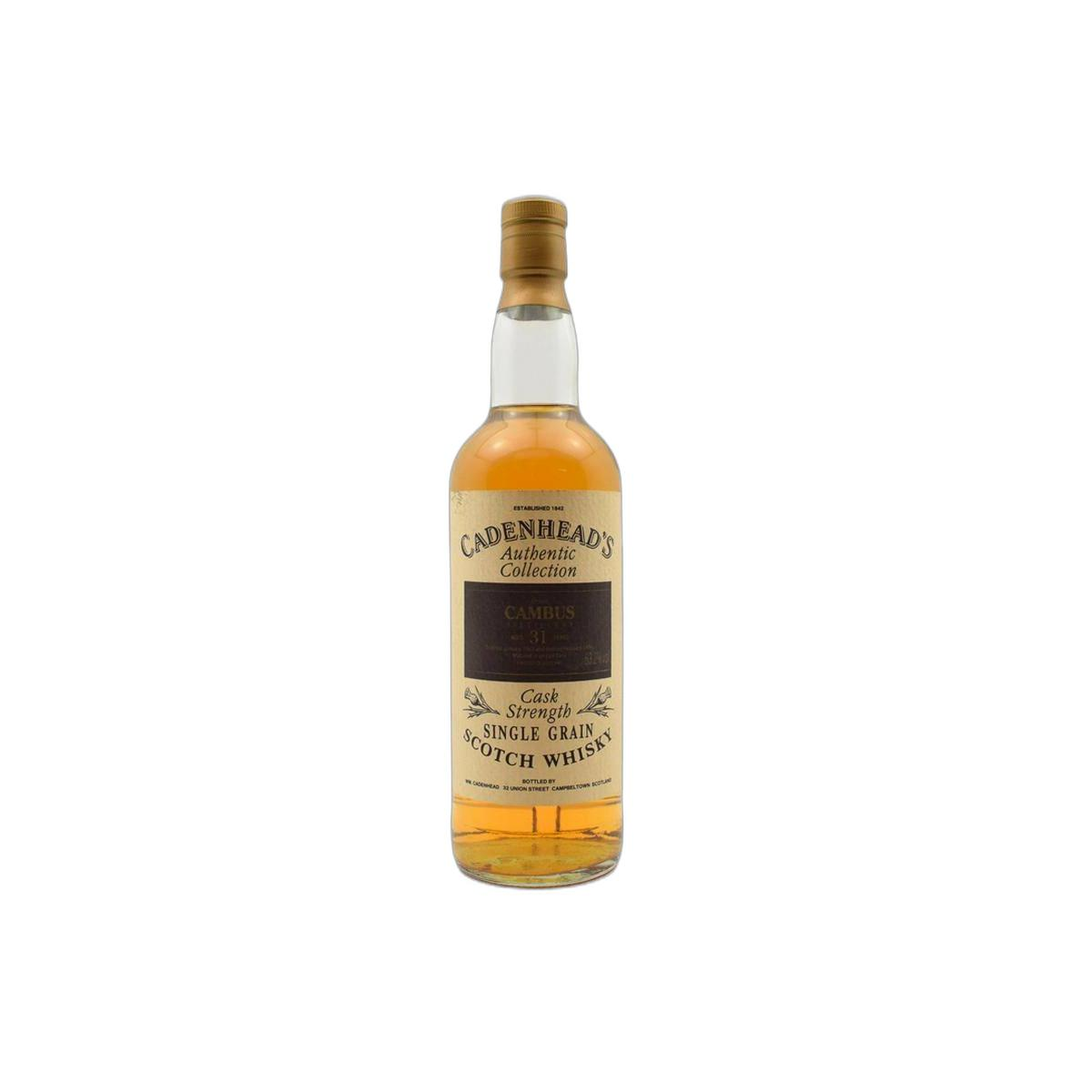
Cambus Authentic Collection 1963 31 Years Single Grain Whisky
Cambus