
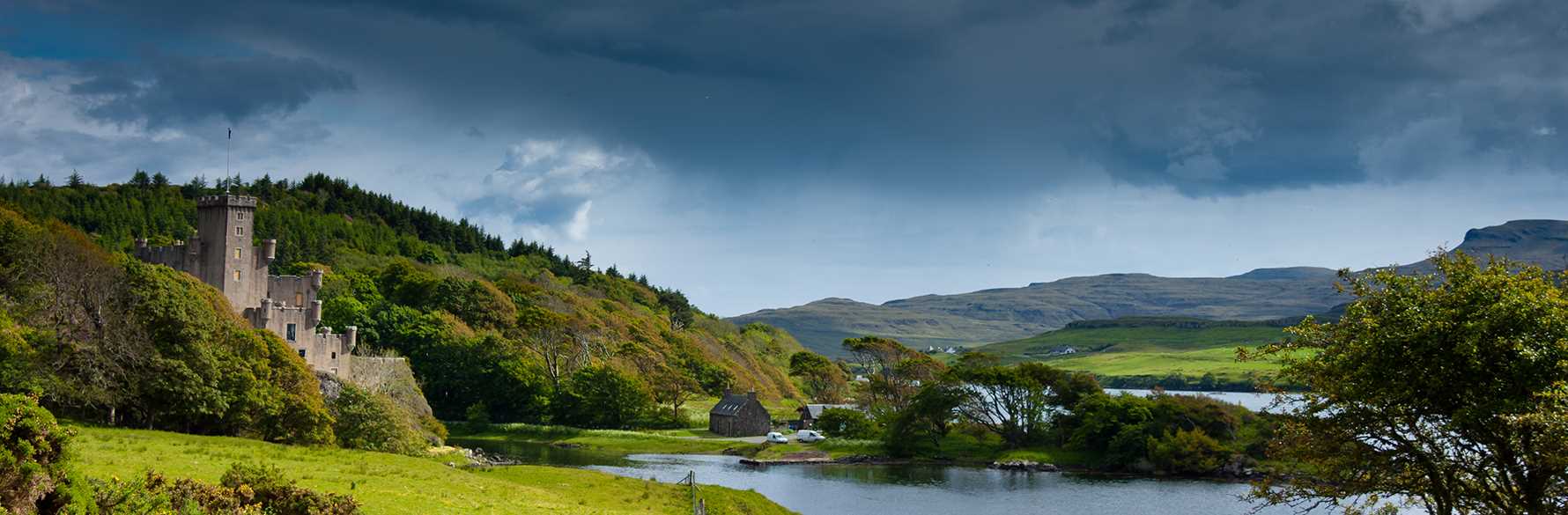

Teaninich
Teaninich Distillery stands in the industrial quarter south of Alness, a small Highland town north of Inverness that uniquely hosts two whisky produce...
Teaninich Distillery stands in the industrial quarter south of Alness, a small Highland town north of Inverness that uniquely hosts two whisky producers: the picturesque Dalmore on the Cromarty Firth, and the starkly functional Teaninich. When Alfred Barnard visited in 1896, he paradoxically described Teaninich as occupying a "beautiful situation" while merely noting Dalmore's "advantageous" position—a prescient observation that foreshadowed their divergent paths. During the 1970s whisky boom, Teaninich underwent massive expansion, briefly becoming Scotland's largest distillery by capacity. Its defining innovation came in 2000 when it became the first Scotch whisky distillery to install a Meura 2001 mash filter press, revolutionizing wort extraction. Unlike traditional mash tuns, Teaninich's Asnong mills grind malt to a husk-free flour, which is then mixed with water in their 7-ton mash conversion vessels. The resulting mash is compressed through filter cloths in the Meura press, yielding exceptional extraction efficiency and alcohol recovery, albeit with marginally lower milling efficiency compared to conventional roller mills. This unique system, shared only with Inchdairnie, positions Teaninich at the forefront of brewing technology in Scotch whisky. A £5 million expansion in 2015 doubled capacity, bringing the distillery to its current configuration: 18 traditional wooden washbacks and two stainless steel fermenters (75-hour fermentation), six stills in the original stillhouse (three converted wash stills) and six new wash stills in the annex, processing 16-28 mashes weekly to produce four million liters of spirit annually. The distillery's character is marked by its 10 Year Old expression in Diageo's Flora & Fauna series, while the 2017 Special Releases showcased a 17 Year Old matured in refill American oak, highlighting Teaninich's grassy, waxy, and delicately spicy profile that has made it a favorite among blenders and connoisseurs alike.
History
Teaninich is located in the Alness area, near the Munro estate. It was formerly called Ferindonald, derived from the Gaelic Fearainne Domnuill, meaning 'Donald's land'—associated with the clan chief who received land from Malcolm II (1005-1034) to defend against Nordic invaders. The name 'Teaninich' comes from the Gaelic Taigh an Aonaich, meaning 'house on the hill.' Hugh Munro owned Teaninich House and built the distillery in 1817 with the support of local lairds, who were determined to eradicate widespread illegal distillation in the county and provide farmers with a legitimate outlet for growing and selling barley. This measure only partially achieved their goal: three of the four legal distilleries established in Ross-shire at that time failed. The distillery's rights were inherited by General John Munro, a long-time resident of India, who leased the site to Robert Pattison (1850) and later to John McGilchrist Ross (1869). General Munro was a model landlord. During the 'Hungry Forties,' he not only financially assisted his impoverished tenants but also 'alleviated their distress through daily personal visits, by providing medicines, meal, and other foodstuffs, and fuel for warming during the severe winter months' (New Statistical Account, 1845). Ross relinquished the lease in 1895, and it was taken over by Elgin whisky merchants Munro & Cameron. They expanded and renovated Teaninich distillery in 1899, and in 1904 Innes Cameron became sole proprietor. Upon his death in 1932, his trustees sold the distillery to S.M.D. (D.C.L.). Due to wartime restrictions on barley supplies, the distillery closed from 1939 to 1946, but has maintained continuous production throughout its long history (except for 1985-1990). The distillery's stillhouse was rebuilt in 1962, adding a second pair of stills—a pair of 'tiny stills'—bringing the total to four stills, all converted to internal heating. In 1970, a completely new stillhouse with six stills was built alongside the original, which was standard for S.M.D. distilleries at the time (see Linkwood, Glendullan, Brora/Clynelish, Glenlossie/Mannochmore). It was simply called Side A; three years later the company rebuilt the original distillery's (Side B) milling, mashing, and fermentation rooms, and in 1975 built a draff plant within the distillery. Teaninich was then S.M.D.'s largest distillery, with a capacity of 6 million litres of pure alcohol (LPA). Sides A and B operated separately, with their spirits mixed into casks before maturation. Side B was mothballed in 1984 and retired in 1999. Between 2014-2015, the distillery's capacity increased from 6 million to 10 million LPA with the installation of new mashing and distillation equipment, including a larger mash tun and mash filter, ten new washbacks, three new wash stills, and converting three existing wash stills to spirit stills. The group also announced plans to build a completely new distillery at a nearby location, which would increase Teaninich's capacity to 13 million LPA, but this project was shelved in October 2014 due to market downturns in China and South America.
Curiosities
Benrinnes distillery's story begins with Hugh Munro, the 'Blind General' who lost his sight in the Napoleonic Wars at age 24. Later, Innes Cameron—who held stakes in Benrinnes, Linkwood, and Tamdhu—chaired the Malt Distillers Association. But its modern distinction is unique: since 2000, Benrinnes has been one of only two Scotch distilleries (alongside InchDairnie) using a hammer mill for grinding and a mash filter press instead of a traditional mash tun. This brewing technology requires three press cycles (two hours each) to fill a single fermenter, producing a distinctively clean, refined spirit.
Timeline
Captain Hugh Monro (Owner of Teaninich Estate) founded the distillery
Captain Munro sold the estate to his brother John.
John Munro, residing long-term in India, left Teaninich Estate to the unknown Robert Pattison from Leith
John McGilchrist Ross took over the distillery
Munro & Cameron took over the distillery
Munro & Cameron acquired the distillery
Robert Innes Cameron became the sole owner of the distillery
Robert Innes Cameron passed away
The estate of Robert Innes Cameron sold the distillery to Distillers Company Limited
Six new stills were put into operation and became Sub-distillery A of the distillery
Dark grains plant was built and put into operation
Sub-distillery B went dormant
Sub-distillery A resumed production
United Distillers launched Linlithgow 10 Year Old under the Flora & Fauna series
Sub-distillery B ceased production
Mash filter installed
Launched Linlithgow 1996 Single Cask under the Manager's Choice series
Distillery expansion; six brand new stills installed; production capacity doubled
Diageo launched Linlithgow 17 Year Old under the Rare & Precious Limited Edition series
Hot Search Whiskies
Showing top 10
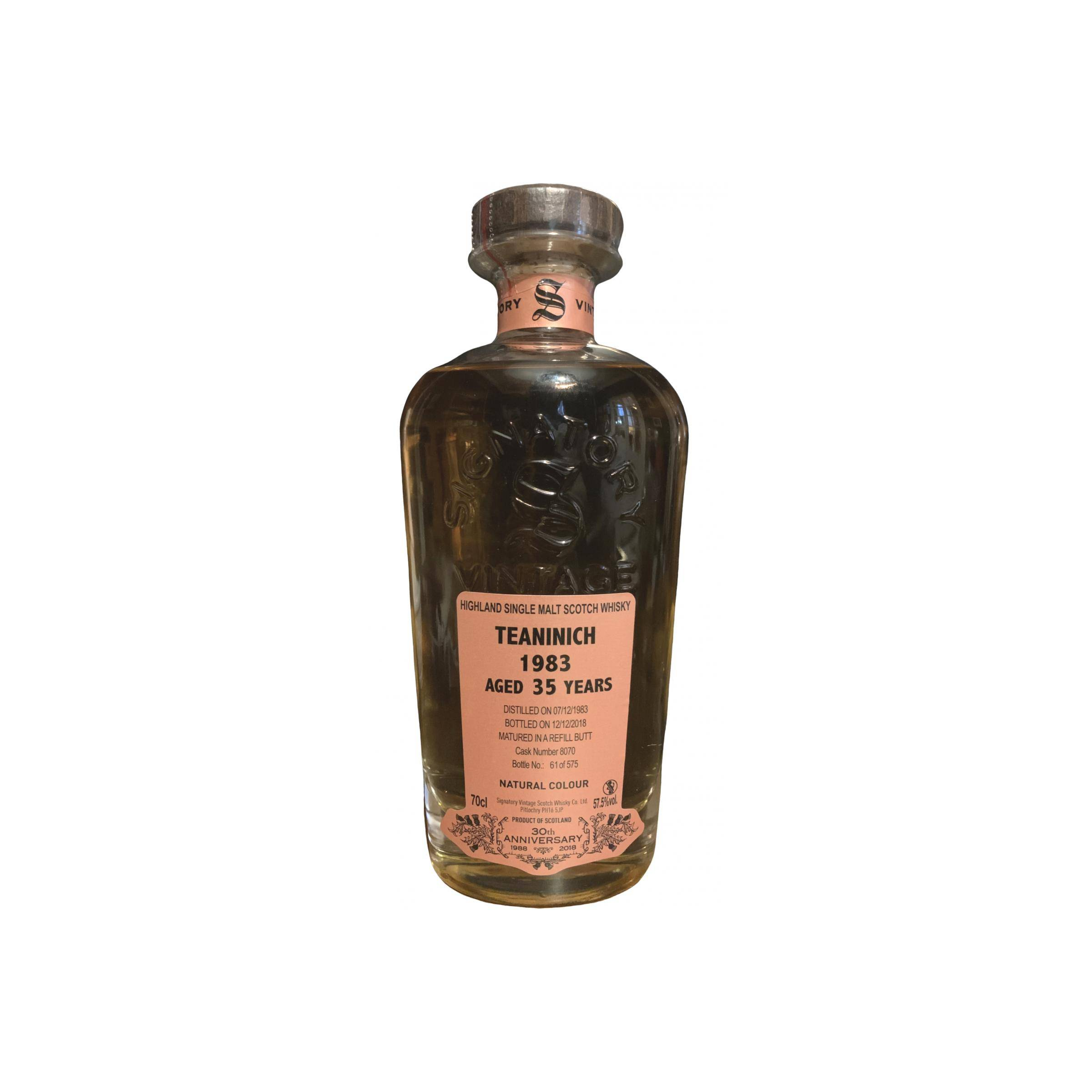
Teaninich 1983 35 Years Single Malt Whisky
Teaninich
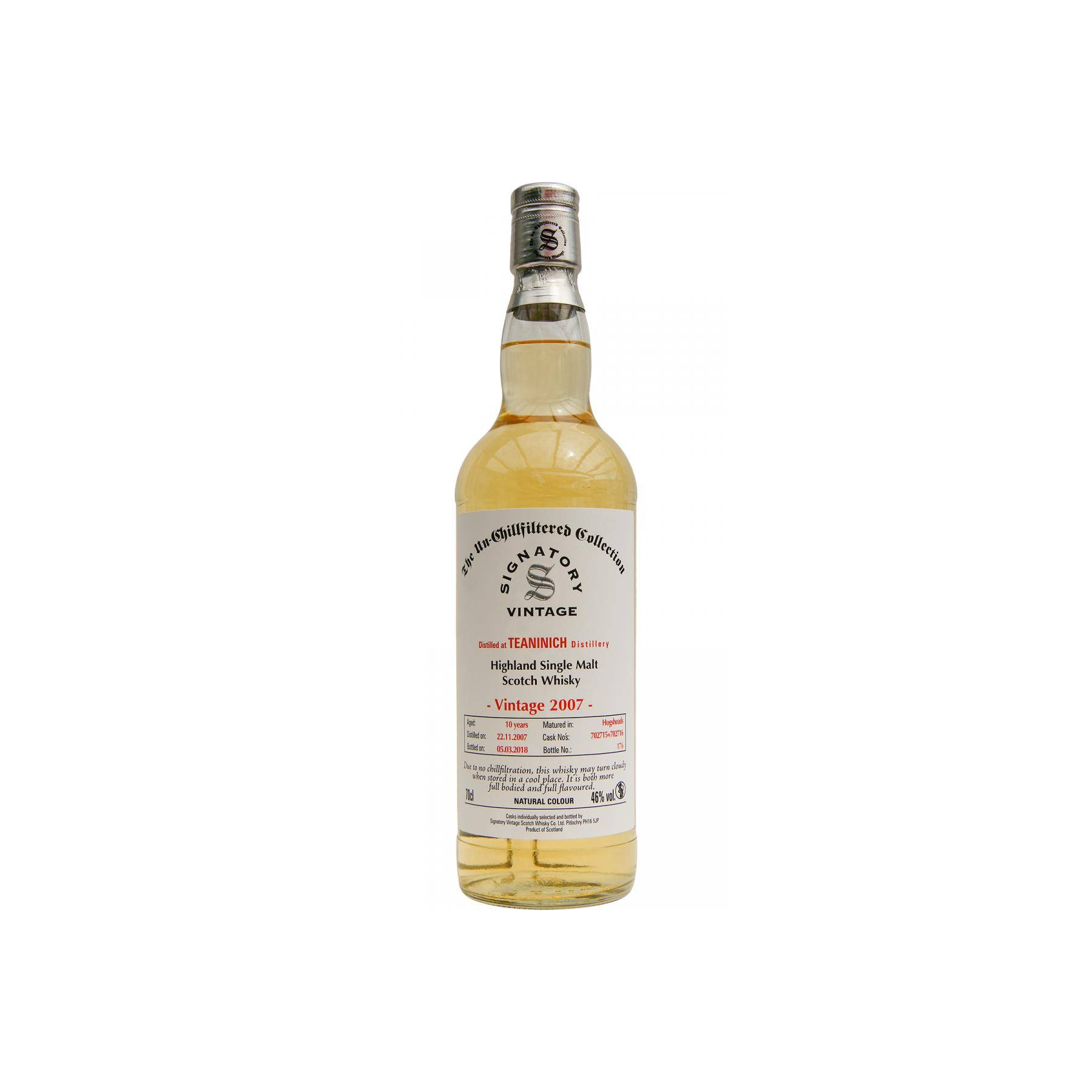
Teaninich The Un-Chillfiltered Collection 2007 10 Years Single Malt Whisky
Teaninich
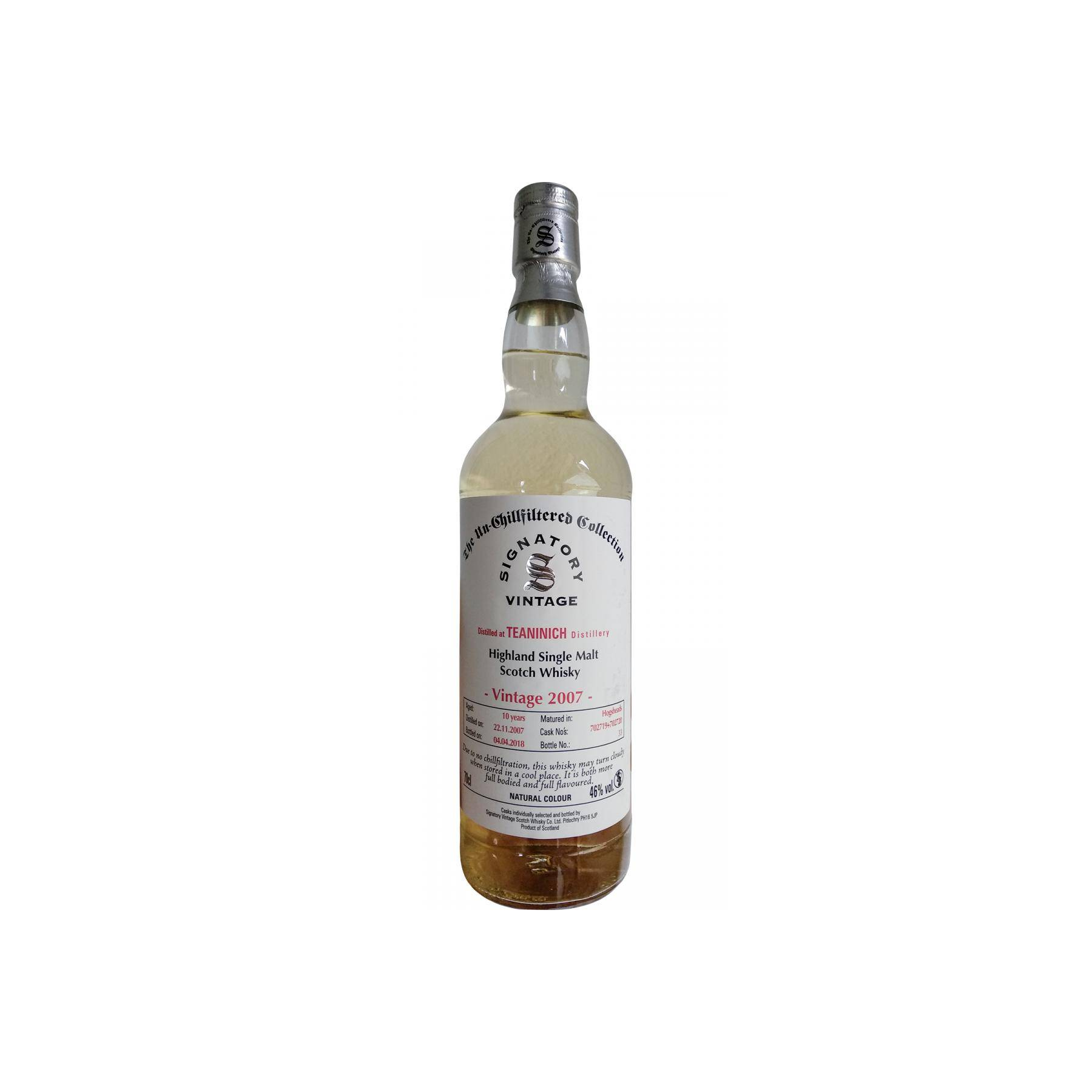
Teaninich The Un-Chillfiltered Collection 2007 10 Years Single Malt Whisky
Teaninich
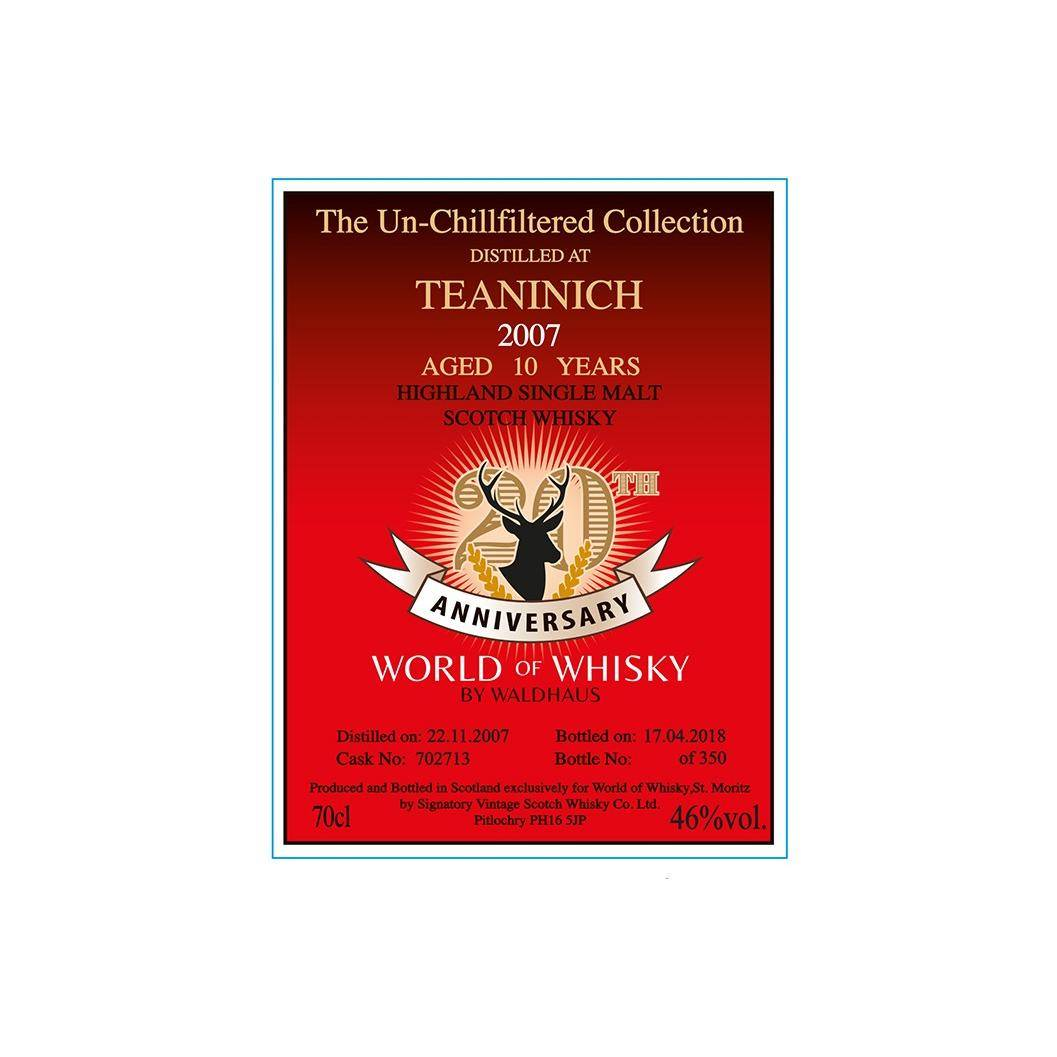
Teaninich The Un-Chillfiltered Collection 2007 10 Years Single Malt Whisky
Teaninich
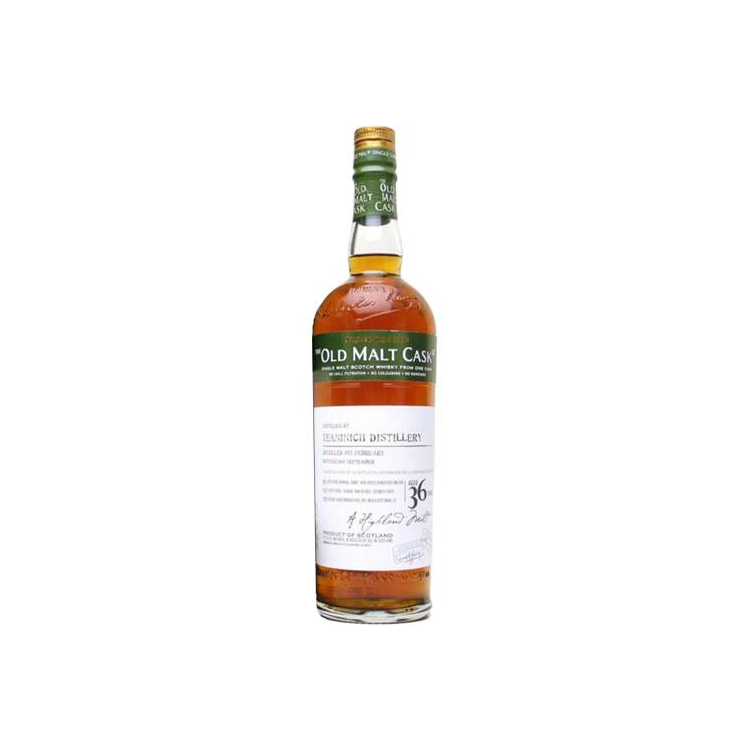
Teaninich Old Malt Cask 1971 36 Years Single Malt Whisky
Teaninich
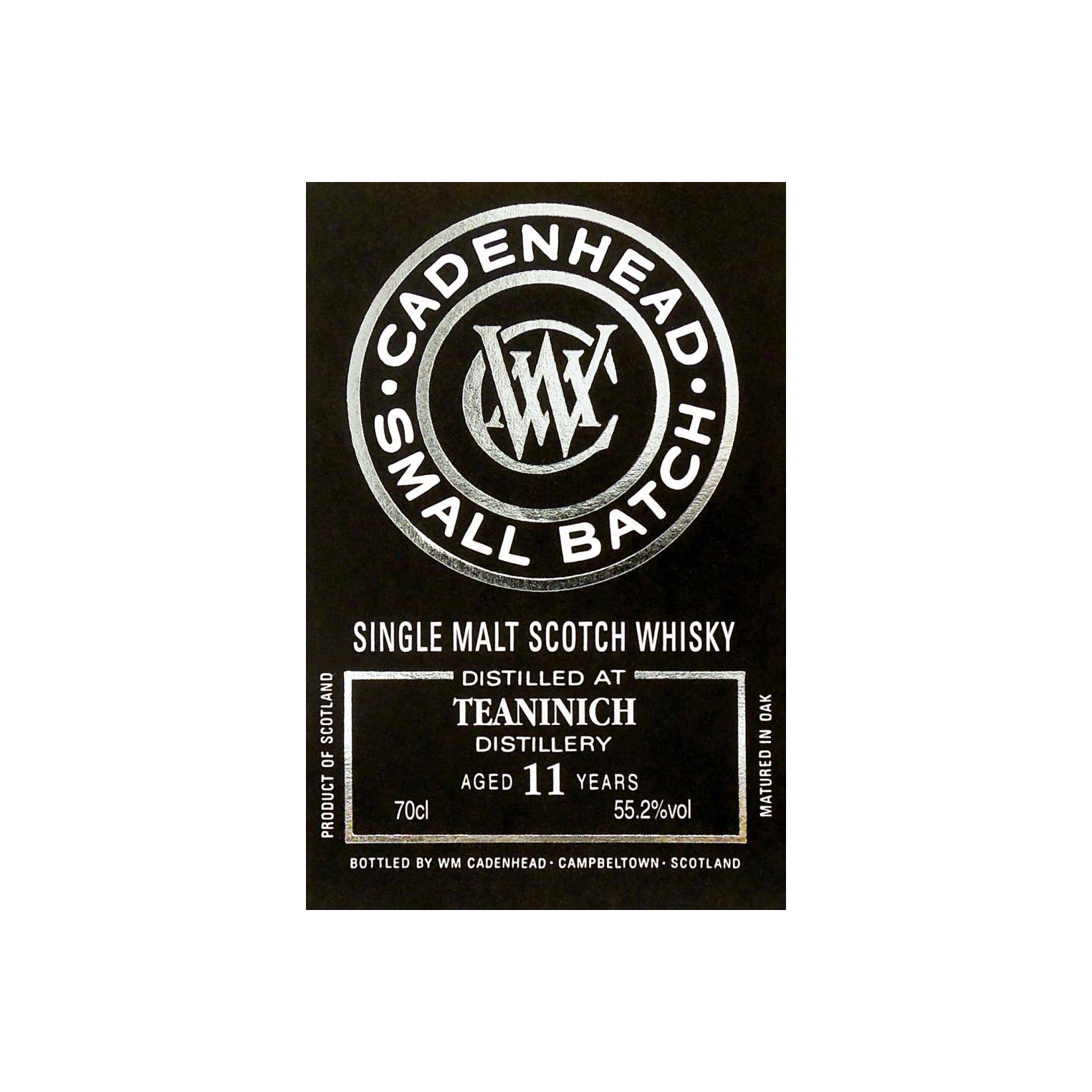
Teaninich Small Batch 2006 11 Years Single Malt Whisky
Teaninich
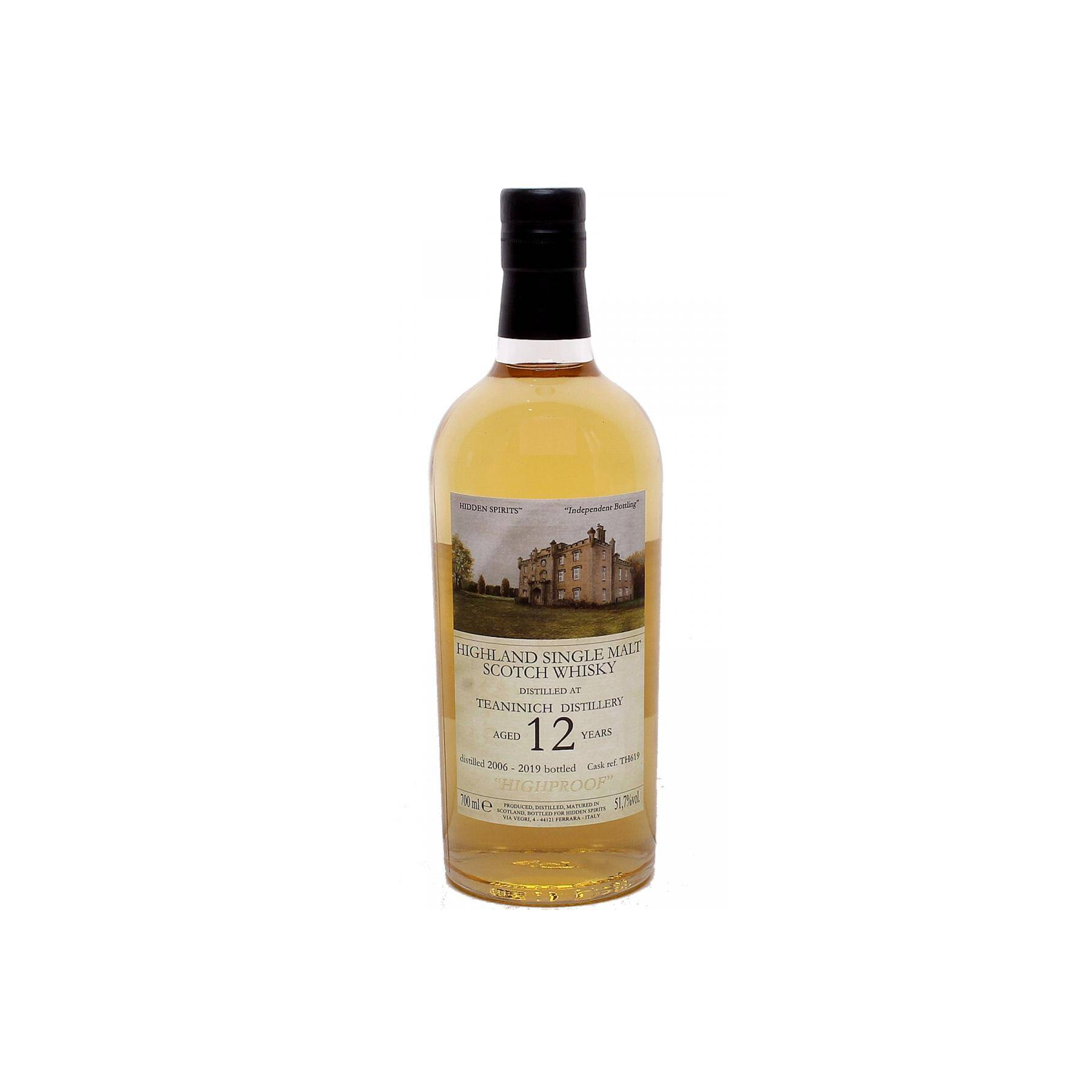
Teaninich 2006 12 Years Single Malt Whisky
Teaninich
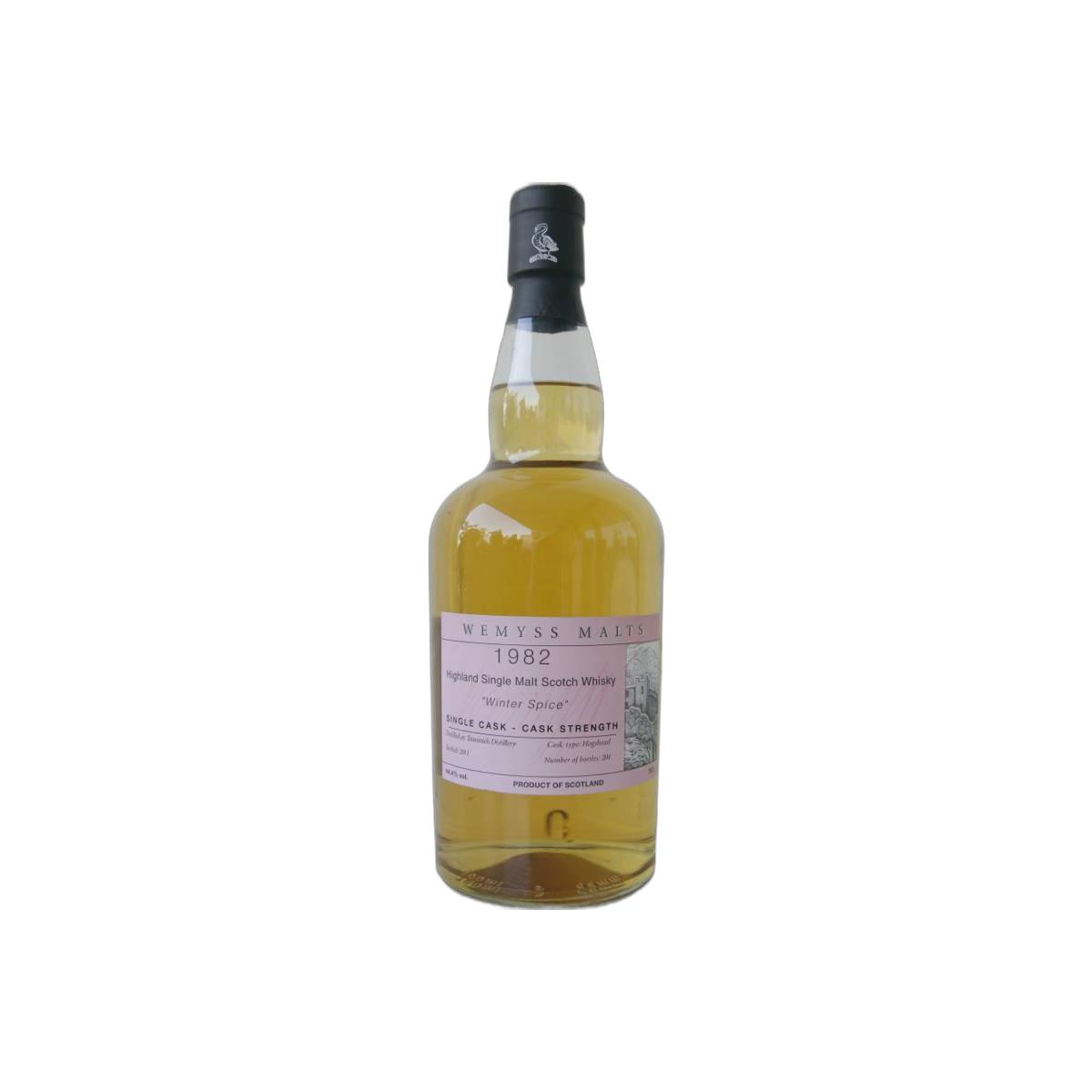
Teaninich 1982 29 Years Single Malt Whisky
Teaninich
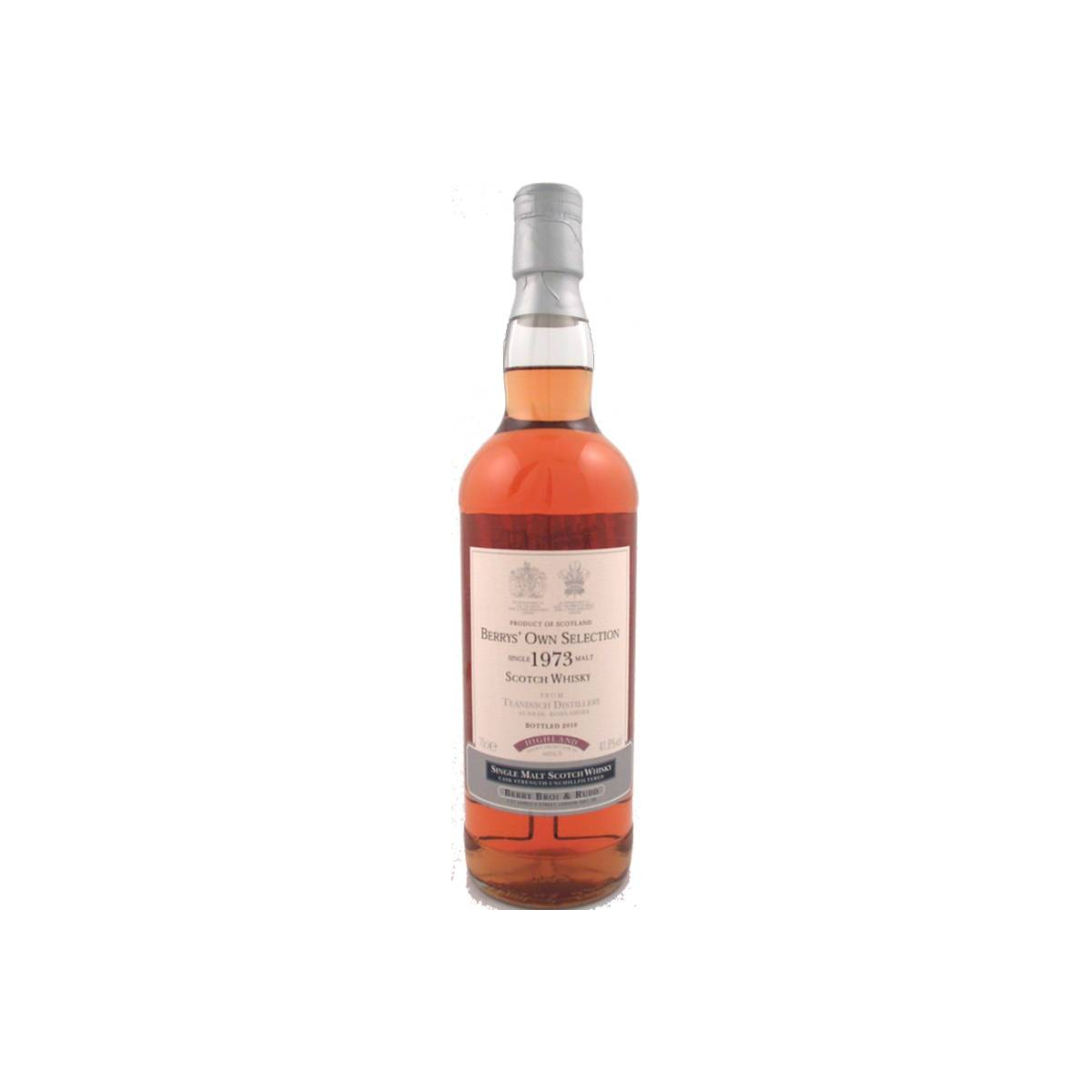
Teaninich 1973 36 Years Single Malt Whisky
Teaninich
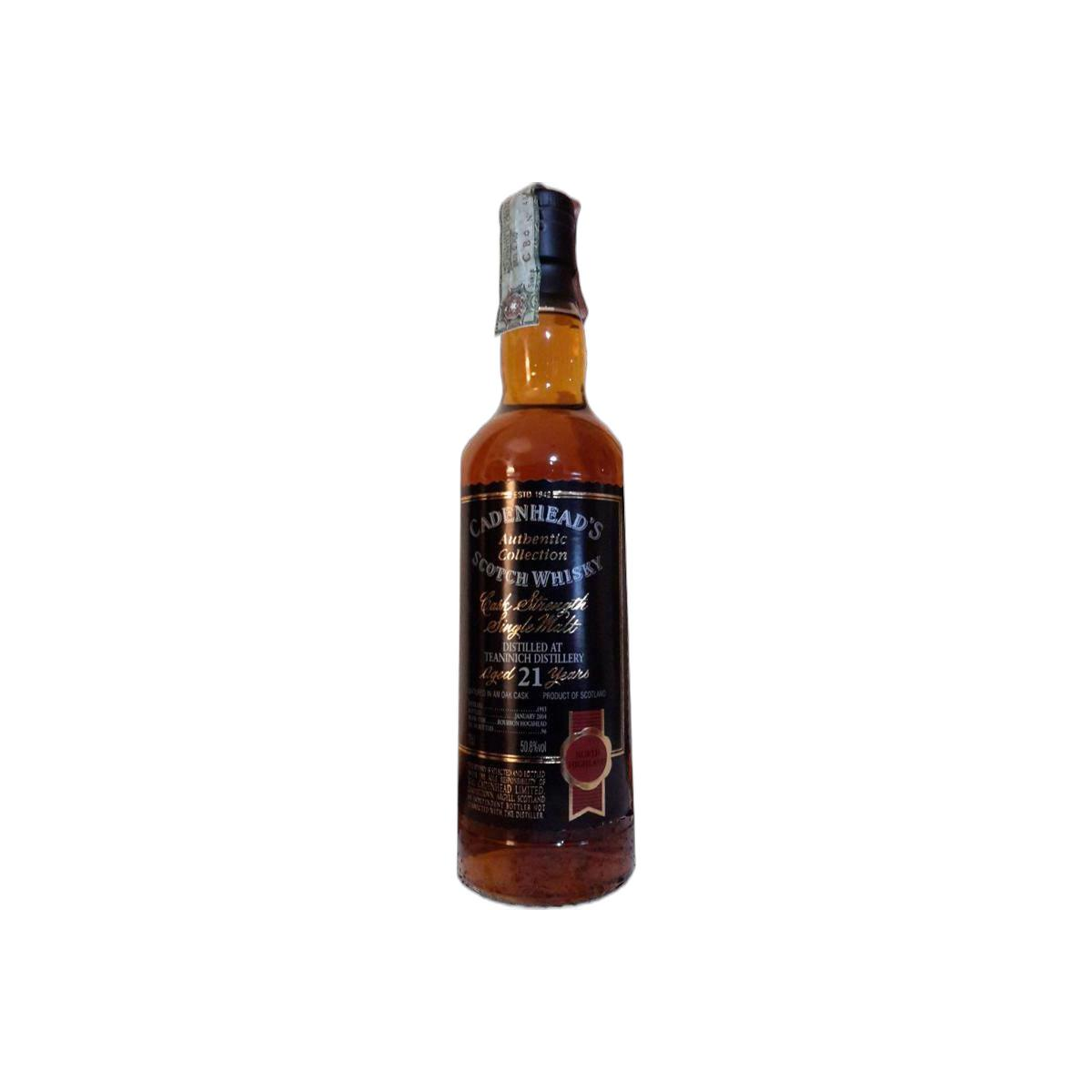
Teaninich Authentic Collection 1983 21 Years Single Malt Whisky
Teaninich