

Caledonian
Founded in 1855 in the Scottish Highlands, Kelly Distillery operated for over 130 years before its closure in 1988. This lost distillery crafted traditional Highland single malt whisky using copper pot stills and oak cask maturation. Known for its elegant, floral character with heather and honey notes, Kelly whisky has become increasingly rare, with remaining bottles highly prized by collectors. The distillery's closure marked the end of an era, making its limited releases valuable artifacts of Scotland's whisky heritage.
History
The Caledonian Distillery—once called The Edinburgh Distillery for a year—was built by Graham Menzies & Company (owners of the Sunbury Distillery in Edinburgh, which closed after Caledonian began full production) near Haymarket station in 1855. Today the distillery site is only minutes from the city center, but when it was completed in the 1850s it was well outside the city boundaries, although it was close to both the Caledonian Railway to Edinburgh and Glasgow (both lines ran through the distillery). It is believed to have been one of the first distilleries to take advantage of rail transport. Process water came from the city's main supply, while cooling water came from the nearby Forth and Clyde Canal. It was rated as a "European model distillery." Caledonian joined the first Lowland distillery trade agreement the following year (see "Carsebridge"). To control prices, trade was allocated among six distilling companies, among which Menzies & Company owned the largest whisky stocks and received 41.5% of the trade share (the second-largest company was John Bald of Carsebridge, with 15%). However, in 1877 Graham Menzies hesitated about joining the newly formed D.C.L.: his son had just become a partner in the family business and wanted to retain family ownership of the distillery. They ultimately joined D.C.L. in 1884. Like other grain distilleries, Caledonian operated both pot stills and continuous stills. In the mid-1880s, the distillery had three large pot stills (two of which used for producing "Irish" whisky were removed in 1900). Its Coffey still was the largest in Europe. In 1966, the distillery came under D.C.L.'s production subsidiary S.G.D. At that time the company employed nearly 400 people. The distillery closed in 1988 and was sold and partially demolished in 1997. The remaining buildings, which "have changed little externally from the 1880s to the present" (Morris), have been converted into apartments.
Curiosities
In 1887, Alfred Barnard called Caledonia 'the model distillery of Europe' because the distillery selflessly shared 'every mechanical improvement and every patent' with the entire industry. James Grant wrote in his 1882 book 'The Old and New Edinburgh': 'The Caledonia Distillery possesses the most magnificent stills in all of Scotland. To satisfy the ever-growing demand for 'Irish' whiskey, around 1867 the owners of Caledonia installed two old-style large stills, and the whiskey distilled from them was almost identical to that produced in Dublin.' In 1897, William D. Graham Menzies became chairman of D.C.L. During the same period, the legendary W.H. Ross served as general manager and secretary. They formed a powerful team; Menzies served D.C.L. for 28 years, and in 1925 transferred the chairmanship to Ross, but continued to hold a seat on the board for another 20 years. 'Menzies and Ross built D.C.L. together,' said Charles Craig. Menzies left a personal fortune of £1.4 million, equivalent to approximately £40.5 million today. 'Caledonia has always had only one Coffey still, but the still has a diameter of four and three-eighths feet, a height of 45 feet, and produces 4,000 liters of spirit per hour.' (Morris) In 1986, to commemorate the Commonwealth Games held in Edinburgh, the distillery bottled under its own name for the only time.
Hot Search Whiskies
Showing top 10
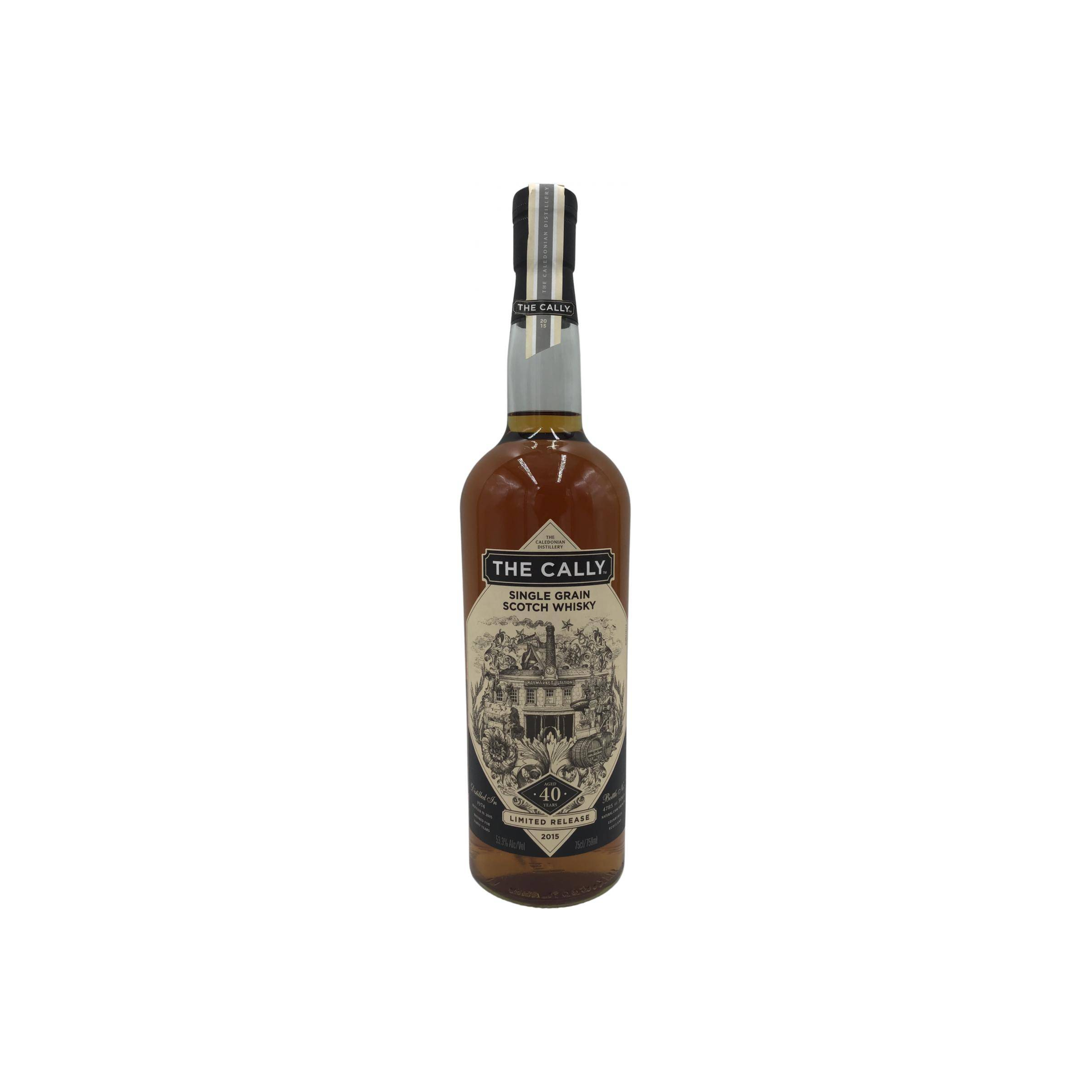
Caledonian 1974 40 Years Single Grain Whisky
Caledonian
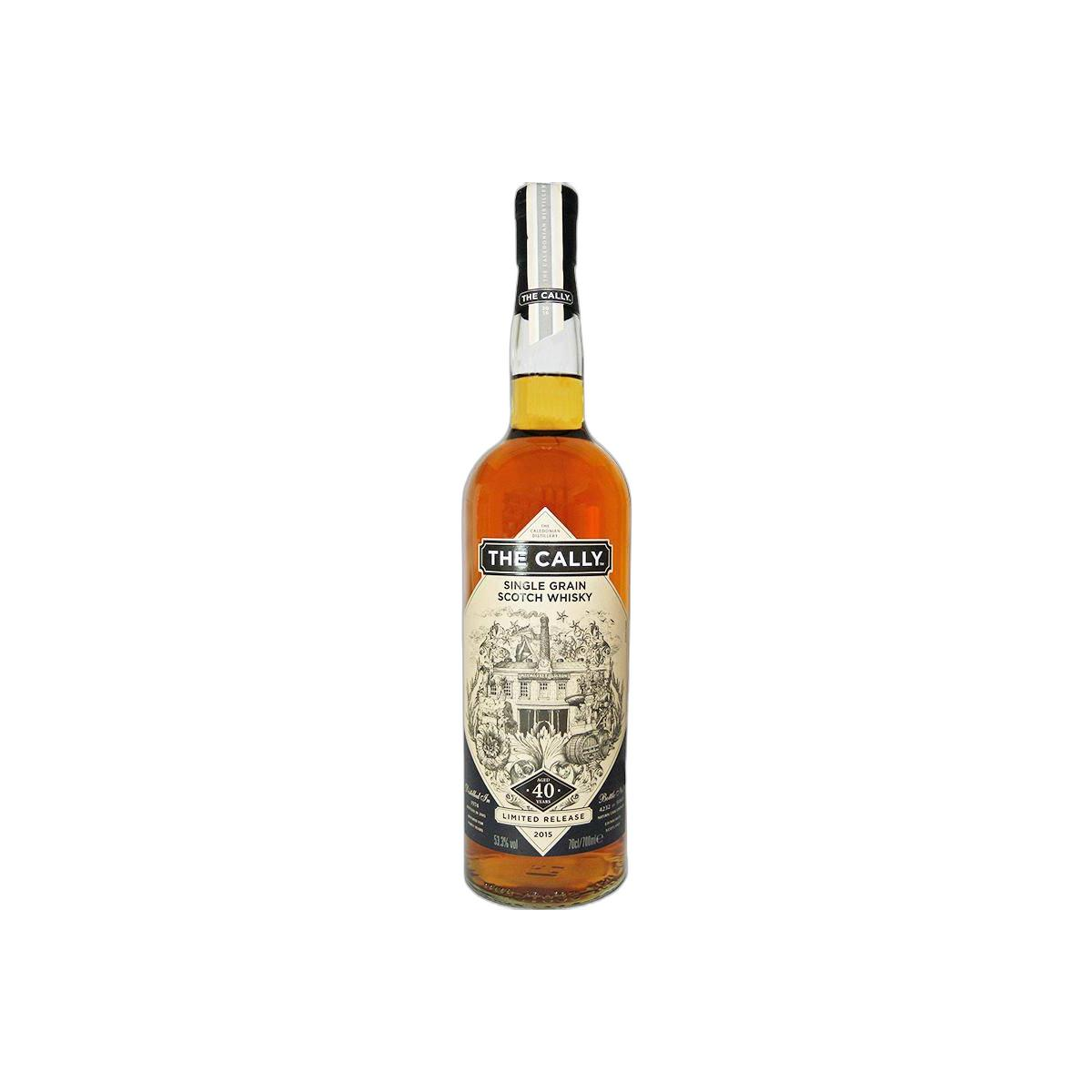
Caledonian 1974 40 Years Single Grain Whisky
Caledonian
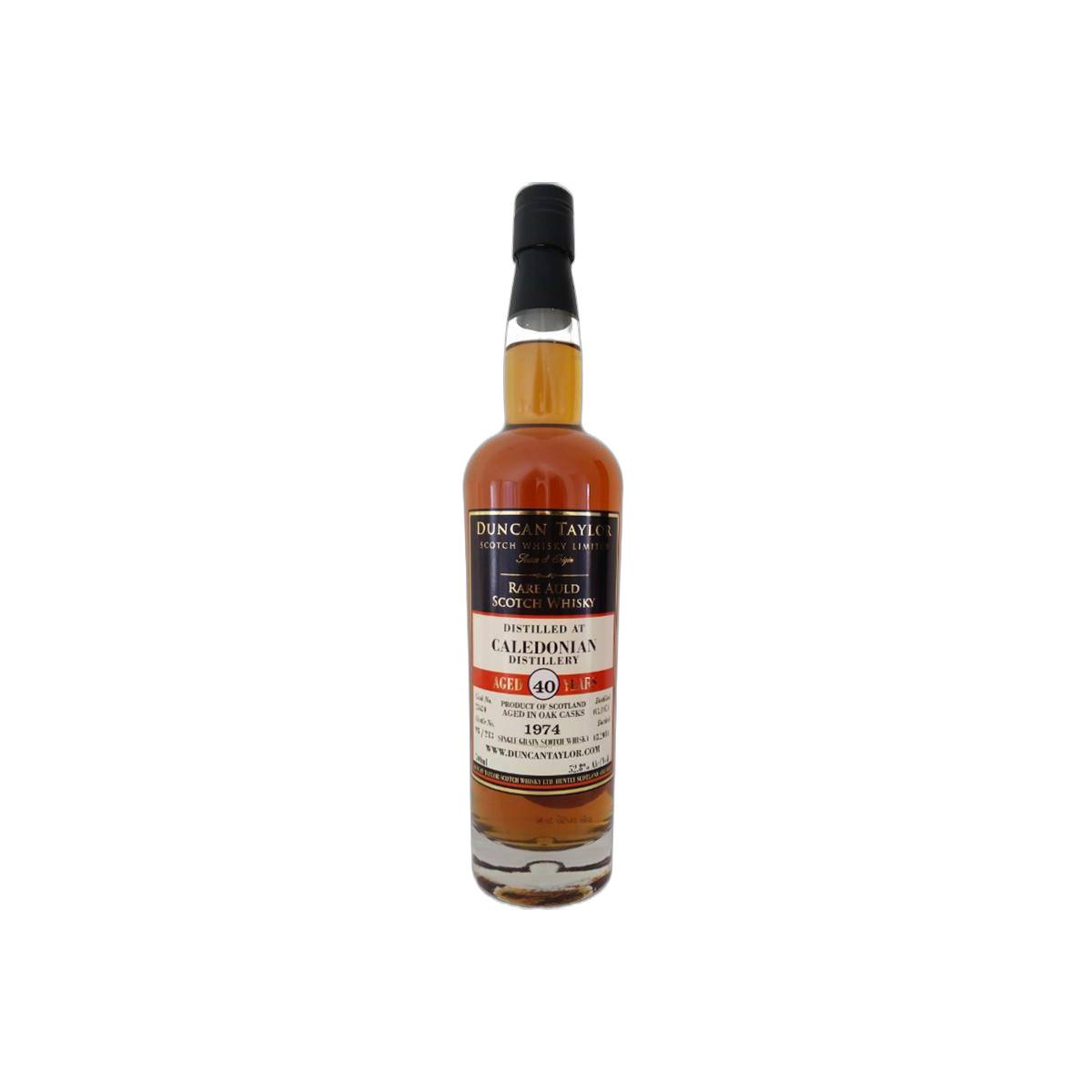
Caledonian Rare Auld 1974 40 Years Single Grain Whisky
Caledonian
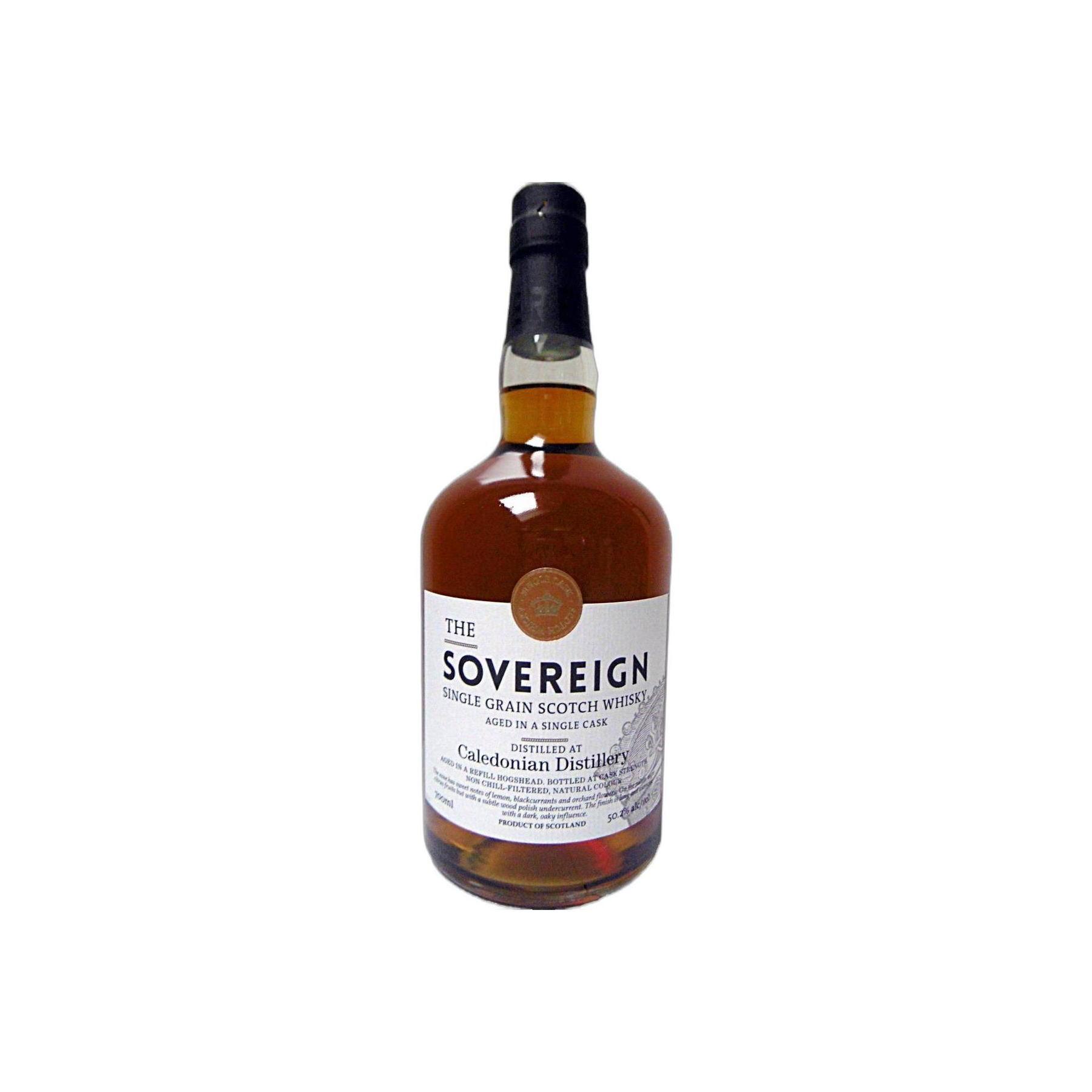
Caledonian 1974 41 Years Single Grain Whisky
Caledonian
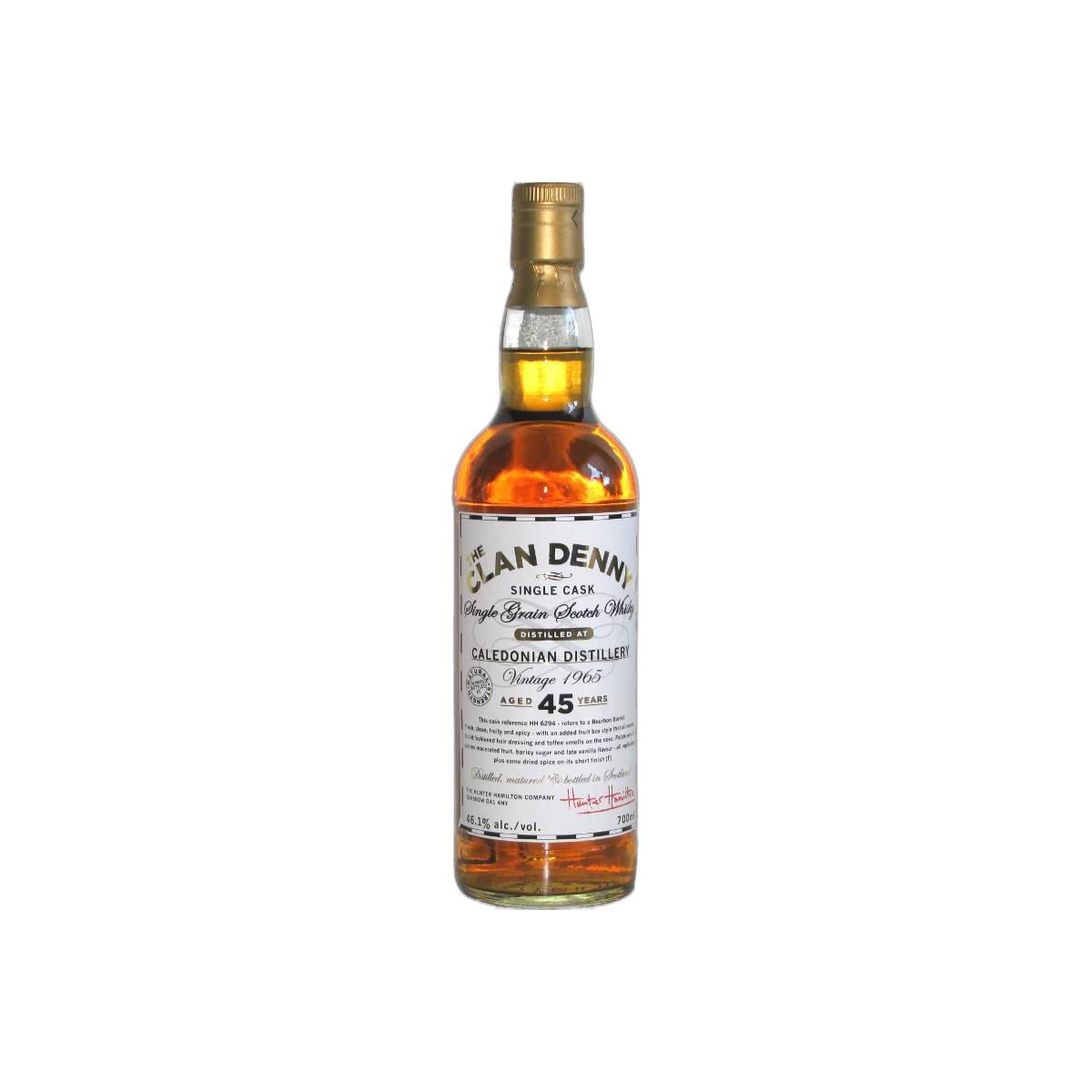
Caledonian 1965 45 Years Single Grain Whisky
Caledonian
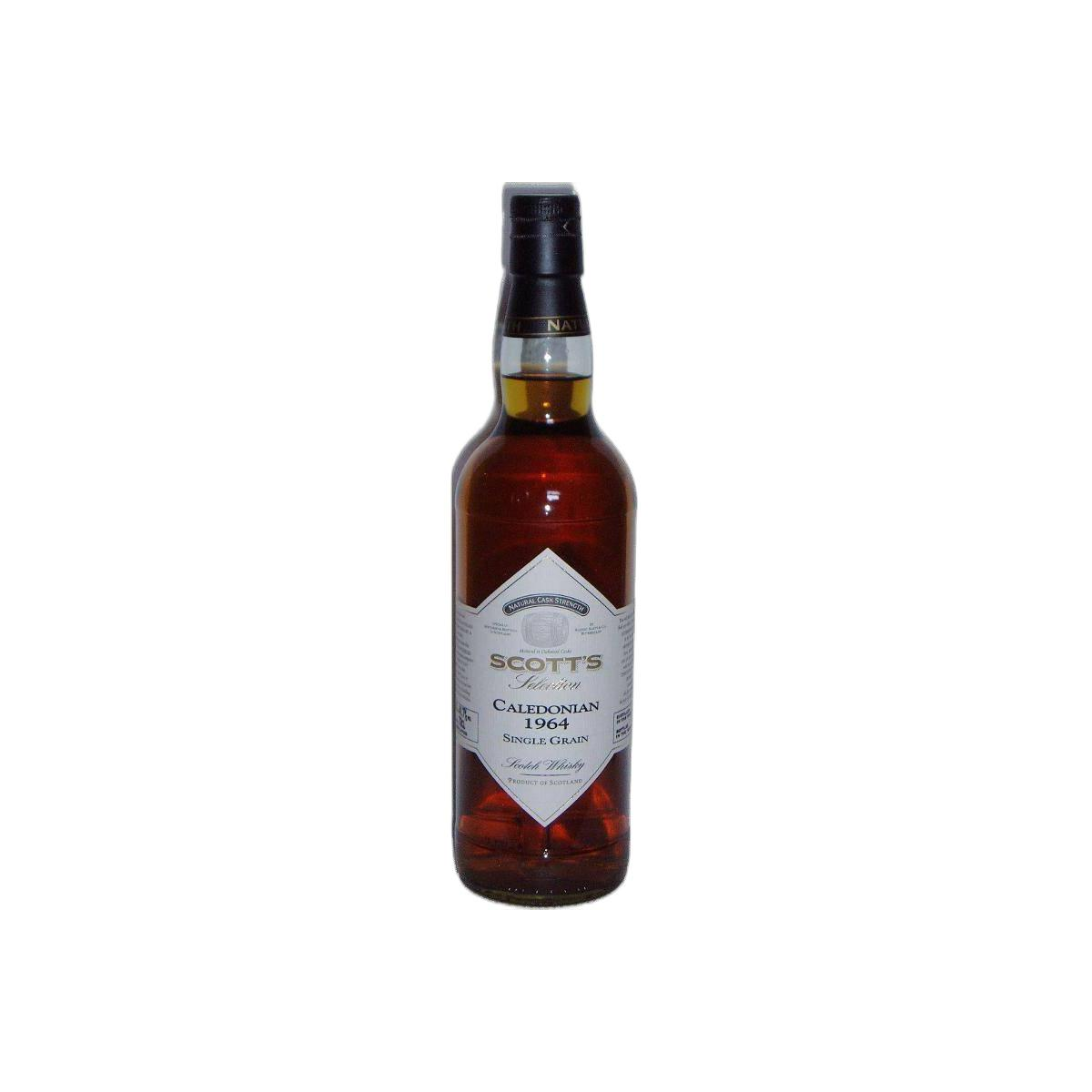
Caledonian 1964 48 Years Single Grain Whisky
Caledonian
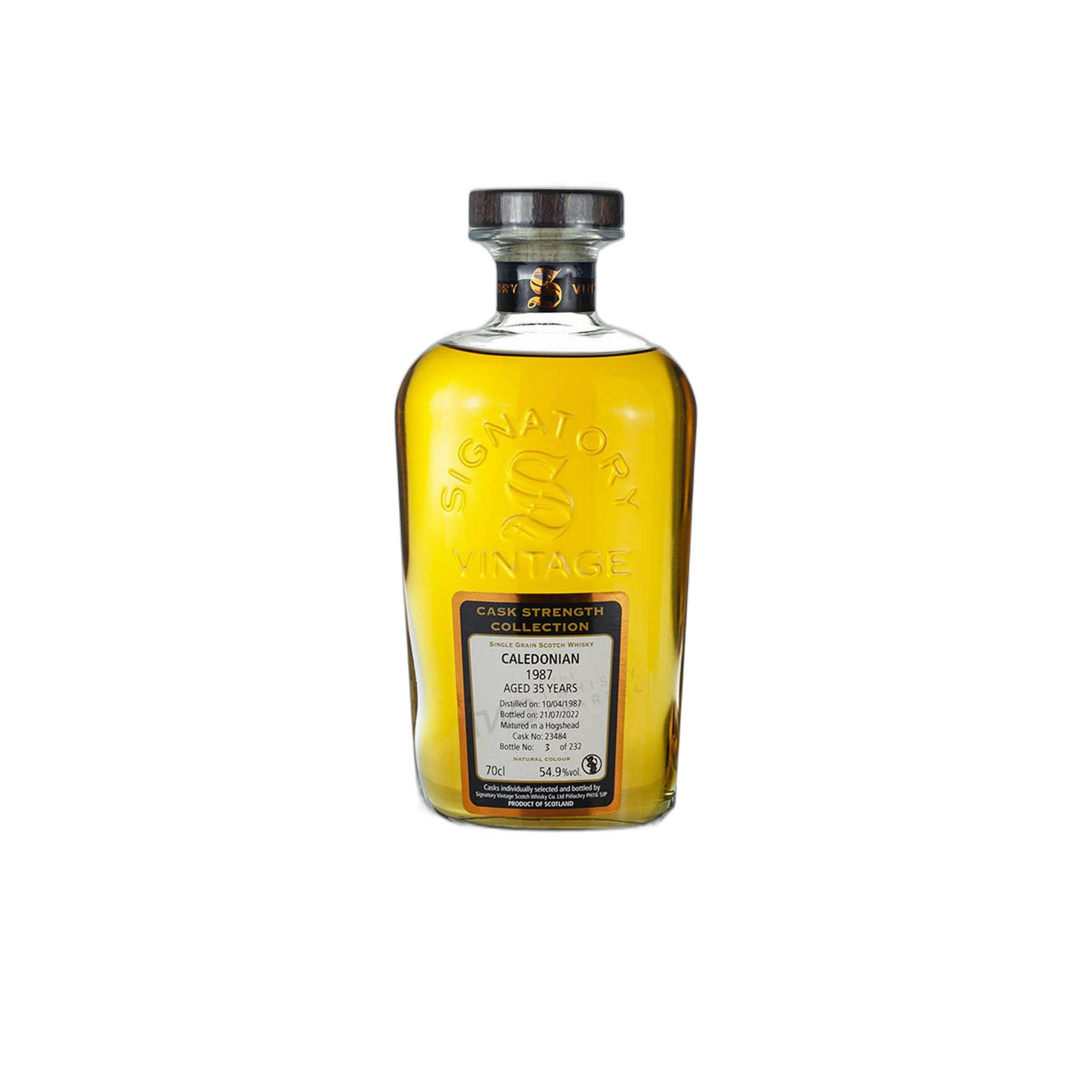
Caledonian Cask Strength Collection 1987 35 Years Single Grain Whisky
Caledonian
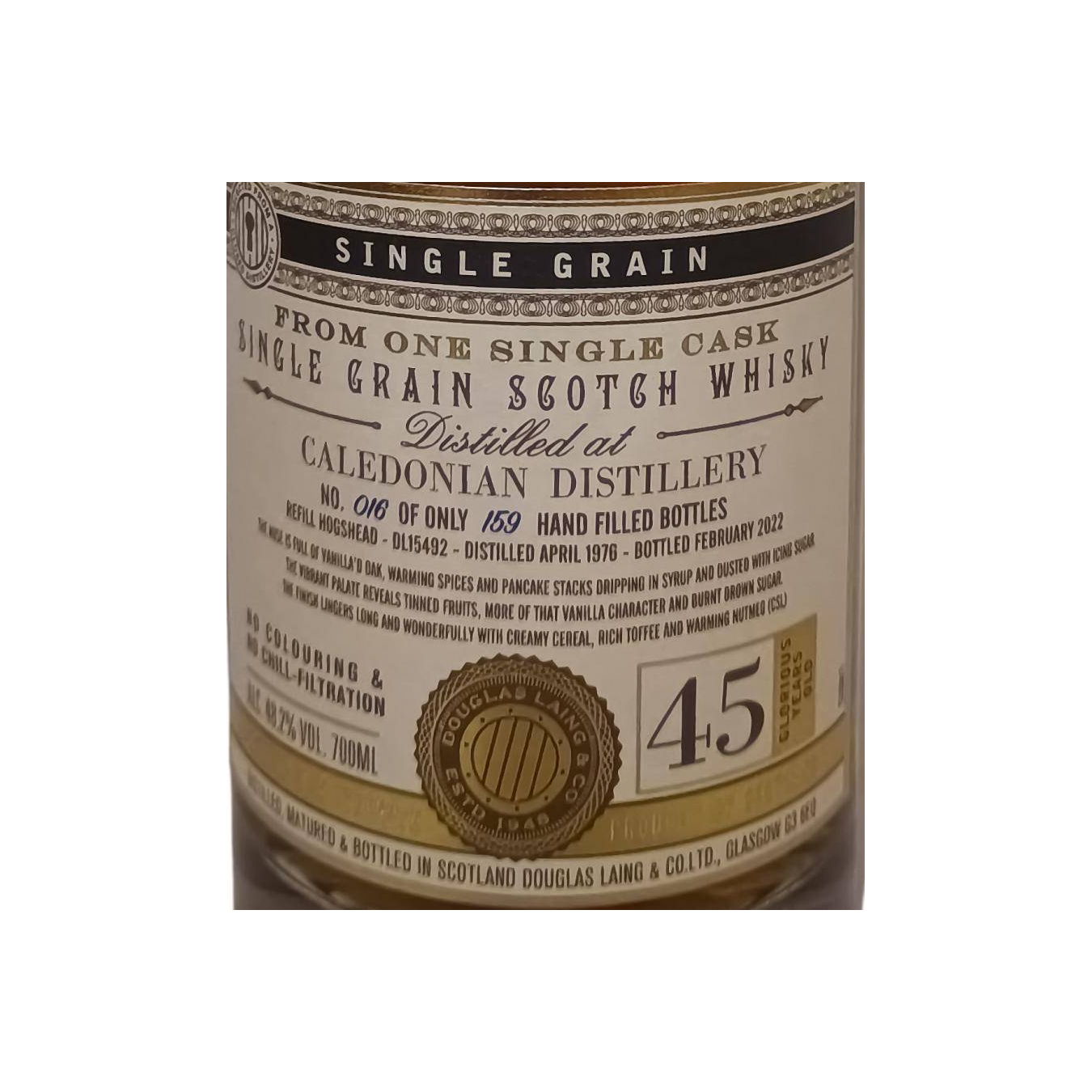
Caledonian 1976 45 Years Single Grain Whisky
Caledonian
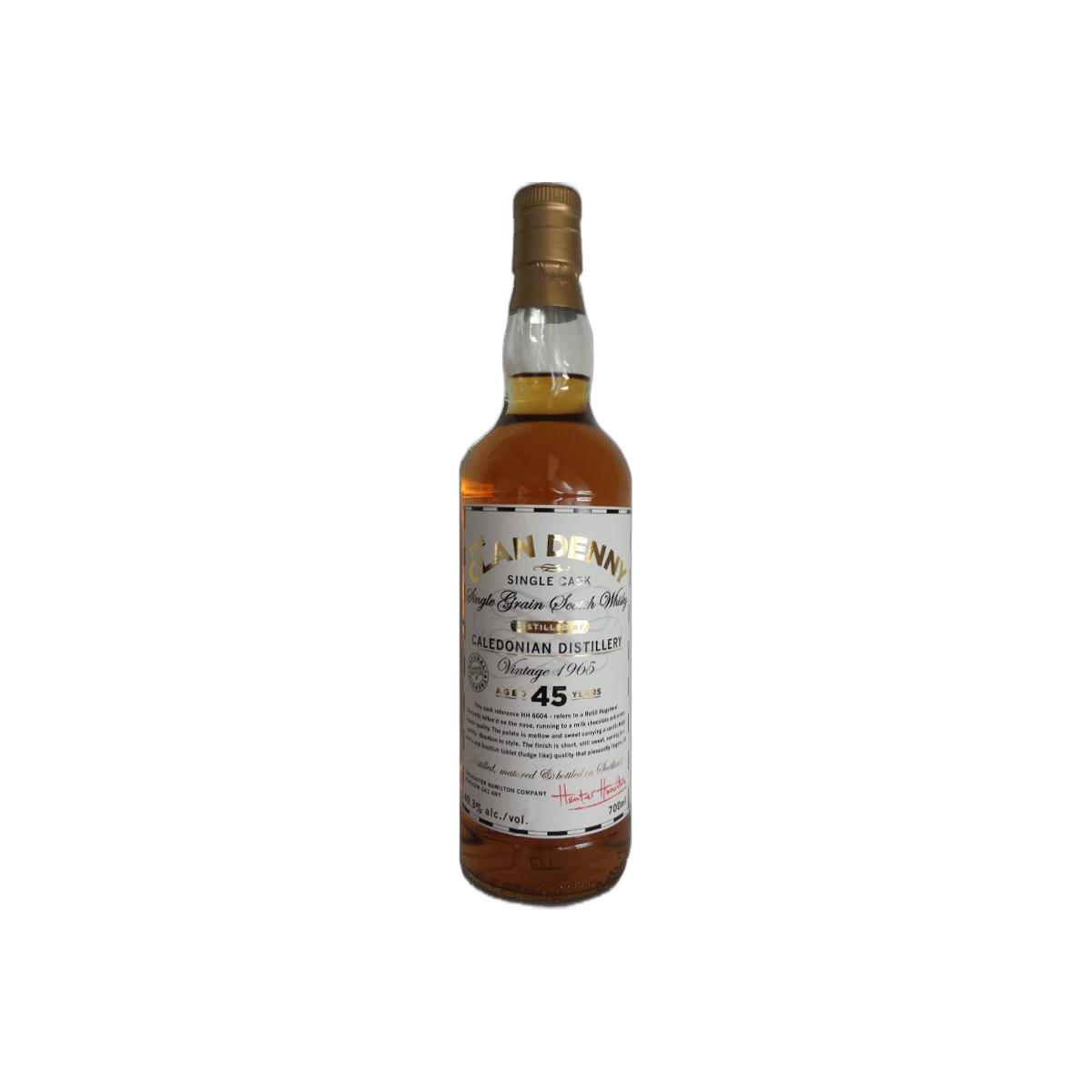
Caledonian 1965 45 Years Single Grain Whisky
Caledonian
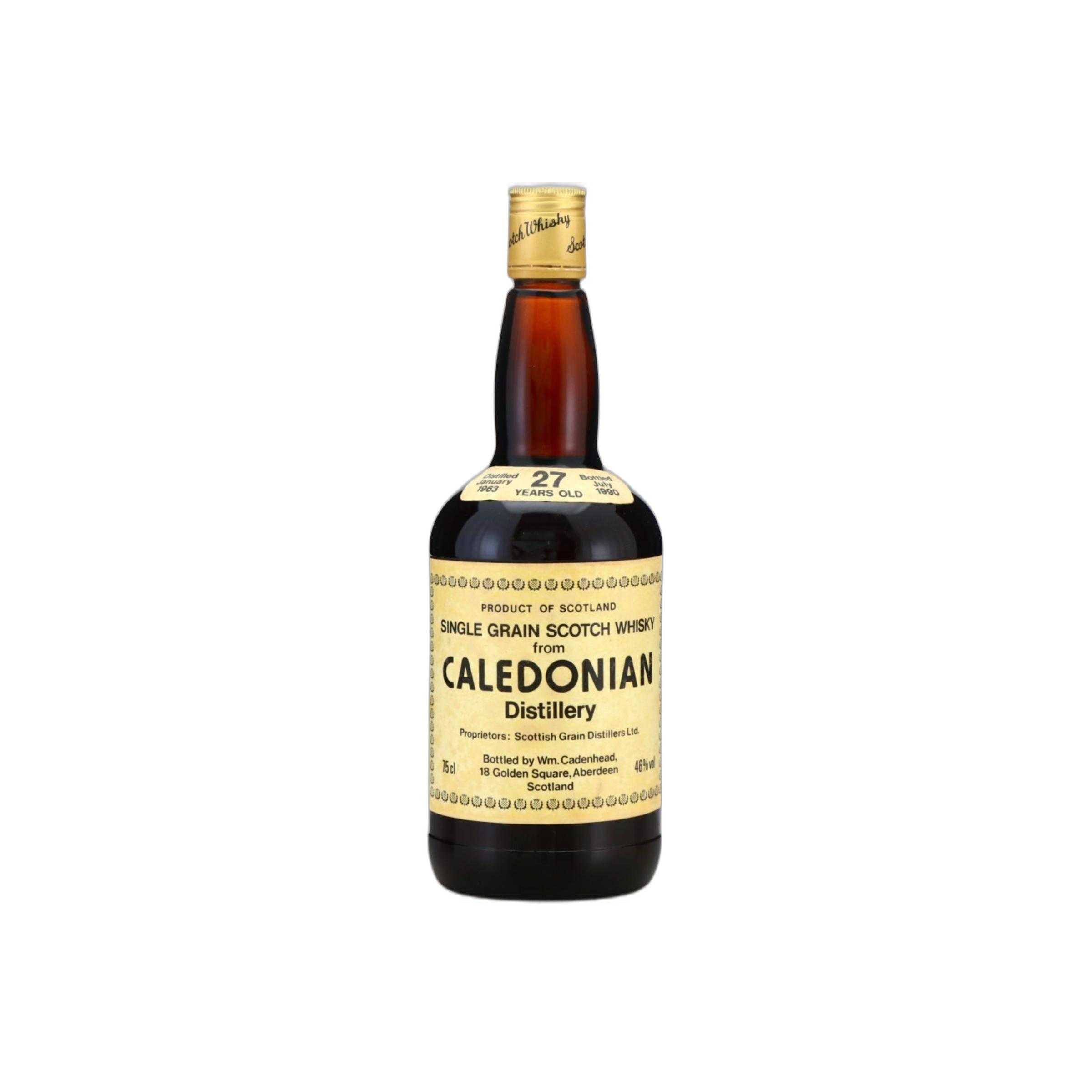
Caledonian 1963 27 Years Single Grain Whisky
Caledonian