
Speyside is home to many distilleries—over 50 in total—and most are quite easy to locate. Some can be spotted from several kilometers away. Mannochmore distillery, while relatively conspicuous, is not easily found. If you're traveling along the A941 toward Rothes, don't be too quick to photograph the Longmorn distillery on your left; you can see in the distance on your right the roof of a warehouse and a large, white building emitting white smoke. You might think that's Mannochmore, but you'd only be half correct. That's merely an animal feed factory sharing the same site. Even when you're heading directly toward the distillery, it takes some effort to find it. All you can see is the pagoda roof of Glenlossie distillery's old kiln. You must enter a restricted area to properly locate Mannochmore distillery. There, you'll find a newly expanded mash room with large windows, a saccharification room, and eight fermentation tanks. Mannochmore was established in the early 1970s when the whisky industry was thriving. The distillery was built to produce malt whisky for blending purposes. Mannochmore and Glenlossie operate as "sister distilleries," sharing staff for many years. The two distilleries work alternately, each running for only half the year, with employees rotating between them. Since 2013, the distillery has been equipped with an 11.1-ton Briggs full-lauter mash tun, eight wooden fermentation tanks, eight outdoor stainless steel fermentation tanks, and four sets of stills. Pure wort and long fermentation (up to 100 hours) give the new spirit a fruity character. The distillery currently operates on a seven-day production week. Mannochmore's malt whisky is a crucial component in Haig blended whisky. Haig is a whisky brand that first emerged in the 1880s. The Haig family represents Scottish whisky nobility, having been involved in the whisky industry since the mid-17th century. Currently, the distillery's official bottling is the Mannochmore 12-Year-Old under Diageo's Flora and Fauna series. In autumn 2016, Diageo released a Mannochmore 25-Year-Old (distilled in 1990) as part of its Special Releases series, bottled at cask strength of 53.4%.
History
Mannochmore is another example of the Scottish malt whisky distillery boom of the 1960s to early 1970s. Built in 1971 near its parent company's Glenlossie distillery, whose own production had tripled in the previous decade. Like several others constructed during this period, the distillery adopted a 'Waterloo Street' style, where efficiency was everything (see 'Caol Ila'). It was originally built to provide base spirit for Haig blended whisky, which was the dominant brand in the British market in the 1950s-60s but has since declined. In 1996, Mannochmore released a notable product called 'Loch Dhu - the Black Whisky'. The heavily caramel-colored whisky (with perhaps a bit too much, making it taste somewhat bitter) was designed to be mixed with drinks like Coca-Cola or ginger ale. It was popular in Denmark but received a lukewarm response elsewhere and was soon discontinued. In 2013, the distillery's capacity was increased through the addition of a new pair of stills and the installation of state-of-the-art Briggs mash tuns.
Timeline
DCL established this distillery on the site of Glenlossie
The distillery ceased operations
The distillery resumed production
Mannochmore 12 Year Old became the first official bottling under Diageo's Flora & Fauna series
Mannochmore 18 Year Old was launched
Diageo released a 1998 vintage under the Manager's Choice series
The number of stills increased to eight
Mannochmore 25 Year Old Cask Strength was launched
Hot Search Whiskies
Showing top 10
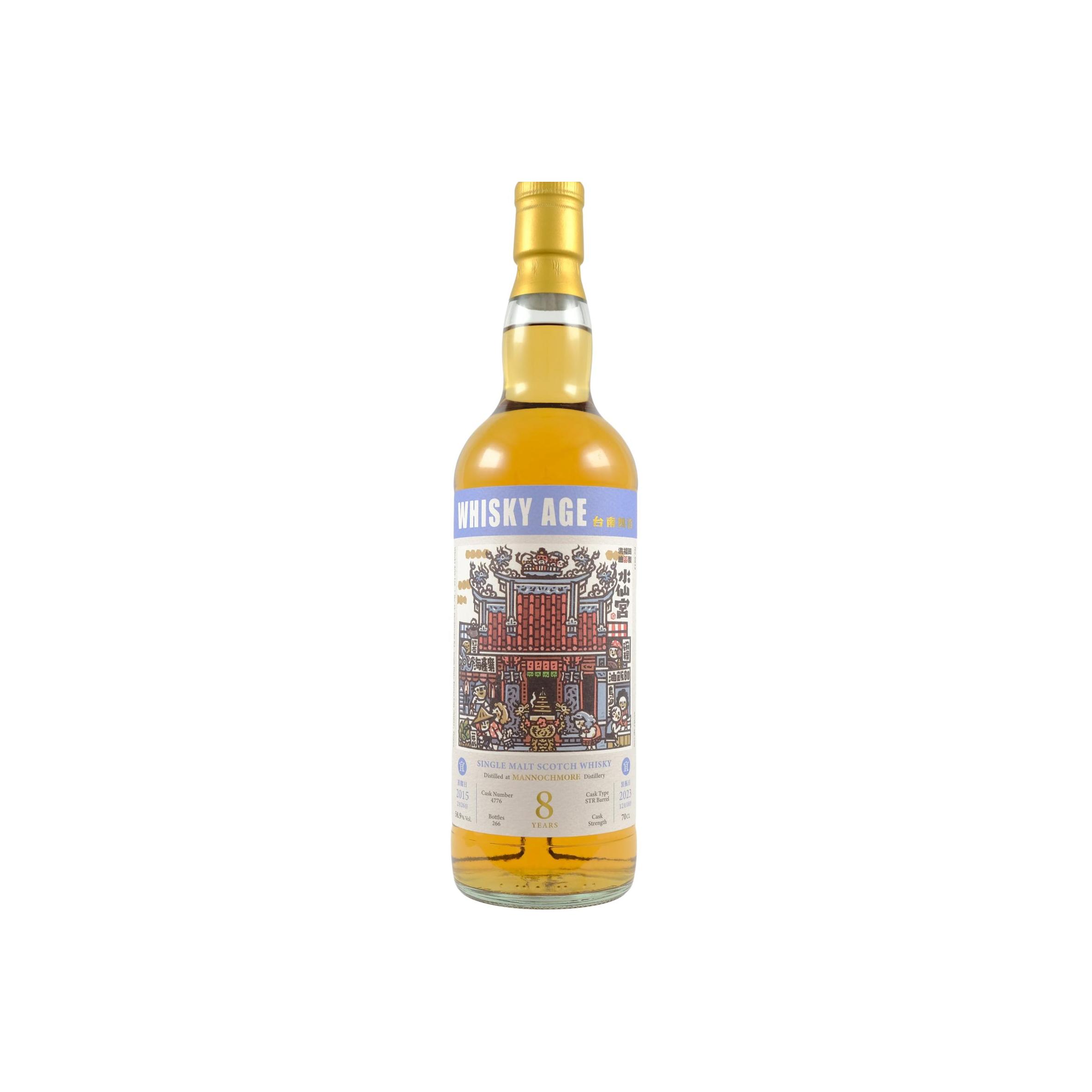
Mannochmore 2015 8 Years Single Malt Whisky
Mannochmore
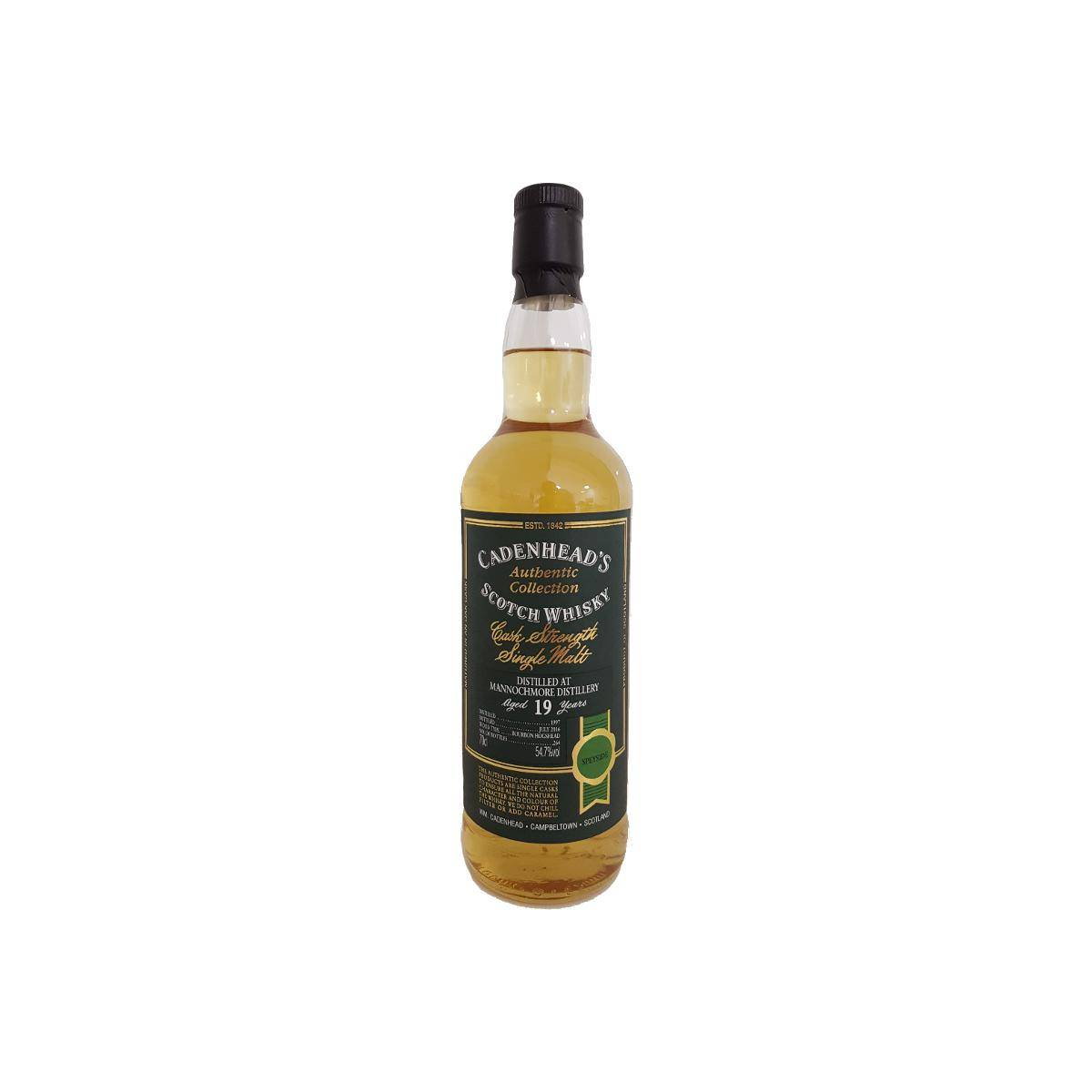
Mannochmore Authentic Collection 1997 19 Years Single Malt Whisky
Mannochmore
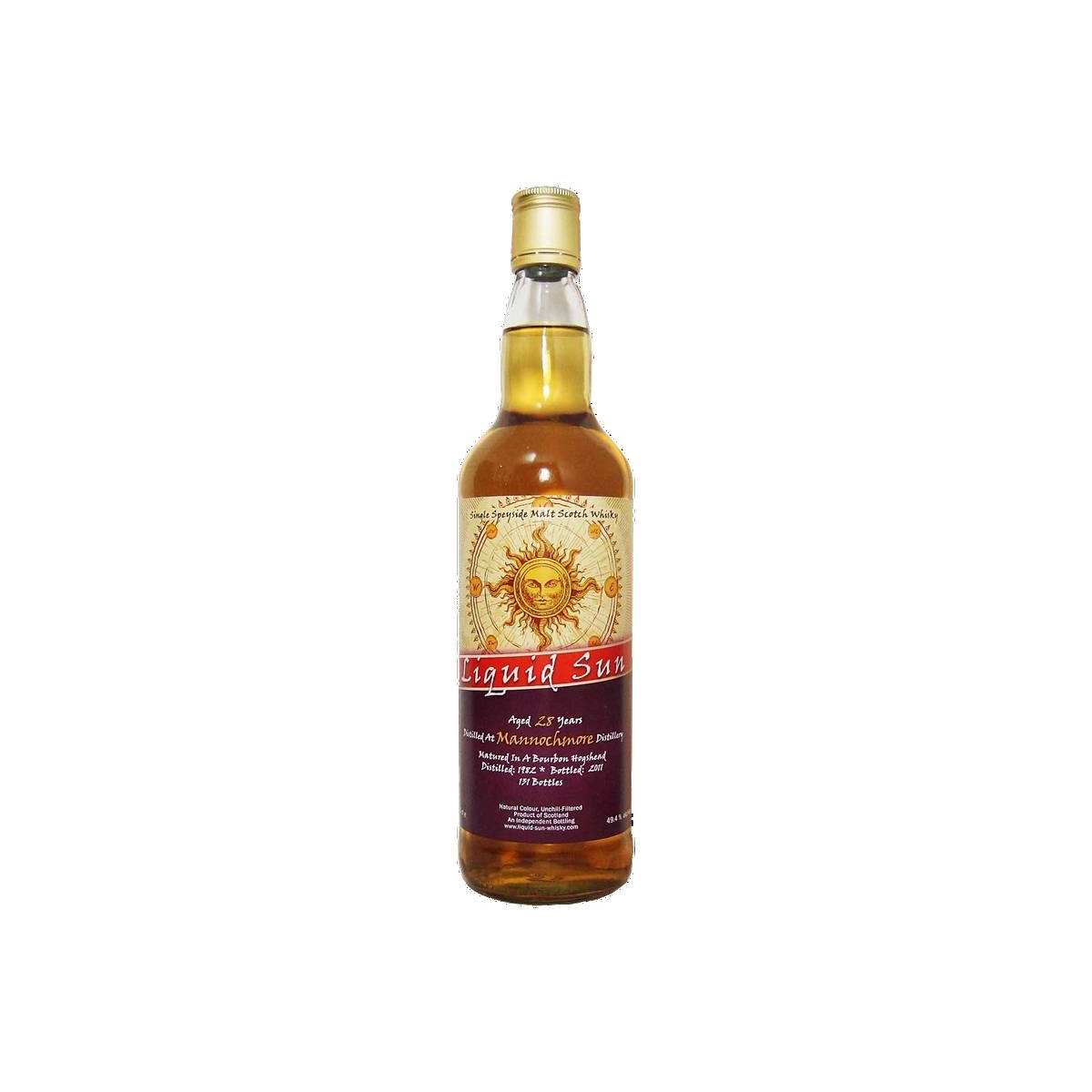
Mannochmore 1982 28 Years Single Malt Whisky
Mannochmore
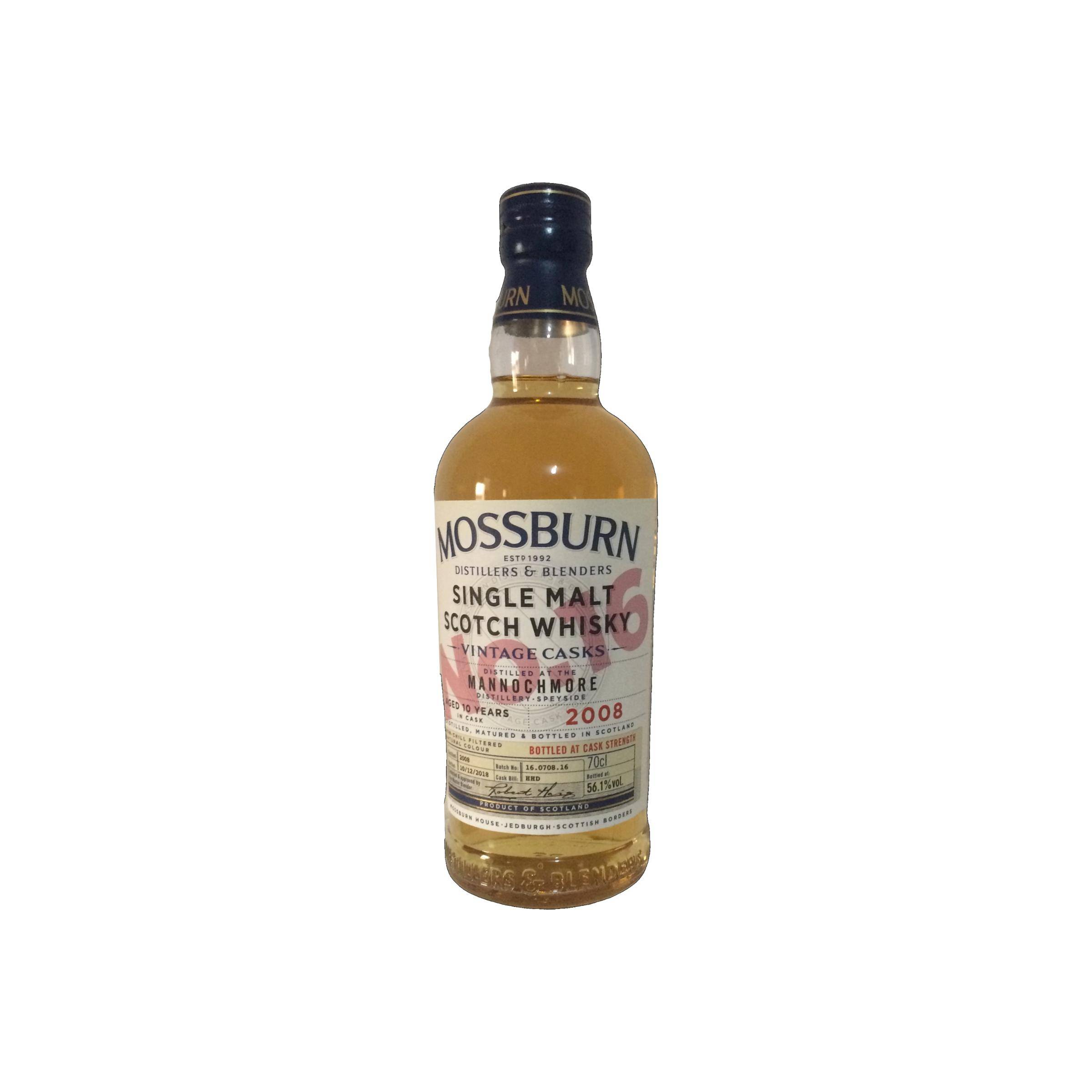
Mannochmore 2008 10 Years Single Malt Whisky
Mannochmore
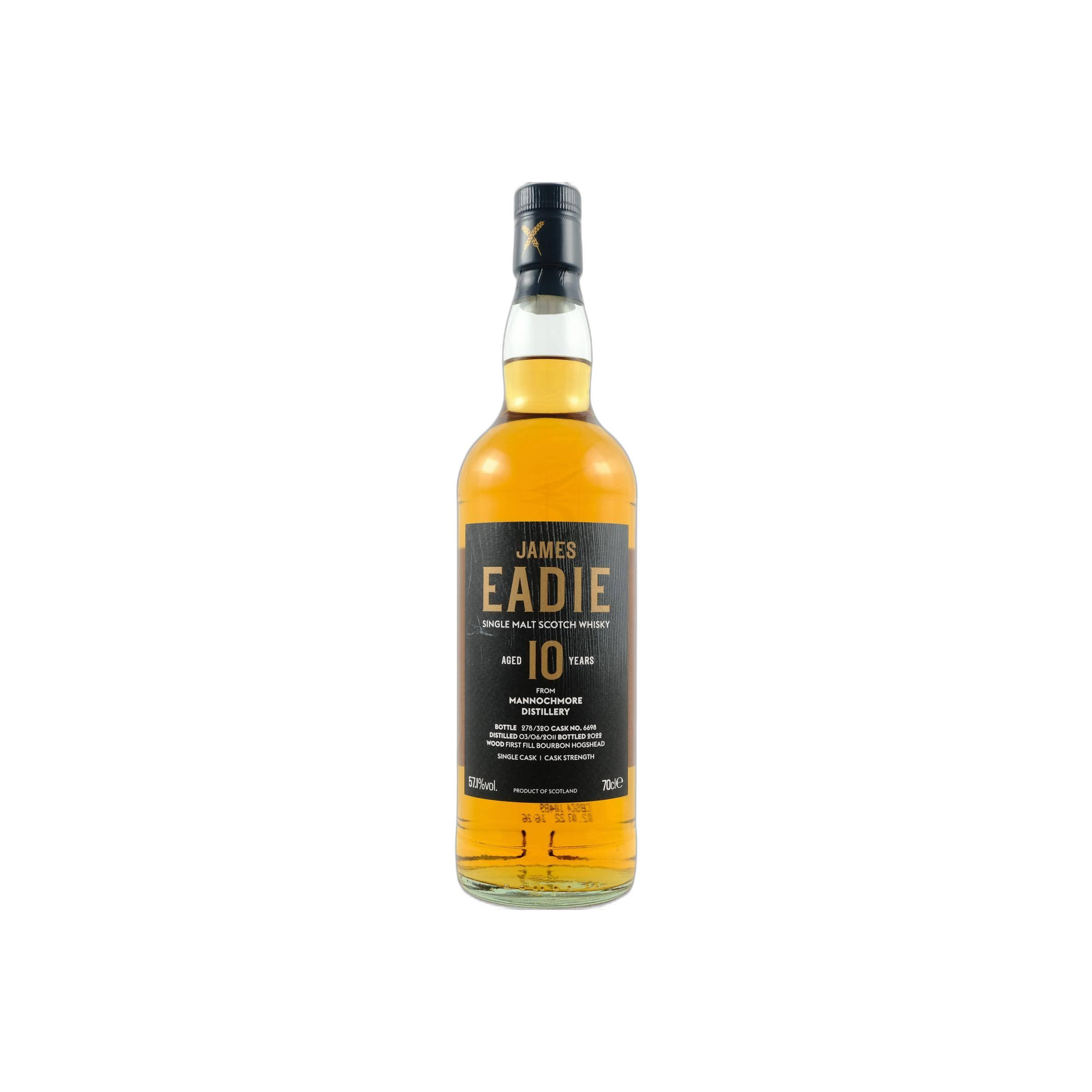
Mannochmore 2011 10 Years Single Malt Whisky
Mannochmore
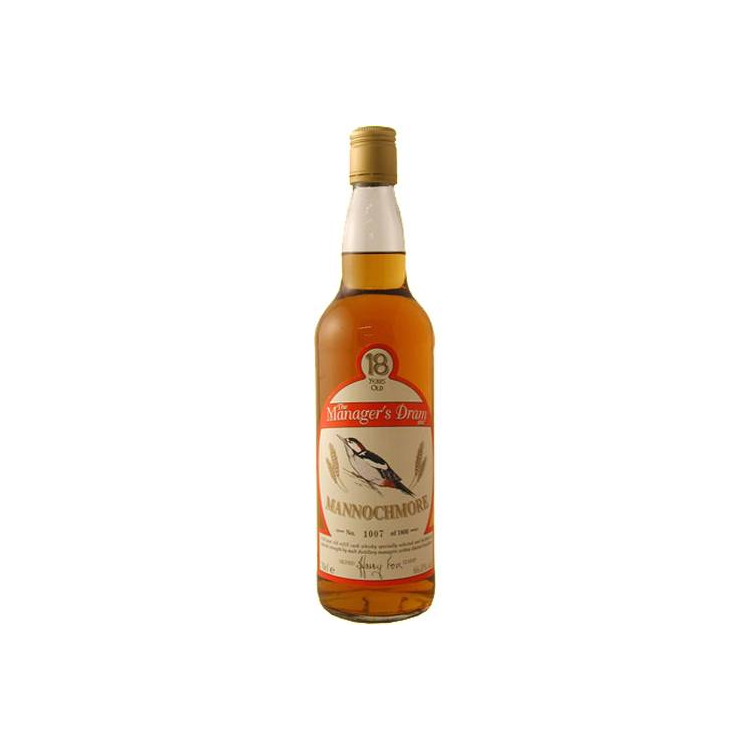
Mannochmore 18 Years Single Malt Whisky
Mannochmore
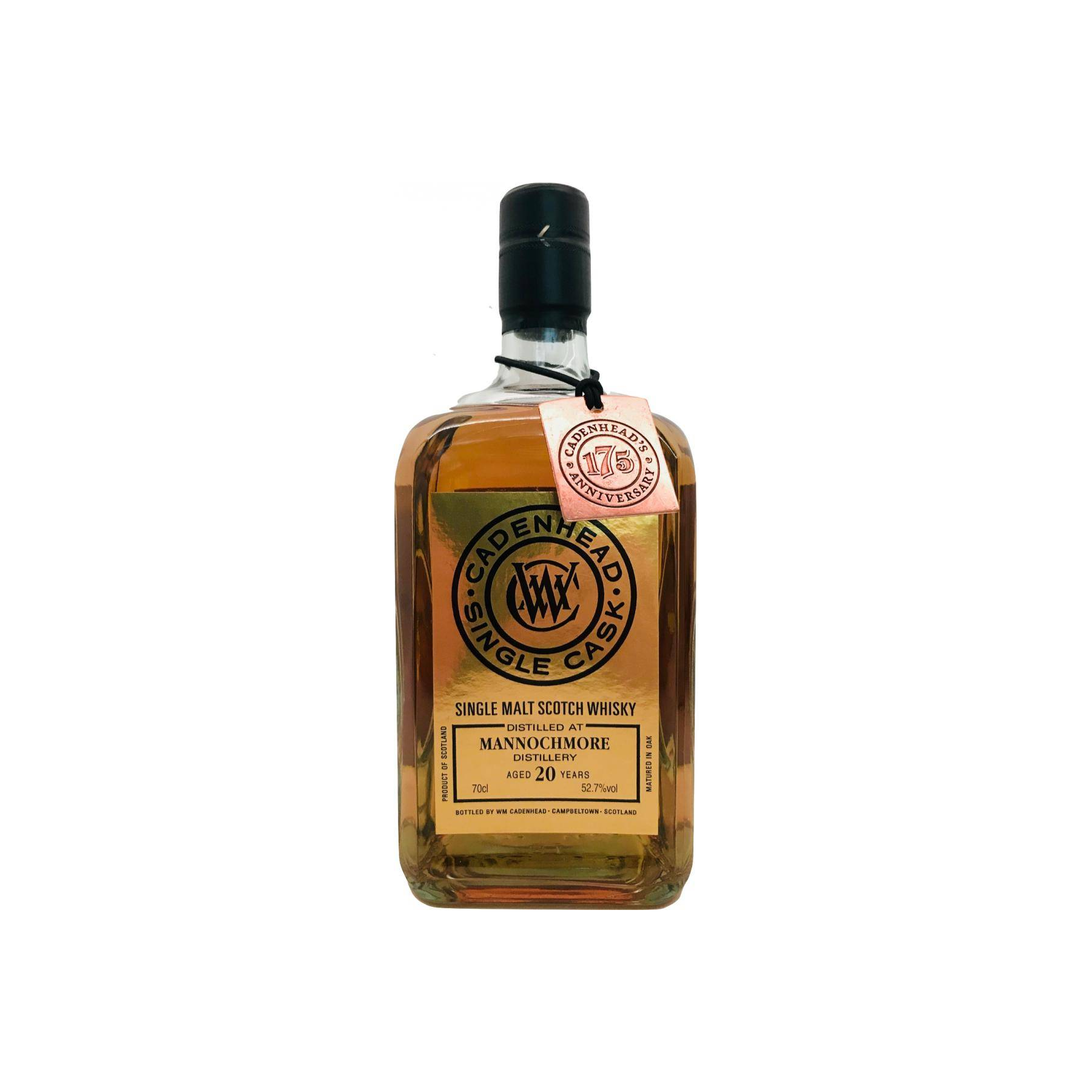
Mannochmore Single Cask 1997 20 Years Single Malt Whisky
Mannochmore
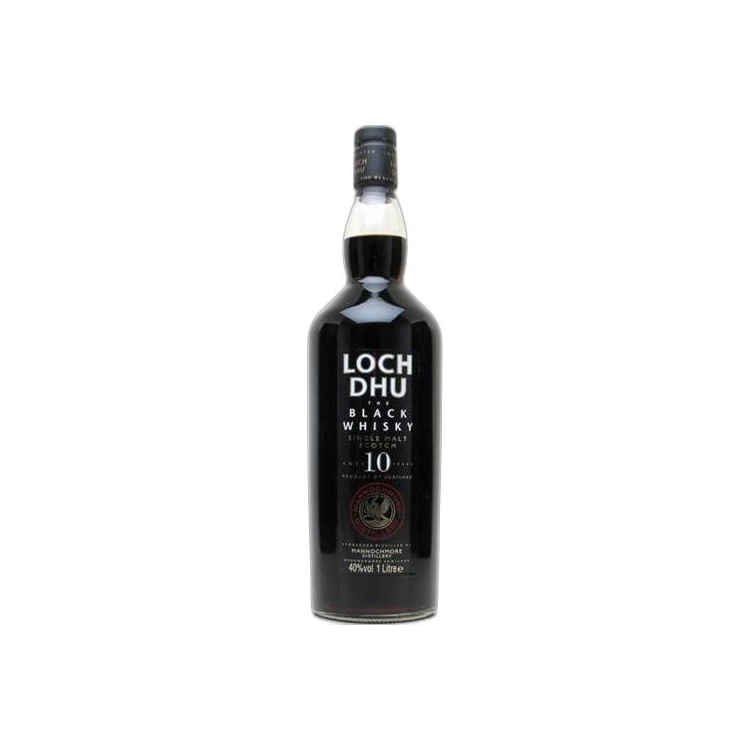
Mannochmore 10 Years Single Malt Whisky
Mannochmore
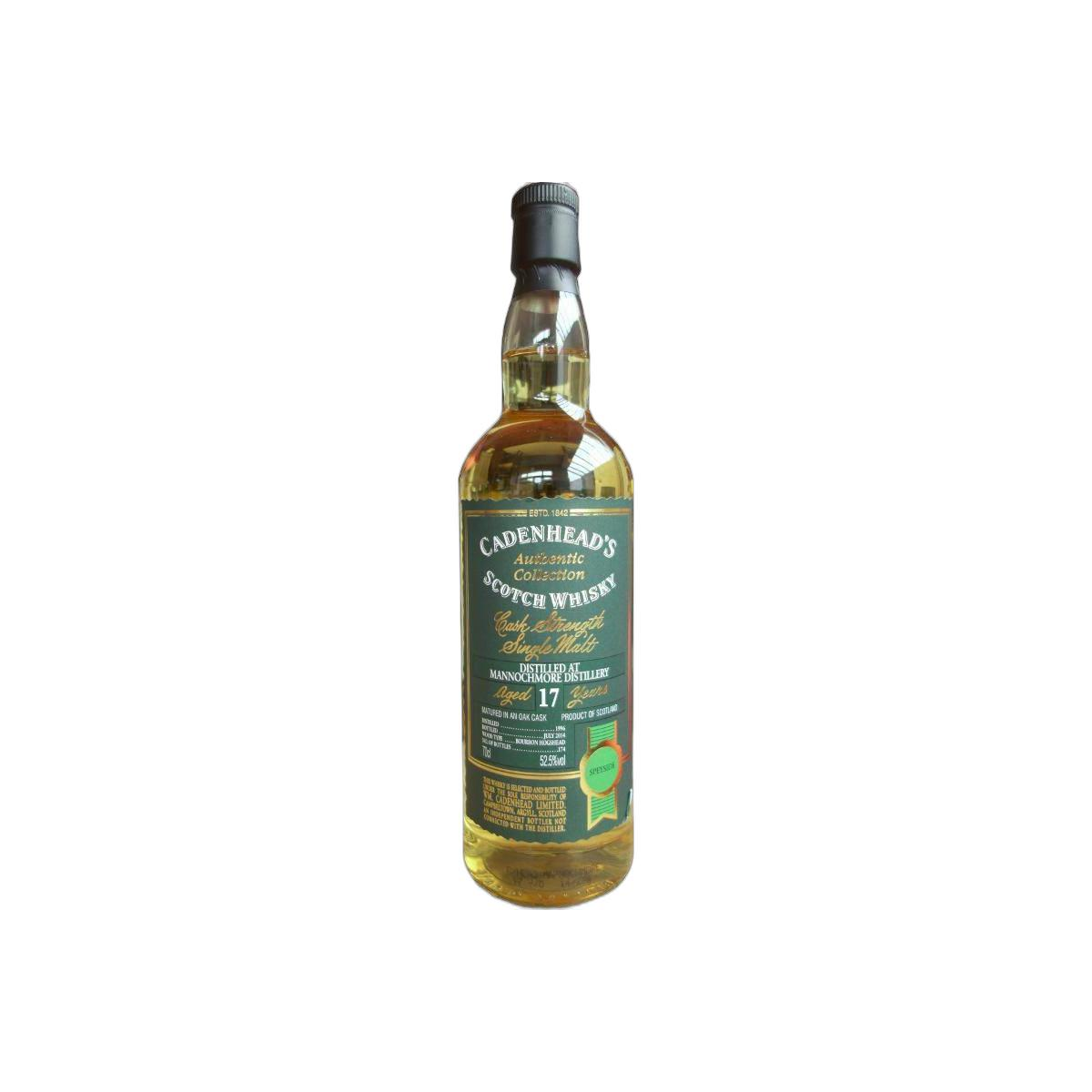
Mannochmore Authentic Collection 1996 17 Years Single Malt Whisky
Mannochmore
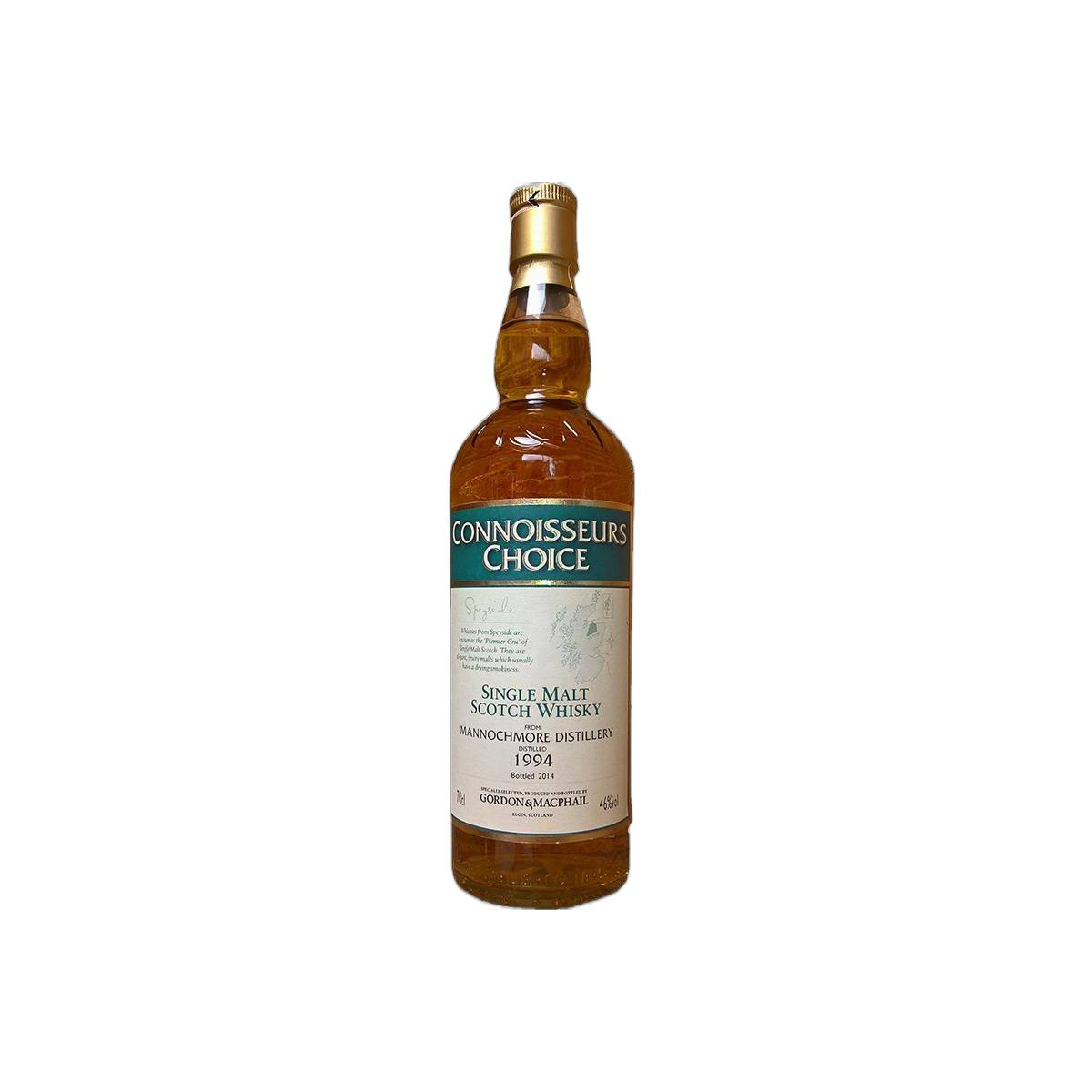
Mannochmore Connoisseurs Choice 1994 20 Years Single Malt Whisky
Mannochmore