

Dumbarton
Dumbarton was a major Scottish grain whisky distillery located in the town of Dumbarton, strategically positioned at the confluence of the River Leven and the River Clyde, west of Glasgow. Established in 1938 by the renowned Canadian whisky entrepreneur Hiram Walker, founder of Canadian Club, the distillery was built to supply grain whisky for the burgeoning blended Scotch market. At its peak, Dumbarton was the largest grain whisky distillery in Europe, featuring massive continuous column stills that operated 24/7. The distillery was a key component of the Ballantine's blend portfolio after Hiram Walker acquired the brand. Dumbarton ceased operations in 2002 and was subsequently demolished, marking the end of an era for large-scale Lowland grain whisky production. The site has since been redeveloped, though the iconic red-brick warehousing complex remained visible for years as a landmark of Scotland's industrial whisky heritage.
History
Dunbarton Grain Distillery was established in 1938 by Hiram Walker [Scotland] Ltd in the town of the same name, utilizing millions of red bricks—a rather uncommon building material in Scotland. The former site was previously a McMillan shipyard, and the distillery was designed in North America, with continuous stills supplied by Vulcan Copper & Supply of Cincinnati. It was the largest grain distillery in Scotland at the time. Although Dunbarton was a grain distillery, an Inverleven malt whisky distillery was also constructed within the Dunbarton complex during the same period. In 1959, Dunbarton Distillery added a Lomond still (see 'Miltonduff'). In 1965, the distillery installed the UK's first advanced distillation equipment based on an American system. In 1987, Hiram Walker was acquired by Allied Lyons. In 2002, Dunbarton Distillery was closed and has since been demolished.
Curiosities
Water comes from Loch Lomond, which also gives the Lomond still its name. Dumbarton uses only corn, primarily from the US and France, making the spirit intensely flavored and oily. The stills cannot process other grains, as their original design lacked sufficient copper—a purifying agent—to remove heavier compounds produced during distillation. Hiram Walker Gooderham & Worts Ltd, Canada's largest distillery (Canadian Club is its flagship brand), wanted to enter the Scotch whisky market. In 1935, they purchased Ballantine's and its large stocks of mature Scotch, but no distillery. Acquiring production facilities became essential, so in 1936 they bought Glenburgie and Miltonduff distilleries (see related entries), and later built Dumbarton distillery.
Hot Search Whiskies
Showing top 10
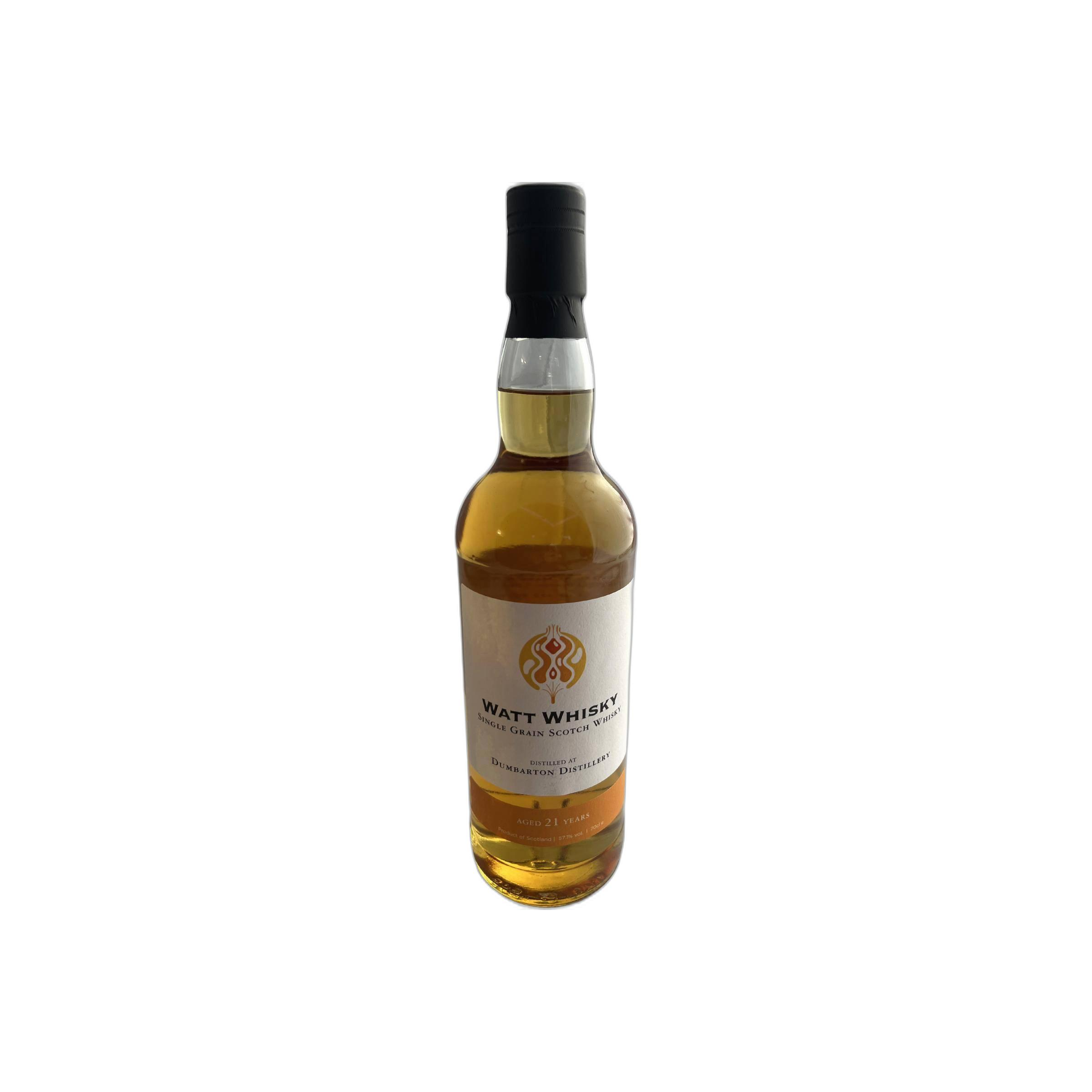
Dumbarton 2000 21 Years Single Malt Whisky
Dumbarton
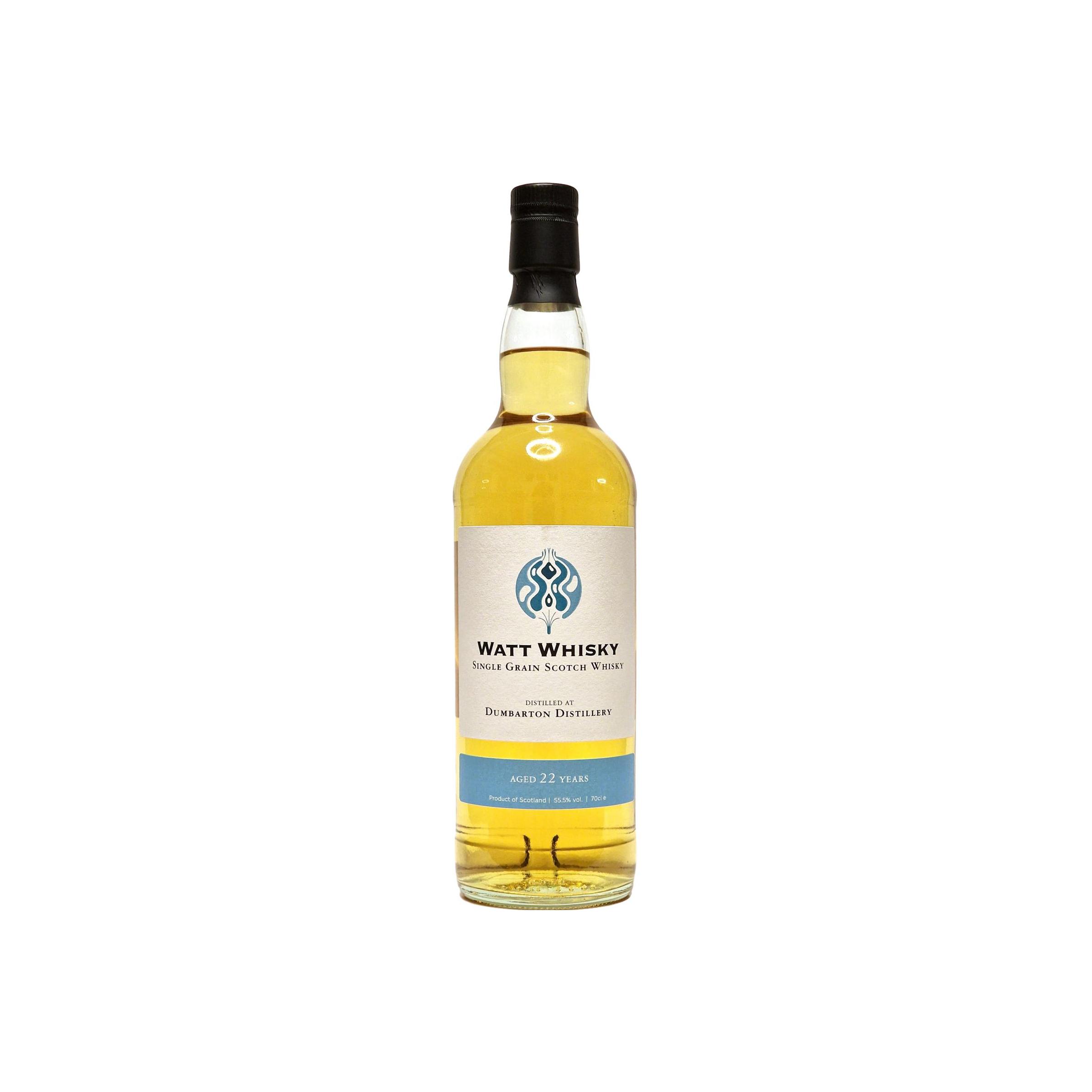
Dumbarton 2000 22 Years Single Grain Whisky
Dumbarton
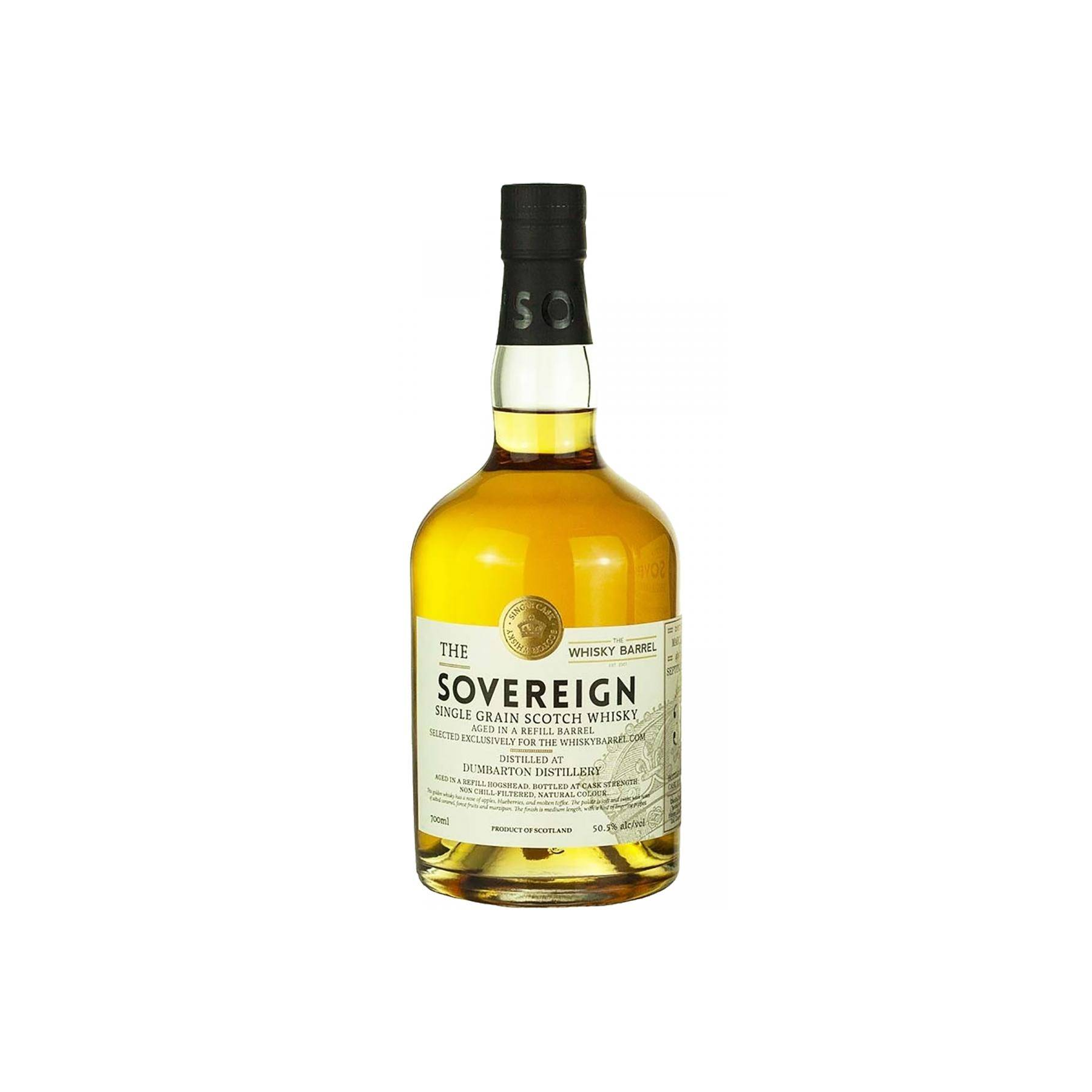
Dumbarton 1987 31 Years Single Grain Whisky
Dumbarton
Dumbarton 1961 32 Years Single Grain Whisky
Dumbarton
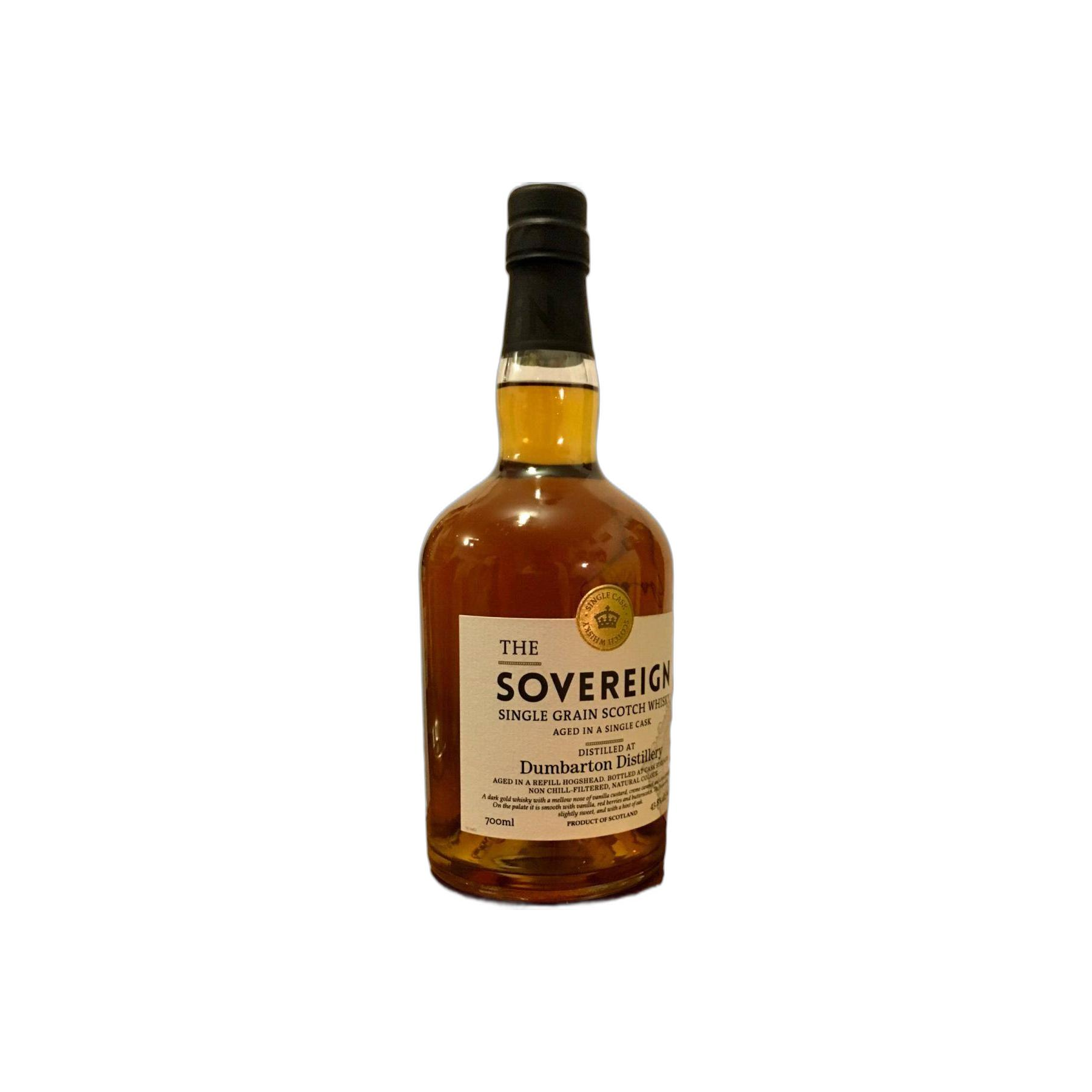
Dumbarton 1964 50 Years Single Grain Whisky
Dumbarton
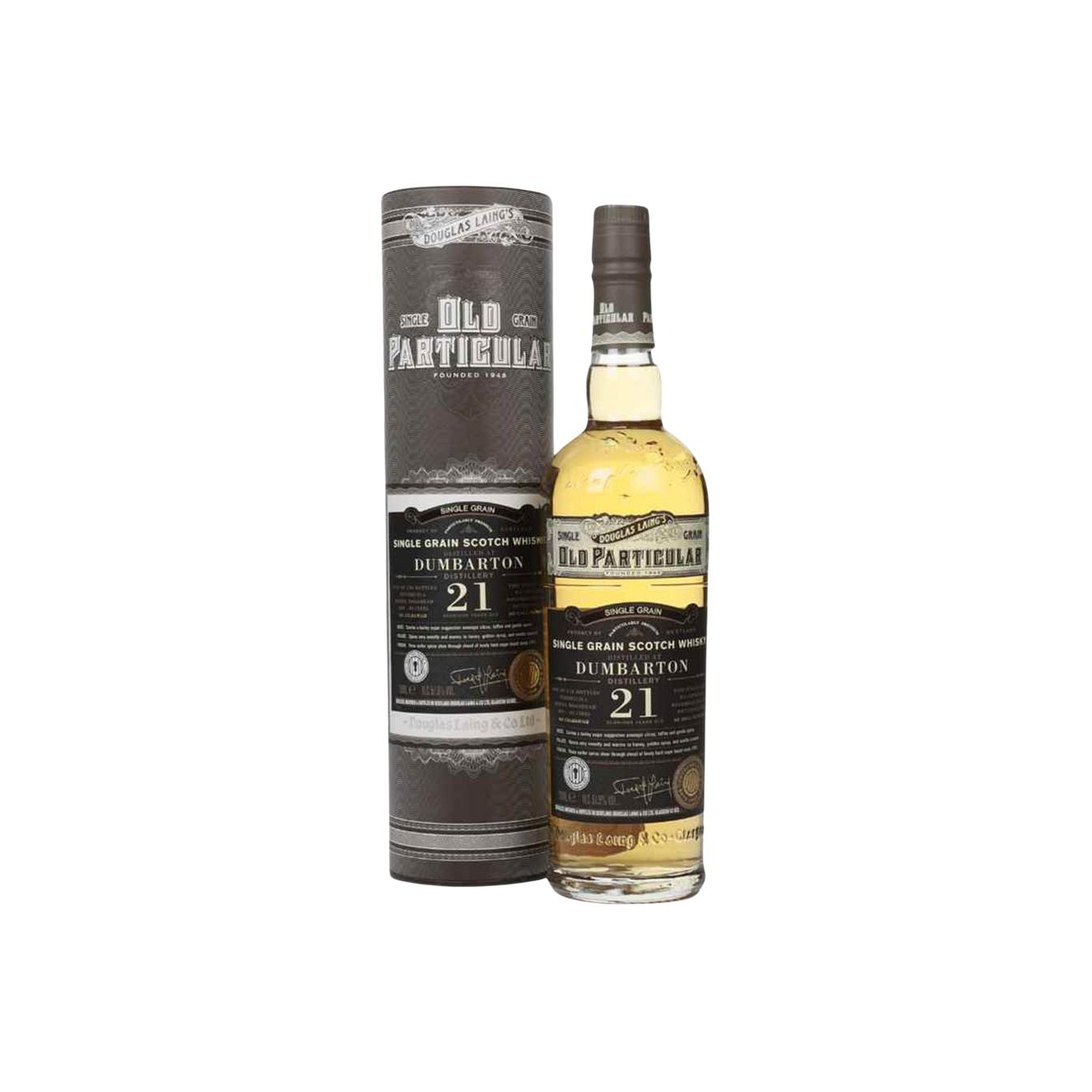
Dumbarton Old Particular 2000 21 Years Single Grain Whisky
Dumbarton
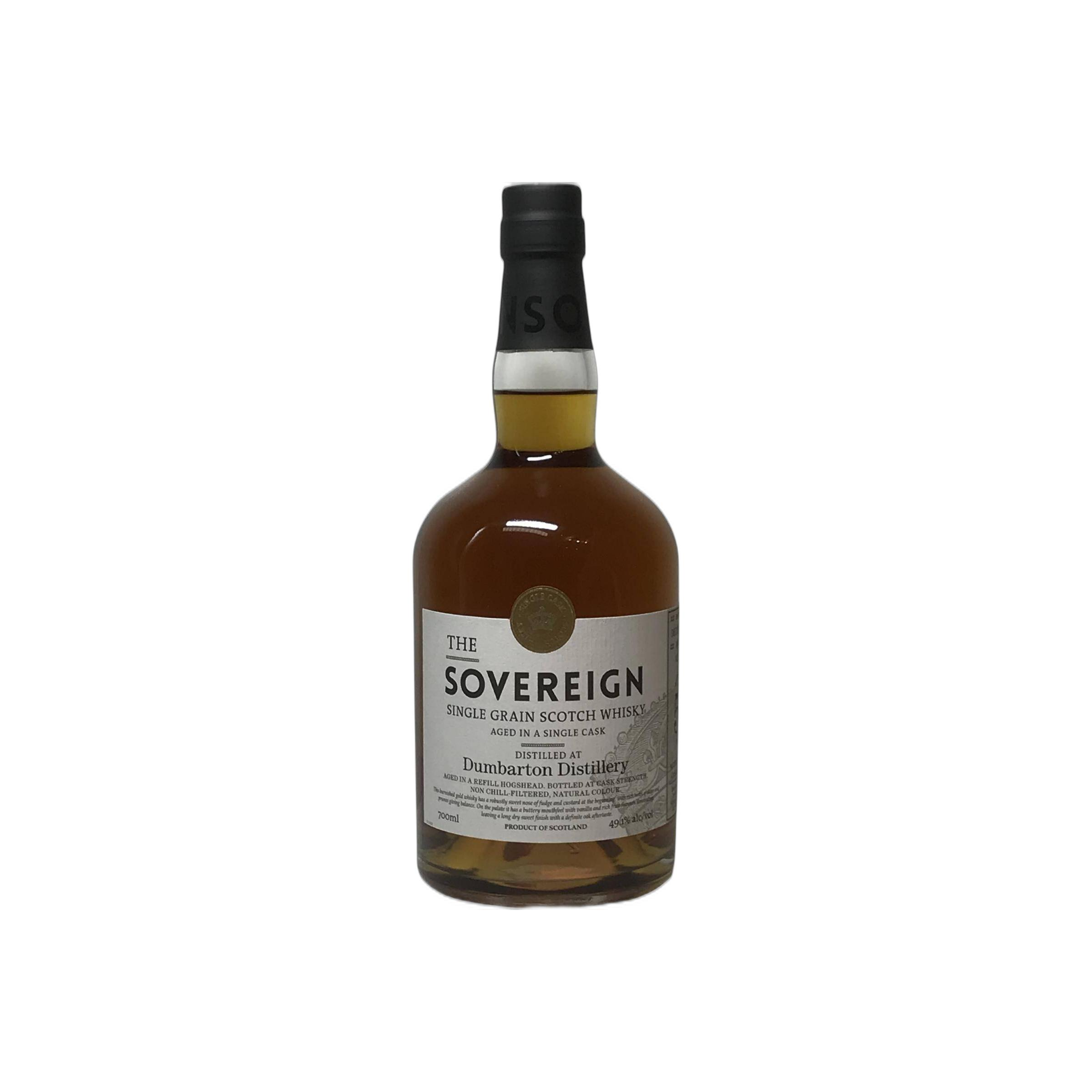
Dumbarton 1964 50 Years Single Grain Whisky
Dumbarton
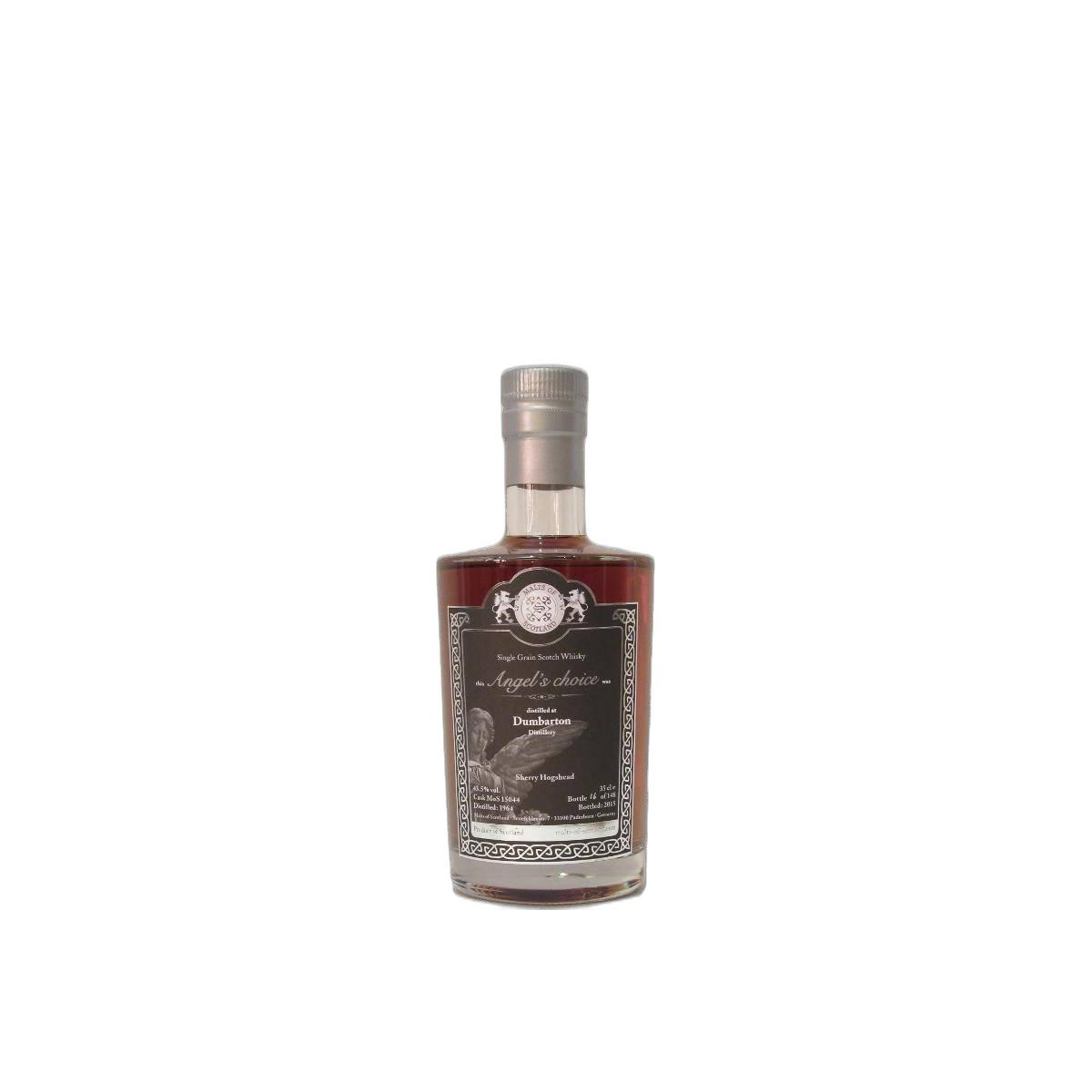
Dumbarton 1964 51 Years Single Grain Whisky
Dumbarton
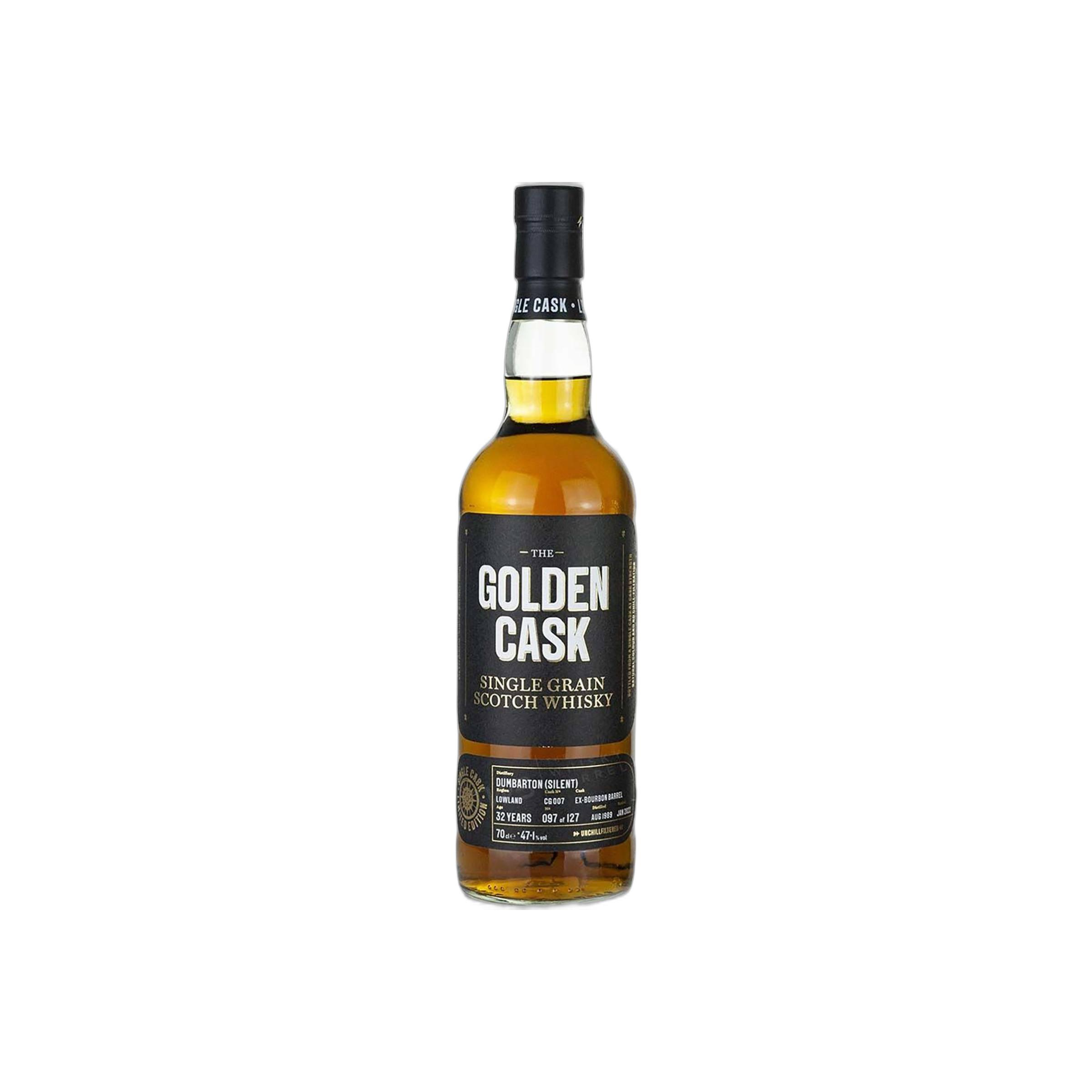
Dumbarton 1989 32 Years Single Grain Whisky
Dumbarton
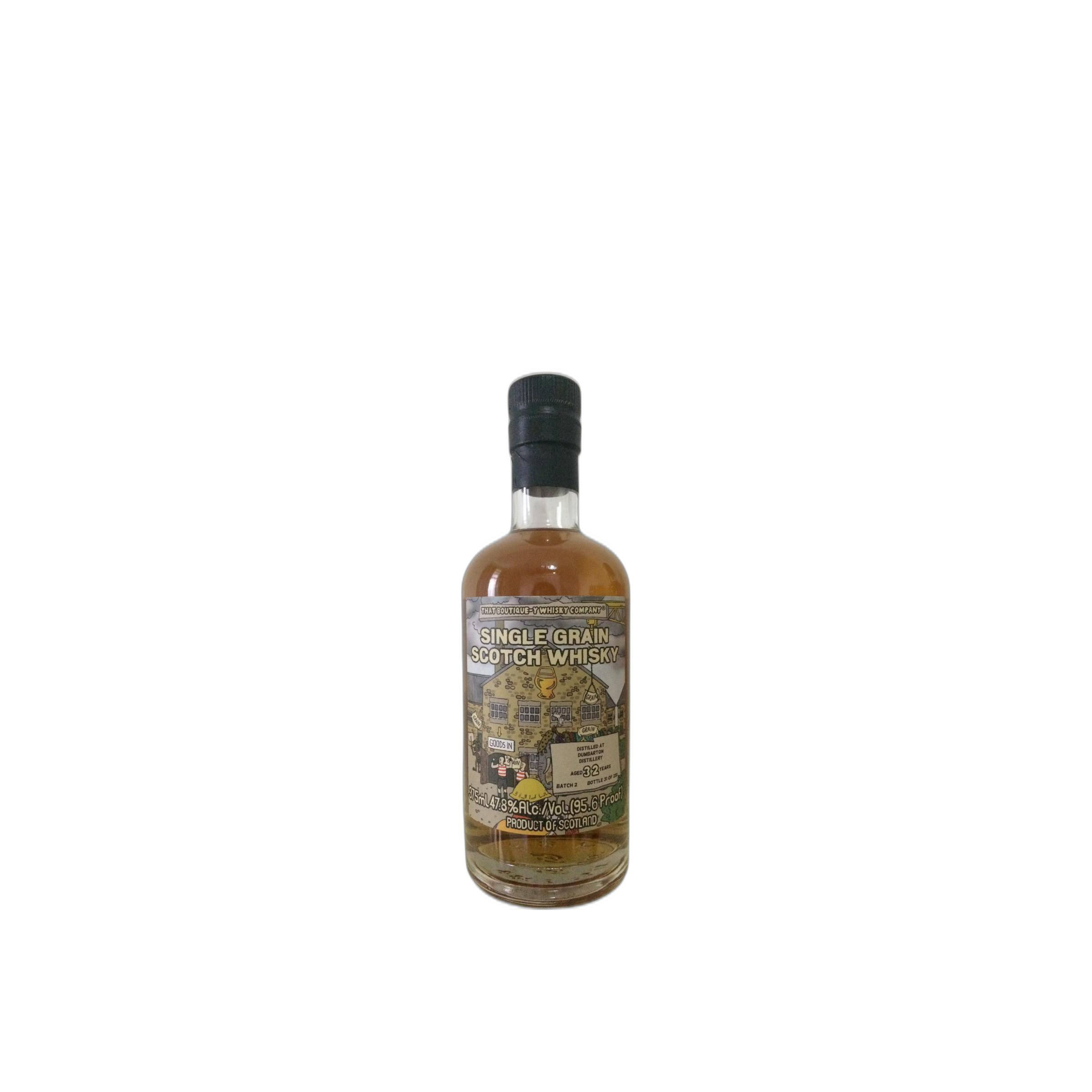
Dumbarton 32 Years Single Grain Whisky
Dumbarton