Lindores Abbey Distillery stands on the hallowed ground widely recognized as the birthplace of Scotch whisky. The first written record of whisky distillation in Scotland appears in the 1494 Exchequer Rolls, documenting "aqua vitae" production by Friar John Cor at Lindores Abbey, using eight bolls of malt granted by King James IV. This Tironensian abbey, founded in 1191, became the spiritual and literal home of Scottish whisky until its tragic destruction during the Reformation in 1559. After more than four centuries of silence, the site was resurrected in 2017 when the current owners built a new distillery within the abbey's original walls in Fife, near Newburgh. Today, Lindores Abbey honors its historic legacy through meticulous craftsmanship, using locally grown barley and traditional methods while embracing modern sustainable practices. The distillery produces single malt Scotch whisky, including their flagship "Lindores Abbey MCDXCIV" (1494) expression, alongside aqua vitae spirits that pay direct homage to Friar John Cor's original creation. The brand positioning centers on historical authenticity, monastic heritage, and the genuine revival of Scotch whisky's ancestral home.
History
Lindores Abbey Distillery stands on hallowed ground in the annals of Scotch whisky history. The earliest documented evidence of whisky production in Scotland appears in the 1494 Exchequer Rolls, which record a commission by King James IV to Friar John Cor of Lindores Abbey, instructing him to use eight bolls of malt to produce 'aqua vitae'—the water of life. This medieval monarch, renowned for his patronage of science, alchemy, and the arts, unwittingly sanctioned the first written record of Scotch whisky production at this very site. While scholarly debate continues regarding Friar Cor's exact affiliation, tradition steadfastly maintains he was a Tironensian monk of the Benedictine order residing at Lindores Abbey—a 12th-century foundation established by William the Lion in 1191. This sacred provenance allows Lindores to rightfully claim its status as the "Spiritual Home of Scotch Whisky," a pilgrimage site for whisky aficionados worldwide. The ancient abbey now lies in majestic ruin, its weathered stones witness to over 800 years of history. Rising from this historic landscape is a state-of-the-art distillery conceived by Bright 3D, harmoniously integrated into a restored monastic farmstead. The architectural vision employs original abbey stonework alongside locally quarried materials and timber, creating a seamless dialogue between past and present. The still house features floor-to-ceiling windows offering panoramic views of the consecrated grounds where it all began. The modern resurrection of this sacred site is the vision of Drew McKenzie Smith, whose family has stewarded the Lindores Abbey estate since 1912, and his wife Helen. Their endeavor was blessed by the mentorship of the legendary Dr. Jim Swan, one of the most influential master distillers of modern times. In a poignant twist of fate, Dr. Swan passed away on the eve of the distillery's opening in 2017; out of profound respect, the inauguration was postponed. Lindores Abbey Distillery finally opened its doors in October 2017, honoring both its ancient legacy and the memory of its modern architect.
Curiosities
McKenzie Smith launched this £10 million project in 2013, but before construction began, they conducted extensive archaeological excavations around the abbey ruins, discovering an 18-meter-long ancient wall and a 12th-century lead pipe very close to the surface. The owners hope Lindores Abbey can become a 'world-class tourist attraction', introducing visitors to whisky distilling. The visitor center will share the abbey's history and the craftsmanship and lifestyle of the Tironensian monks. The Order of Tiron is named after its mother abbey in France, founded around 1106 by a Benedictine monk attempting to restore strict Benedictine observance. In less than five years, the Order established 117 priories and abbeys across Scotland, England, Wales, Ireland, and Normandy. These 'gray monks' were renowned as craftsmen and builders. Some maintain that Brother John Cor was a Tironensian monk at Lindores Abbey, though his connection to Lindores is recorded in the historical accounts of Fife's malt producers—the Bonthrone of Newton family—dating back to 1600.
Hot Search Whiskies
Showing top 10
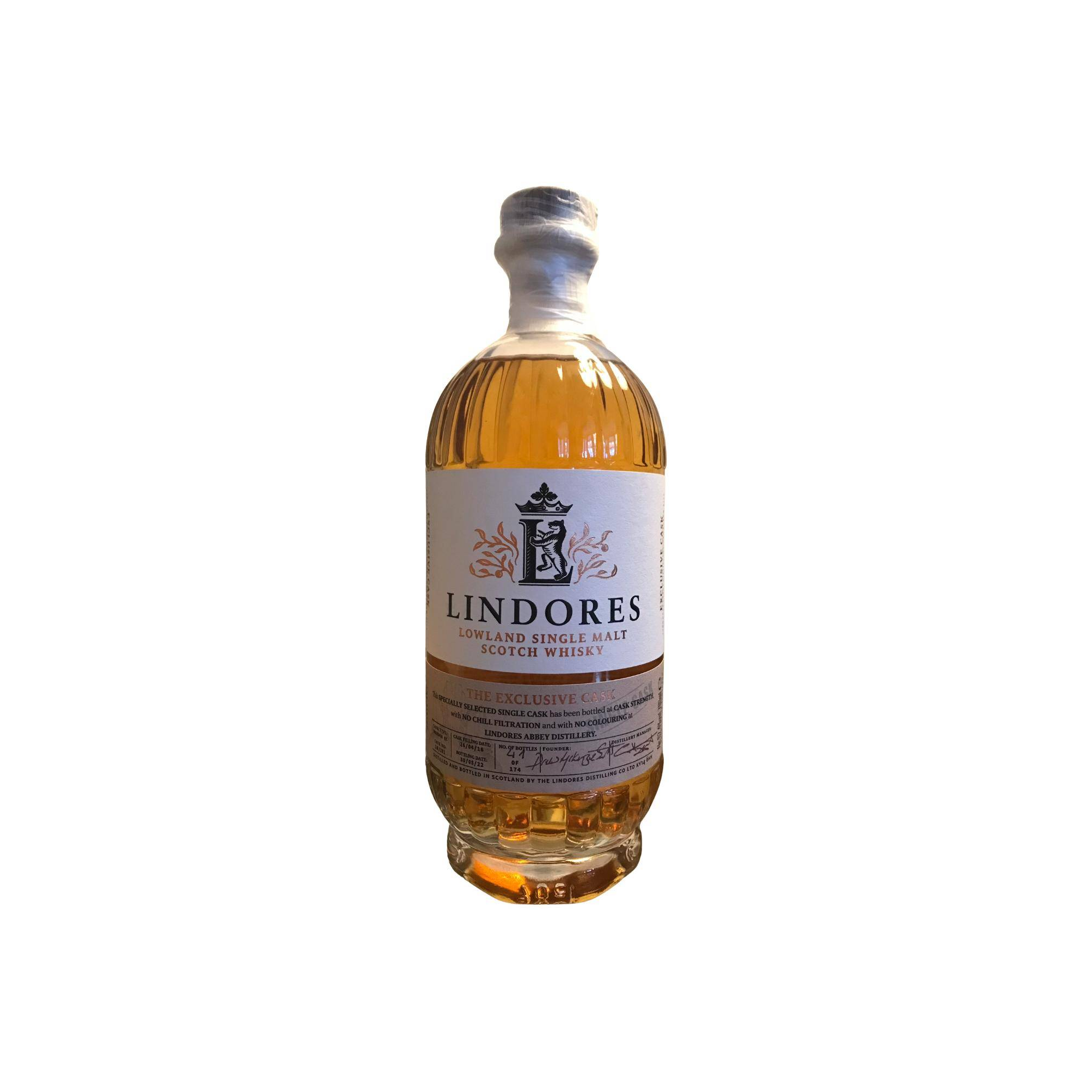
Lindores Abbey 2018 4 Years Single Malt Whisky
Lindores Abbey
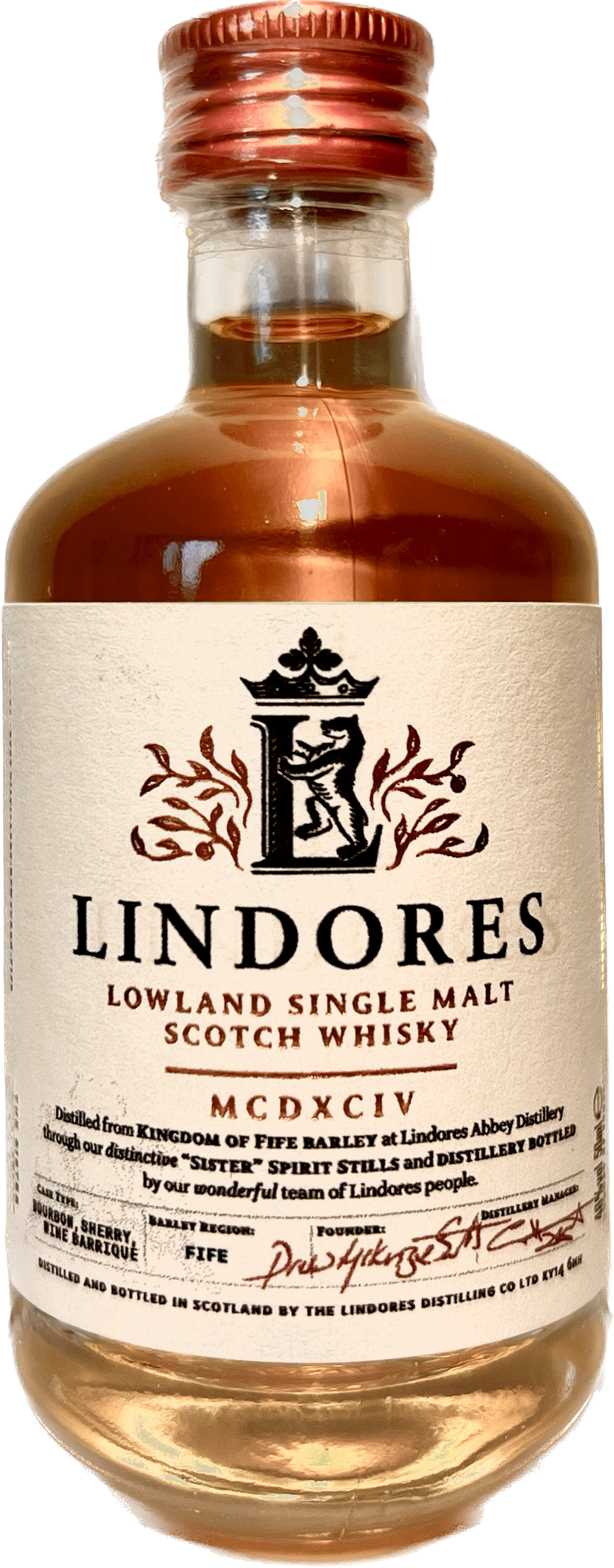
Lindores Abbey Single Malt Whisky
Lindores Abbey
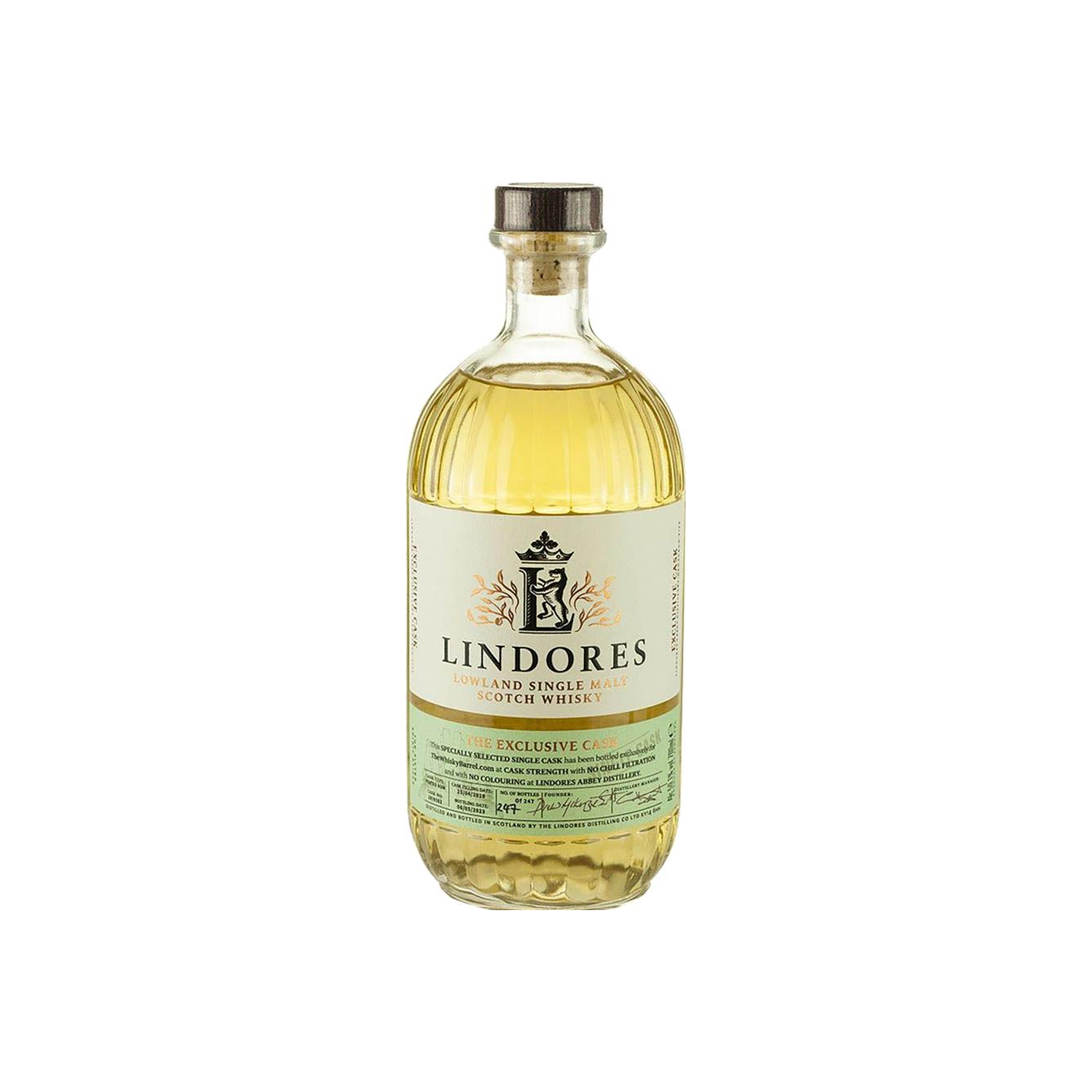
Lindores Abbey 2019 4 Years Single Malt Whisky
Lindores Abbey
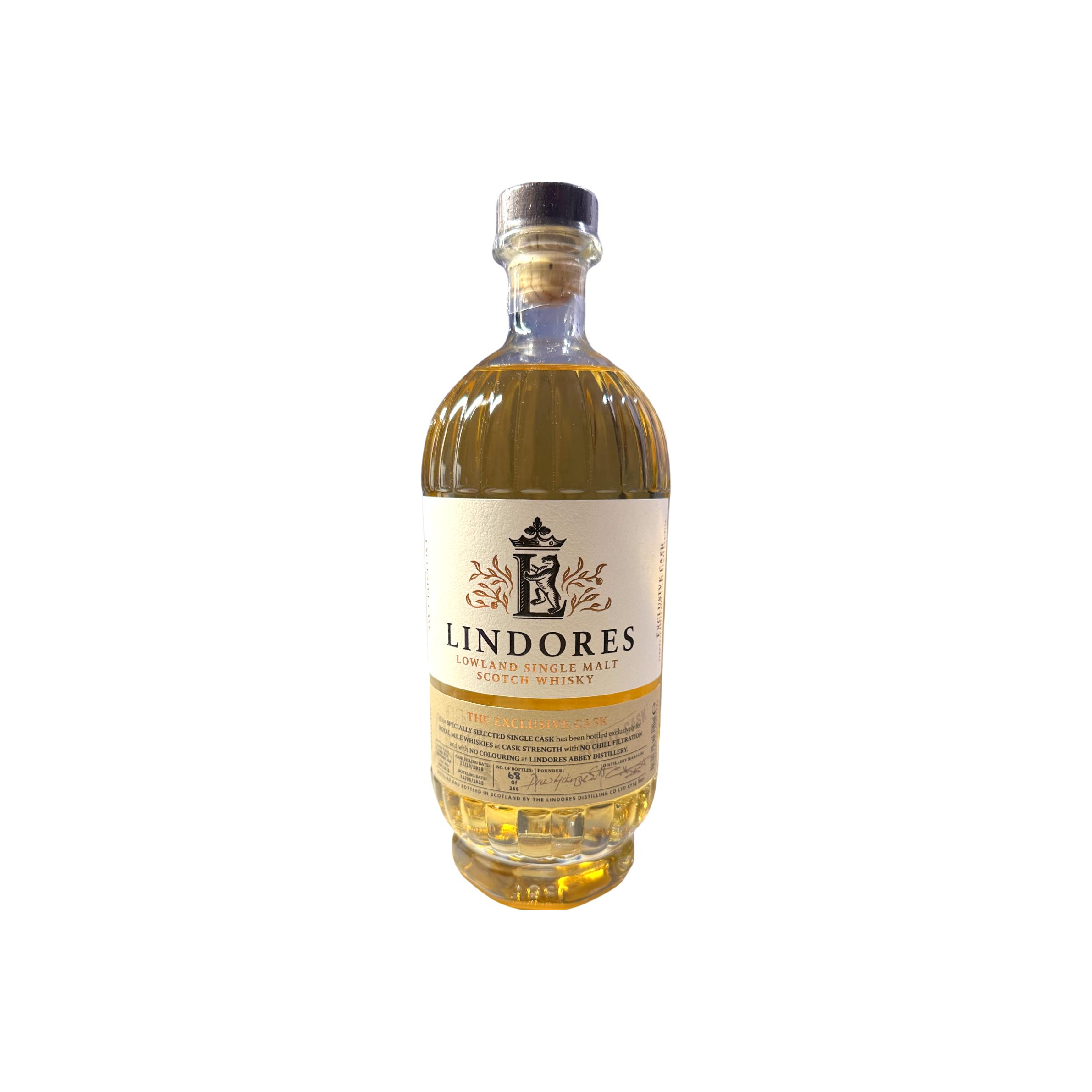
Lindores Abbey 2018 4 Years Single Malt Whisky
Lindores Abbey
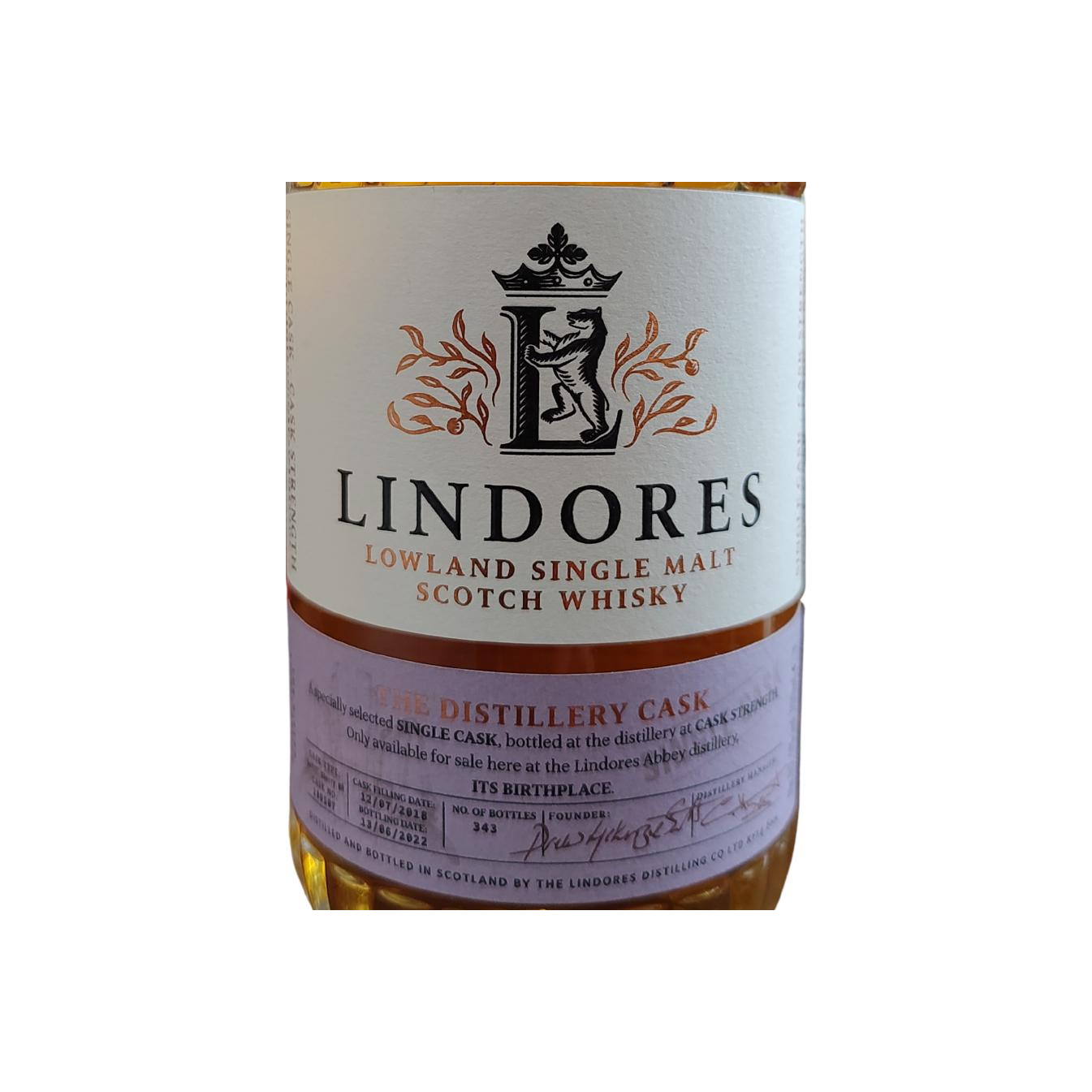
Lindores Abbey 2018 Single Malt Whisky
Lindores Abbey
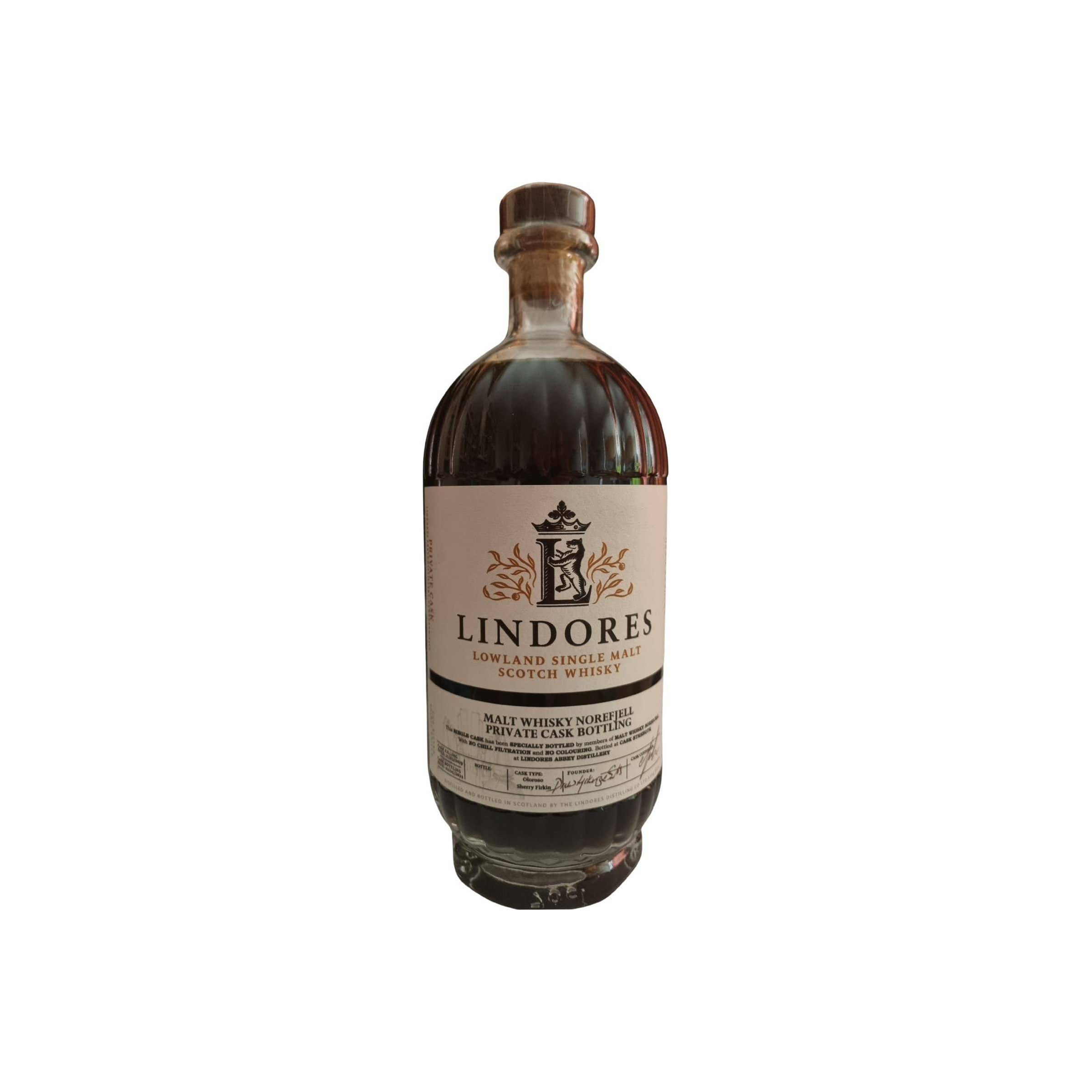
Lindores Abbey 2019 4 Years Single Malt Whisky
Lindores Abbey
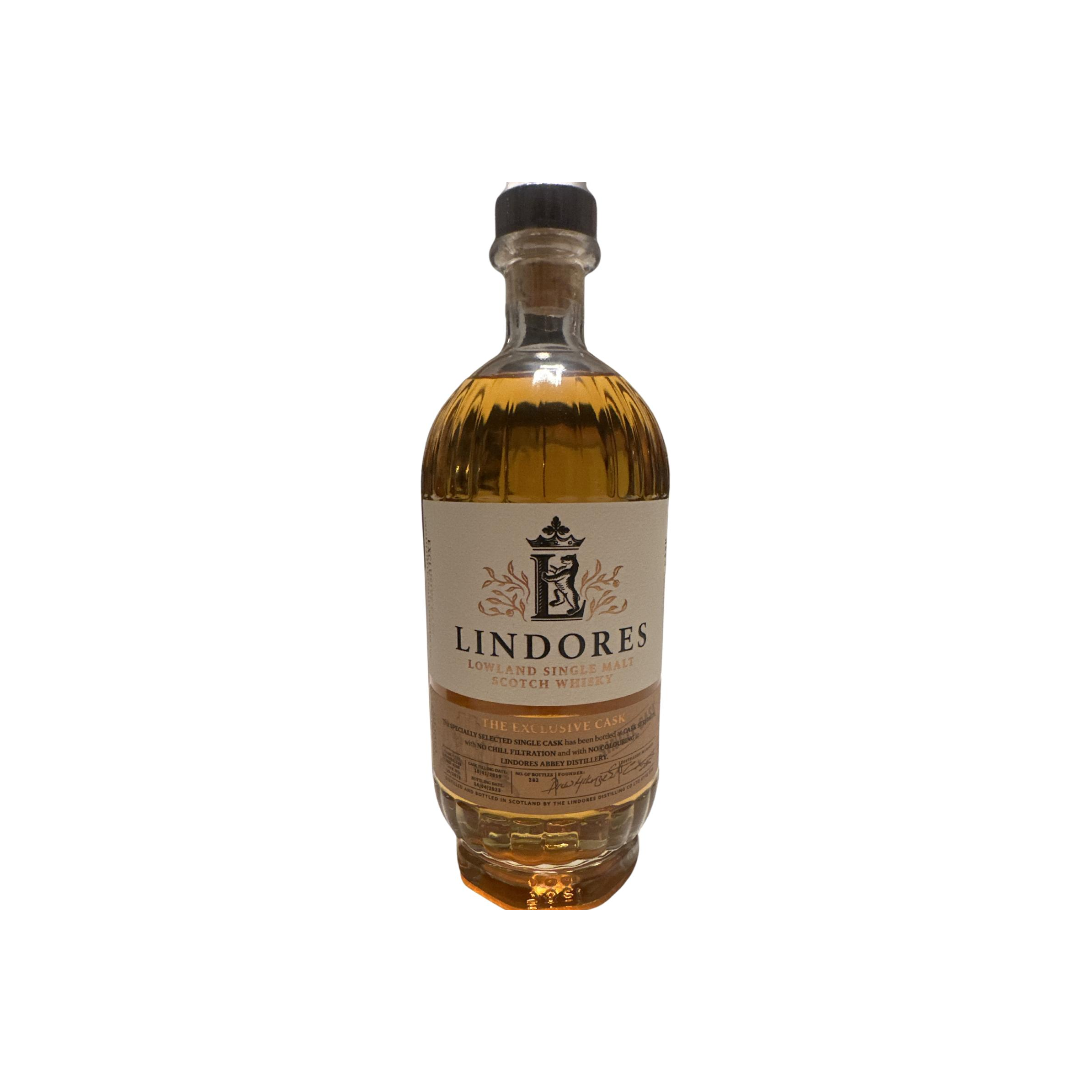
Lindores Abbey 2019 4 Years Single Malt Whisky
Lindores Abbey
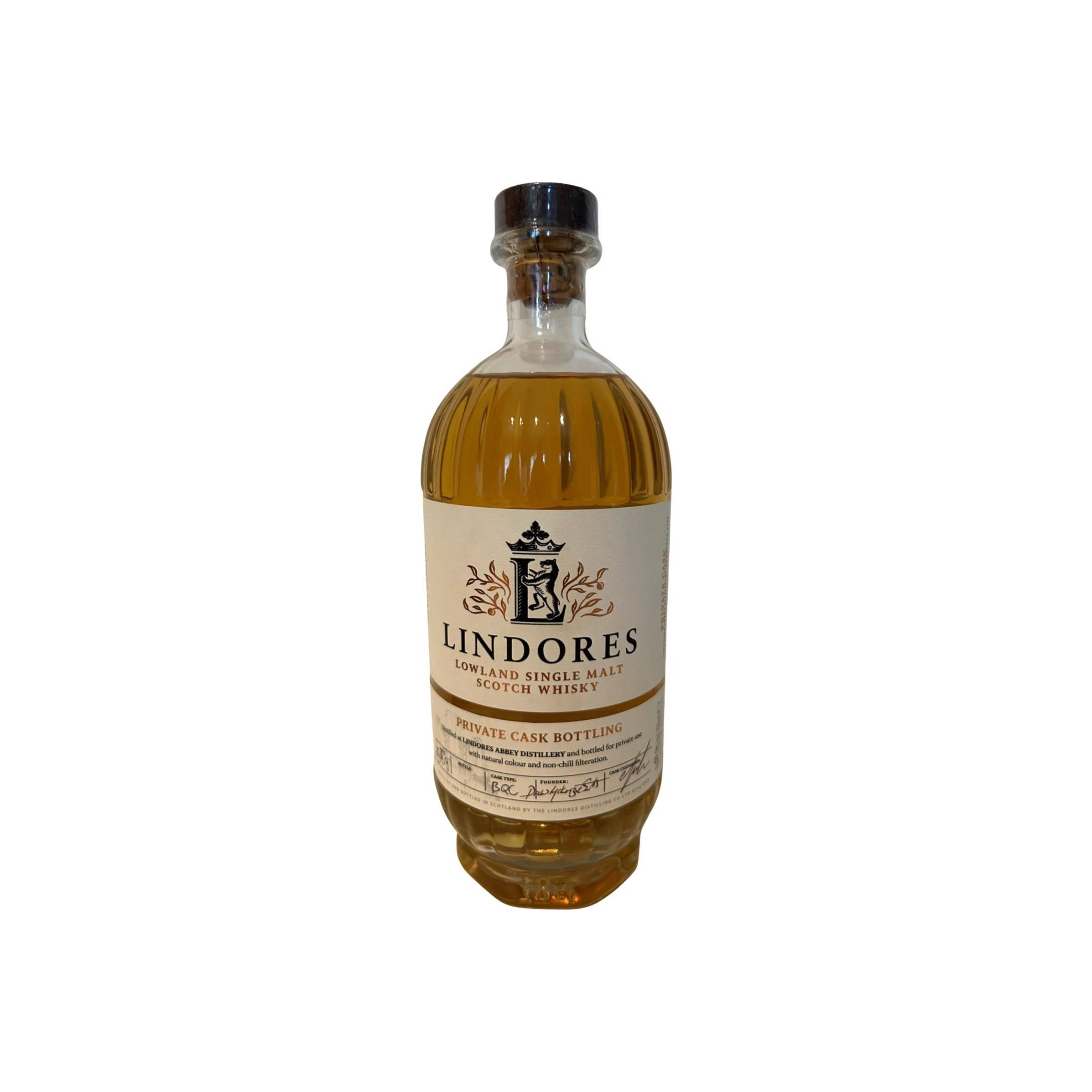
Lindores Abbey 2020 Single Malt Whisky
Lindores Abbey
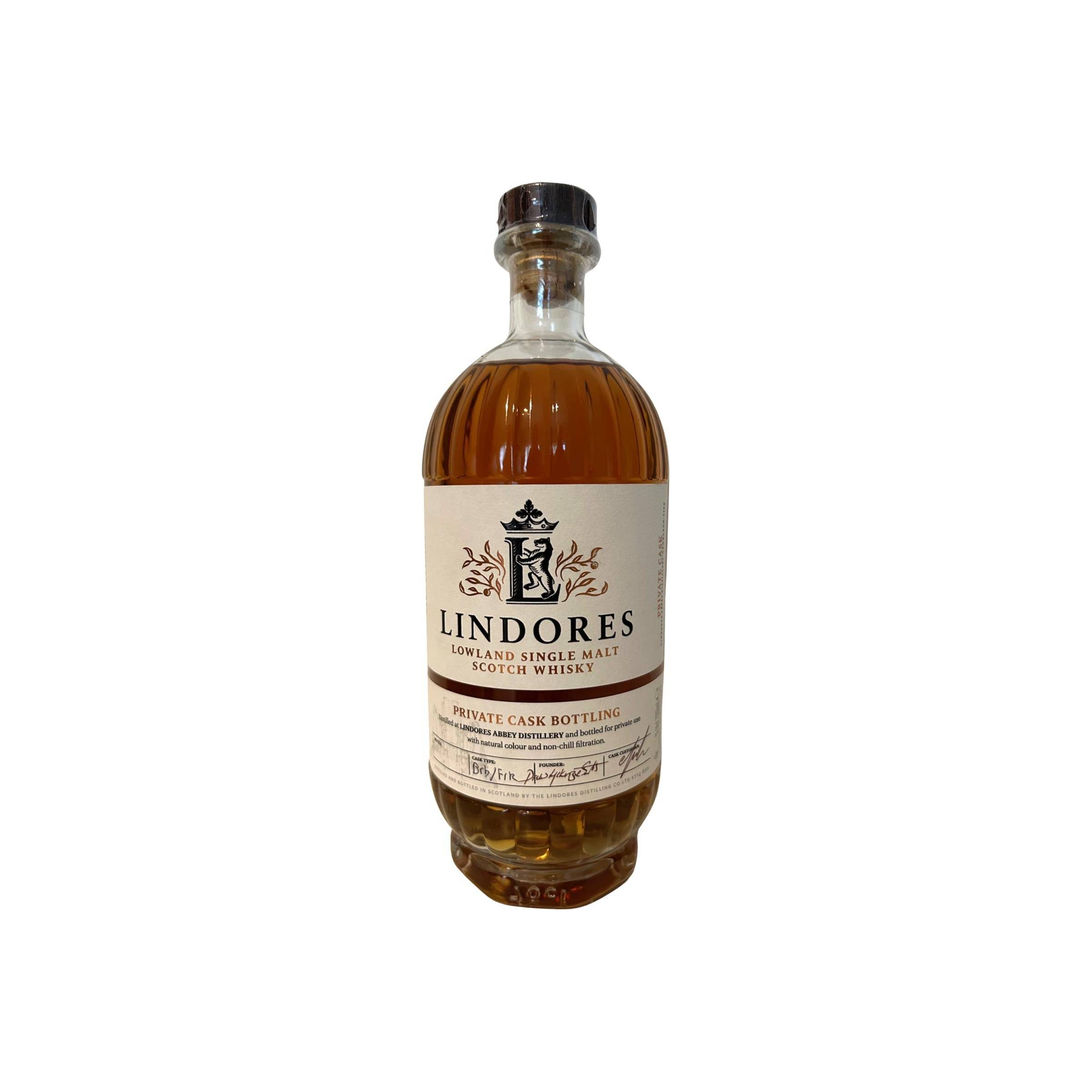
Lindores Abbey 2019 Single Malt Whisky
Lindores Abbey

Lindores Abbey 2018 Single Malt Whisky
Lindores Abbey