

Rosebank Distillery: The Legendary Lowland Phoenix Established in 1798 on the banks of the Forth & Clyde Canal in Falkirk, Rosebank was once considered the quintessential expression of Lowland single malt Scotch whisky. Despite its relatively modest size, the distillery garnered an almost cult-like following among connoisseurs who prized its distinctive triple-distillation process and elegant, floral character—a style that stood in refined contrast to the more robust malts of other regions. The distillery's reputation was such that in 1982, Rosebank 8-Year-Old was selected for the prestigious Ascot Malt Cellar collection alongside legendary malts like Lagavulin, Talisker, and Linkwood. However, when Diageo's predecessor launched the Classic Malts series in 1988, Rosebank was controversially overlooked in favor of Glenkinchie—a decision that has been debated by whisky enthusiasts for decades. Many argued then, as now, that Rosebank's delicate, complex profile better represented the Lowland style. Tragically, the distillery ceased production in 1993 and fell into silence. Despite numerous revival attempts over the subsequent decade, none came to fruition. The situation worsened in 2008 when copper thieves stripped the facility of its stills and equipment, seemingly sealing its fate as a lost legend. In 2017, independent bottler Ian Macleod Distillers acquired the site from Scottish Canals and purchased the Rosebank trademark and remaining stocks from Diageo, initiating one of Scotch whisky's most anticipated resurrections. After securing planning permission in early 2019, a meticulous £12 million restoration began, respecting the original architectural heritage while incorporating modern sustainability standards. The revived Rosebank distillery, operational from autumn 2020, faithfully recreates its historic triple-distillation method using three bespoke copper pot stills and traditional worm tub condensers—a rare configuration that produces the spirit's signature light, fruity, and refined character. With an annual production capacity of one million liters, the new Rosebank honors its legacy while ensuring this lost Lowland treasure can be discovered by a new generation of whisky lovers. The final original distillery bottling was a 21-year-old released in Diageo's 2014 Special Releases, now a highly coveted collector's item.
History
Local grocer James Rankine built Rosebank Distillery in the malthouse of the former Camelon Distillery (1817-1819). Its location was ideal: the distillery was erected on the banks of the Forth and Clyde Canal, one mile from Falkirk, "close to the busy main road, with the canal in front of the distillery where small boats and steamers passed in succession" (Barnard, 1885). Ironically, it was this busy main road that led to Rosebank's demise. Rankine began operations in 1840, expanding the premises five years later. By the 1860s, the distillery was managed by his son R.W. Rankine, who in 1864 used red bricks to "rebuild the distillery in a modern fashion" (Barnard). One side of the building faced the canal, the other the road, arranged around a courtyard. The following year, he demolished the main building on the other side of the canal and constructed a new malthouse there, connecting them via a swing bridge. On the other side of the bridge stood Rosebank House, Mr. Rankine's "country residence," set within a three-acre garden. In 1914, under the leadership of D.C.L. general manager W.H. Ross, Rosebank joined with Glenkinchie, Saint Magdalene, Grange and Clydesdale to form S.M.D., and in 1925 became part of this larger company. Despite its good reputation, the distillery closed in 1993, partly due to poor road access, and partly because the cost of upgrading its effluent treatment facilities to meet European standards was too high. The late whisky writer Michael Jackson called this "a painful loss." In 1998, the bonded warehouses on the west side of the canal (the main distillery buildings were on the east side) were sold and redeveloped, with part being converted into a Beefeater pub and restaurant. In 2002, the remaining parts of the site were sold to British Waterways, who demolished the malthouse to clear space for residential development. In 2008, Falkirk Distillery Company proposed building a new distillery nearby using the original stills and other equipment, but later that year, thieves posing as genuine businessmen stole the equipment stored at the distillery. The thieves remain at large to this day. On October 10, 2017, the day after Diageo announced plans to reopen Port Ellen and Brora, it was reported that Ian Macleod & Company (owners of Glengoyne and Tamdhu distilleries) had reached agreements with British Waterways (regarding the site) and Diageo (regarding the Rosebank brand name and existing stock). Production was expected to restart in 2020.
Curiosities
Rosebank enjoyed the highest reputation among Lowland single malts: in the 1890s, 'demand for the brand was so great that many customers had to accept allocations lower than their orders.' (Speller) The 1920s and 1930s were difficult years for the whisky industry. Many distilleries were forced to close. In 1930, D.C.L. consolidated all distilleries under the S.M.D. banner, and used this subsidiary to buy and close struggling distilleries in order to control production and prices. By 1935, S.M.D. had 51 Lowland malt whisky distilleries under its banner. Like many Lowland distilleries, Rosebank preferred triple distillation.
Timeline
James Rankine established the distillery.
Distillery expansion.
James Rankine acquired Camelon Distillery on the west bank of the Forth-Clyde canal.
Rosebank Distillery Company was established.
Merged to become Scottish Malt Distillers (SMD).
SMD became part of Distillers Company Limited (DCL).
DCL launched the Ascot Malt Cellar series.
In June, the distillery closed.
British Waterways acquired the distillery buildings.
Stills and other equipment were stolen.
Diageo released Rosebank 21 Year Old under the Special Releases series.
Ian Macleod Distillers purchased the distillery from Scottish Canals, acquired from Diageo
Hot Search Whiskies
Showing top 10
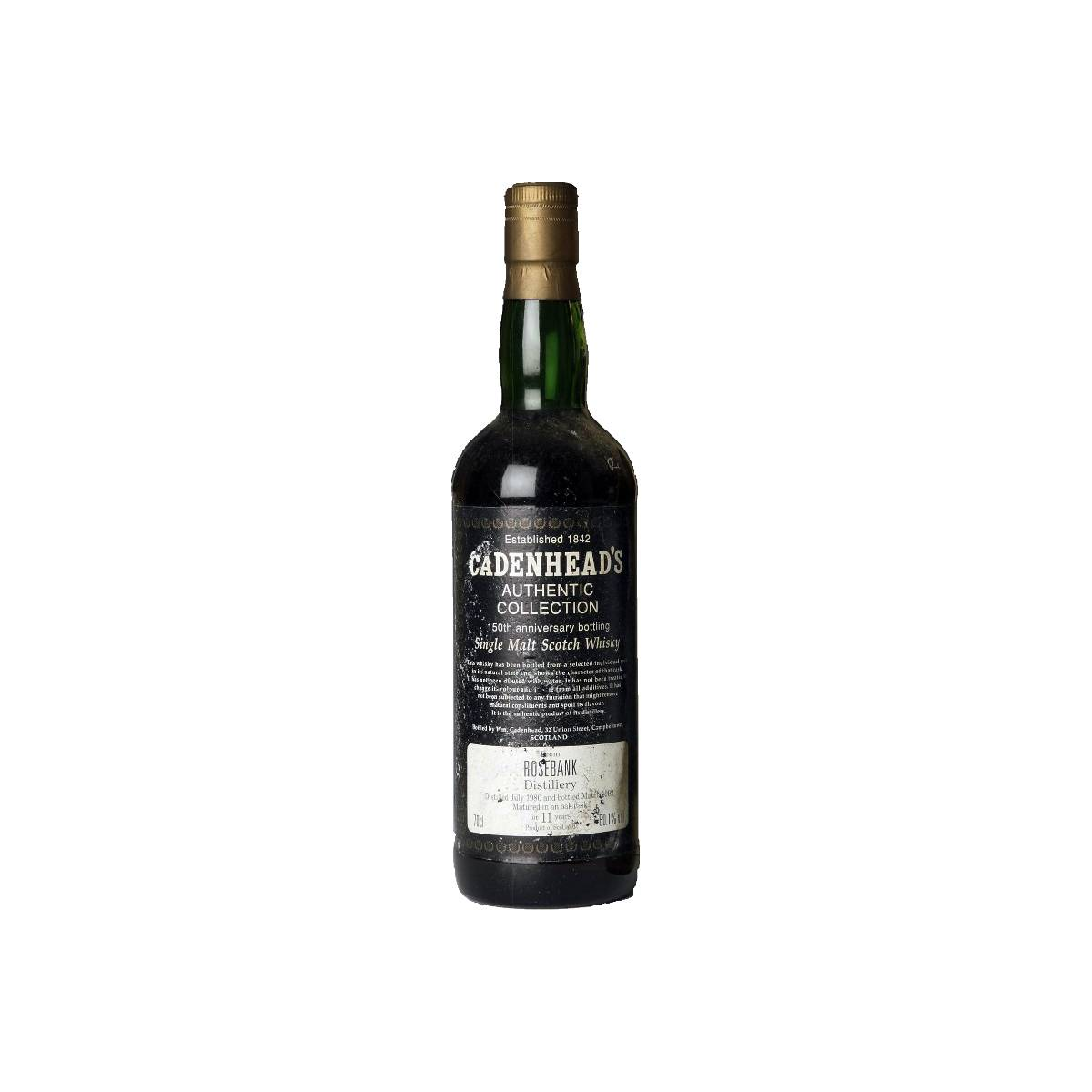
Rosebank 1980 11 Years Single Malt Whisky
Rosebank
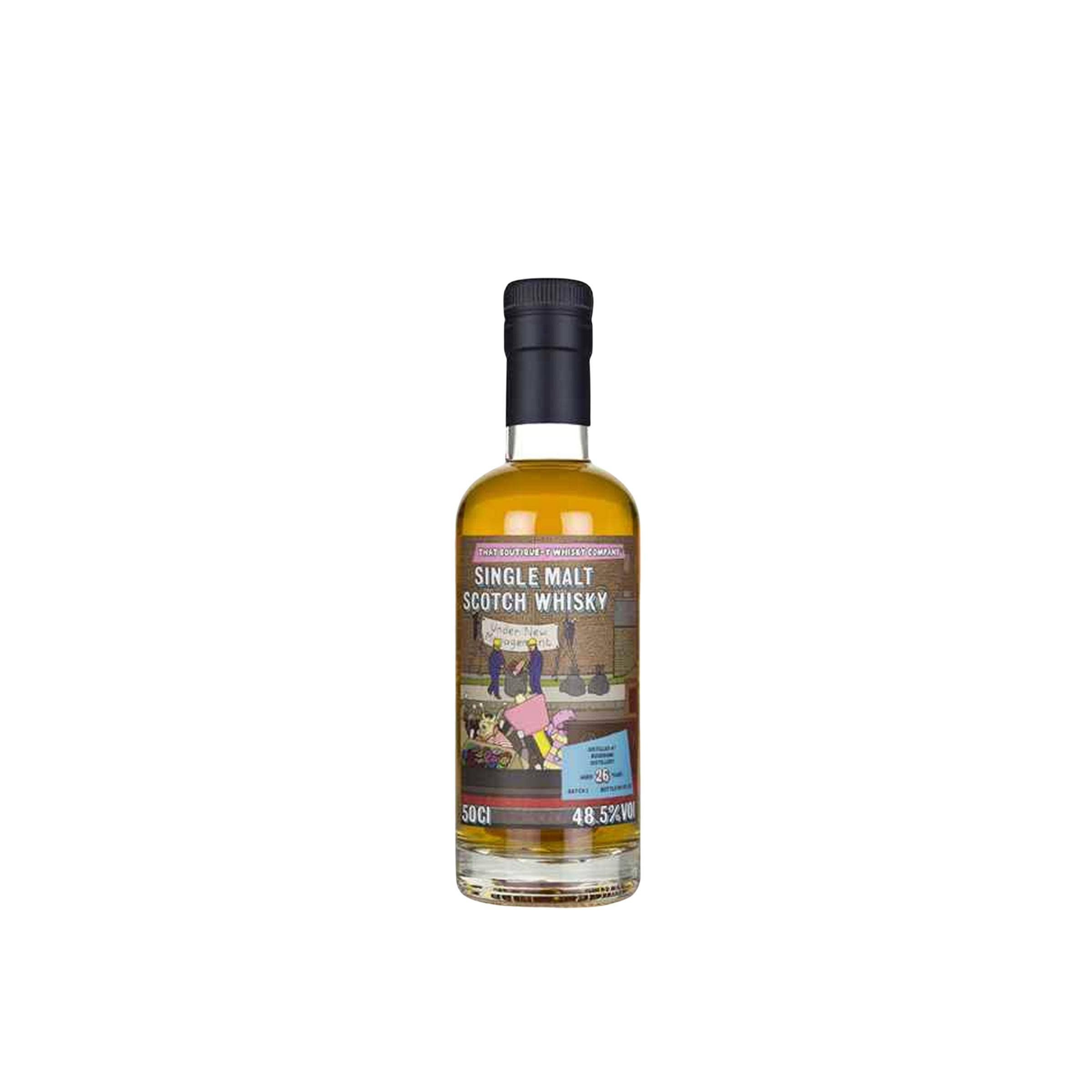
Rosebank 26 Years Single Malt Whisky
Rosebank
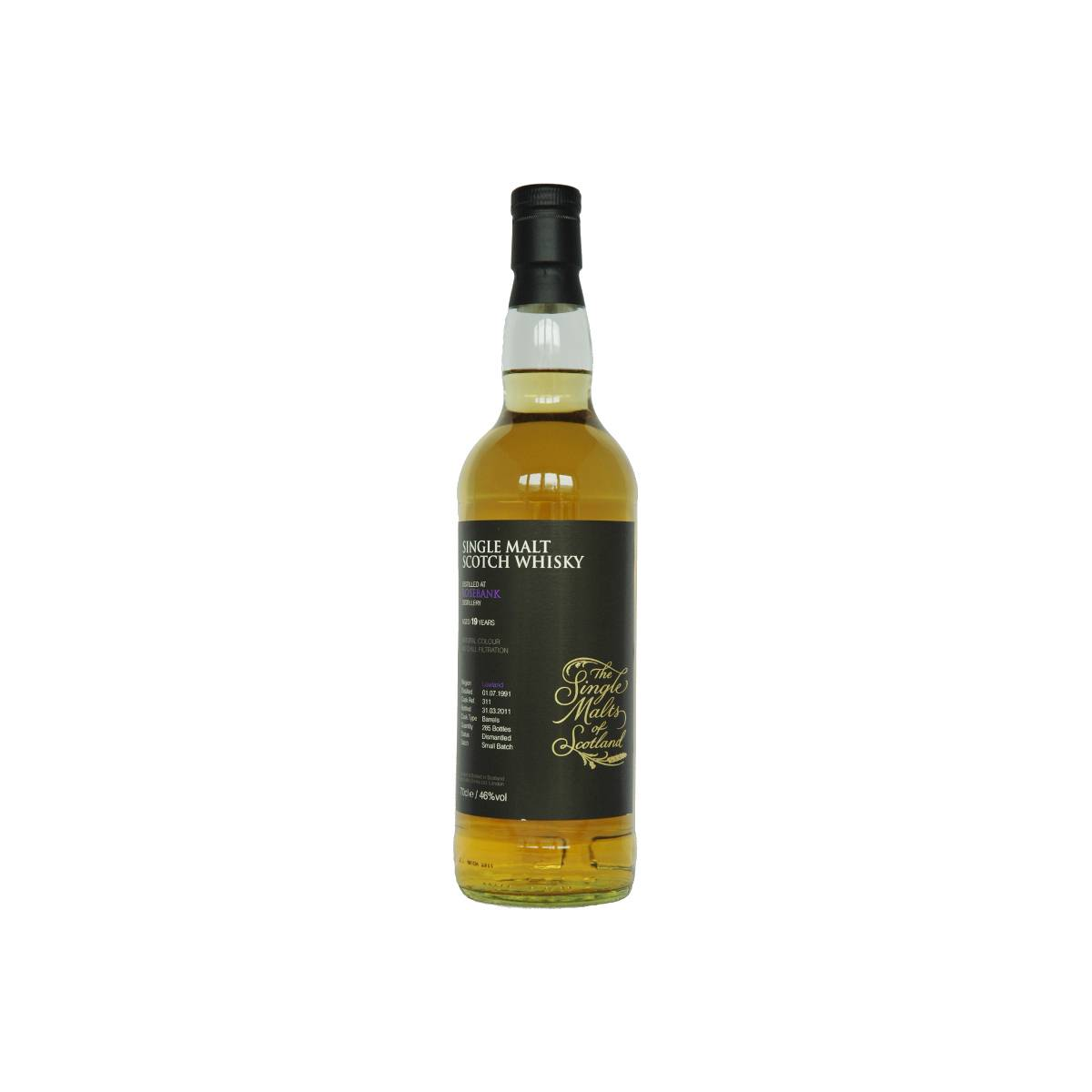
Rosebank The Single Malts of Scotland 1991 19 Years Single Malt Whisky
Rosebank
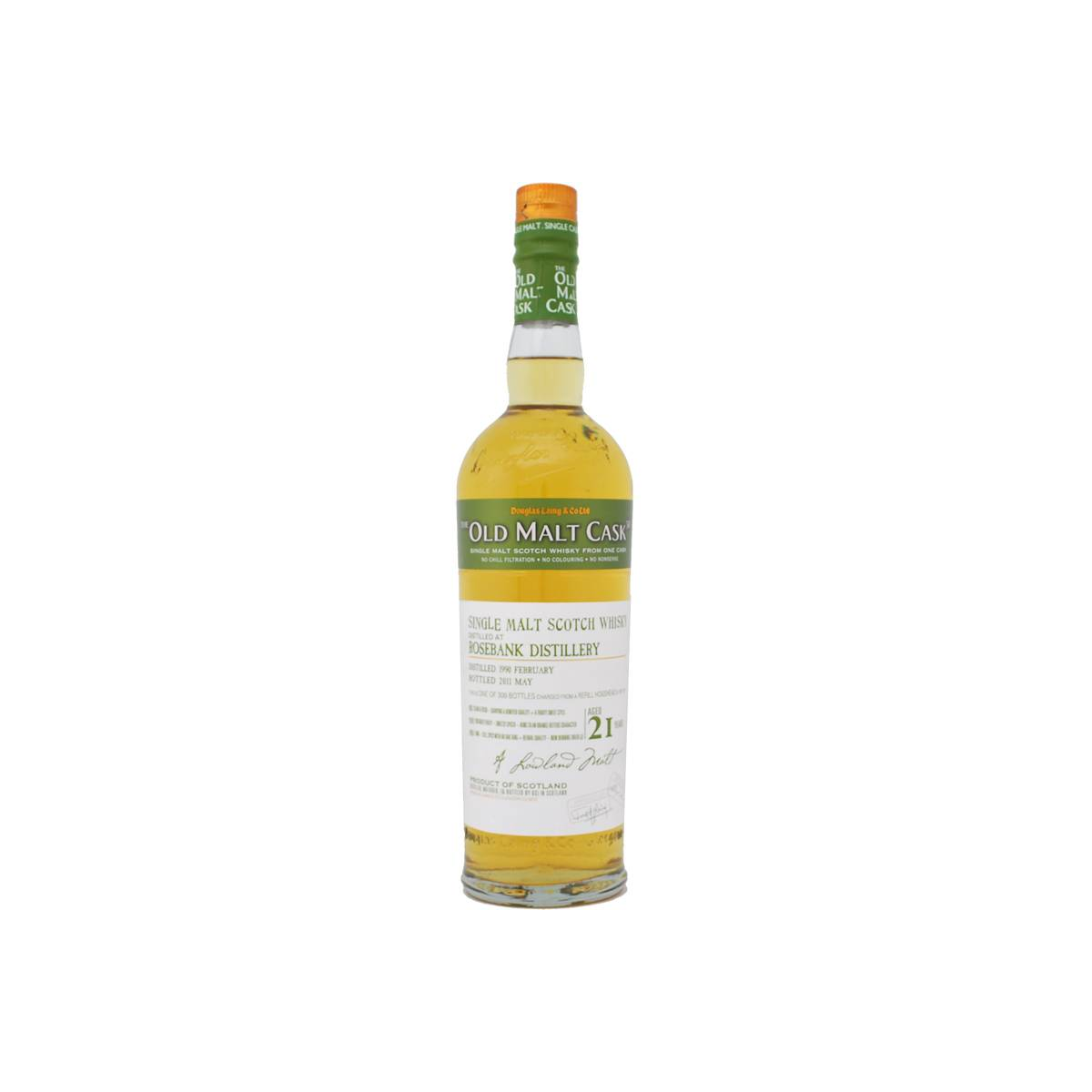
Rosebank Old Malt Cask 1990 21 Years Single Malt Whisky
Rosebank
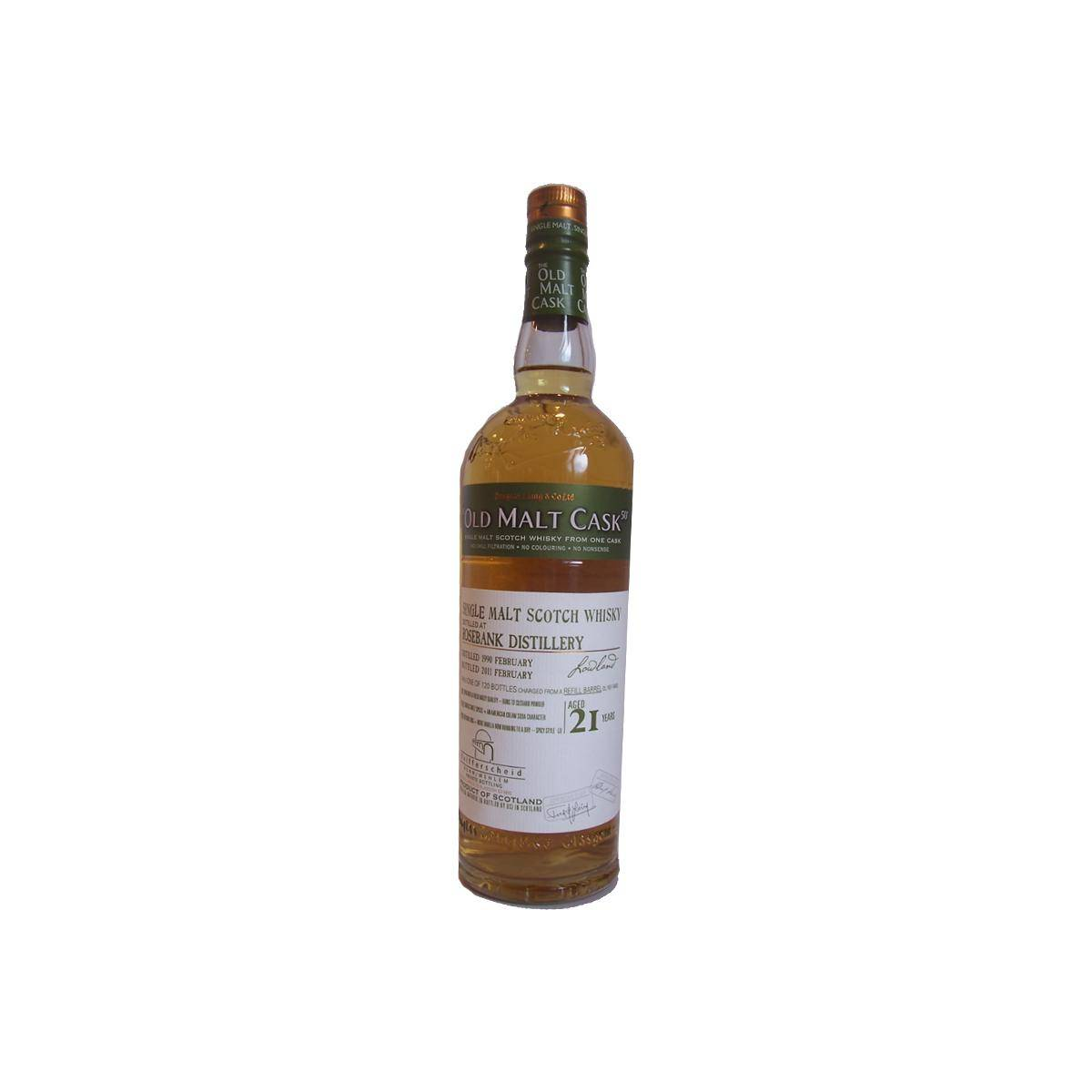
Rosebank Old Malt Cask 1990 21 Years Single Malt Whisky
Rosebank
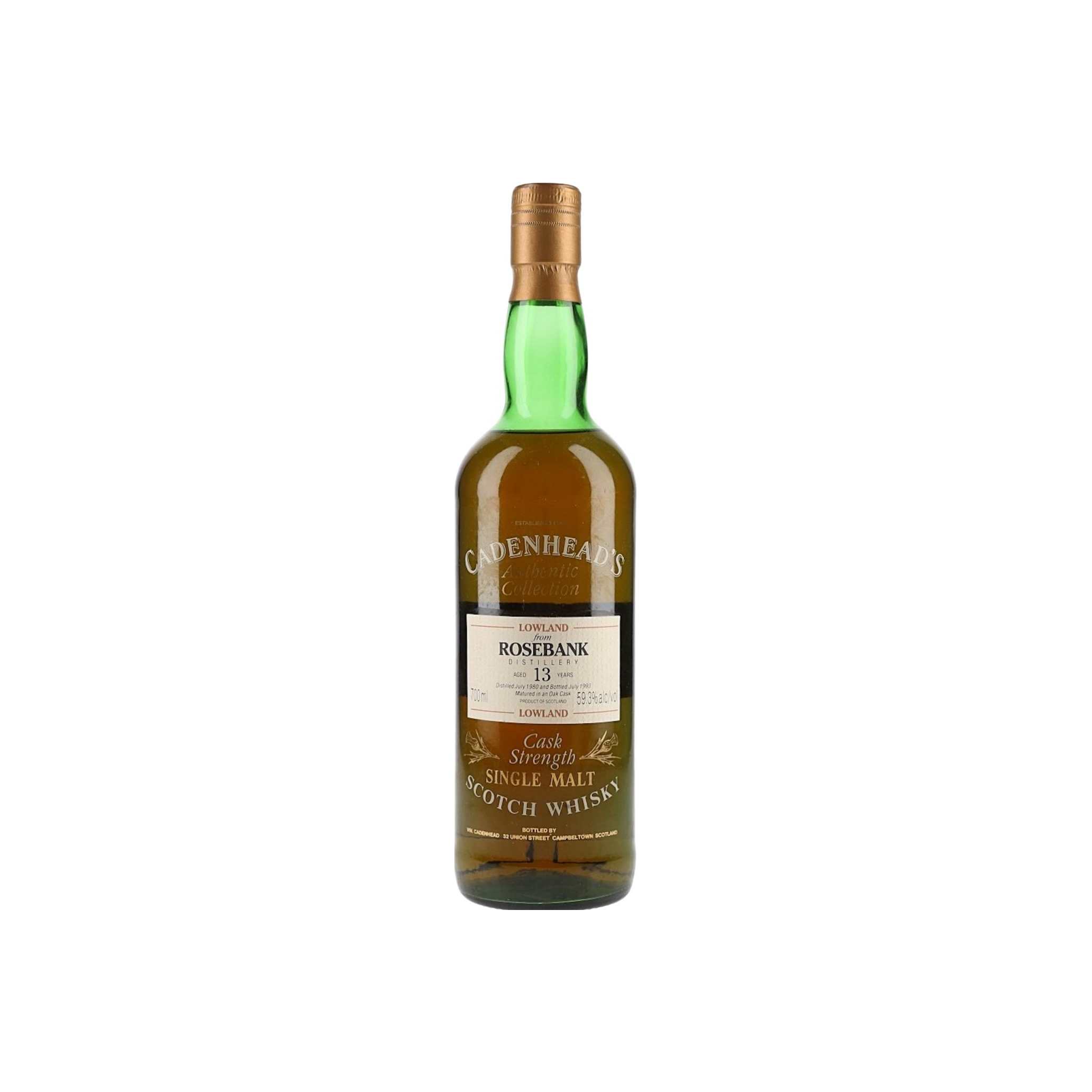
Rosebank Authentic Collection 1980 13 Years Single Malt Whisky
Rosebank
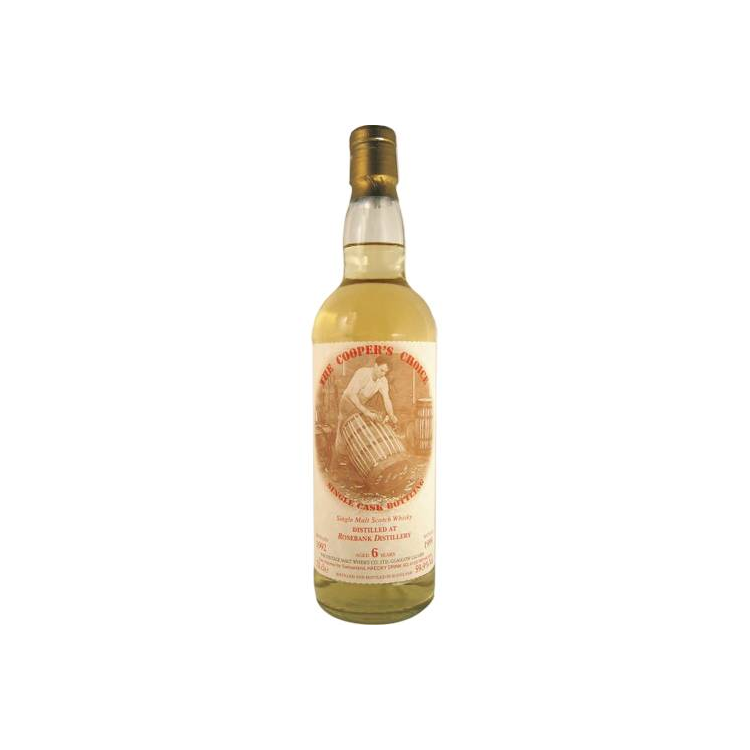
Rosebank The Cooper's Choice 1992 6 Years Single Malt Whisky
Rosebank
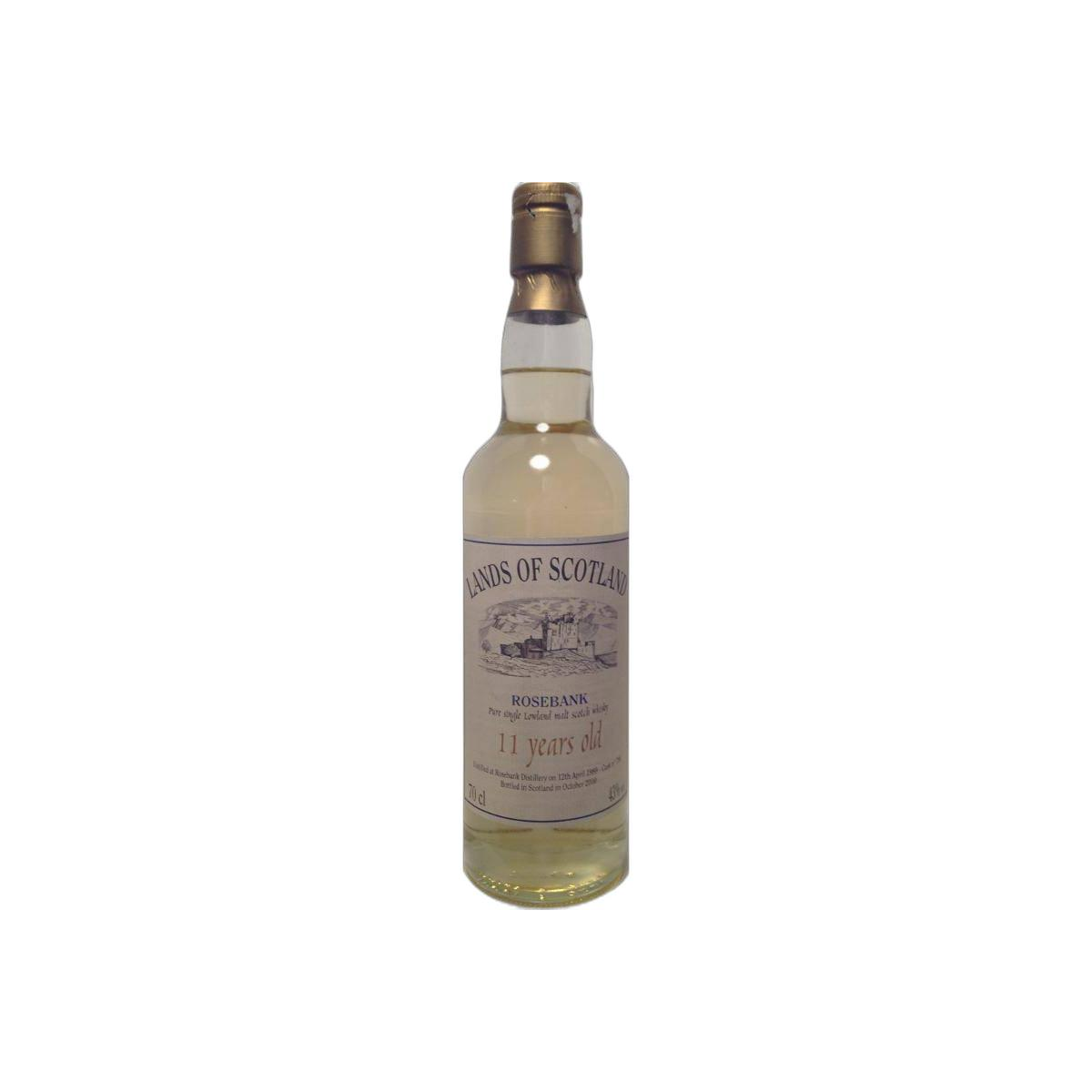
Rosebank 1989 11 Years Single Malt Whisky
Rosebank
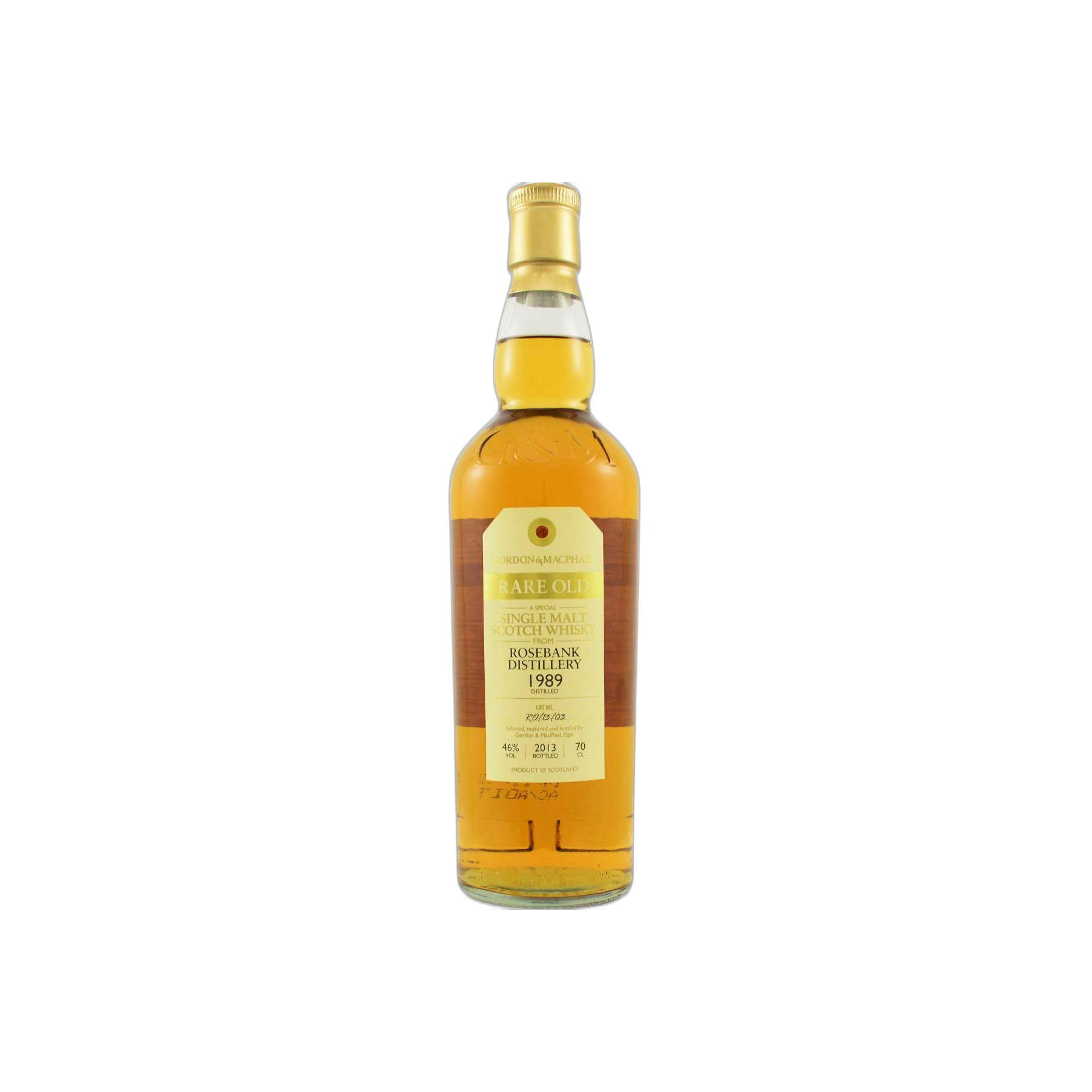
Rosebank 1989 24 Years Single Malt Whisky
Rosebank
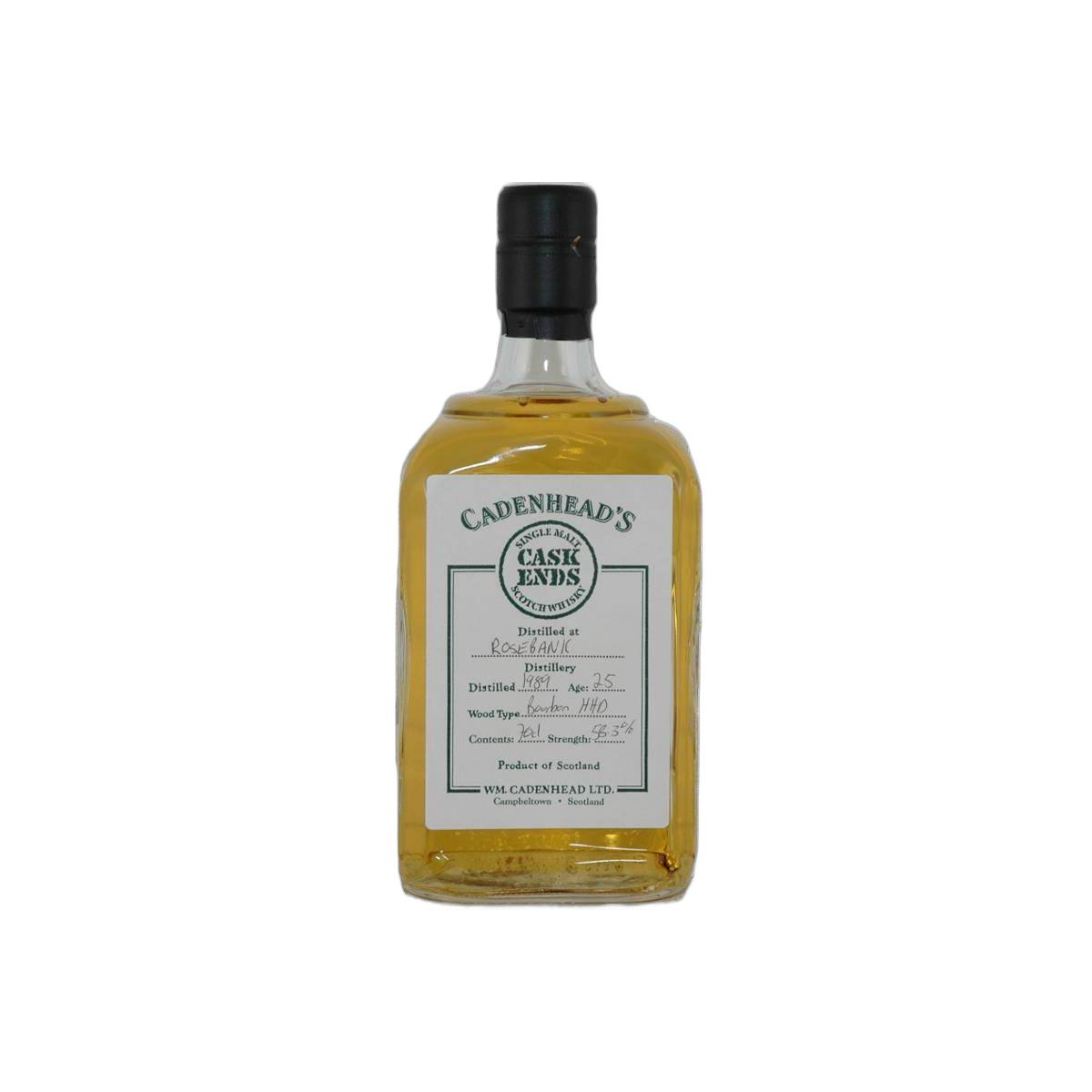
Rosebank 1989 25 Years Single Malt Whisky
Rosebank