
Bruichladdich
Bruichladdich Distillery, established in 1881 on the western shore of Loch Indaal on Islay, stands as one of Scotland's most progressive and terroir-f...
Bruichladdich Distillery, established in 1881 on the western shore of Loch Indaal on Islay, stands as one of Scotland's most progressive and terroir-focused whisky producers. Under the stewardship of Rémy Cointreau since 2012, the distillery has built its reputation on challenging industry conventions while championing Islay's agricultural heritage. The distillery's commitment to producing the purest expression of Islay single malt begins with its unique approach to barley sourcing. Islay's agricultural landscape presents a distinctive challenge: while few farmers cultivate barley on the island, thousands of protected barnacle geese winter there, feeding on standing crops and significantly impacting yields. In response, Bruichladdich has collaborated with local growers to develop late-sown, early-harvested barley varieties that mature before the geese's arrival, ensuring both wildlife protection and sustainable grain supply. Production specifications reflect Bruichladdich's craft-focused philosophy. The facility operates with a 7-ton cast iron open-top mashtun, six Oregon pine washbacks with fermentation times extending 60-100 hours for enhanced flavor development, and four uniquely tall, narrow-necked stills that produce an exceptionally pure spirit. In 2019, the distillery conducted 9-10 mashes weekly, yielding approximately one million liters of new make spirit annually. The barley regimen emphasizes Scottish provenance, with 50% sourced from Islay and 5% from organic cultivation. In 2017, the distillery pioneered a unique cask experiment, filling 30 casks constructed from three American oak varieties with a mash bill comprising 55% unmalted black barley and 45% malted barley. Though production temporarily halted in 2018, operations resumed within a year. Bruichladdich's portfolio is structured around three distinct brands, each representing different peat profiles: Bruichladdich (unpeated, 0-3 PPM), Port Charlotte (heavily peated, 40 PPM), and Octomore (super heavily peated, 80-300+ PPM). Core expressions include The Classic Laddie and Port Charlotte 10 Year Old, both released without age statements to prioritize flavor profile over vintage. The distillery's provenance-driven limited editions feature vintage-specific releases such as Islay Barley 2011, Bere Barley 2010, and The Organic 2010, alongside Port Charlotte's Islay Barley 2011 and MRC:01 2010. Exclusive travel retail offerings comprise The Laddie 8, Bruichladdich 1990, Port Charlotte MC:01, and Octomore 09.2. The prestigious Rare Cask series showcases vintage stocks from 1984-1986, while the enigmatic Black Art series continues with Edition 7.1 released in September 2019. The Octomore 10 series, launched in late 2019, demonstrates innovative cask management: 10.1 (5 years, bourbon casks), 10.2 (8 years, bourbon and Sauternes casks), and 10.3 (5 years, Islay-grown barley from Octomore Farm). The 10.4 edition, released in January 2020, features a 3-year maturation in virgin Limousin oak. Feis Ile 2019 special editions included Octomore Event Horizon 12 Year Old and Bruichladdich Valinch 13 Year Old matured in sherry casks. Having ceased in-house malting in 1961, Bruichladdich plans to reinstate this process within three to five years, adopting a Saladin box system—consistent with their current supplier Baird's methodology—to maintain their established flavor profile while achieving vertical integration.
History
Bruichladdich has enjoyed a renaissance since being acquired in 2000 for £6.5 million by a private consortium led by London wine merchant Mark Reynier and backed by local investors. In the previous decade, the distillery only operated briefly under Whyte & Mackay (during JBB Europe's ownership—Whyte & Mackay had acquired Bruichladdich when they took over Invergordon Distillers in 1993), spending much of the time closed. Bruichladdich was built from scratch in 1881 by the Harvey brothers (owners of Dundashill in Glasgow and York Distillery) using new materials of the time: concrete and beach pebbles. After William Harvey's death in 1937, the distillery was sold to Joseph Hobbs, who took over operations through his company Associated Scottish Distillers (A.S.D.) until selling it in 1952 for £205,000 (stock value) to Ross & Coulter—Glasgow whisky brokers and owners of Bladnoch Distillery. Ross & Coulter had previously sold Fettercairn Distillery to A.S.D. The company was merged into D.C.L. in 1954 and ceased operations in 1960. In the same year, Bruichladdich was sold to A.B. Grant & Co., who purchased Bladnoch from Ross & Coulter. In 1968, Grant sold Bruichladdich to Invergordon Distillers for £400,000. In 1975, the distillery's capacity was doubled (to four stills), then mothballed during the difficult years of the mid-1980s, and again between 1995 and 1998—after Whyte & Mackay's 1993 acquisition of Invergordon. Production was minimal between 1998 and 1999. With support from its new owners, Bruichladdich resumed full operation in July 2001. Over the next 11 years, they tirelessly built the brand, launching hundreds of expressions. In July 2012, they successfully sold the distillery to French spirits giant Rémy Cointreau for £58 million.
Curiosities
Bruichladdich is one of only five distilleries that still complete bottling on-site, featuring the world's only belt-driven mill, a cast iron mash tun, and a riveted still, all retaining Victorian-era decoration. As the distillery's Wikipedia entry states: 'You could say it's a working distillery museum.' It's somewhat quirky and fiercely independent. Bruichladdich's former Production Director James McEwan is a legendary figure in the Scotch whisky industry. Starting in 1963, he trained as a cooper at Bowmore Distillery and managed the warehouse there until moving to Glasgow in 1977, where he lived as a whisky blender for seven years. He returned to Bowmore as distillery manager in 1984 and soon began spending most of his time traveling the world, hosting tastings and promotional events to spread whisky culture, particularly promoting Islay and Scotch whiskies. He was persuaded to take over the Bruichladdich team in 2000 and retired in 2015. Bruichladdich once became the focus of surveillance by the US Defense Threat Reduction Agency, who believed the distillery's equipment could be used to manufacture chemical weapons. The distillery owner didn't even know about it until a helpful US agent told them the webcam monitoring the still room was broken! Seizing the opportunity, Bruichladdich released a limited-edition commemorative bottling! In addition to traditional unpeated malt whisky, Bruichladdich also produces heavily peated whiskies, including Octomore and Port Charlotte. According to Martin Martin in 'A Description of the Western Isles of Scotland,' in 2006 the distillery also produced the highest alcohol content (at least in modern times) malt whisky: triple-distilled Trestarig and quadruple-distilled Usquebaugh-baul. The latter translates to 'perilous whisky,' with a cask strength of 88% vol. In 2010, the distillery installed a Lomond still from Inverleven Distillery in Dumbarton. After adjustments by Master Distiller James McEwan, they began distilling 'The Botanist' Islay dry gin in 2011.
Timeline
Bruichladdich Distillery Co., Ltd. was established and the distillery was rebuilt.
The distillery was temporarily closed.
The distillery reopened.
Alexander Tolmie and others acquired Bruichladdich Distillery through Train & McIntyre Company.
Bruichladdich Distillery was sold to Ross & Coulter Company.
A.B. Grant acquired Ross & Coulter Company.
The distillery ceased in-house malting.
Invergordon Distillers Group took over.
The number of stills was increased to four.
The distillery was temporarily closed.
Whyte & Mackay Company acquired the distillery from Invergordon.
In January, the distillery was closed.
The distillery operated for a few months again.
Murray McDavid Company acquired the distillery from JBB Greater Europe Company.
In July, Port Charlotte and Bruichladdich began their first distillation.
The world's most heavily peated whisky — Octomore (>80 ppm) — began its first distillation.
Released the second edition of Bruichladdich 20 Year Old (nicknamed 'Flirtation'), among others.
Launched new expressions including the second edition of 3D, Infinity, Rocks, Legacy series, etc.
Port Charlotte released its first official bottling: PC5.
Launched new expressions including: Redder Still, Legacy 6, PC6, and an 18-year-old whisky.
Hot Search Whiskies
Showing top 10
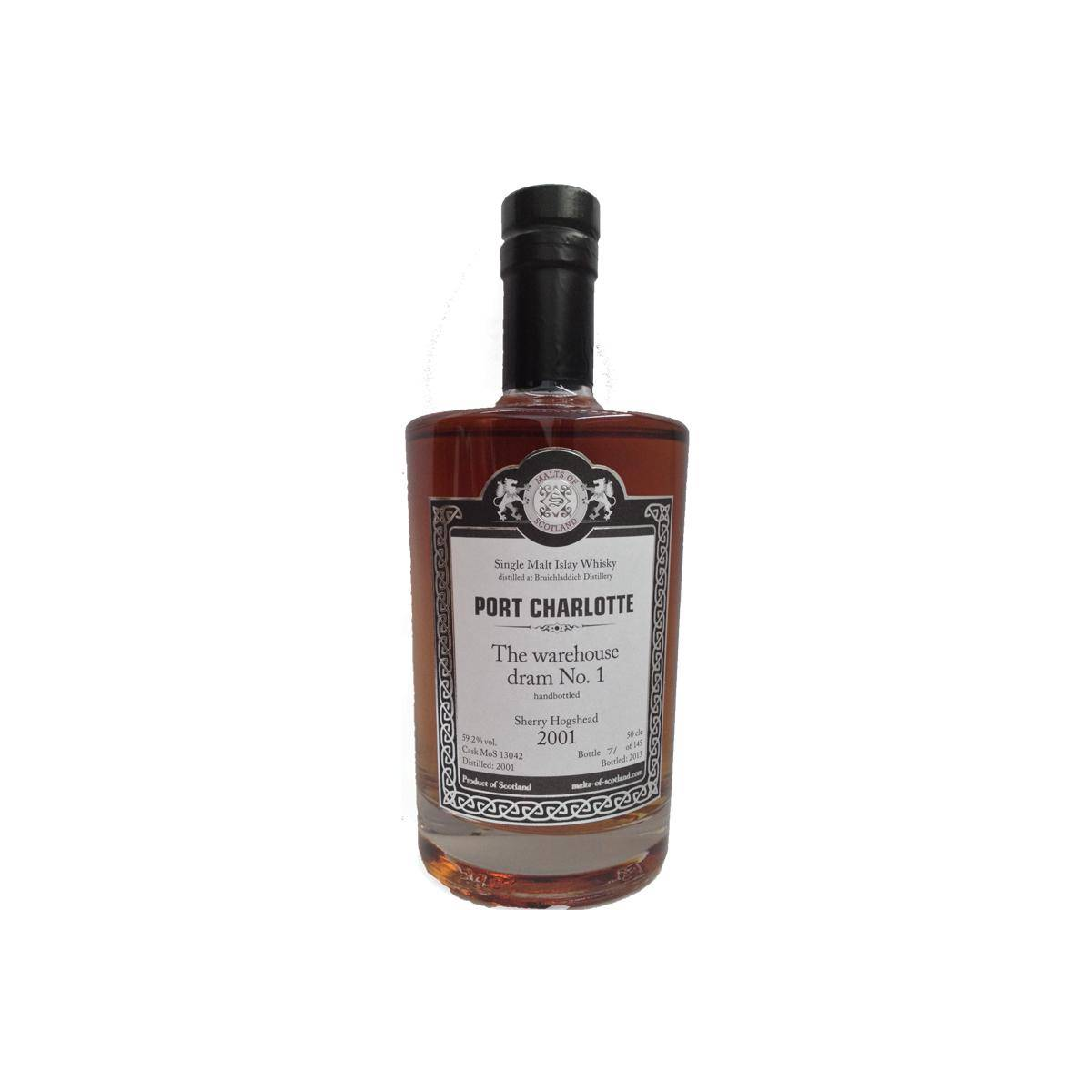
Bruichladdich 2001 12 Years Single Malt Whisky
Bruichladdich
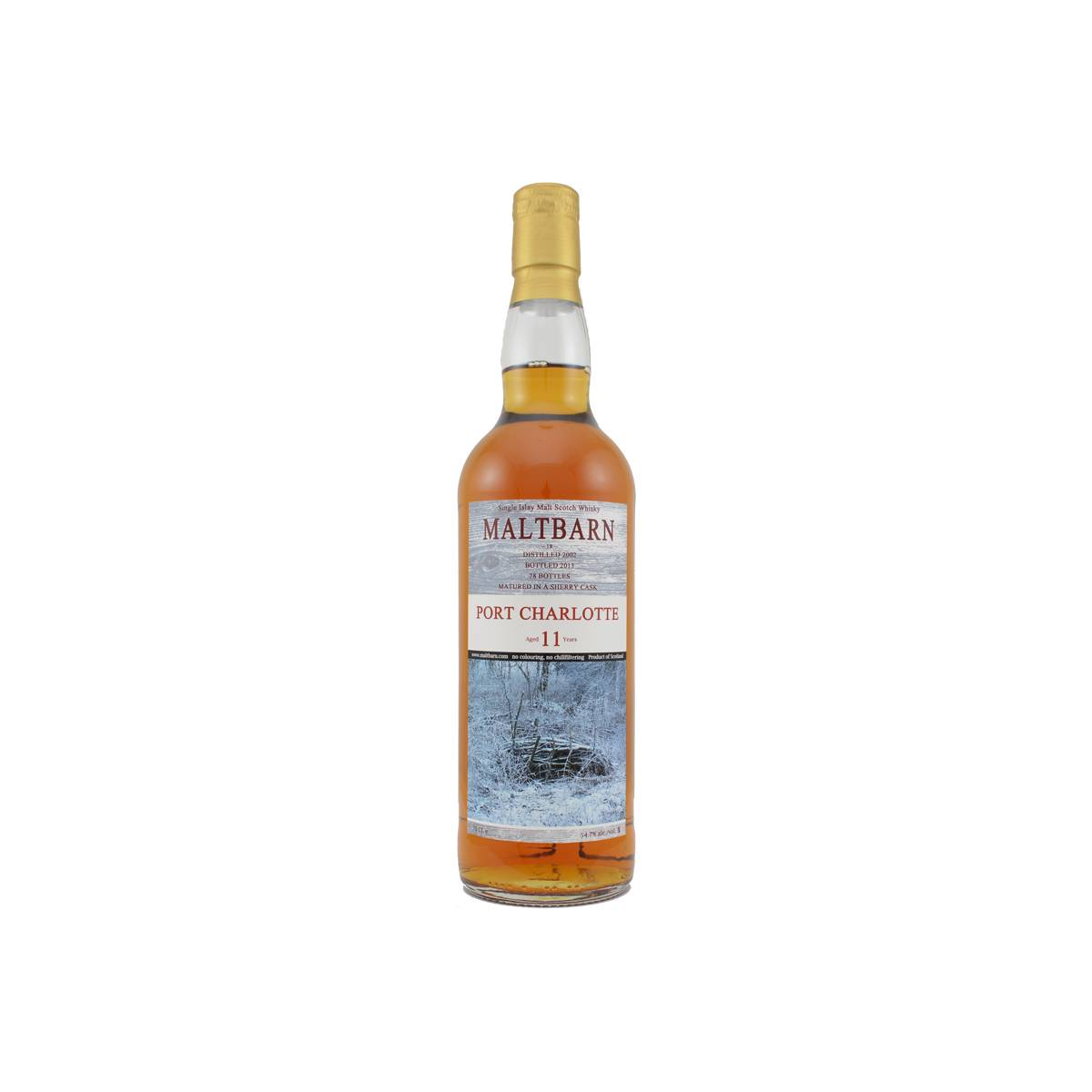
Bruichladdich 2002 11 Years Single Malt Whisky
Bruichladdich
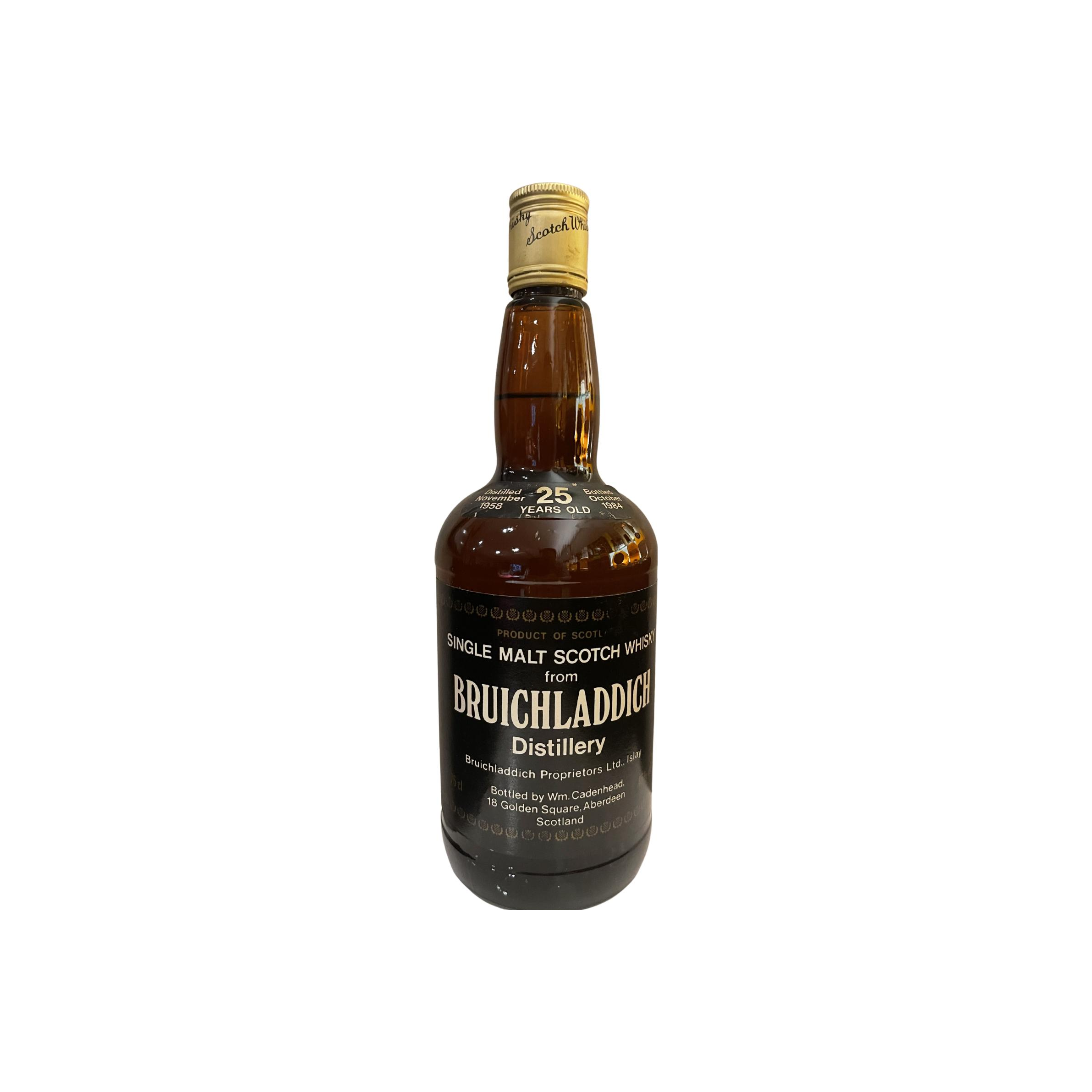
Bruichladdich 1958 25 Years Single Malt Whisky
Bruichladdich
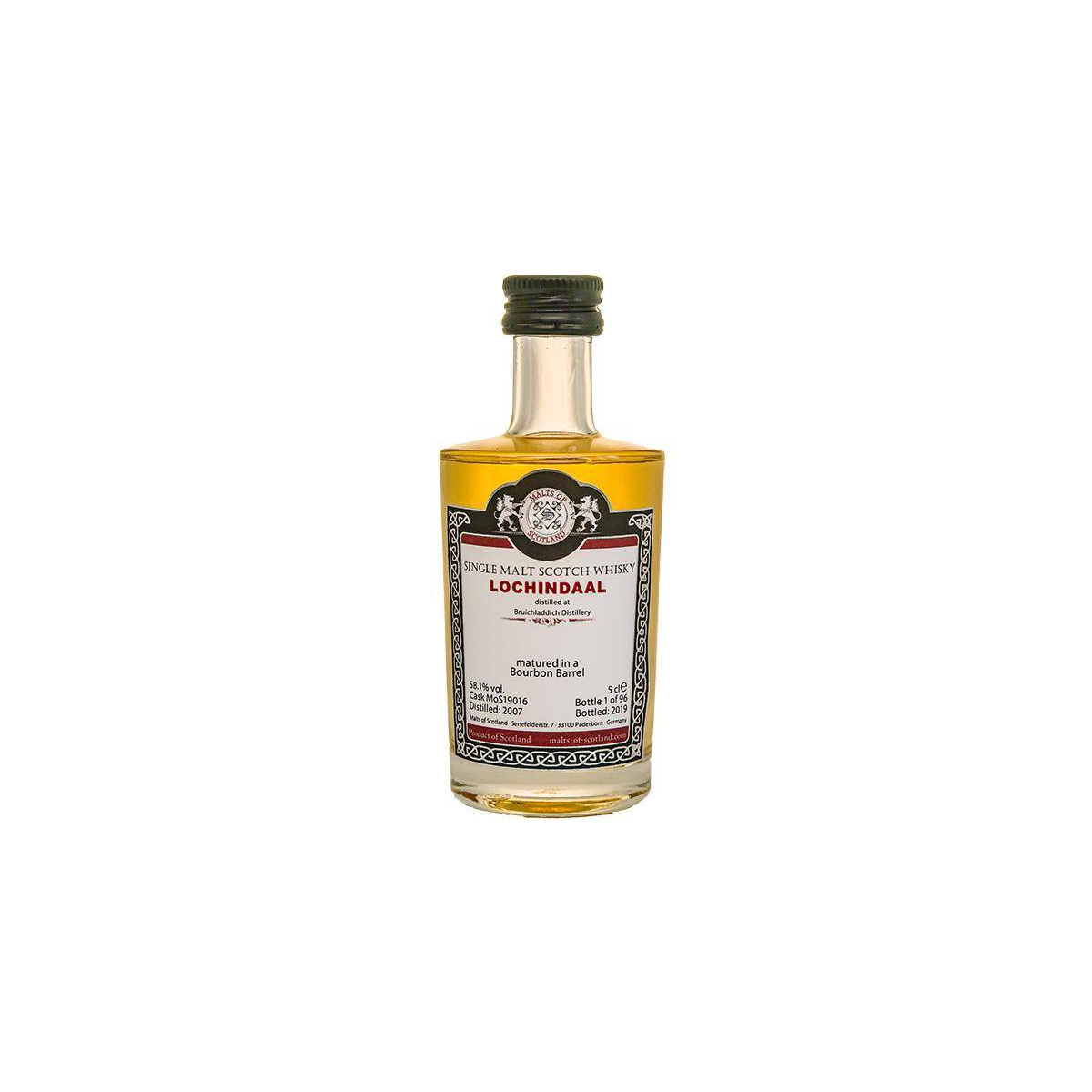
Bruichladdich 2007 12 Years Single Malt Whisky
Bruichladdich
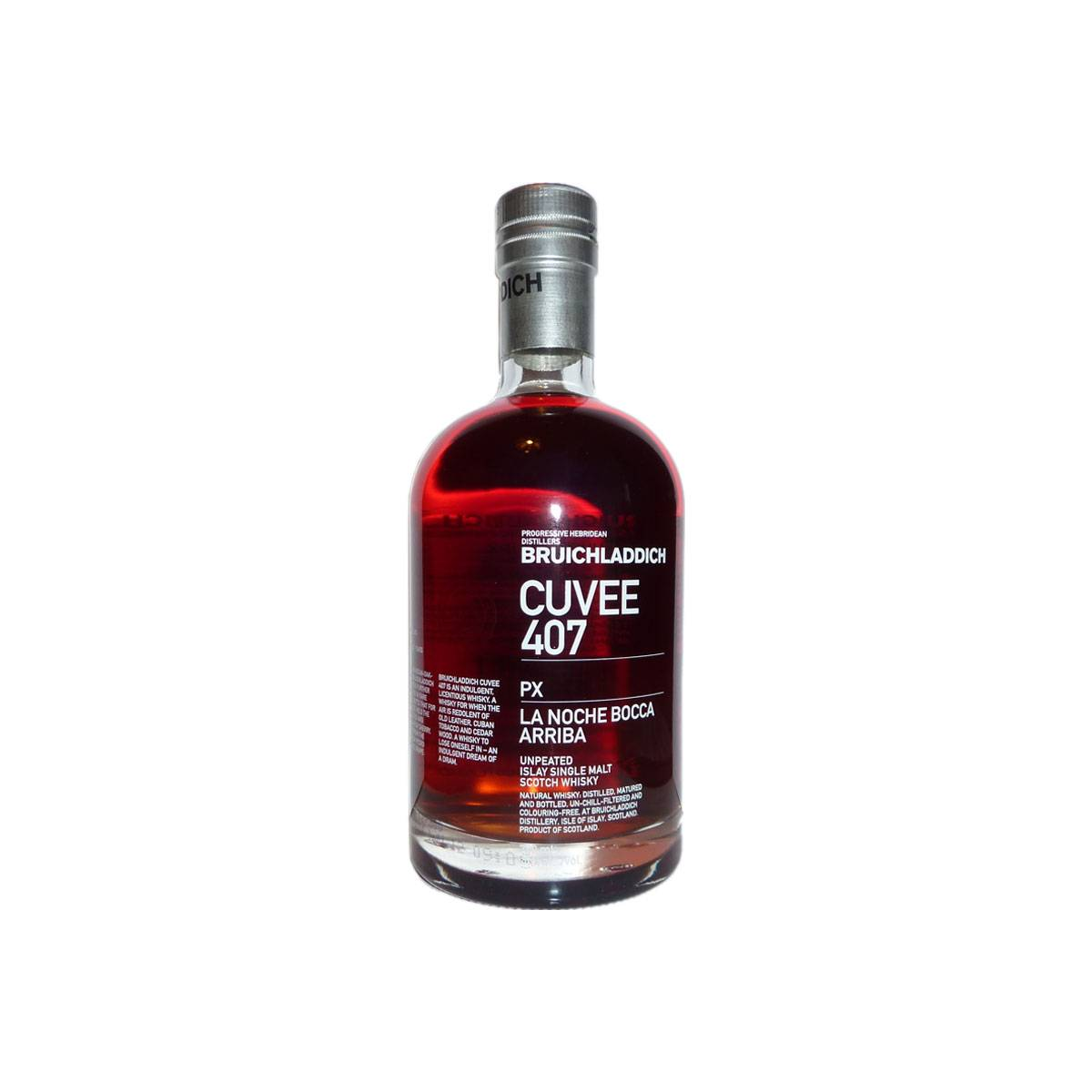
Bruichladdich 21 Years Single Malt Whisky
Bruichladdich
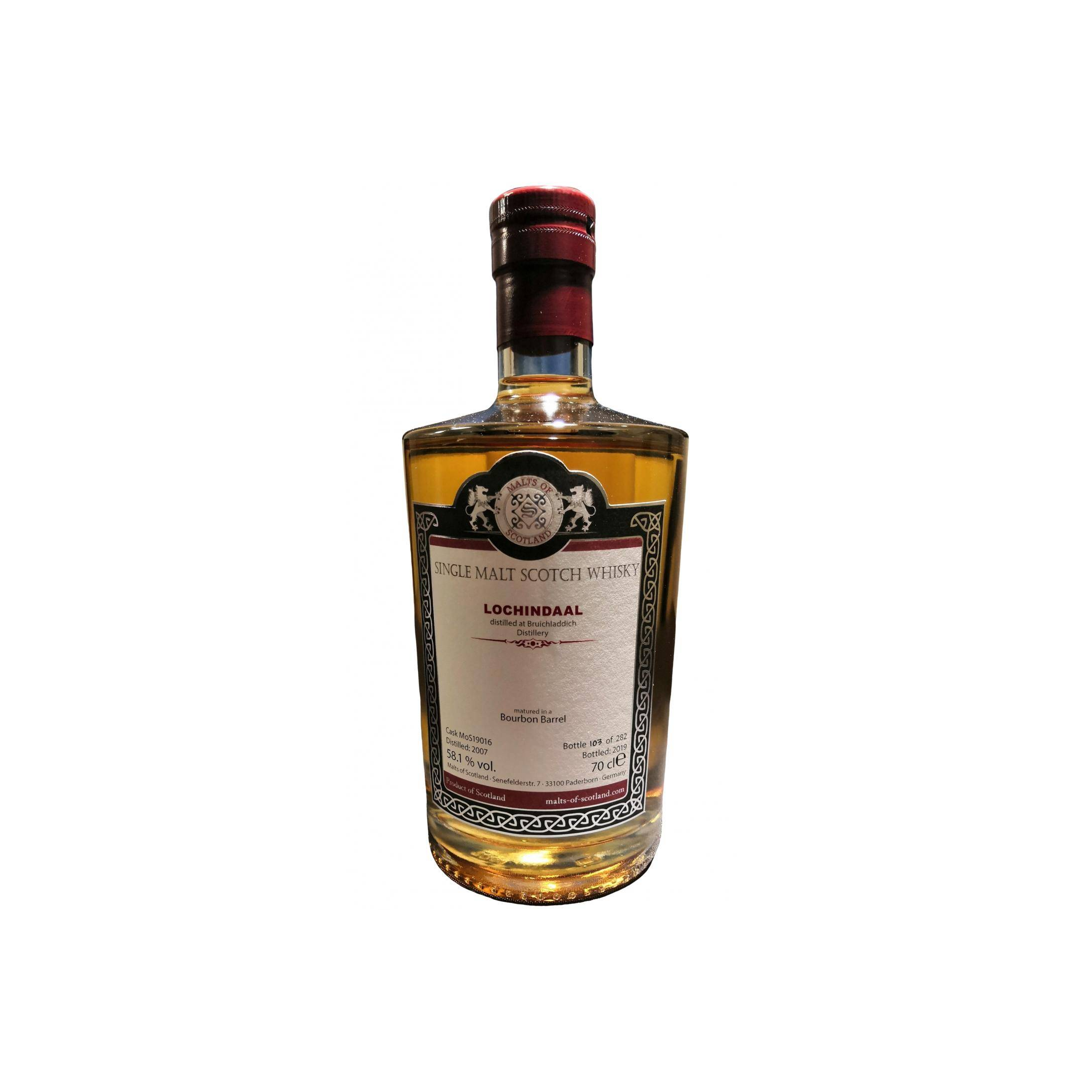
Bruichladdich 2007 12 Years Single Malt Whisky
Bruichladdich
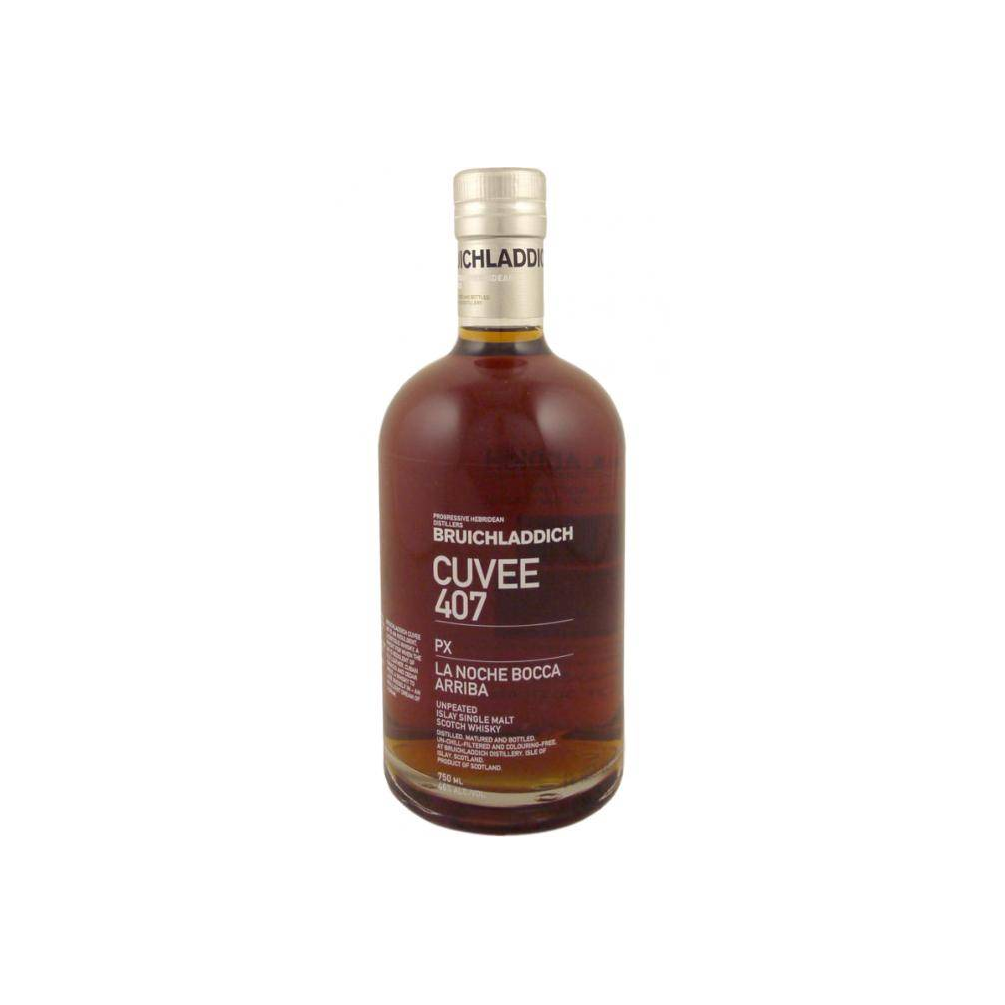
Bruichladdich 21 Years Single Malt Whisky
Bruichladdich
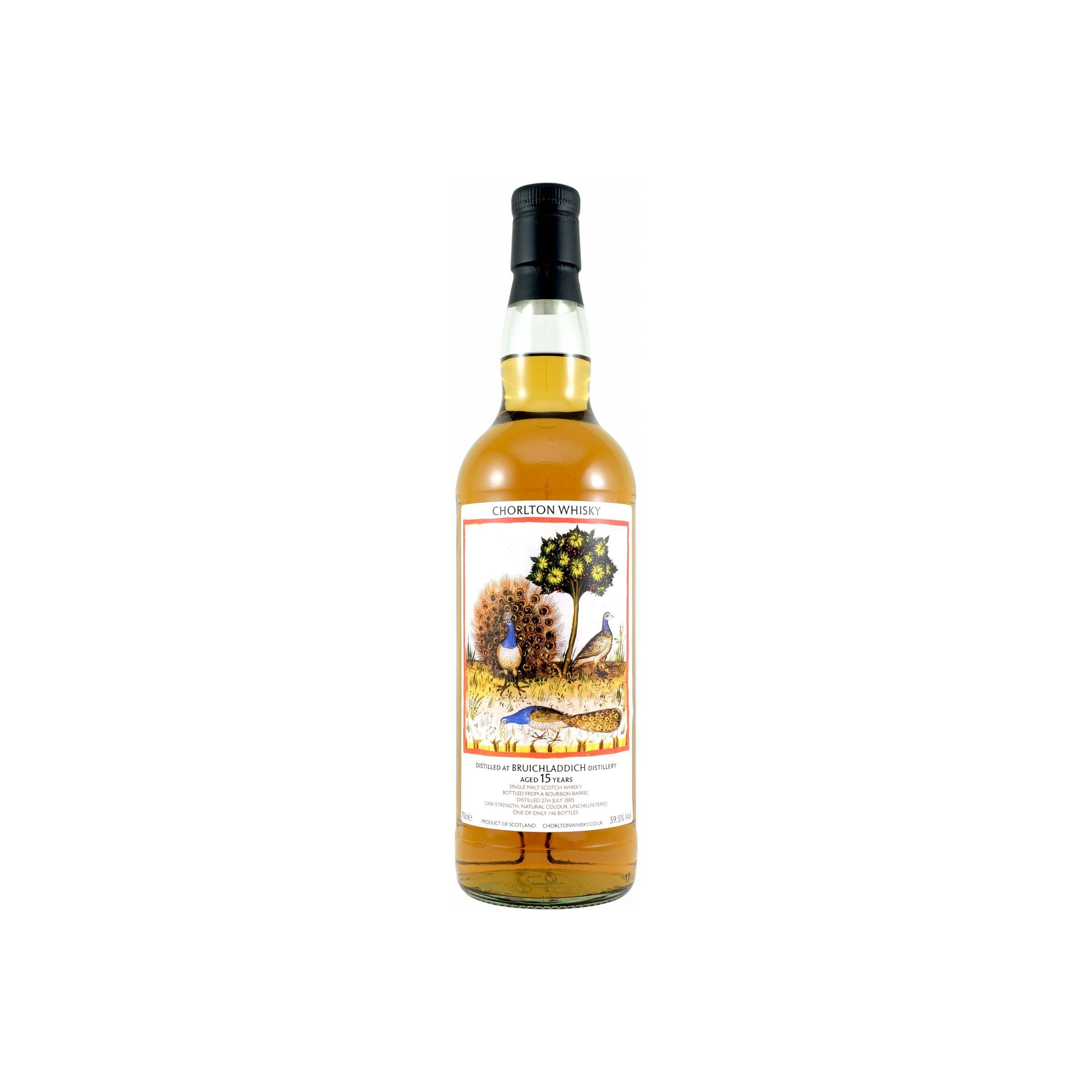
Bruichladdich 2005 15 Years Single Malt Whisky
Bruichladdich
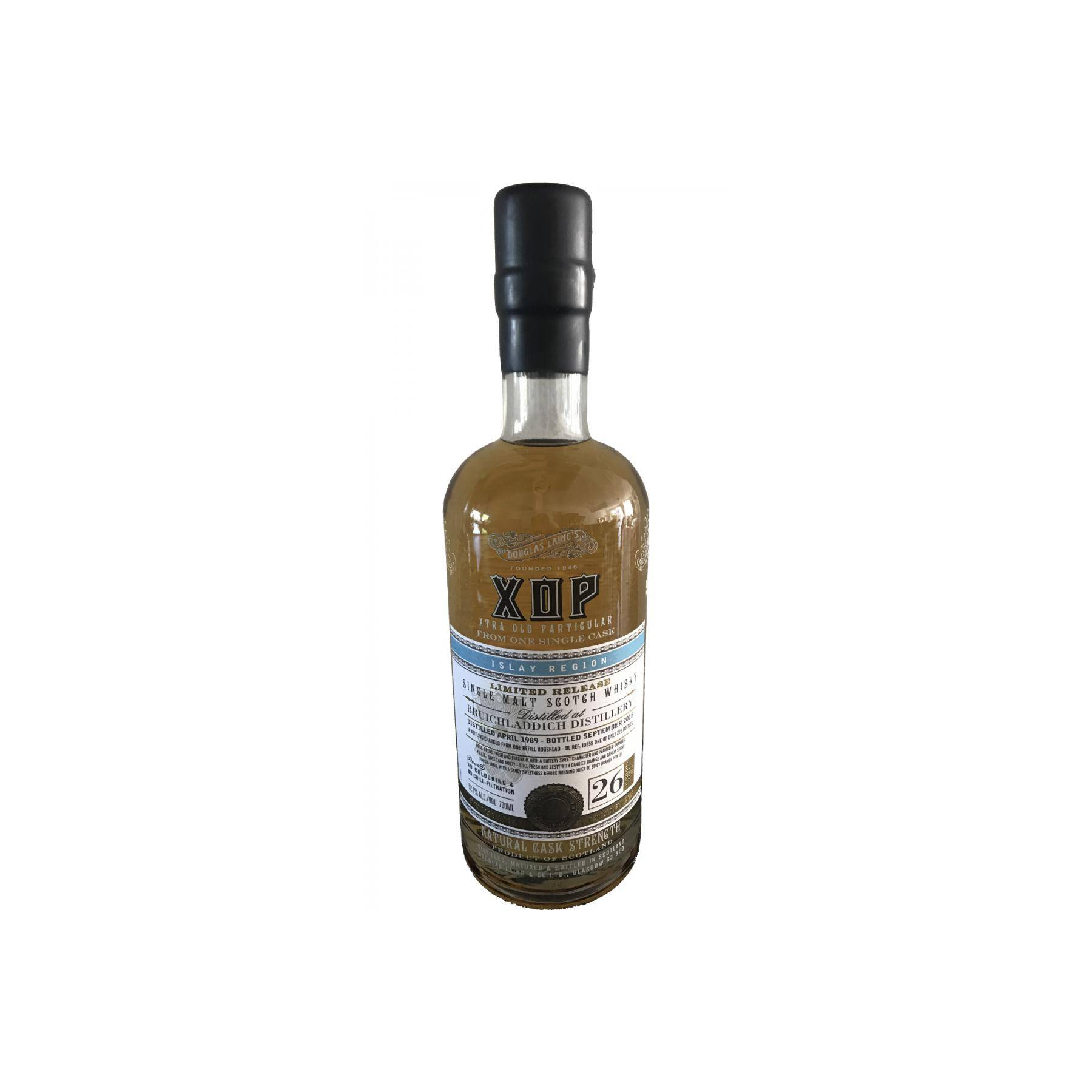
Bruichladdich 1989 26 Years Single Malt Whisky
Bruichladdich
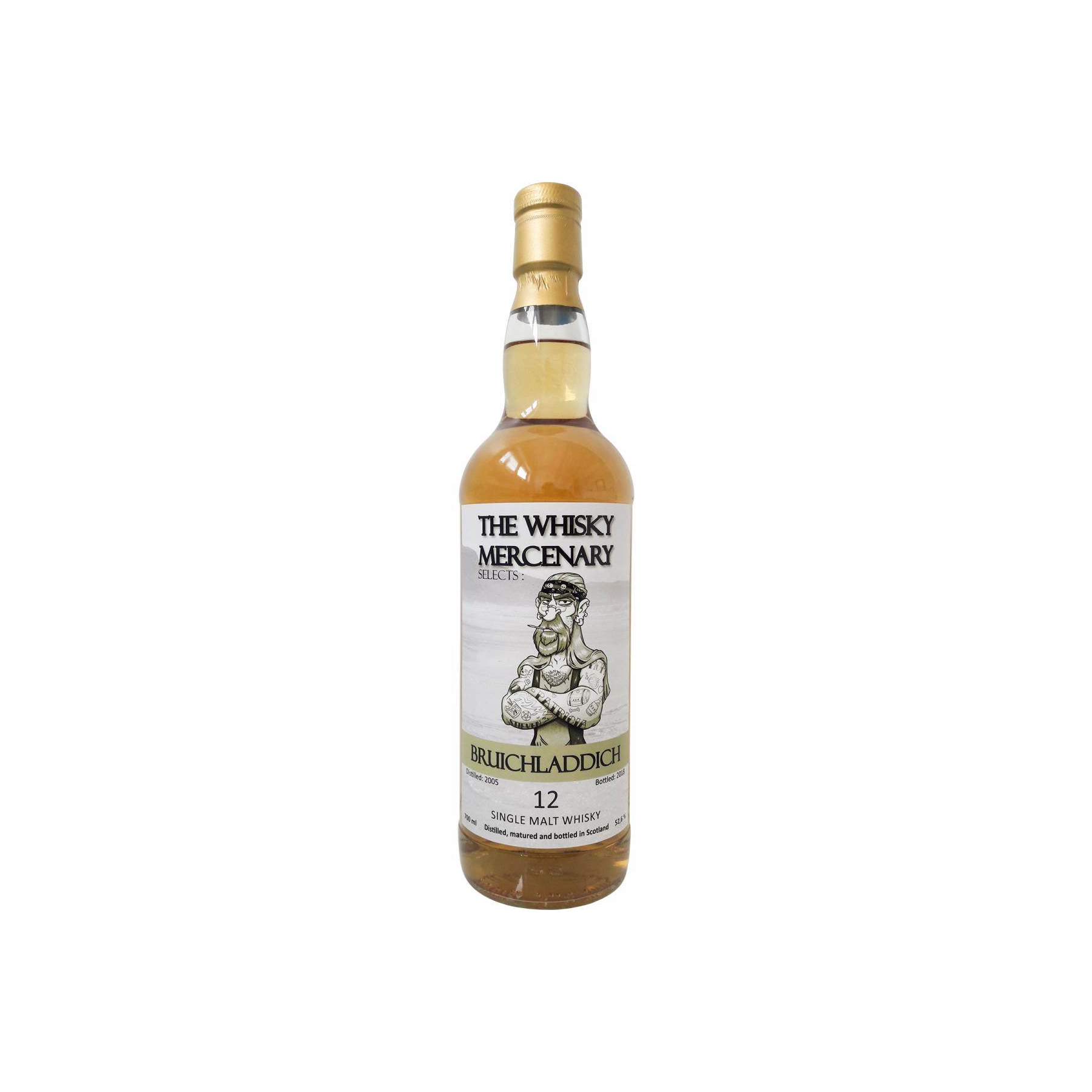
Bruichladdich 2005 12 Years Single Malt Whisky
Bruichladdich