Laphroaig
Laphroaig, Gaelic for 'the beautiful hollow by the broad bay,' stands as one of Islay's most divisive and revered single malt Scotch whiskies. Establi...
Laphroaig, Gaelic for 'the beautiful hollow by the broad bay,' stands as one of Islay's most divisive and revered single malt Scotch whiskies. Established in 1815 on the island's southern coast, the distillery's stark white walls sit between windswept pine forests and the tempestuous Atlantic, where the rhythm of crashing waves and rustling trees composes its daily symphony. Laphroaig is one of the few distilleries maintaining traditional floor maltings, producing its own peated malt with phenol levels reaching 50-70 ppm from hand-cut peat harvested from its own bogs. The Kilbride Stream's soft water, filtered through ancient peat and limestone, contributes to its unmistakable character. Maturation primarily in ex-bourbon barrels and distinctive quarter casks intensifies its signature profile: an aggressive blast of medicinal peat smoke, iodine, seaweed, and tar, underpinned by notes of bandages, antiseptic, and salt-crusted driftwood. This maritime complexity yields a full-bodied, oily palate with a long, dry, ashy finish that evokes Islay's harsh, unforgiving landscape and the stubborn artisans who craft it. The distillery's 'love it or hate it' reputation is legendary—there is no middle ground. This polarizing nature earned it a Royal Warrant from HRH The Prince of Wales in 1994 and spawned the global 'Friends of Laphroaig' loyalty program, where members own a symbolic square foot of Islay land. For the initiated, Laphroaig is not merely a whisky; it's an existential statement of peat worship.
History
Before 1810, brothers Alexander Johnston and Donald Johnston were tenant farmers at Tallant and Kildalton. In 1815, they established a distillery at Laphroaig. Their ancestors were the Maclean family from Galloway, Scotland, who had come to Islay in the late 15th century. Their landlord was Walter Frederick Campbell, an enlightened improver. He founded Port Ellen, named for his wife, and Port Charlotte, named for his mother, and enthusiastically supported the distilling industry. Donald Johnston bought his brother's share in 1836, but died in 1847 after falling into a vat of pot ale. His 11-year-old son Dugald inherited the business. Laphroaig was managed by Dugald's uncles, with Walter Graham of the nearby Lagavulin distillery overseeing operations, until Dugald came of age in 1857. The whisky was still labeled 'D. Johnston & Company.' The distillery remained under family management until the 1960s. Perhaps the family's most outstanding descendant was Donald's great-grandson Ian Hunter, who became manager of Laphroaig in 1908 and sole owner twenty years later. His first task was to dismiss the distillery's agent—Mackie & Company of Glasgow. Unusually for the time, Laphroaig was sold as a single malt whisky. Peter Mackie of Lagavulin (later Sir Peter) was furious, as Mackie had 'created the brand.' (See 'Lagavulin') In the 1920s, Ian Hunter began selling his whisky in the United States, despite Prohibition. While abroad, the distillery was managed by his secretary Bessie Williamson. He bequeathed the distillery to her upon his death in 1954. By the mid-1950s, the distillery urgently needed renovation. To raise funds, Bessie Williamson sold one-third of her shares to the American distiller Schenley Corporation. By 1970, Schenley owned the distillery outright. The era of private distillery ownership had ended, and like many others, Laphroaig became a corporate asset on a multinational's balance sheet: Long John International, Whitbread, Allied Lyons, Allied Domecq, and in 2005 Fortune Brands—owner of Jim Beam. Beam Inc. spun off from Fortune Brands in October 2011 and was acquired by Japanese distiller Suntory in March 2014. The company was renamed Beam Suntory (see 'Ardmore').
Curiosities
Bessie Williamson was the first modern woman to manage a distillery (though there were earlier examples, notably Elizabeth Cumming of Cardhu). Whitbread sold Laphroaig to Allied Domecq in 1989, but before that, they appointed Ian Henderson, who would become a whisky trade legend, as distillery manager. The new owners wanted to promote the brand aggressively, and Henderson, as brand ambassador, traveled the world, increasing sales from 20,000 cases in 1989 to 170,000 cases by his retirement in 2002. He also promoted the concept of "Friends of Laphroaig," through which malt whisky enthusiasts could claim a square foot of Islay land (a plot behind the distillery). To date, 470,000 plots have been allocated to people from 165 countries, including the Prince of Wales, who granted his Royal Warrant to Laphroaig in 1994.
Timeline
Founded by brothers Alexander and Donald Johnston
Donald Johnston took full control of the distillery
Donald Johnston died in a distillery accident; the manager of Lagavulin distillery temporarily managed Laphroaig
Donald's son Dugald took over the distillery
Dugald's sister Isabella took over the distillery, running it with her husband
Stills increased from 2 to 4
Ian Hunter (Isabella's relative) became the sole owner of Laphroaig distillery
American distiller Schenley acquired the distillery
Stills increased to 7
Beam purchased Laphroaig from Allied Distillers, ending this period of multiple changes of ownership and mergers
After Suntory acquired Beam, the Japanese giant now owns two of the eight distilleries on Islay
Hot Search Whiskies
Showing top 10
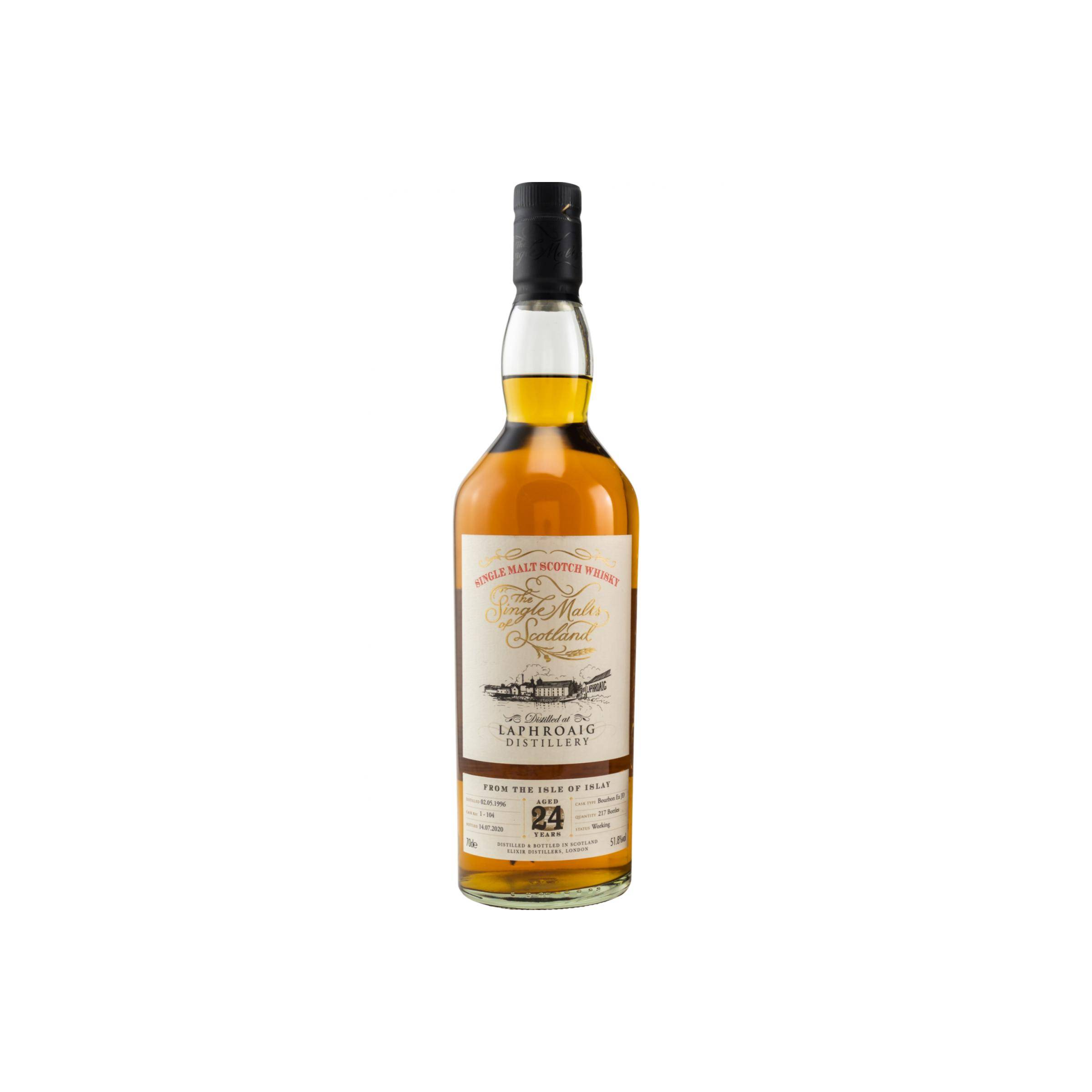
Laphroaig The Single Malts of Scotland 1996 24 Years Single Malt Whisky
Laphroaig
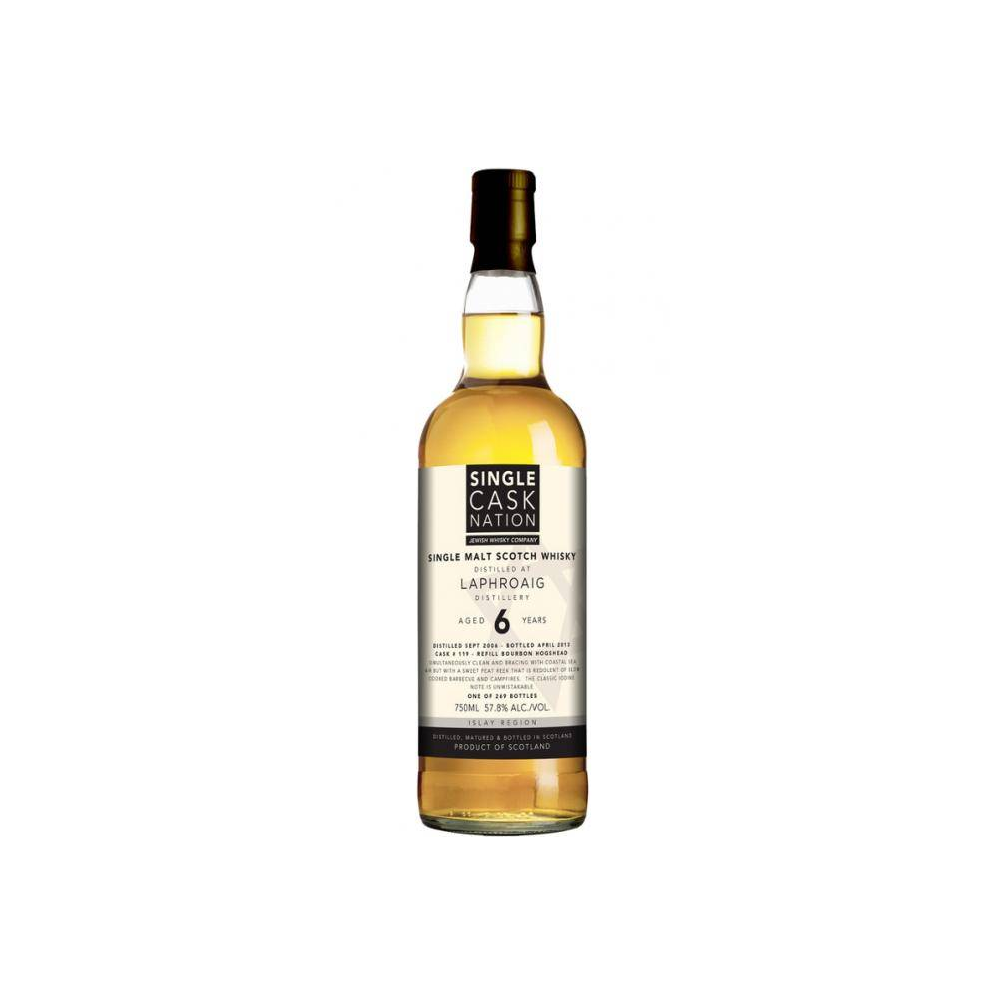
Laphroaig 2006 6 Years Single Malt Whisky
Laphroaig
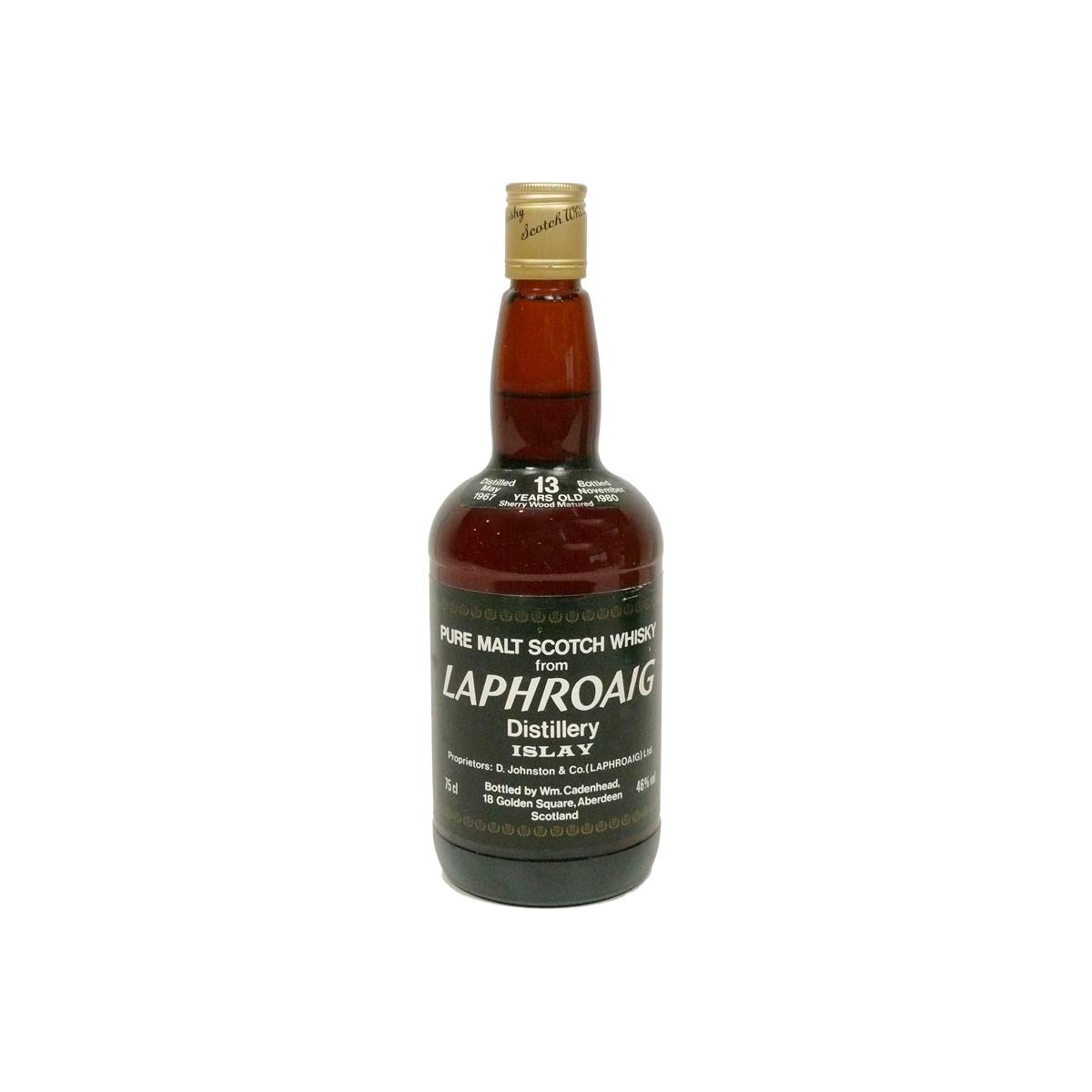
Laphroaig 1967 13 Years Single Malt Whisky
Laphroaig
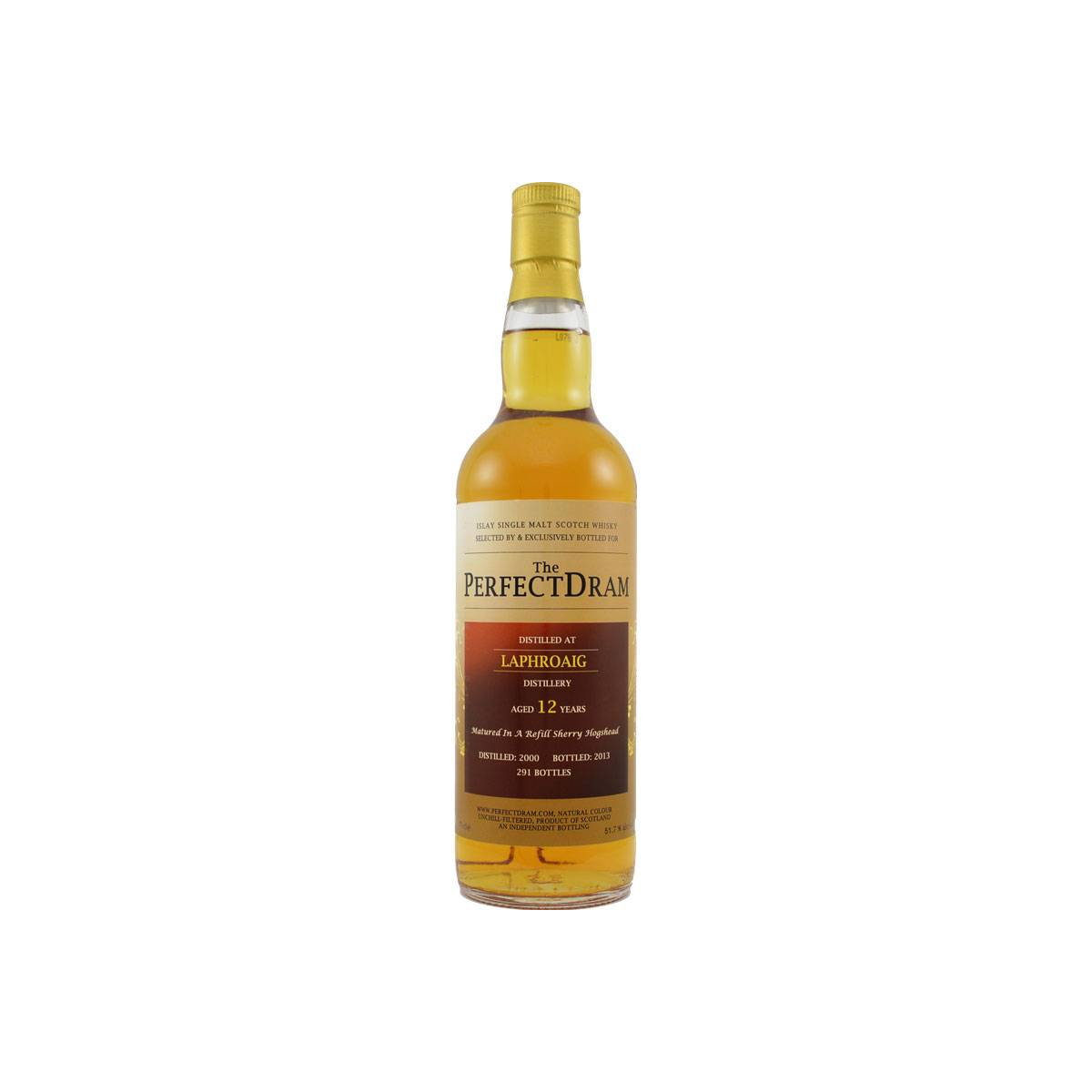
Laphroaig 2000 12 Years Single Malt Whisky
Laphroaig
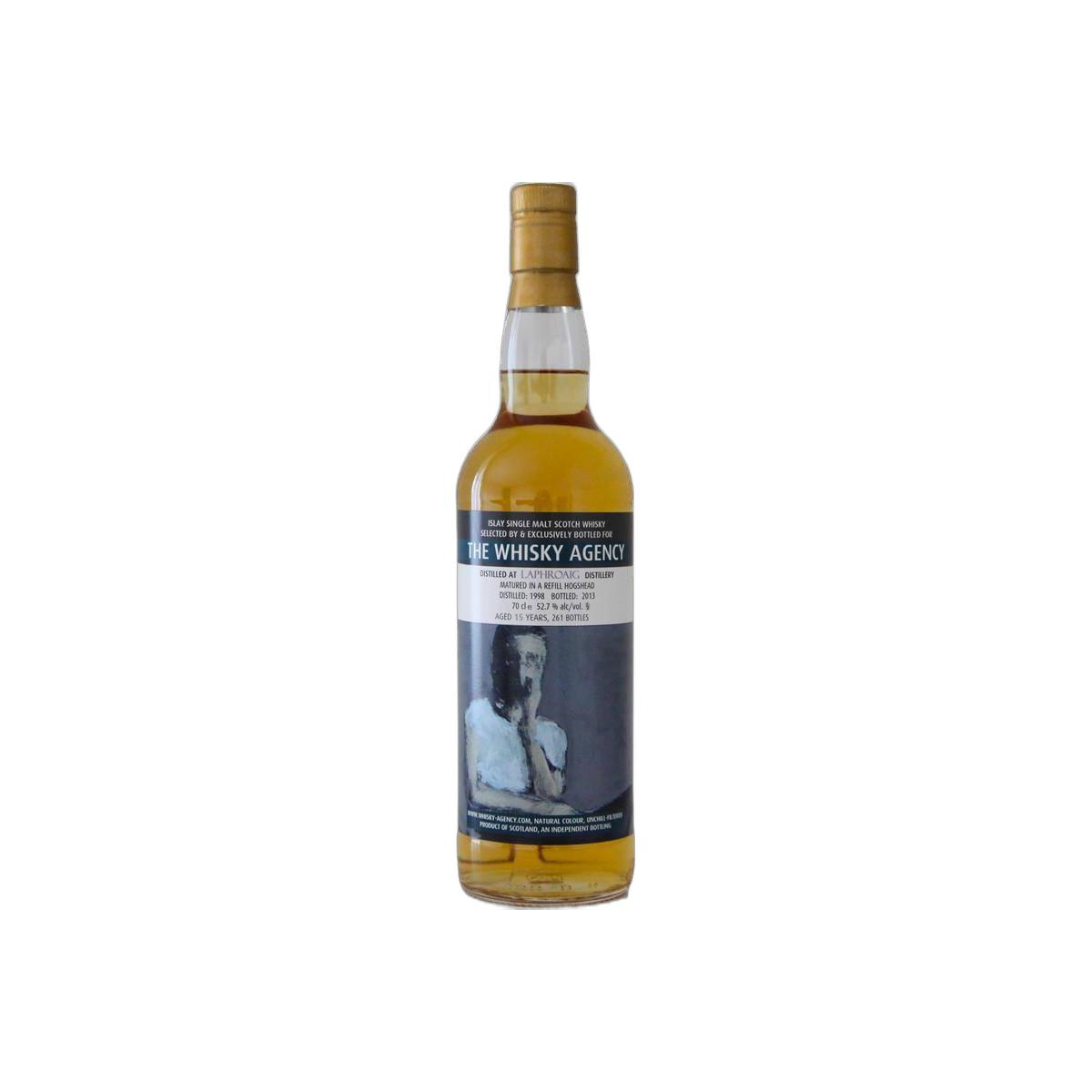
Laphroaig 1998 15 Years Single Malt Whisky
Laphroaig
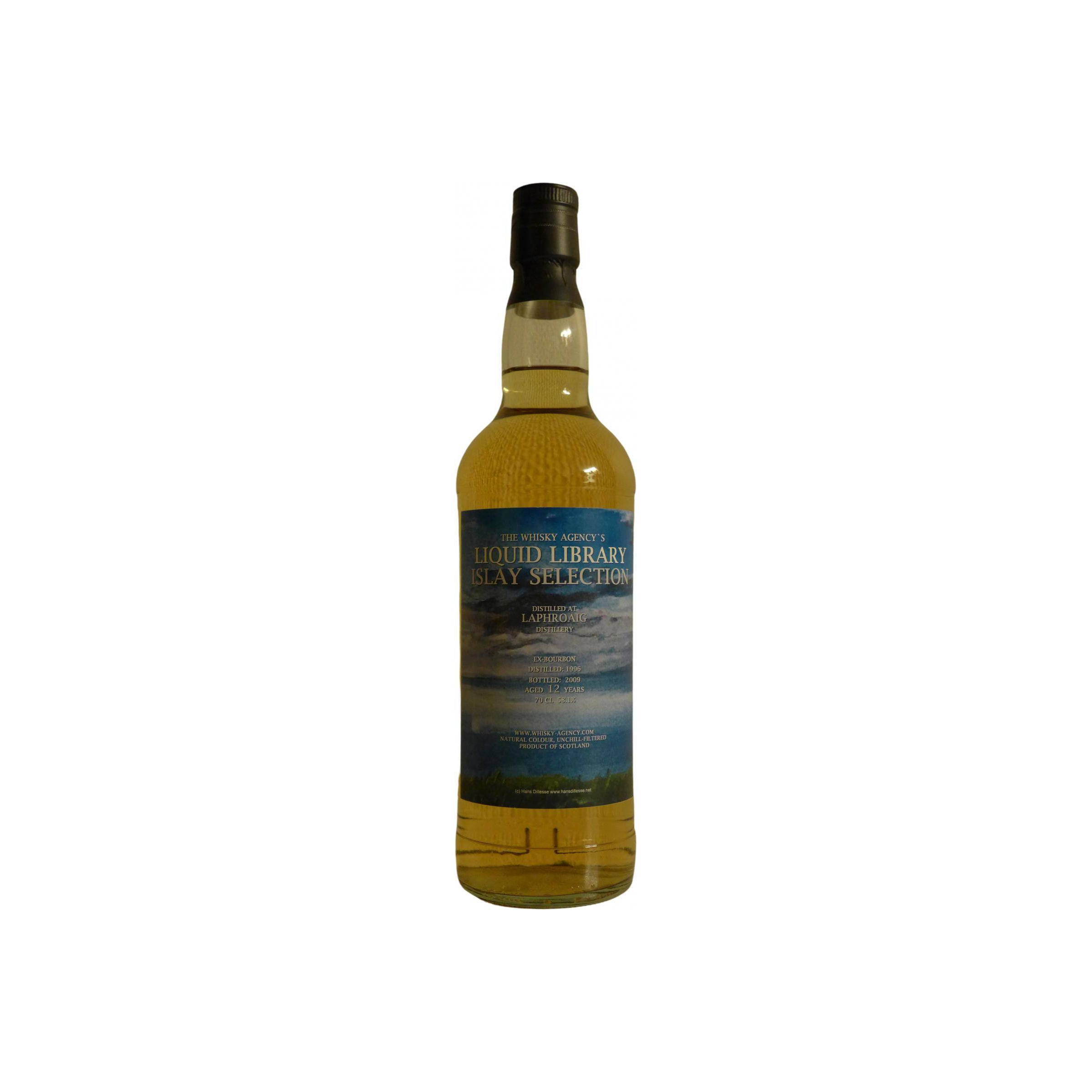
Laphroaig 1996 12 Years Single Malt Whisky
Laphroaig
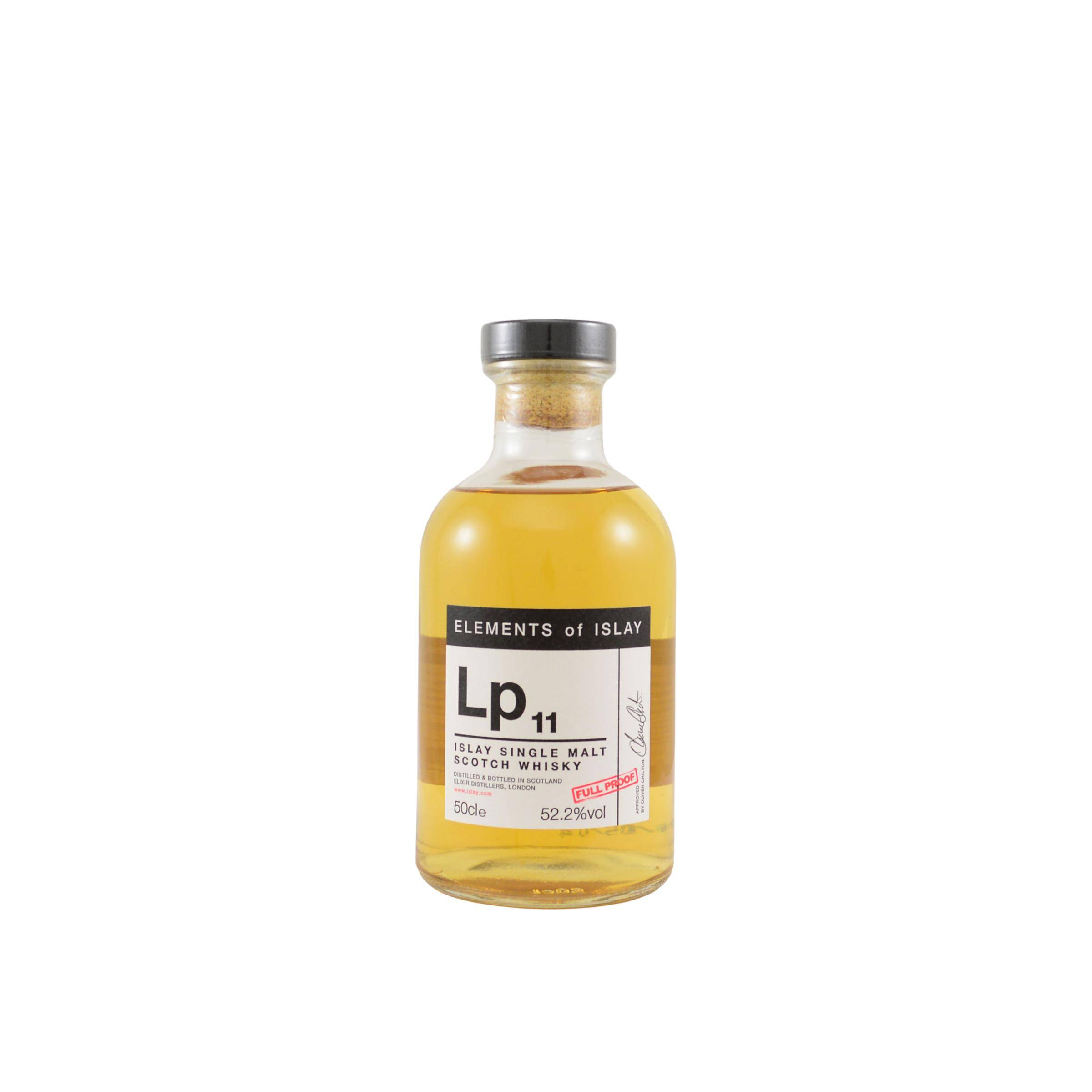
Laphroaig 2005 15 Years Single Malt Whisky
Laphroaig
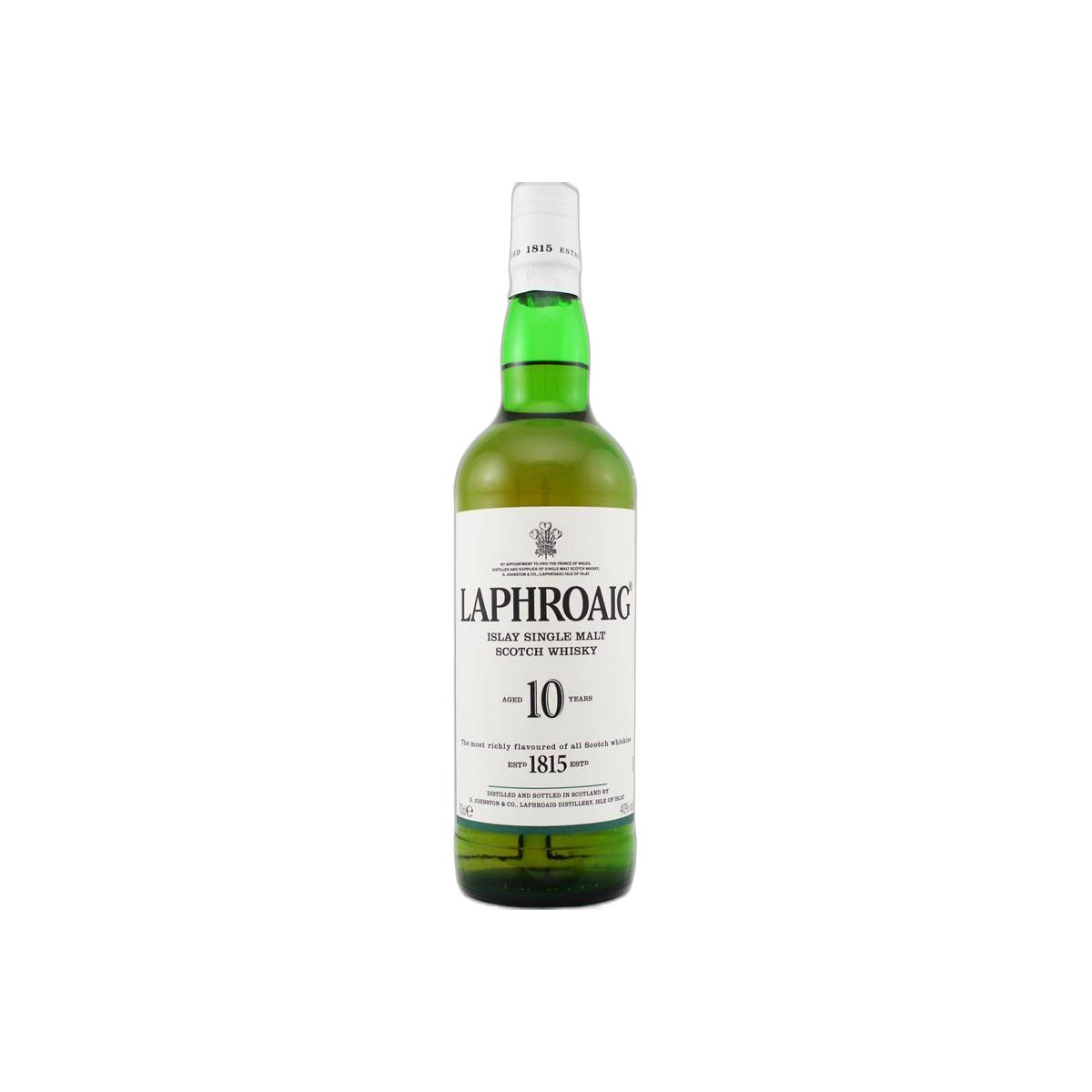
Laphroaig 10 Years Single Malt Whisky
Laphroaig
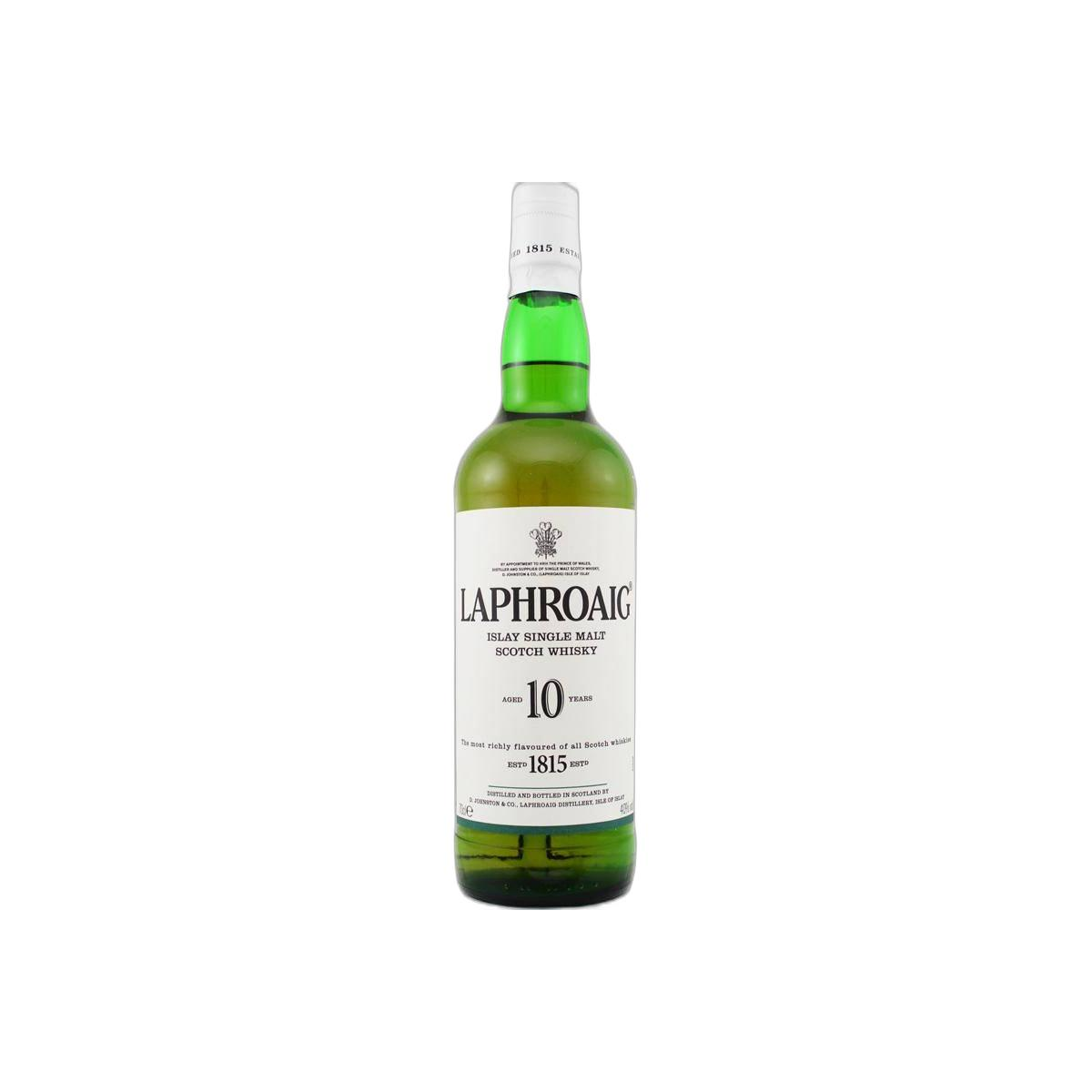
Laphroaig 10 Years Single Malt Whisky
Laphroaig
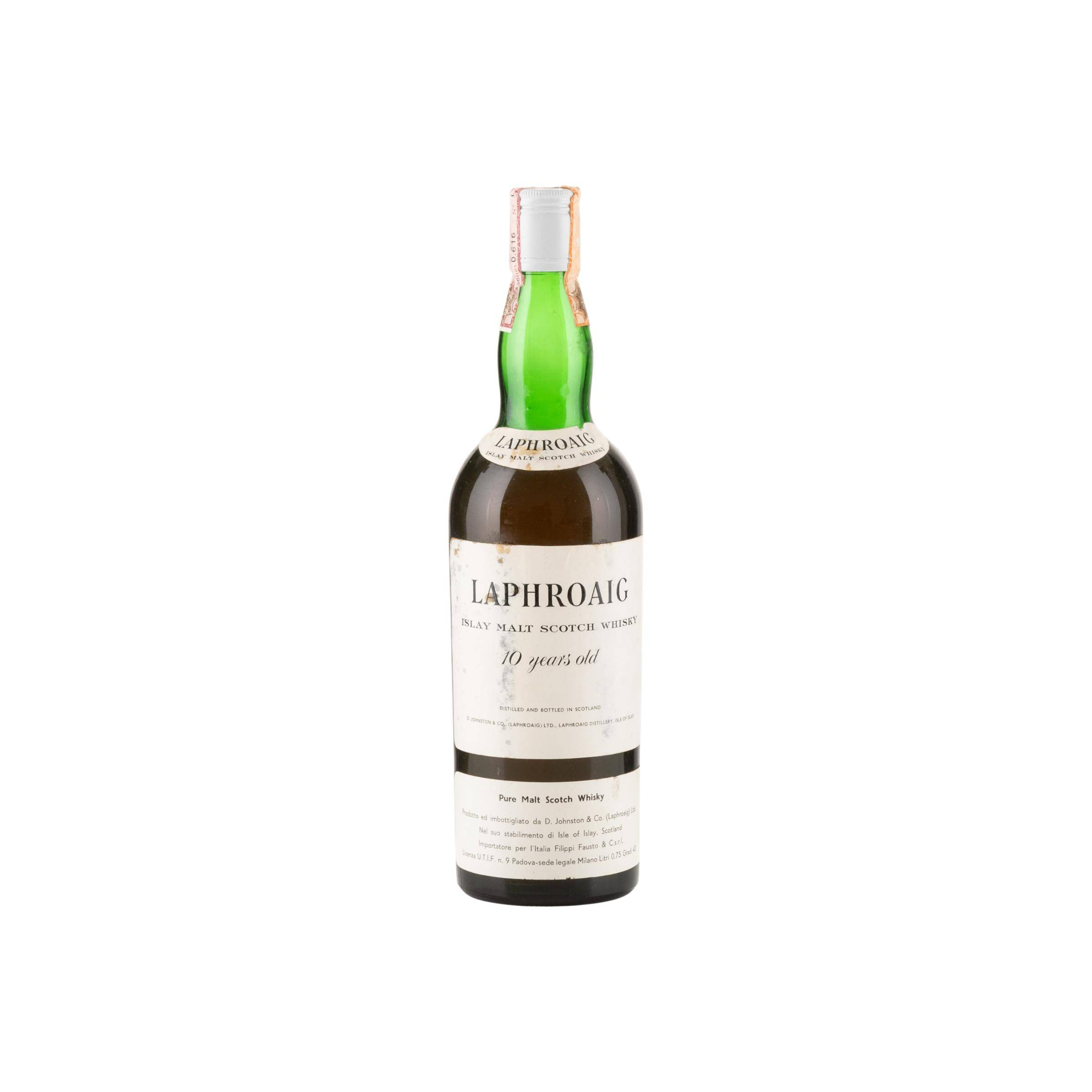
Laphroaig 10 Years Single Malt Whisky
Laphroaig