
Coleburn Distillery was a hidden gem nestled in the heart of Speyside, located four miles south of Elgin in a valley between the historic railway line (closed 1966) and the A491 road, positioned between Glen Elgin and Speyburn distilleries. Founded in 1896 by John Robertson & Sons, the distillery's name derives from the Gaelic term for 'charcoal burn,' reflecting the region's historic woodland industries. The distillery operated for nearly a century before closing in 1985, with its buildings eventually demolished in 1996. Today, the site houses a whisky museum and bottling facility, preserving its legacy. Coleburn was known for producing a light, delicate, and fruity Speyside spirit using water from springs on Knockando Hill. With a production capacity of approximately 450,000 gallons per year from its two copper stills, the distillery never gained widespread commercial recognition during its operational years. Since its closure, Coleburn has achieved cult status among whisky collectors. Official bottlings are extremely rare, with most expressions coming from independent bottlers like Gordon & MacPhail and Signatory Vintage. Bottles from the 1970s and early 1980s are particularly sought after, offering a unique glimpse into a lost Speyside style characterized by elegant floral notes, green apple, pear, and subtle malt sweetness.
History
Coleburn was built in 1896 by John Robertson & Son Ltd, a Dundee-based blending company, with Charles Doig responsible for the design. Its location in the Ross valley was ideal, taking advantage of a branch line of the Scottish North Railway; the distillery established its own small station and siding nearby (closed in 1966). The name 'Coleburn' evokes the area's former charcoal production. The distillery closed in 1913 and was sold three years later to Clynelish Distillery Company Ltd (owned by D.C.L., John Walker & Sons, and John Risk), then in 1925, full ownership transferred to D.C.L. J.& G. Stewart obtained the license to operate the distillery, with the spirit produced becoming a key component for Usher's blended whisky. The distillery closed again in 1985. The prime land was sold in 2004 to Dale Winchester and Mark Winchester for development. Their intention was to develop the 14-acre site into a luxury 'whisky hotel' with accompanying leisure facilities, but in November 2013, they sold part of the property to whisky broker Aceeo Ltd, including the extensive traditional/dunnage warehouses, filling hall, and spirit collection room. The Winchester brothers retained the old malting floors, hoping to realize their hotel dream. Aceo owns thousands of casks, which have been transferred to a bonded warehouse—approved by HMRC in 2014—and stored alongside casks acquired from Murray McDavid. The remaining warehouse space will be leased out for cask maturation. The company intends to resume production at Coleburn. Cost calculations are currently underway, and a purchase order for stills from Forsyths has already been initiated.
Curiosities
As an experienced whisky broker, Coleburn keenly recognized the importance of maturation in quality wood under correct climatic conditions. They provide comprehensive cask management services: regular monitoring and maturation reports, cask repair and certification, and can also supply customers with large quantities of first-fill wine, port, rum, sherry, and bourbon casks for finishing. This was the first time such a service had been offered.
Hot Search Whiskies
Showing top 10
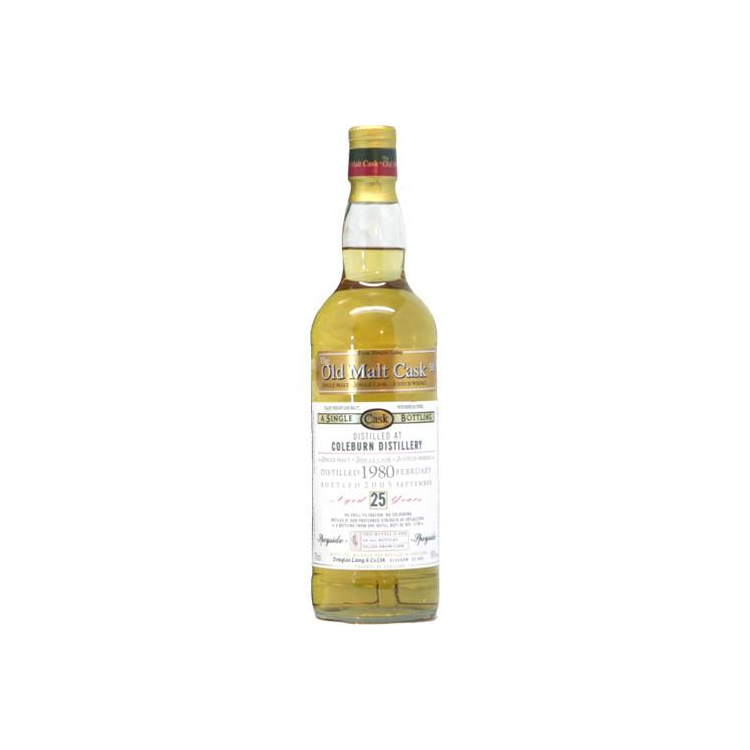
Coleburn Old Malt Cask 1980 25 Years Single Malt Whisky
Coleburn
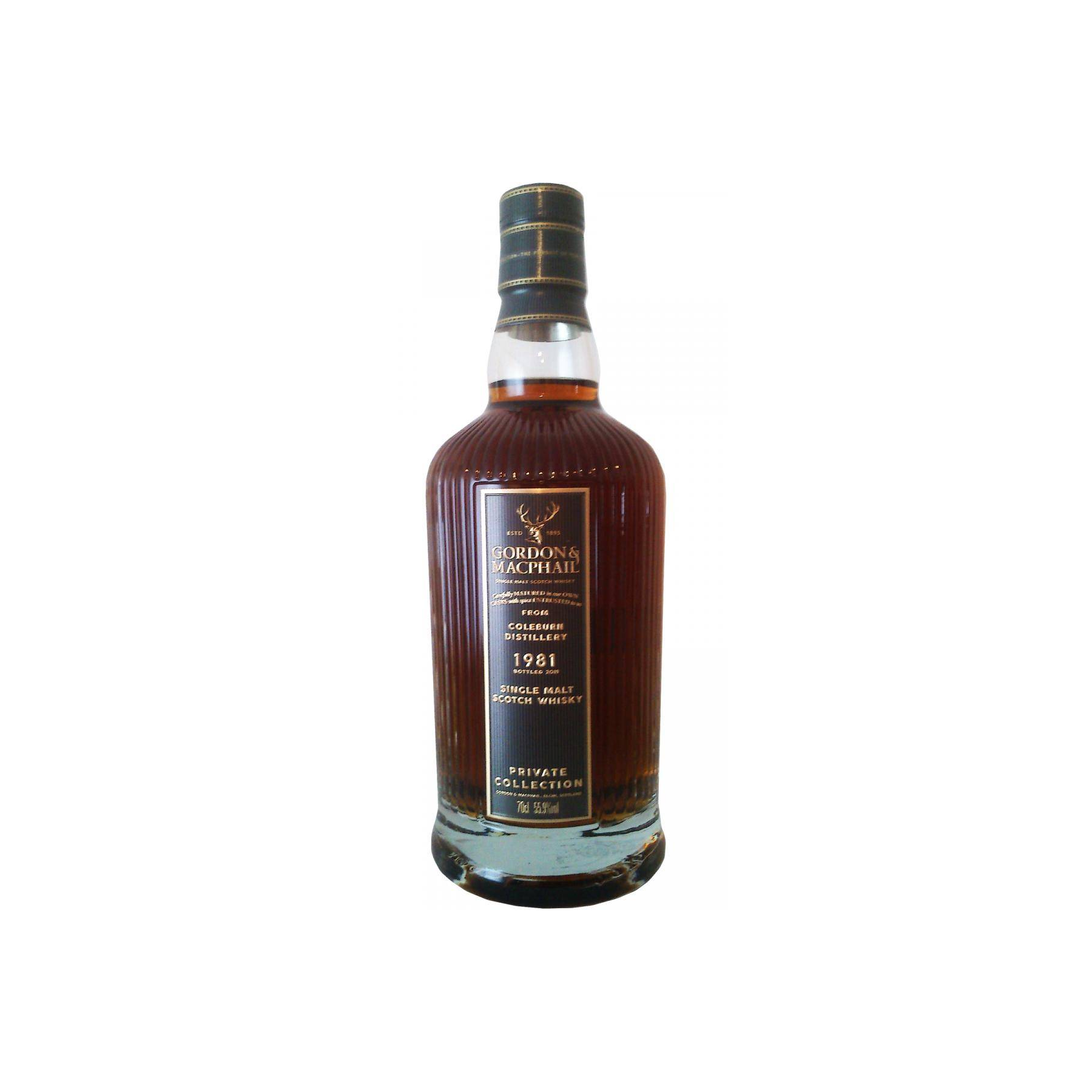
Coleburn 1981 38 Years Single Malt Whisky
Coleburn
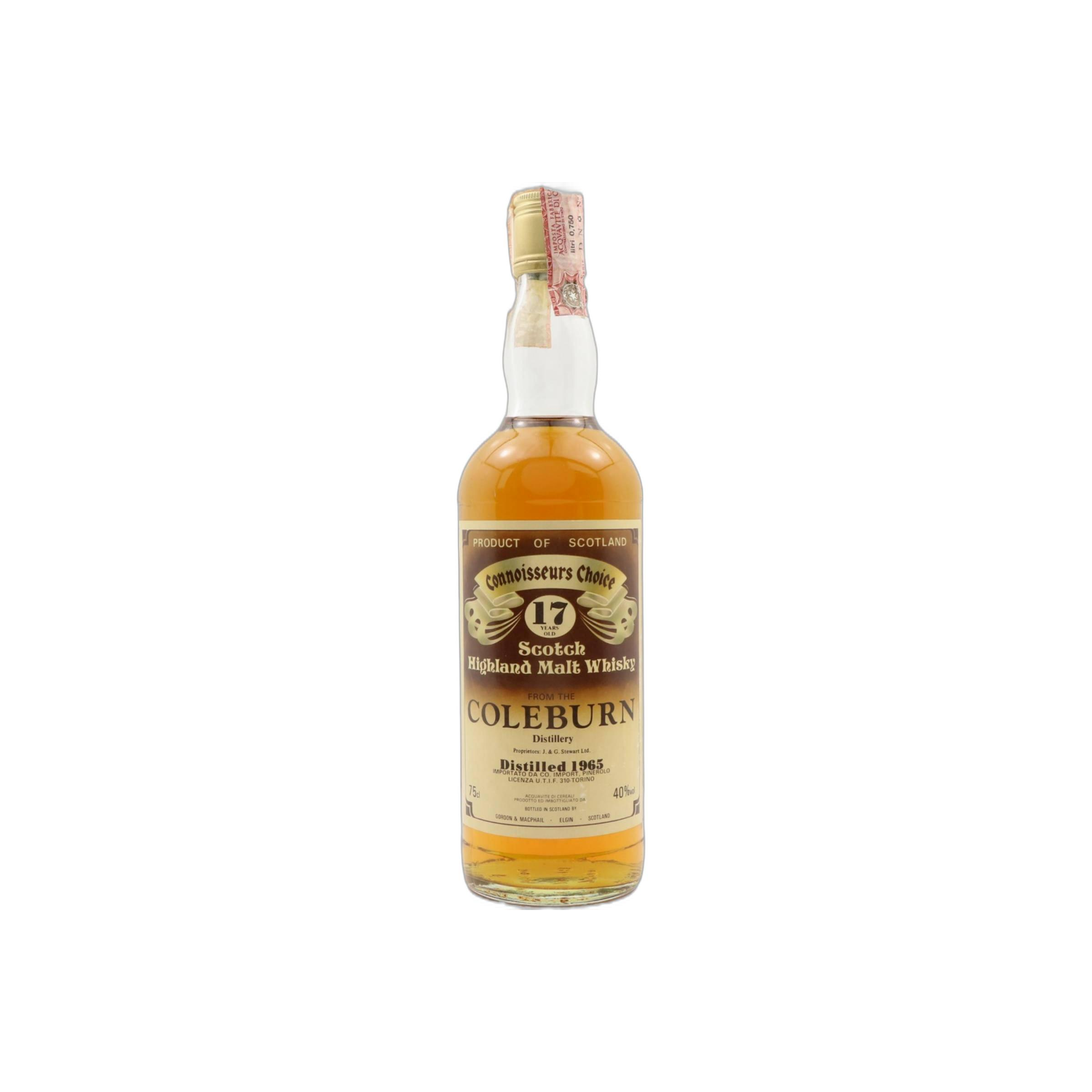
Coleburn Connoisseurs Choice 1965 17 Years Single Malt Whisky
Coleburn
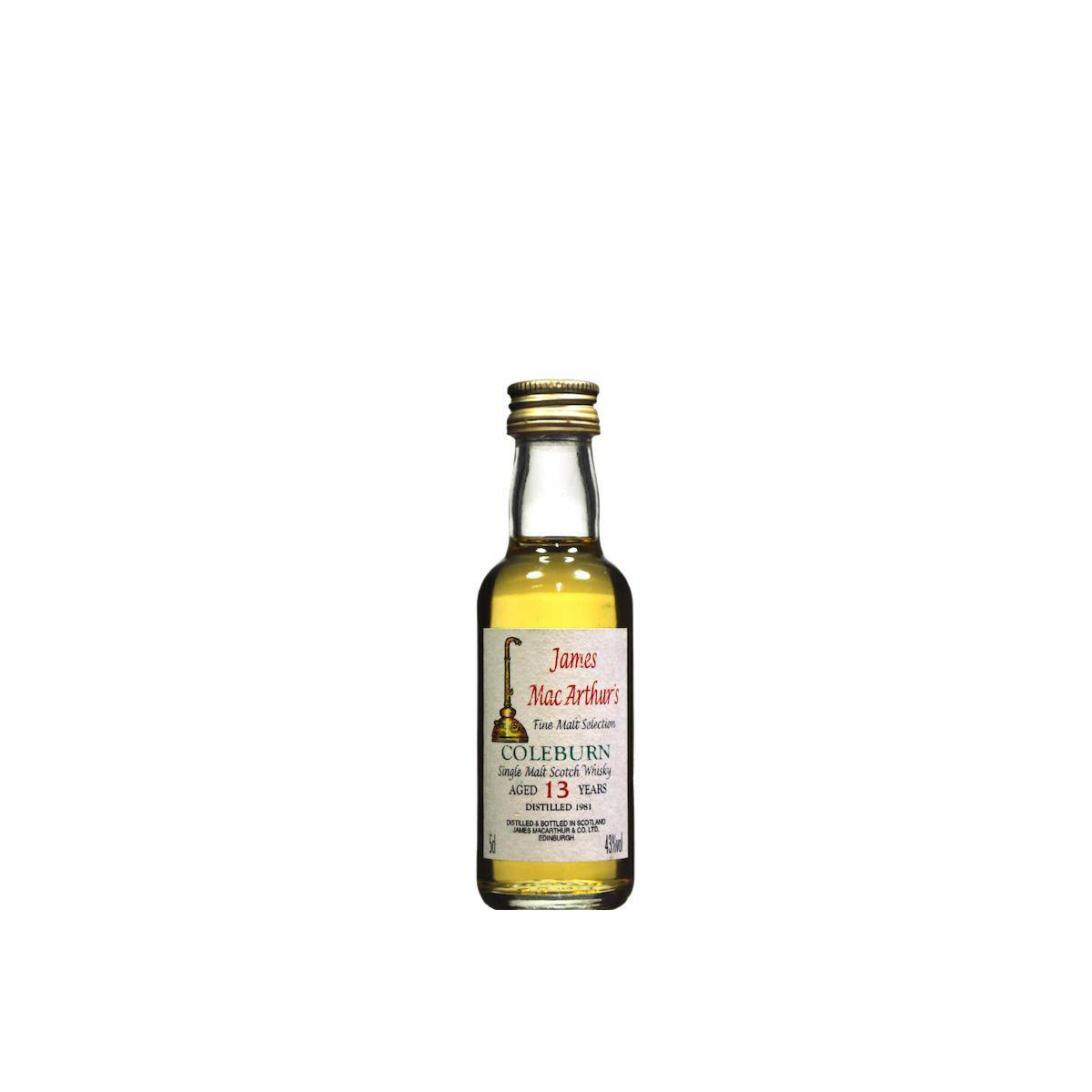
Coleburn 1981 13 Years Single Malt Whisky
Coleburn
Coleburn 1965 Single Malt Whisky
Coleburn
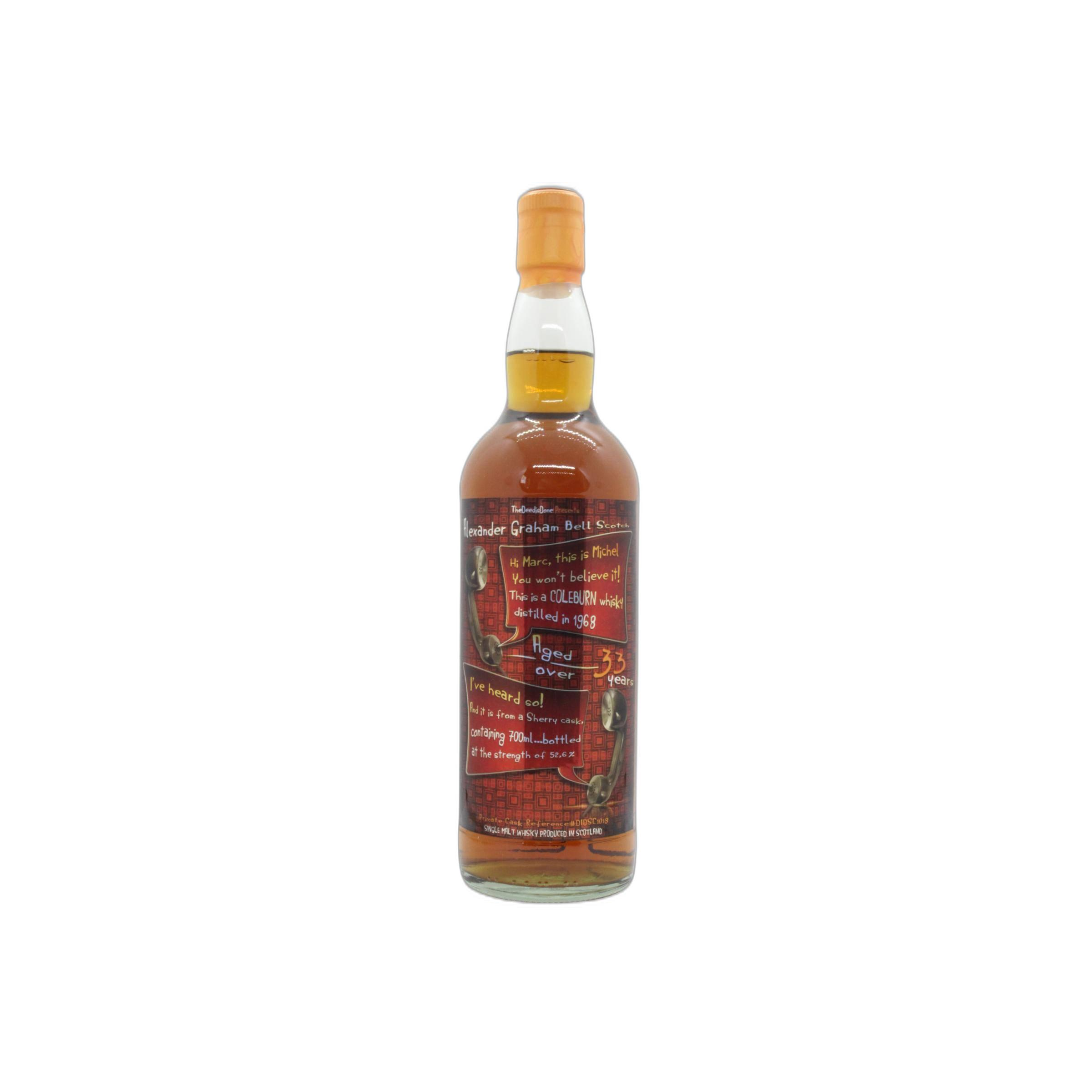
Coleburn 1968 33 Years Single Malt Whisky
Coleburn
Coleburn 1972 Single Malt Whisky
Coleburn
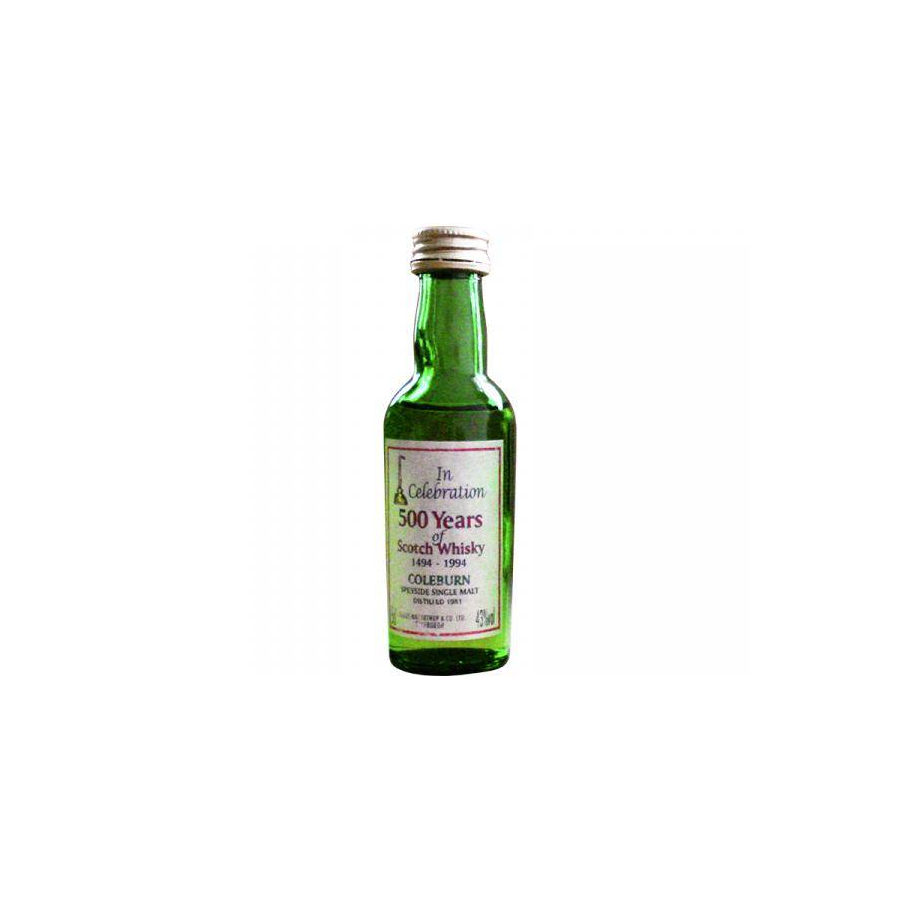
Coleburn 1981 13 Years Single Malt Whisky
Coleburn
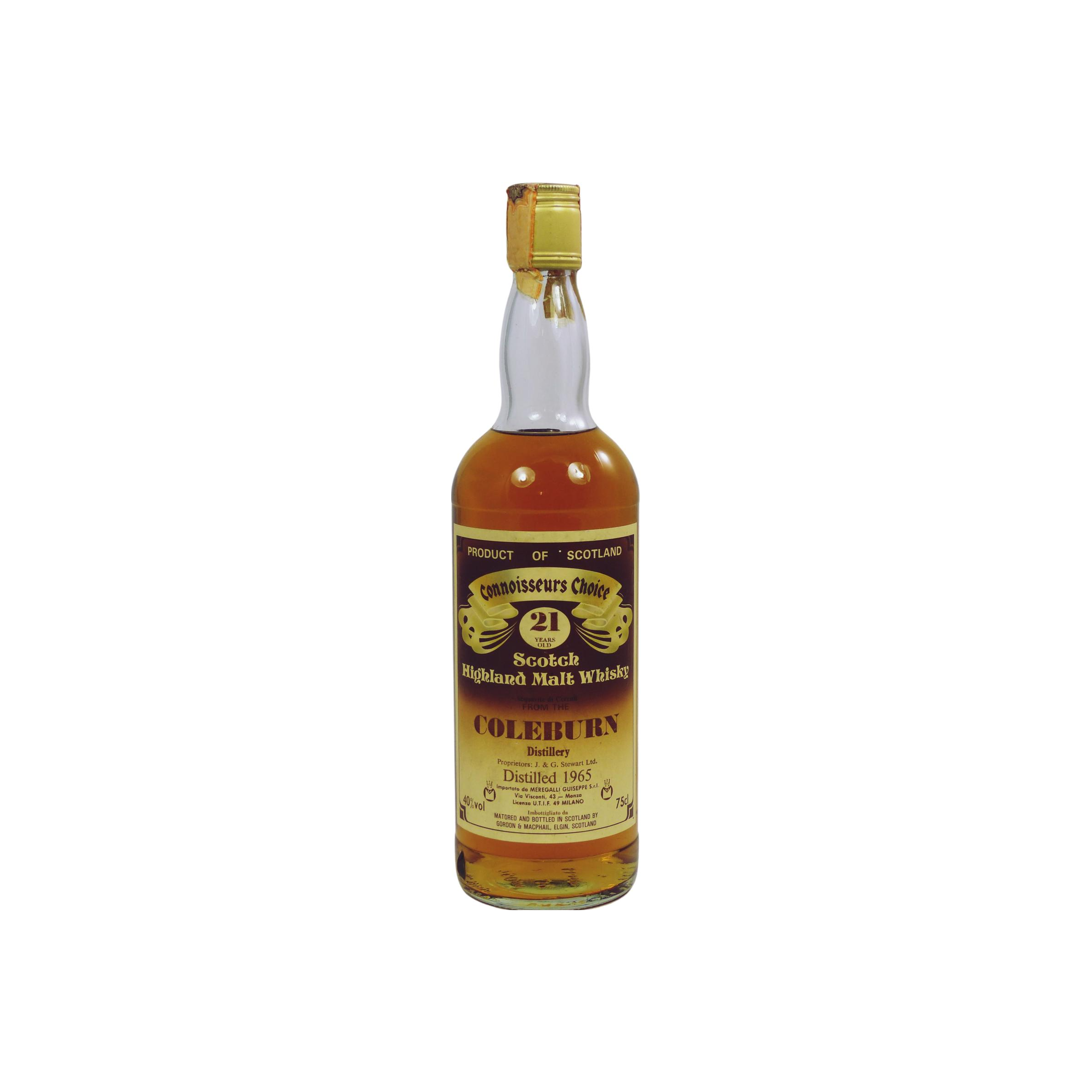
Coleburn Connoisseurs Choice 1965 21 Years Single Malt Whisky
Coleburn
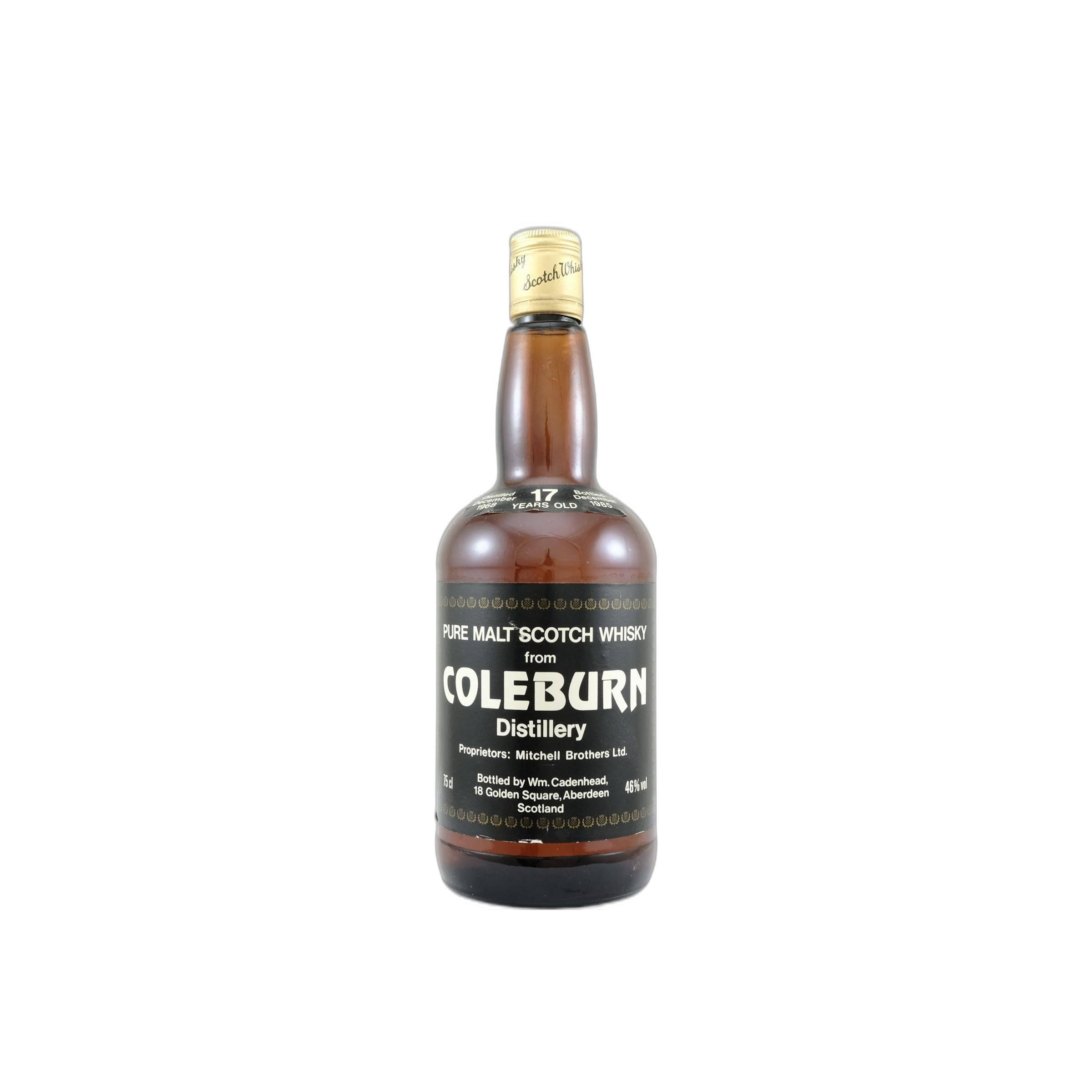
Coleburn 1968 17 Years Single Malt Whisky
Coleburn