
Springbank Distillery, founded in 1828 in Campbeltown, Scotland, stands as one of Scotland's oldest and most revered independent whisky producers. As one of only three remaining distilleries in Campbeltown—the once-prolific "Whisky Capital of the World"—Springbank is unique in performing every step of production on-site: traditional floor malting, distillation, maturation, and bottling. The distillery remains family-owned by the Mitchell family, operating continuously except for brief periods during the 1970s-80s. Springbank produces three distinct malt styles: the namesake Springbank (lightly peated, 2.5 times distilled), Longrow (heavily peated, double distilled), and Hazelburn (unpeated, triple distilled). Known for its artisanal approach, direct-fired stills, and exceptional quality, Springbank has achieved cult status among whisky connoisseurs worldwide, with limited releases commanding significant attention and premium prices.
History
Springbank is one of only three family-owned distilleries established in the 19th century that remains under the ownership of its founding family today. The distillery was most likely initially named "Longrow Street Distillery" (easily confused with the separate Longrow Distillery, hence the name change to Springbank shortly thereafter). According to records, the distillery was established in 1828 by a man named William Reid, who forged a connection through marriage with the Mitchell family. The Mitchells were local gentry who arrived in the Kintyre peninsula from the Lowlands around 1600. In fact, before Reid built the distillery, Archibald Mitchell had likely already been conducting illegal distilling on the site. What is certain, however, is that Reid soon encountered financial difficulties and transferred all rights in 1837 to his brothers-in-law John Mitchell and William Mitchell (their brother-in-law Archibald had established the Riechlachan Distillery nearby, which operated from 1825 to 1934). In 1838, they sold whisky to John Walker of Kilmarnock for 44 shillings per gallon. Disputes arose between the brothers, and in 1872 William left the company to join his other brothers at Riechlachan. John brought in his son Alexander as a partner, and the company became today's J. & A. Mitchell & Co., Ltd. During the Great Depression, Springbank was closed from 1926 to 1933, but it was one of only three Campbeltown distilleries to survive the wave of closures of the 1920s, which affected 17 distilleries in the town. The other two were Glen Scotia and Riechlachan, the latter closing in 1934. The current chairman, Hedley Wright, is the great-great-grandson of John Mitchell. In 2004, Hedley Wright reopened the Glengyle Distillery near Springbank, a distillery originally founded by his great-great-uncle in 1872 (see "Glengyle"). Springbank is the most traditional of all Scottish malt whisky distilleries, producing three different styles of malt whisky: Springbank, Longrow, and Hazelburn, each with different peat levels (see below).
Curiosities
Beyond distilling, John Mitchell was 'a keen judge of sheep and Highland cattle... and rented at least seven farms.' According to records, he passed away in 1892 at the remarkable age of 91. The Glasgow pub owner who in 1974 charged visitors 10 pence to simply *view* a bottle of Springbank 50-Year-Old had purchased it for £29—roughly the wholesale price of a standard whisky bottle at the time. He calculated a single dram would cost 2 shillings, fivepence ha'penny (2s 5½d), 'if this liquid gold were for sale (which regrettably, it is not).' That same vintage fetched £3,800 at auction in 2001. How times change! Springbank remains one of the few distilleries performing 100% floor malting on-site (using partially local barley) and firing kilns with locally cut peat. The lauter-style mash tun feeds three stills operating a unique '2.5-times' distillation regime. The wash still is direct oil-fired with internal coils, switchable to steam; one spirit still retains a traditional worm tub condenser. Every bottle is filled by hand on the premises. The atmosphere is defiantly analog—not a computer in sight. J. & A. Mitchell acquired the independent bottler Cadenhead (originally Aberdeen's venerable whisky merchant) in 1969. Around the same time, they purchased the former Longrow Distillery site (1824–1896) next door. One warehouse still matures casks; former still rooms now house Springbank's bottling hall, while the original stillhouse serves as a car park. The first heavily peated Longrow distilled by Springbank emerged in 1973. In 1997, Hazelburn joined the portfolio—unpeated and triple-distilled. Hazelburn was another lost Campbeltown distillery, shuttered in 1925. Frank McHardy, whisky industry legend, managed Springbank from 1977–1986 and again from 1996–2013. He began his career at Invergordon in 1963, later served as Master Distiller at Bushmills (1986–1996), and remains one of Campbeltown's most respected ambassadors.
Timeline
William Reid officially obtained a business license, but there was still a large amount of illegal distillation locally
William Reid didn't gain much profit from the legitimate business, and sold the distillery to John and Willi
J&A Mitchell was established
The distillery closed
The distillery resumed production
The distillery stopped malting
The distillery resumed malting
Springbank Distillery started the first round of malt whisky production, which later became Hazelburn
Produced the world's first pure natural single malt whisky
Hot Search Whiskies
Showing top 10
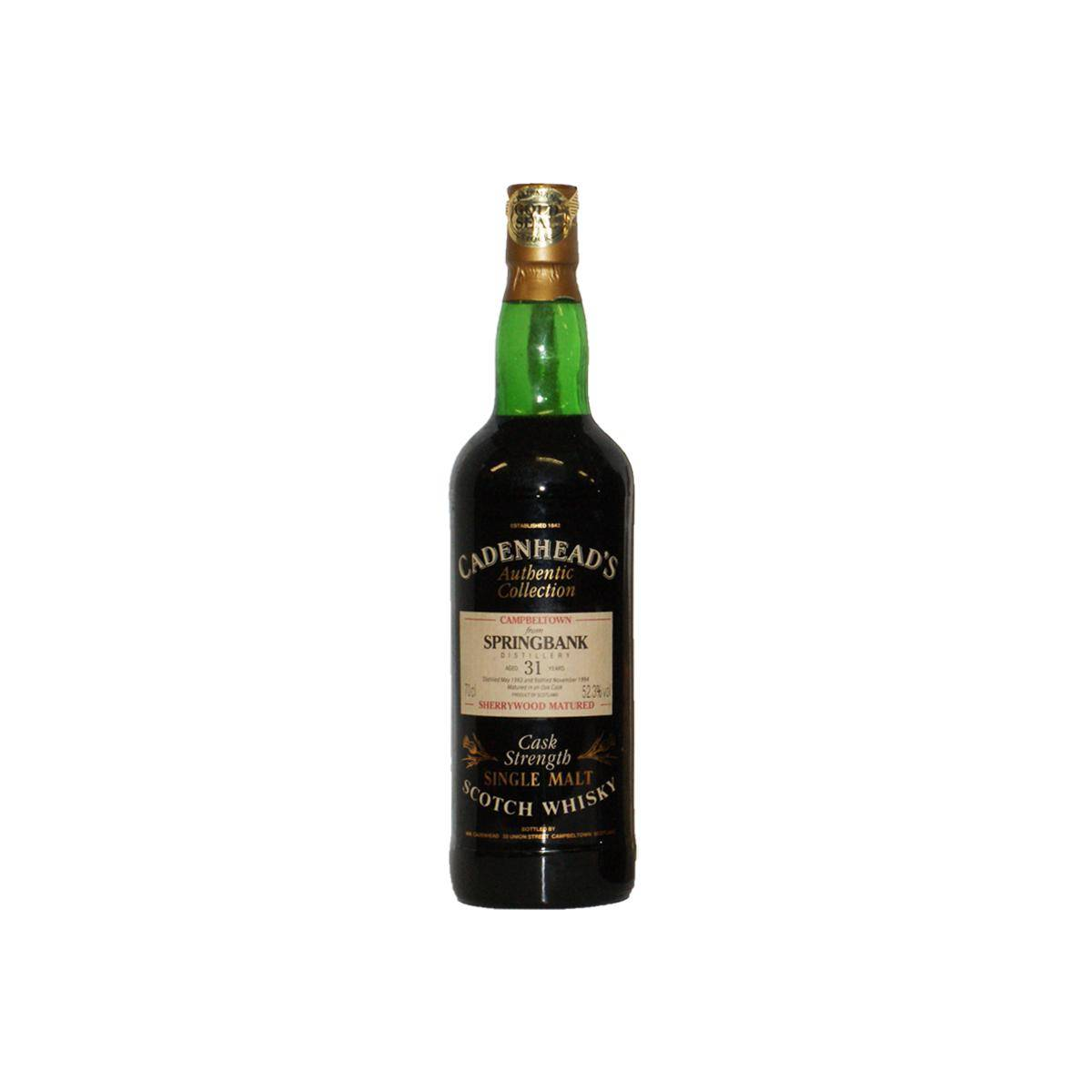
Springbank Authentic Collection 1963 31 Years Single Malt Whisky
Springbank
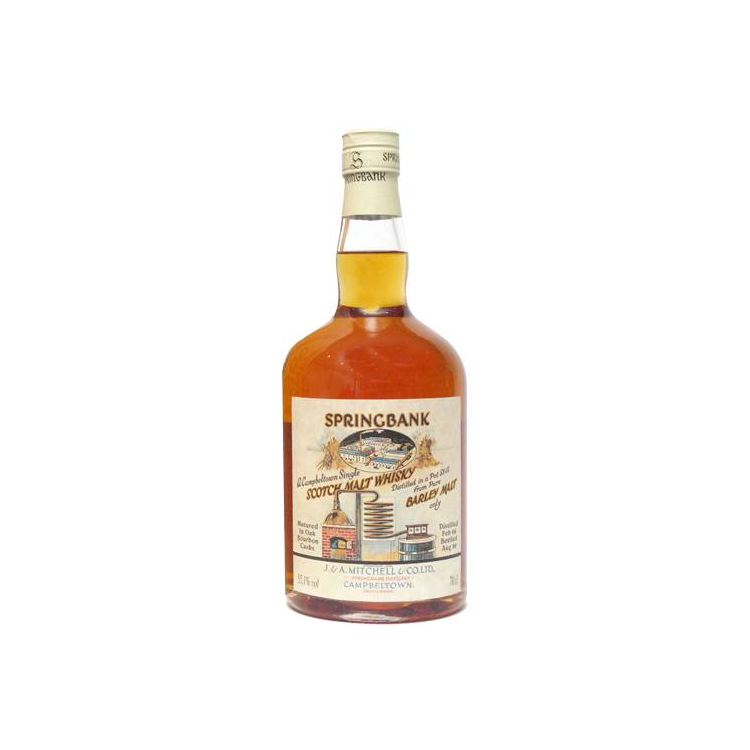
Springbank 1966 32 Years Single Malt Whisky
Springbank
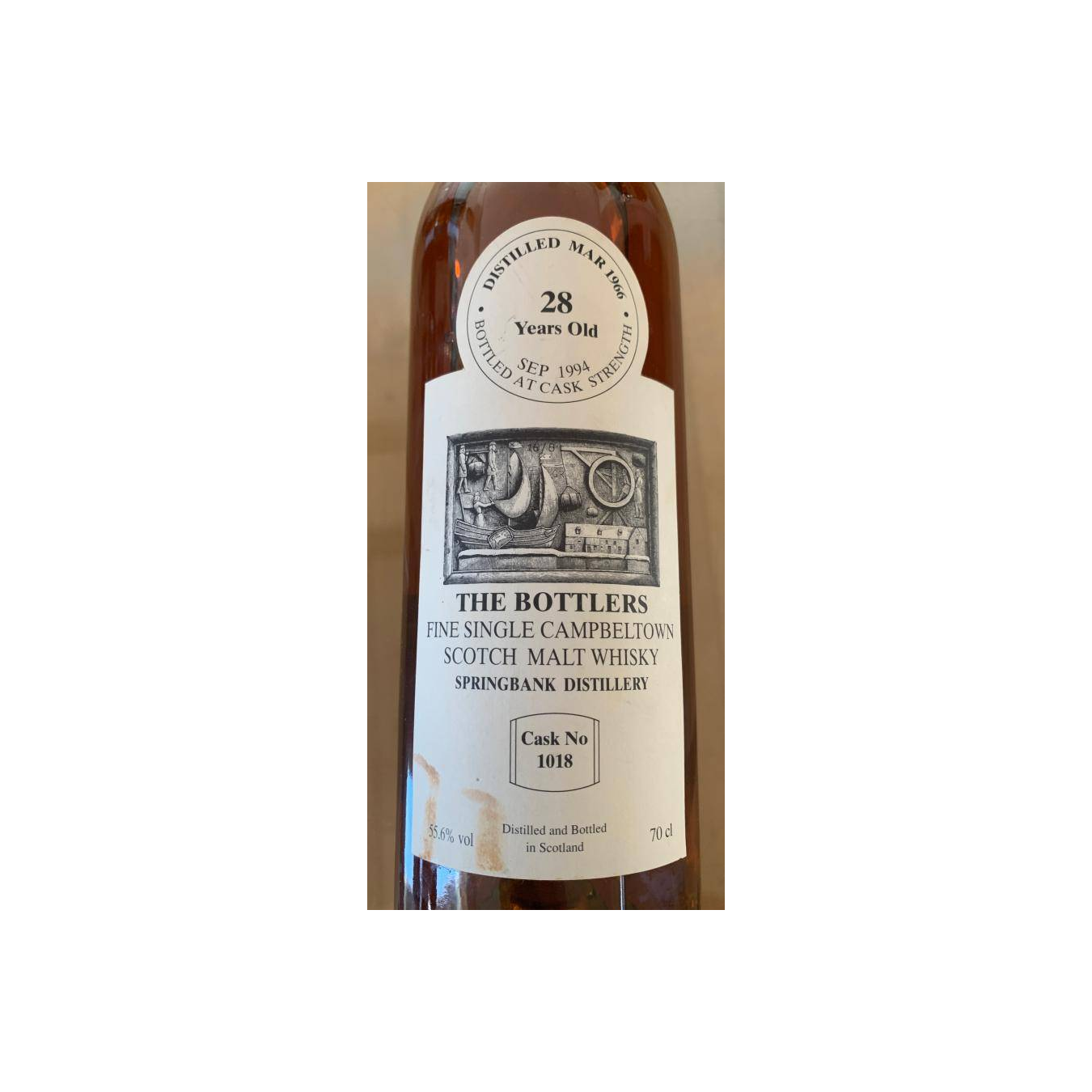
Springbank 1966 28 Years Single Malt Whisky
Springbank
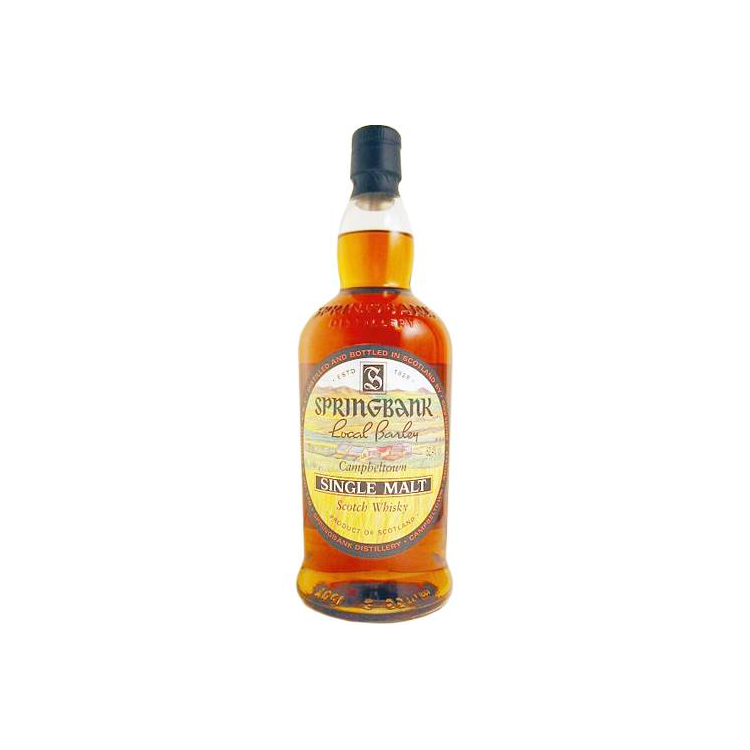
Springbank 1965 36 Years Single Malt Whisky
Springbank
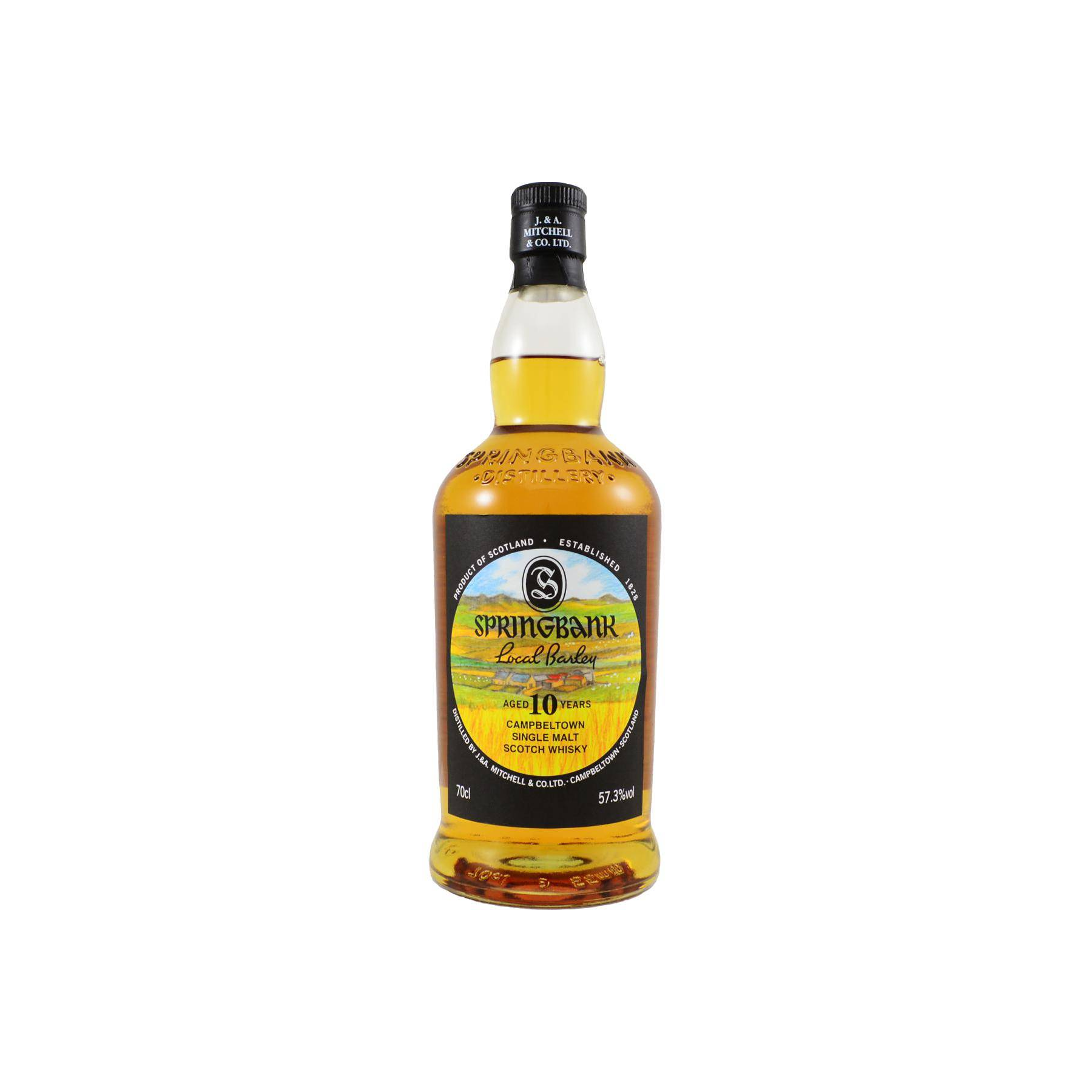
Springbank 2007 10 Years Single Malt Whisky
Springbank
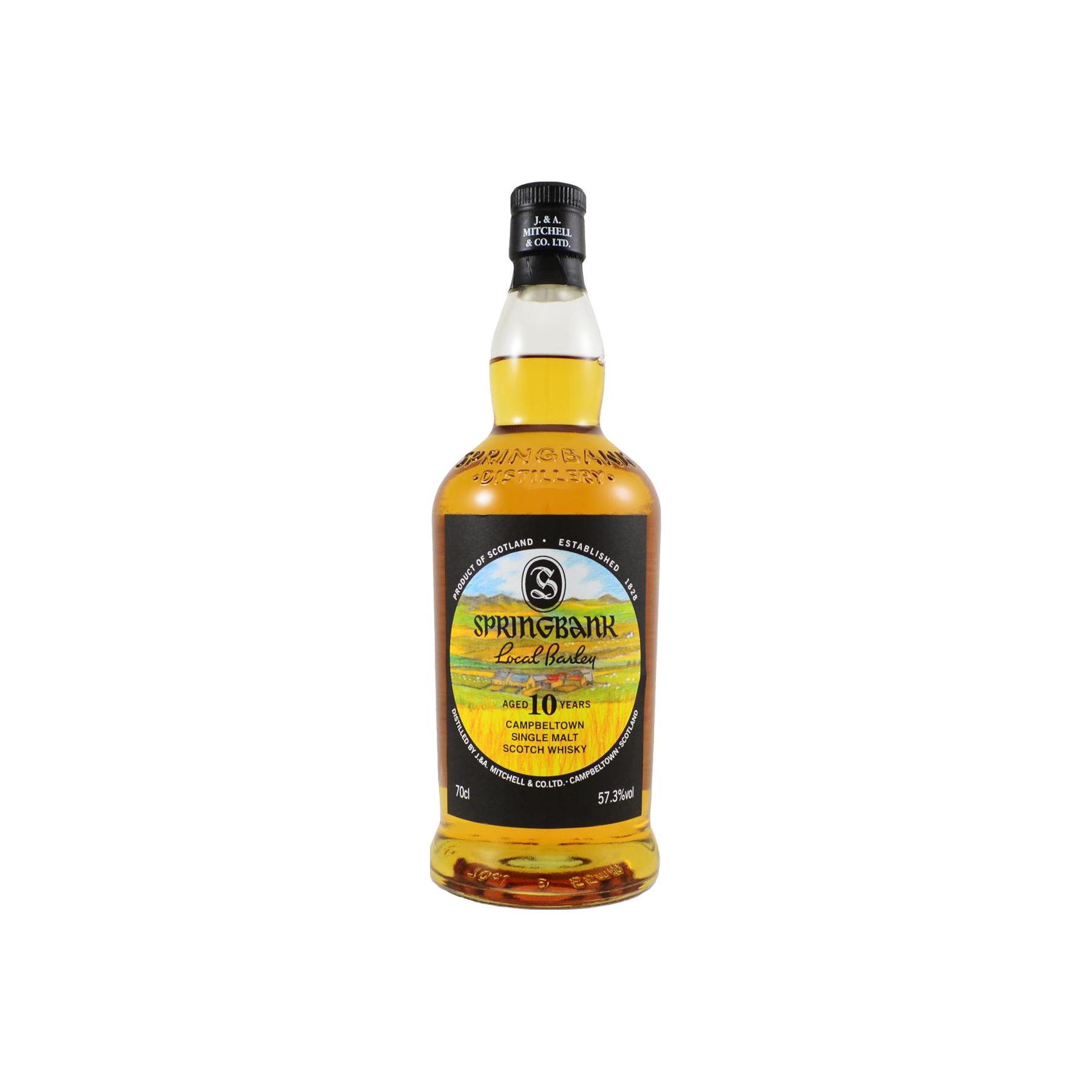
Springbank 2007 10 Years Single Malt Whisky
Springbank
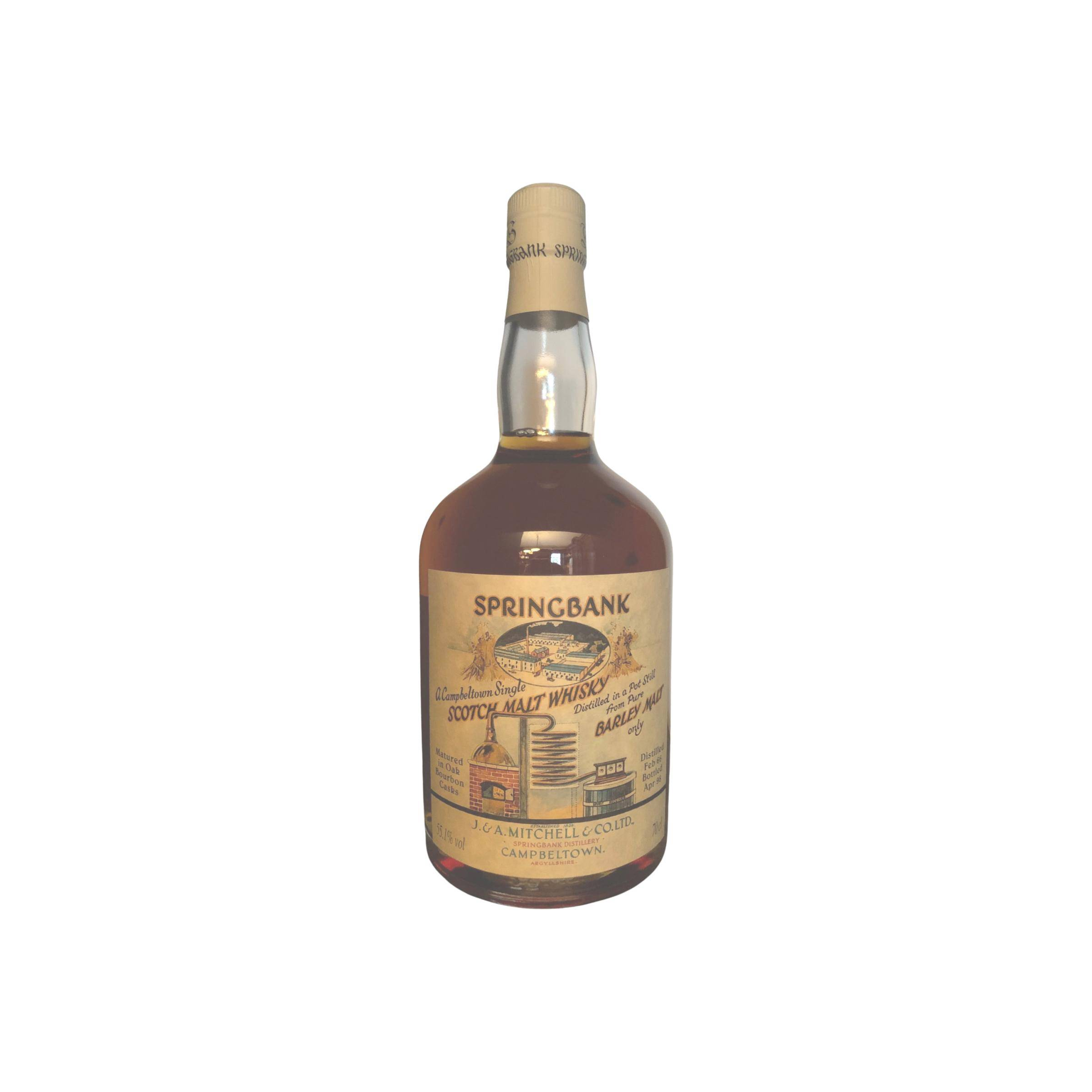
Springbank 1966 32 Years Single Malt Whisky
Springbank
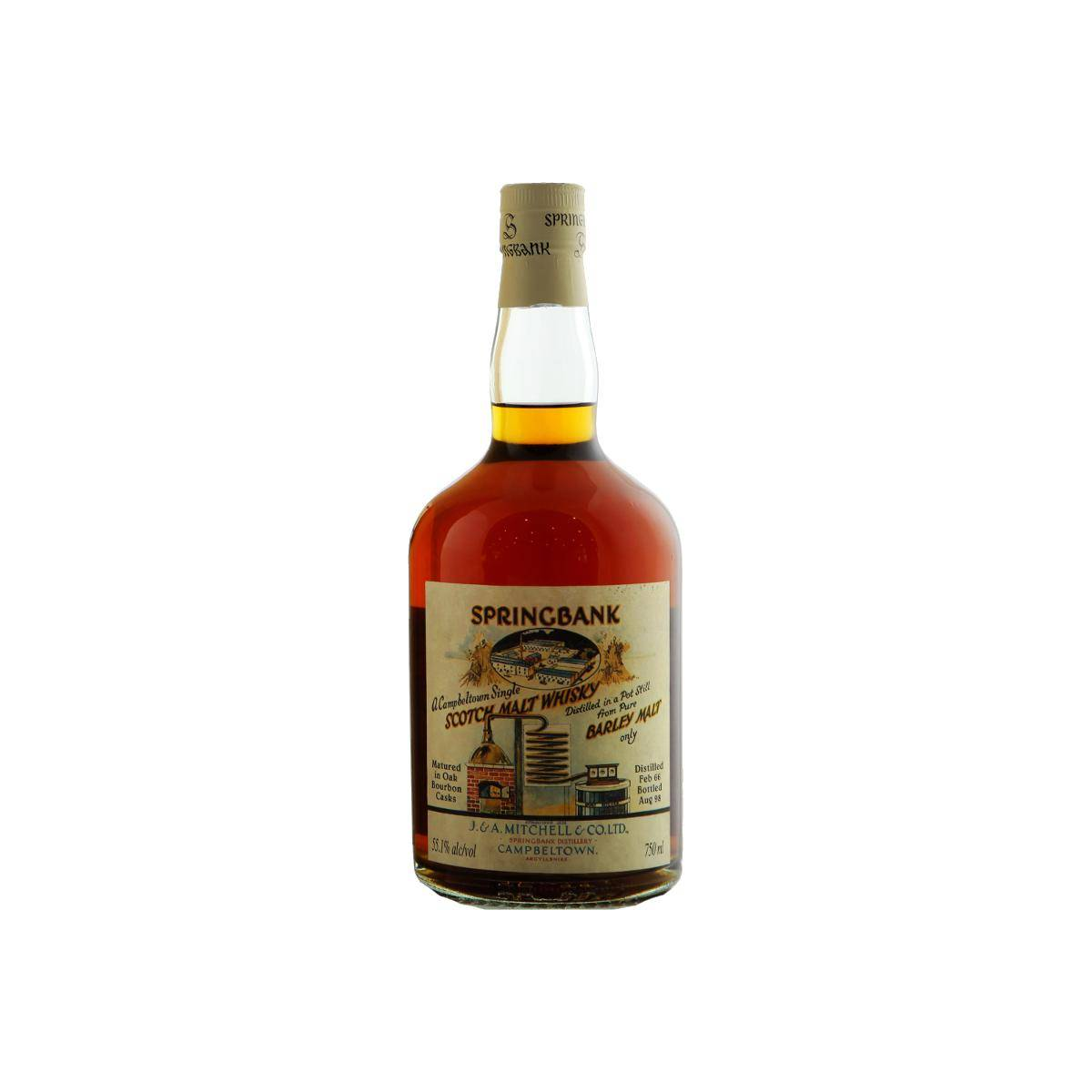
Springbank 1966 32 Years Single Malt Whisky
Springbank
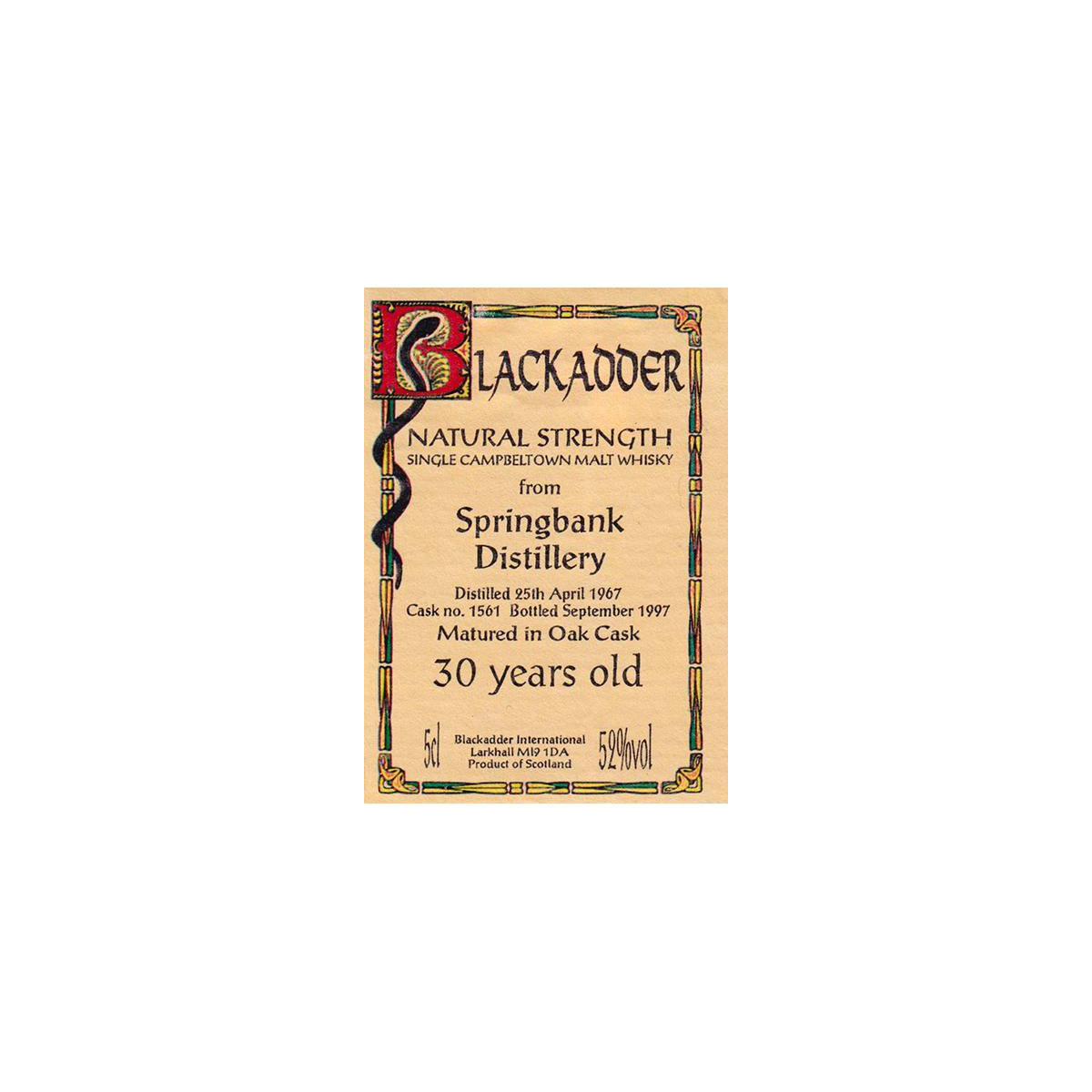
Springbank 1967 30 Years Single Malt Whisky
Springbank
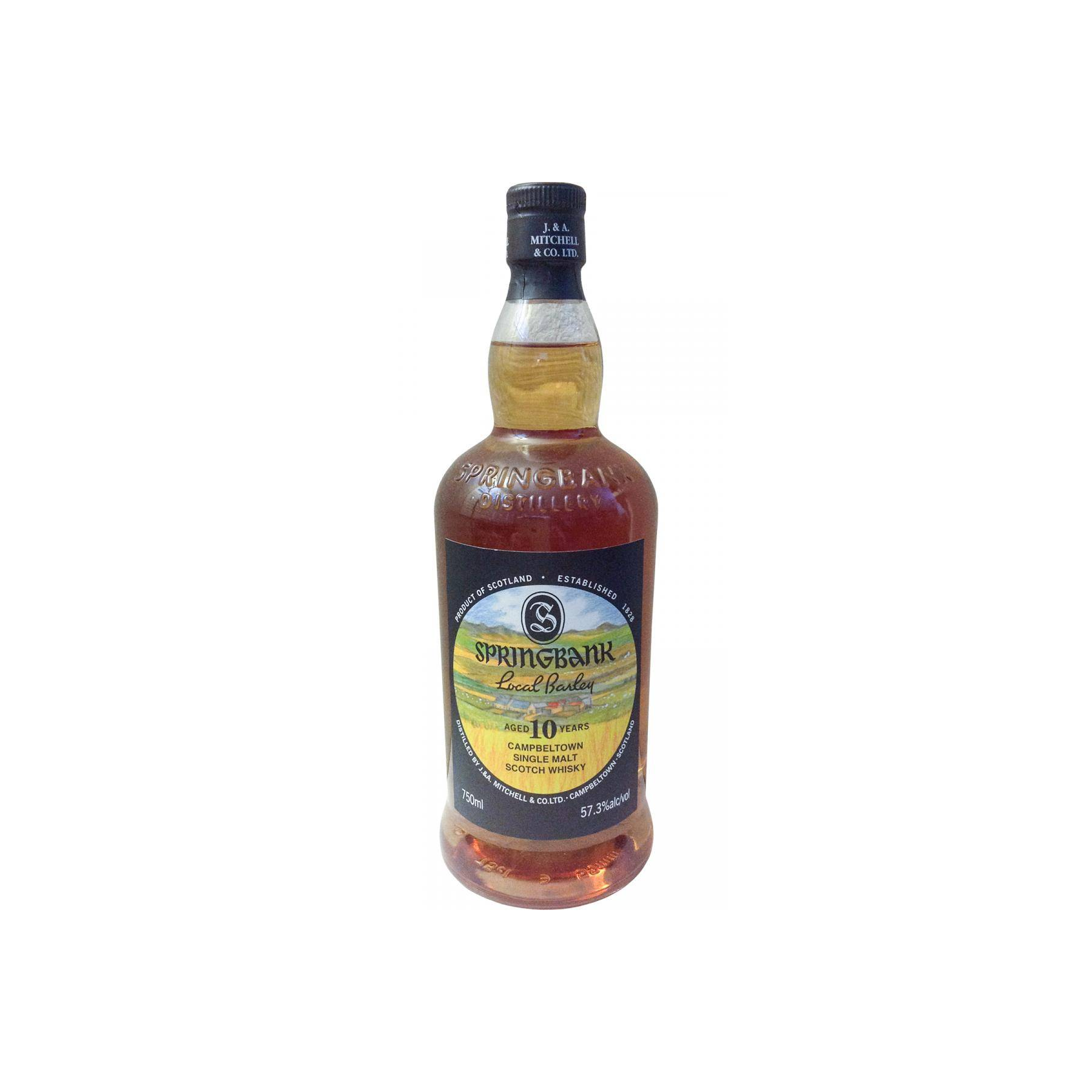
Springbank 2007 10 Years Single Malt Whisky
Springbank