
North British
Established in 1885 by Andrew Usher Jr., William Sanderson, and John Crabbie, the North British Distillery Company is a landmark grain whisky producer...
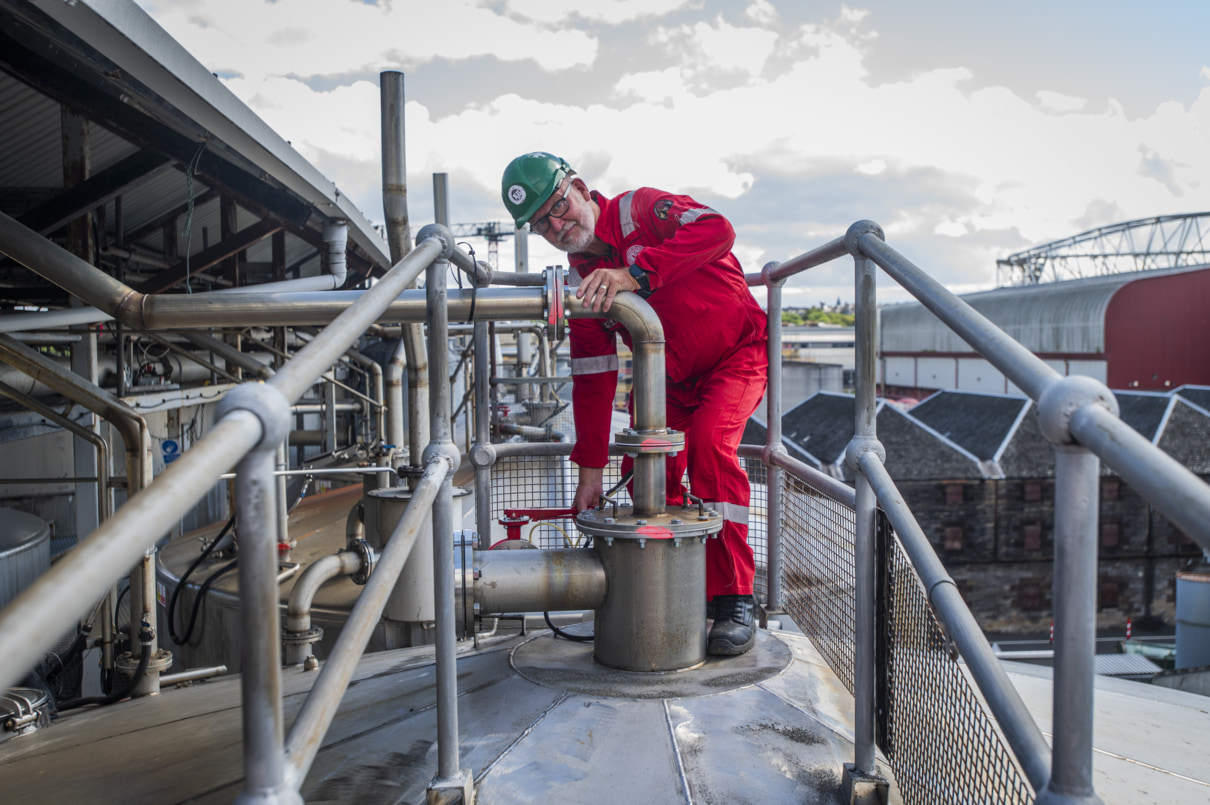
Established in 1885 by Andrew Usher Jr., William Sanderson, and John Crabbie, the North British Distillery Company is a landmark grain whisky producer situated in Edinburgh, Scotland. Conceived during the Victorian era's blended whisky revolution, the distillery was specifically designed to produce premium grain whisky using continuous column stills (Coffey stills). Andrew Usher, widely recognized as a pioneering figure in blended Scotch whisky, spearheaded this venture to secure a reliable supply of quality grain spirit for his renowned blends. The distillery's output—characterized by its light, delicate, and versatile profile—has become an essential foundation for countless iconic Scotch whisky brands. As one of Scotland's largest and most enduring grain whisky facilities, North British continues to operate with the same commitment to excellence, supplying premium grain whisky to the global Scotch industry.
History
In 1885, to counter the monopoly of D.C.L., a coalition of independent blenders and wine merchants united to establish a grain whisky supply distillery in Edinburgh. Though "differing in quality and price," their shared objective was "to combat the enormous monopoly and maintain uniformly low prices." Andrew Usher II served as the distillery's first chairman, John Crabbe as vice-chairman, and William Sandison as general manager. They selected a greenfield site north of Gorgie Road, west of Dalry and the Caledonian Distillery. The location offered excellent railway connectivity (notably the Wester Dalry branch of the Caledonian Railway to Glasgow, and the Granton & Leith branch to Leith, Scotland's principal grain port) and ample water supply from the Union Canal. The distillery commenced production in September 1887 with a single Coffey still. In its inaugural year, it produced and sold 1.5 million gallons. Within four years, capacity doubled, and by 1897 output had reached 3 million gallons, with the entire second year's production pre-sold. The chairman proudly declared: "No grain whisky in Scotland is more popular than ours." The difficult 1920s compelled the distillery to sign an agreement with D.C.L., restricting annual production to the following year's orders. Typically, D.C.L.'s sales were four times North British's, so capacity was apportioned four-fifths to one-fifth, reducing North British's output to 2-2.5 million gallons annually. This arrangement persisted until 1934, when U.S. Prohibition repeal stimulated a sharp sales increase. During WWII, grain shortages forced North British to cease distilling. Though distilling resumed post-war, grain rationing didn't restart until 1949. The 1950s brought expansion and modernization. The site extended west over the former tram station and south onto land previously housing a Scottish brewery on Slateford Road. A new facility was developed at Muirhall, 18 miles away near West Calder, with 26 warehouses accommodating 40 million gallons of inventory. Production grew rapidly to meet rising demand: capacity hit 3 million gallons in 1955, 6 million in 1961, and 12 million in 1972. The company employed some 400 staff. In 1968, the distillery installed an evaporator for spent wash and a dark grains plant for pelletized cattle feed. These facilities expanded in 1976 to process spent wash and residues from the nearby Caledonian Distillery. Carbon dioxide was pumped to Caledonian for recovery. In 1993, North British Distillery's management was acquired by Lothian Distillers Ltd, a joint venture between I.D.V. and Robertson & Baxter. I.D.V. merged with U.D. in 1998 to form U.D.V., later becoming Diageo. Robertson & Baxter was renamed Edinburgh in 1999.
Curiosities
In 1947, North British Distillery's transport fleet consisted of horse-drawn carriages. By 1967, the operation had expanded to include six Commer trucks (tasked with delivering casks as far as Aberdeen) and four tractors. The distillery also owned two diesel locomotives that could haul the 'Grain Special' trains to Leith port. In 1959, W.G. Farquharson, Managing Director of Arthur Bell & Sons, proposed building a lowland malt distillery on-site (as many other distilleries had done), but the plan never came to fruition. On November 12, 1970, the 2.5 millionth cask of North British grain whisky was filled. It was sealed in a commemorative small wooden cask and put on display at the distillery.
Hot Search Whiskies
Showing top 10
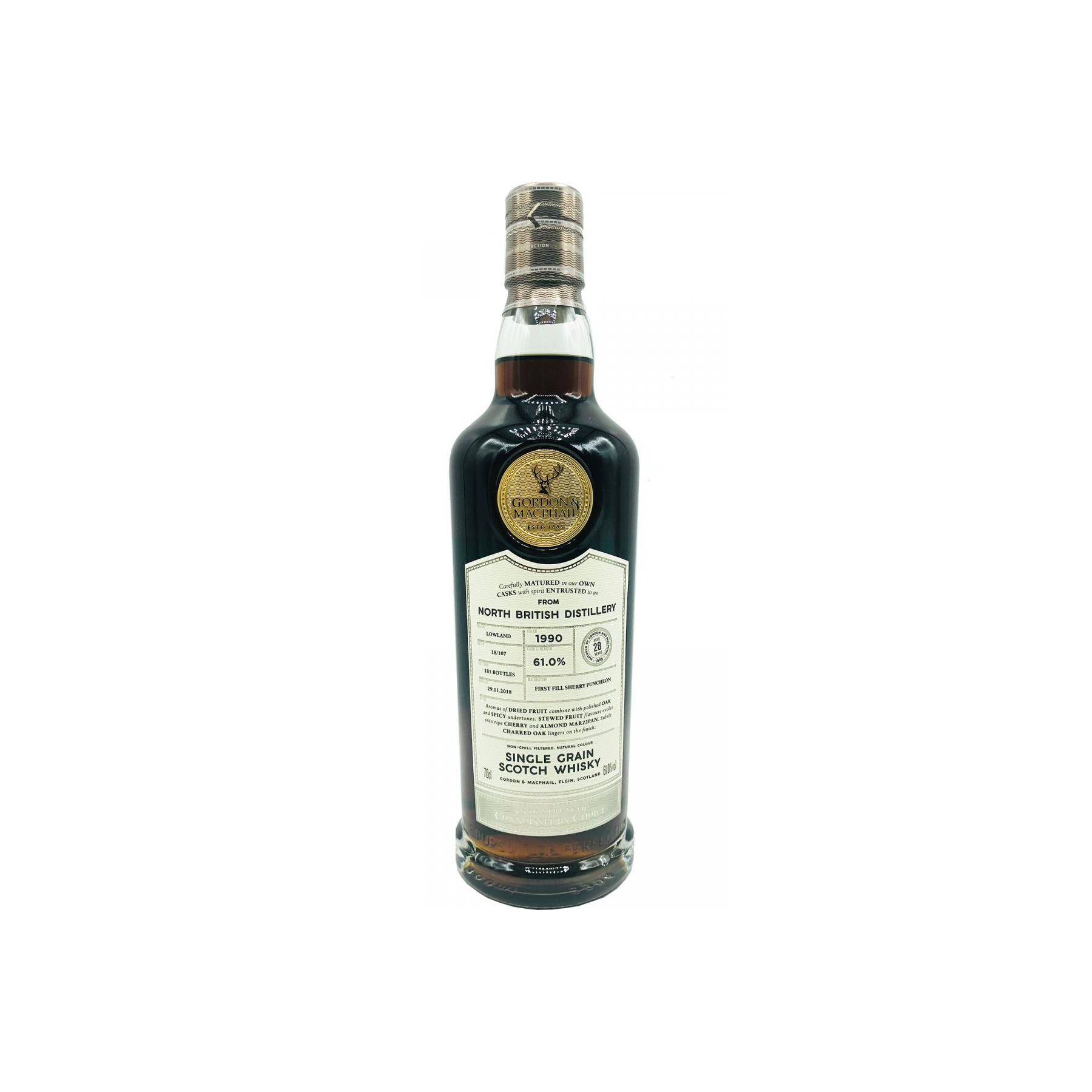
North British Connoisseurs Choice - Cask Strength 1990 28 Years Single Grain Whisky
North British
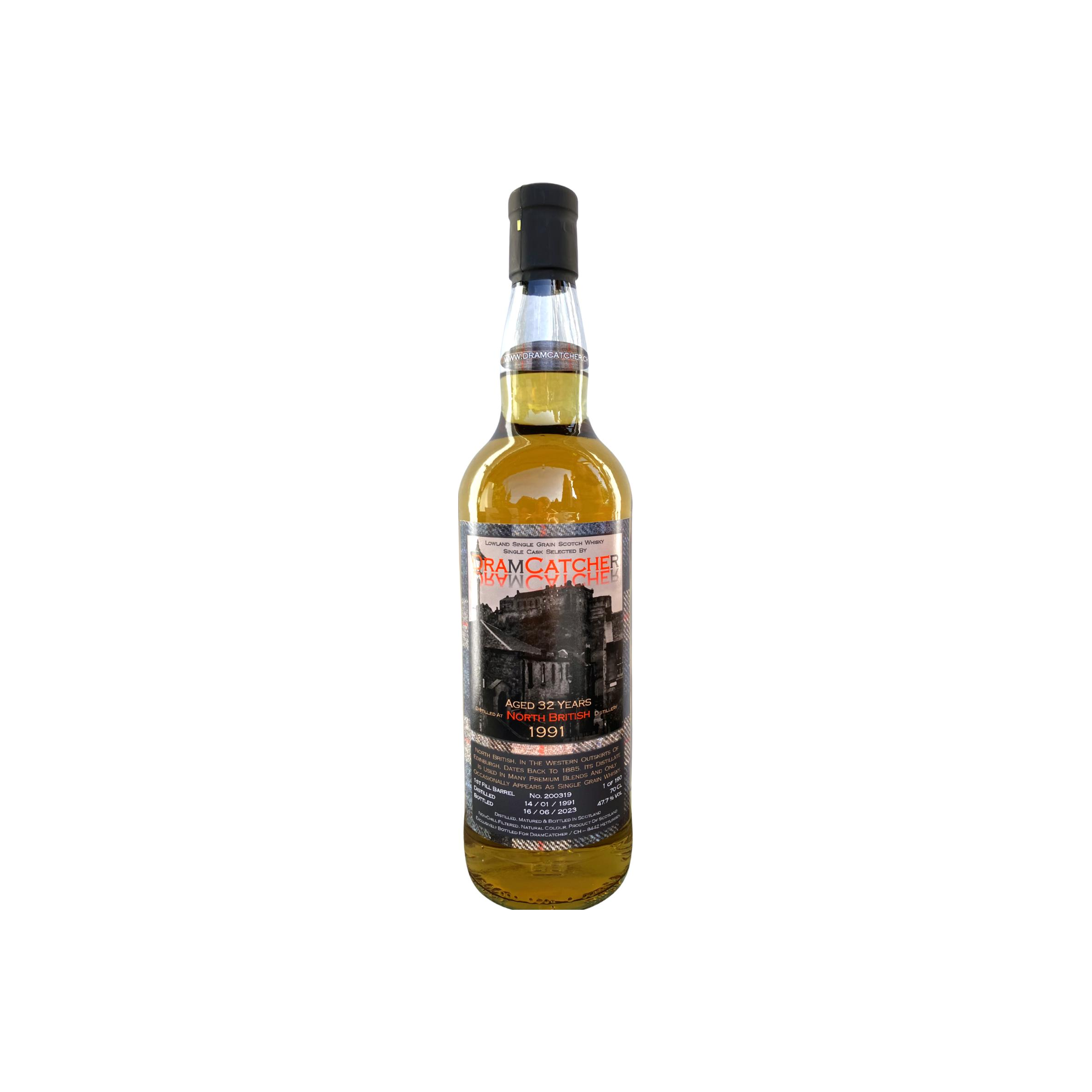
North British 1991 32 Years Single Grain Whisky
North British
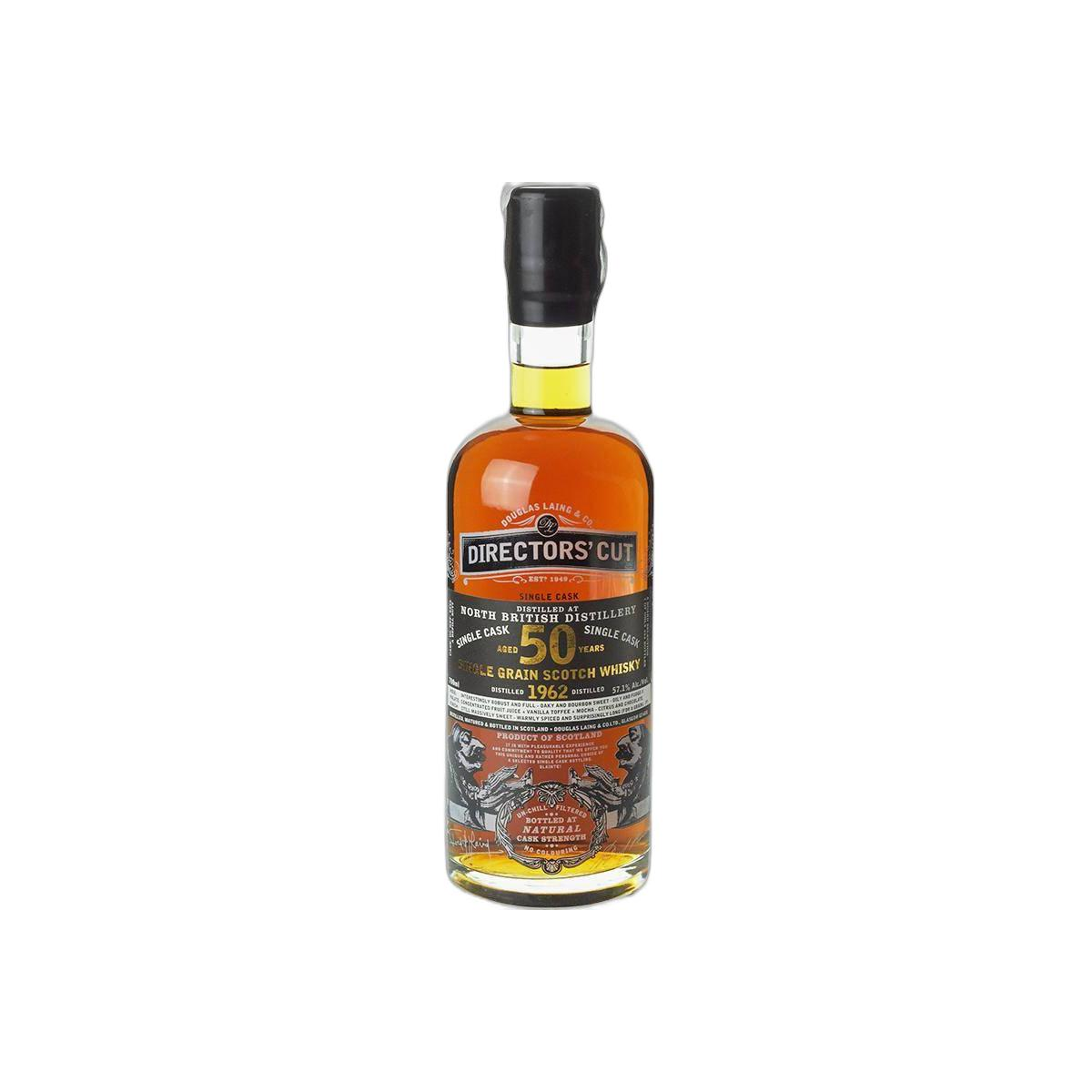
North British 1962 50 Years Single Grain Whisky
North British
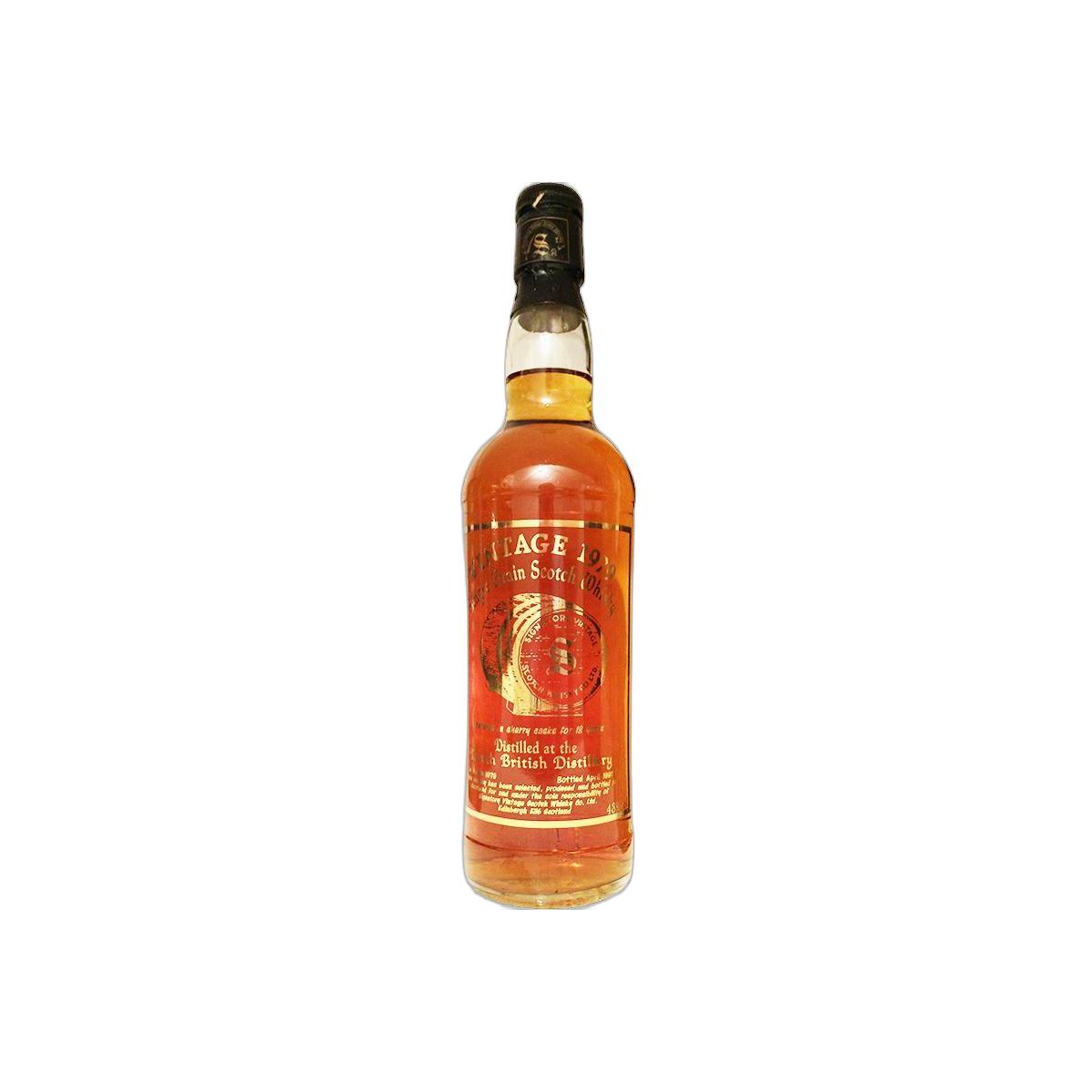
North British Vintage Collection 1979 18 Years Single Grain Whisky
North British
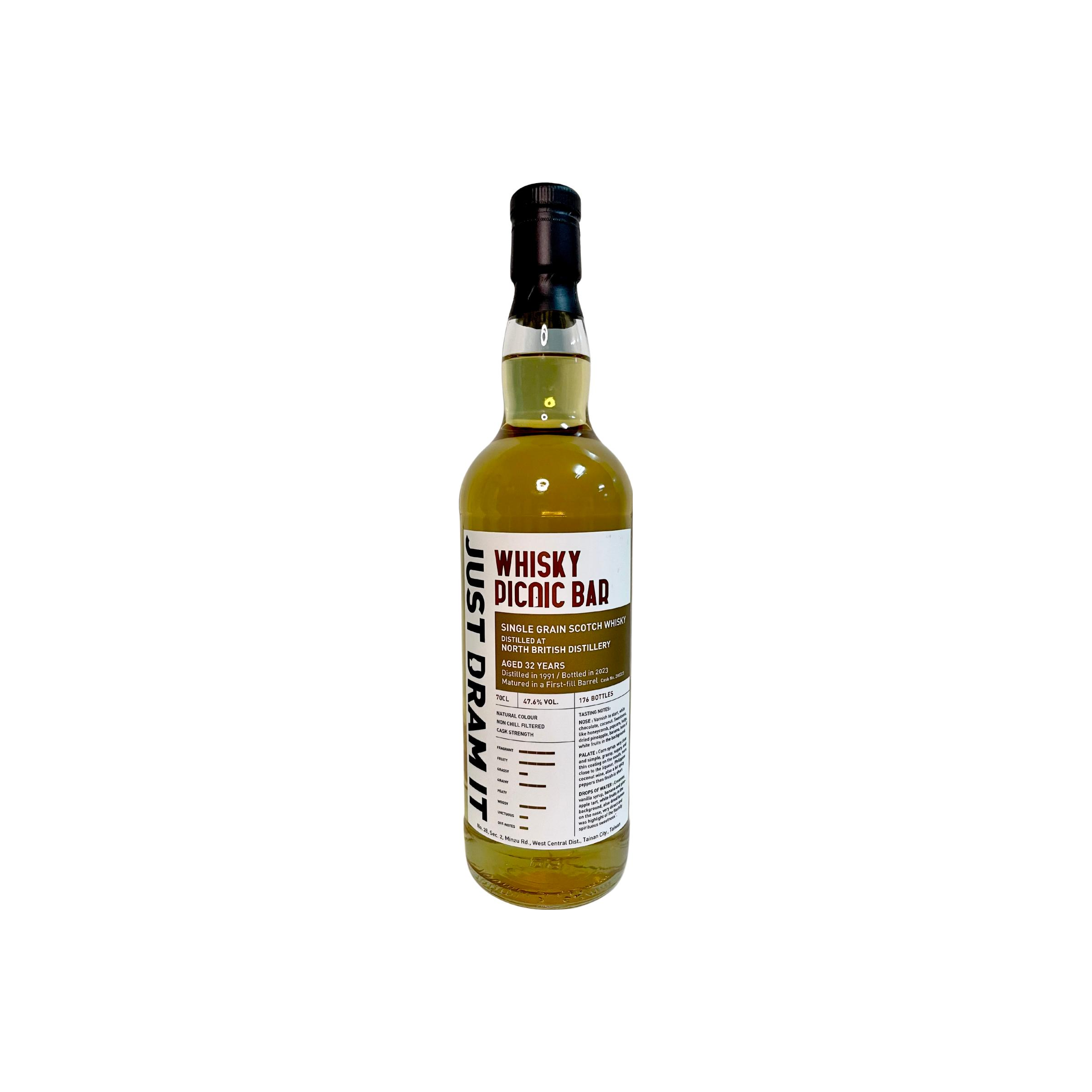
North British 1991 32 Years Single Grain Whisky
North British
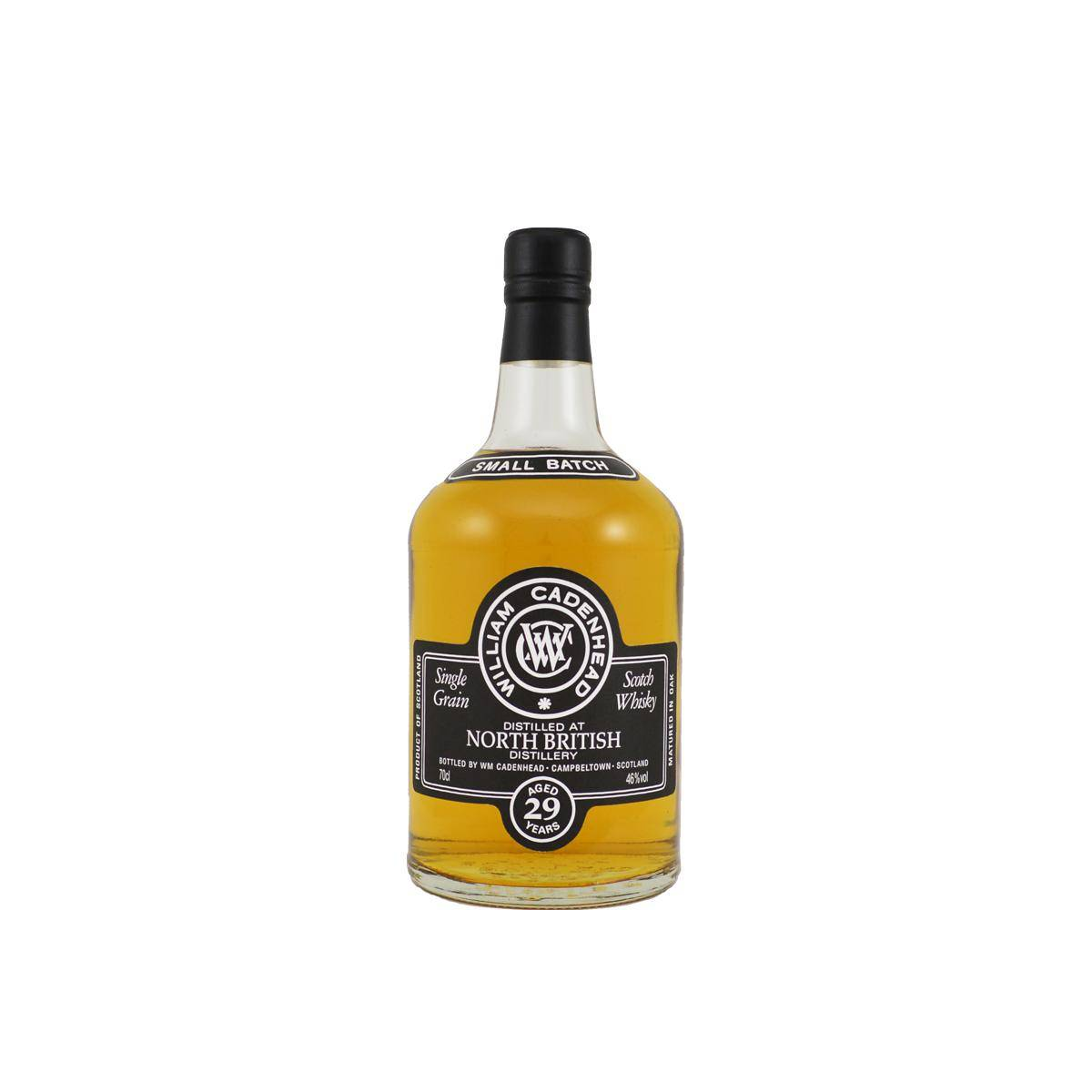
North British Small Batch 1985 29 Years Single Grain Whisky
North British
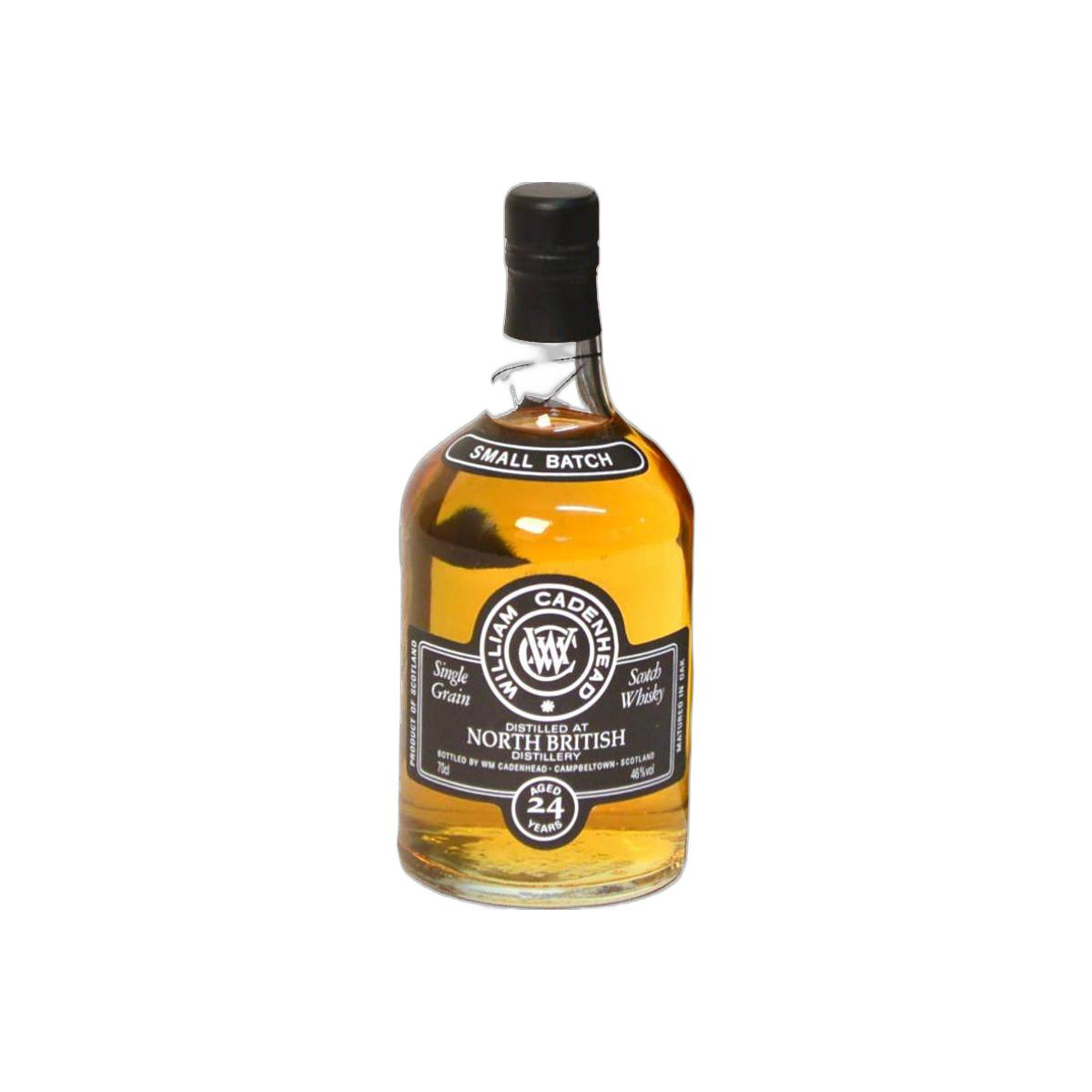
North British Small Batch 1989 24 Years Single Grain Whisky
North British
North British 18 Years Single Grain Whisky
North British
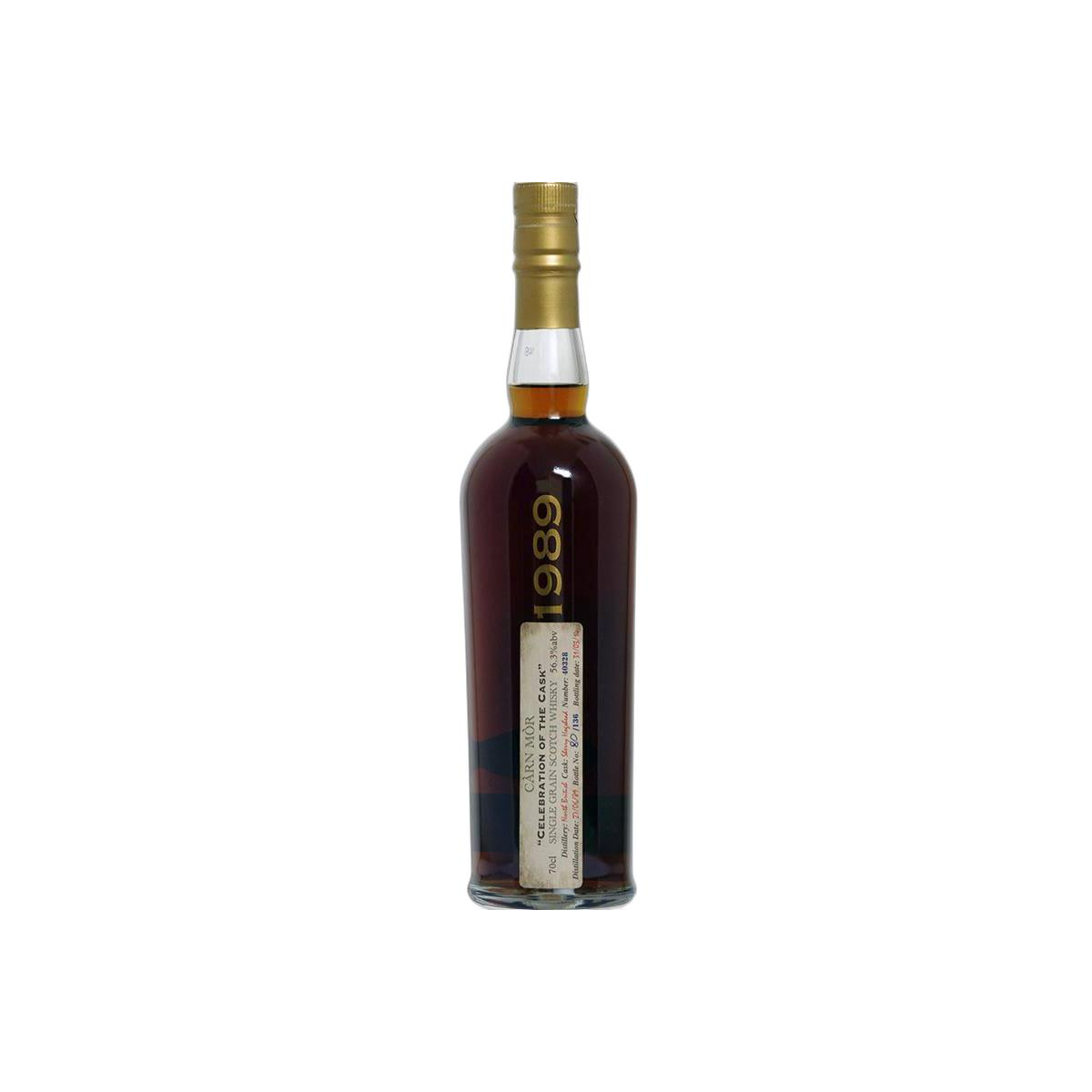
North British 1989 24 Years Single Grain Whisky
North British
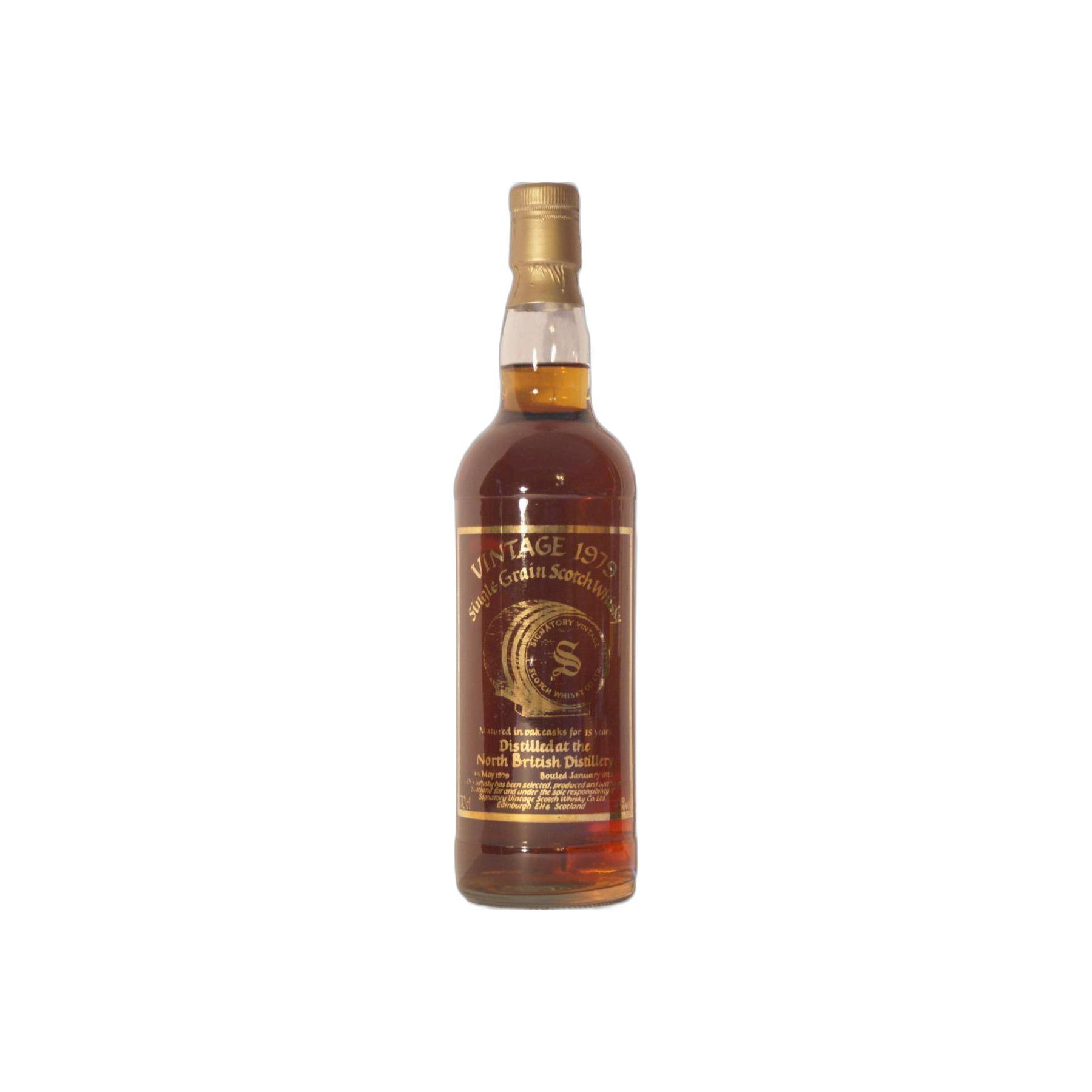
North British Vintage Collection 1979 15 Years Single Grain Whisky
North British