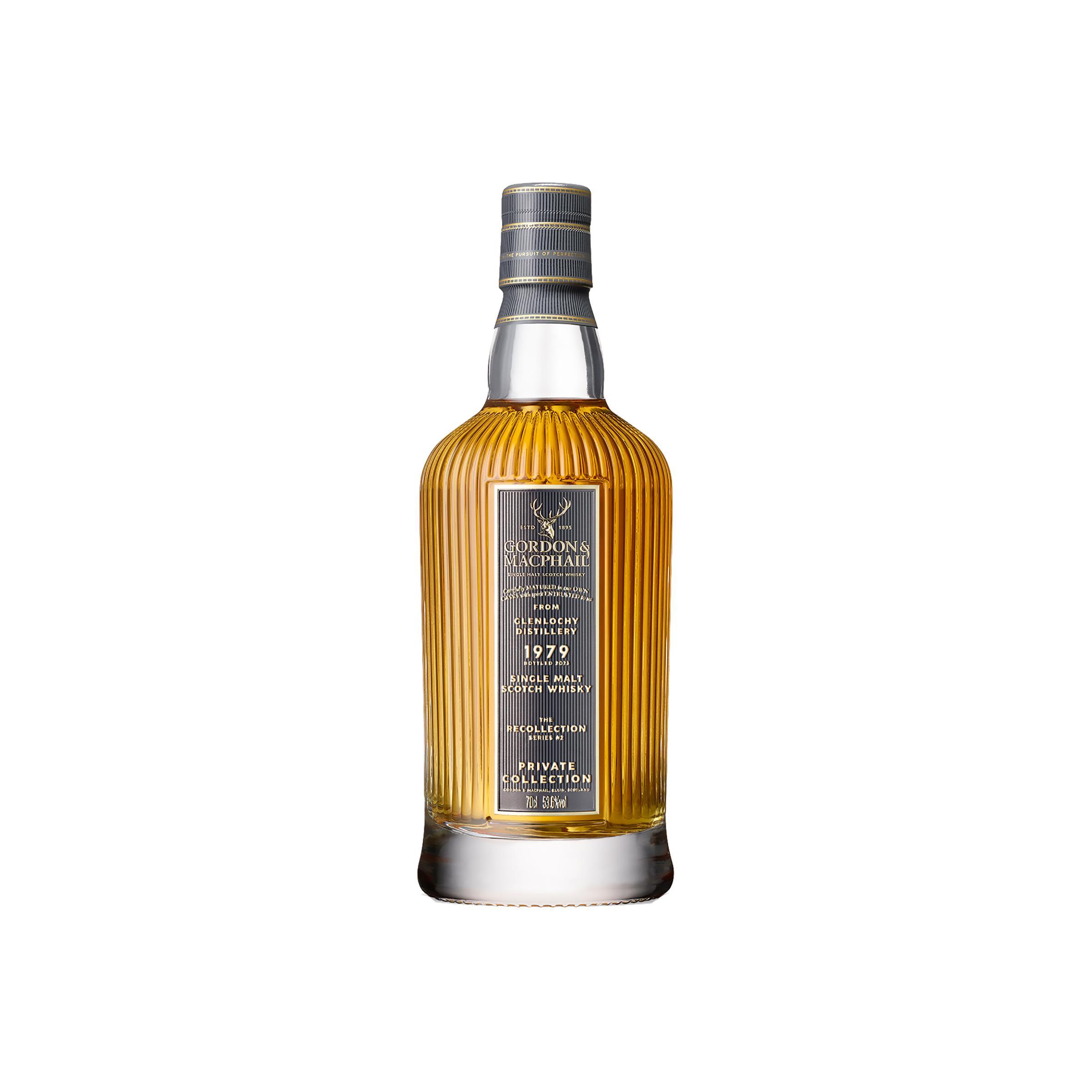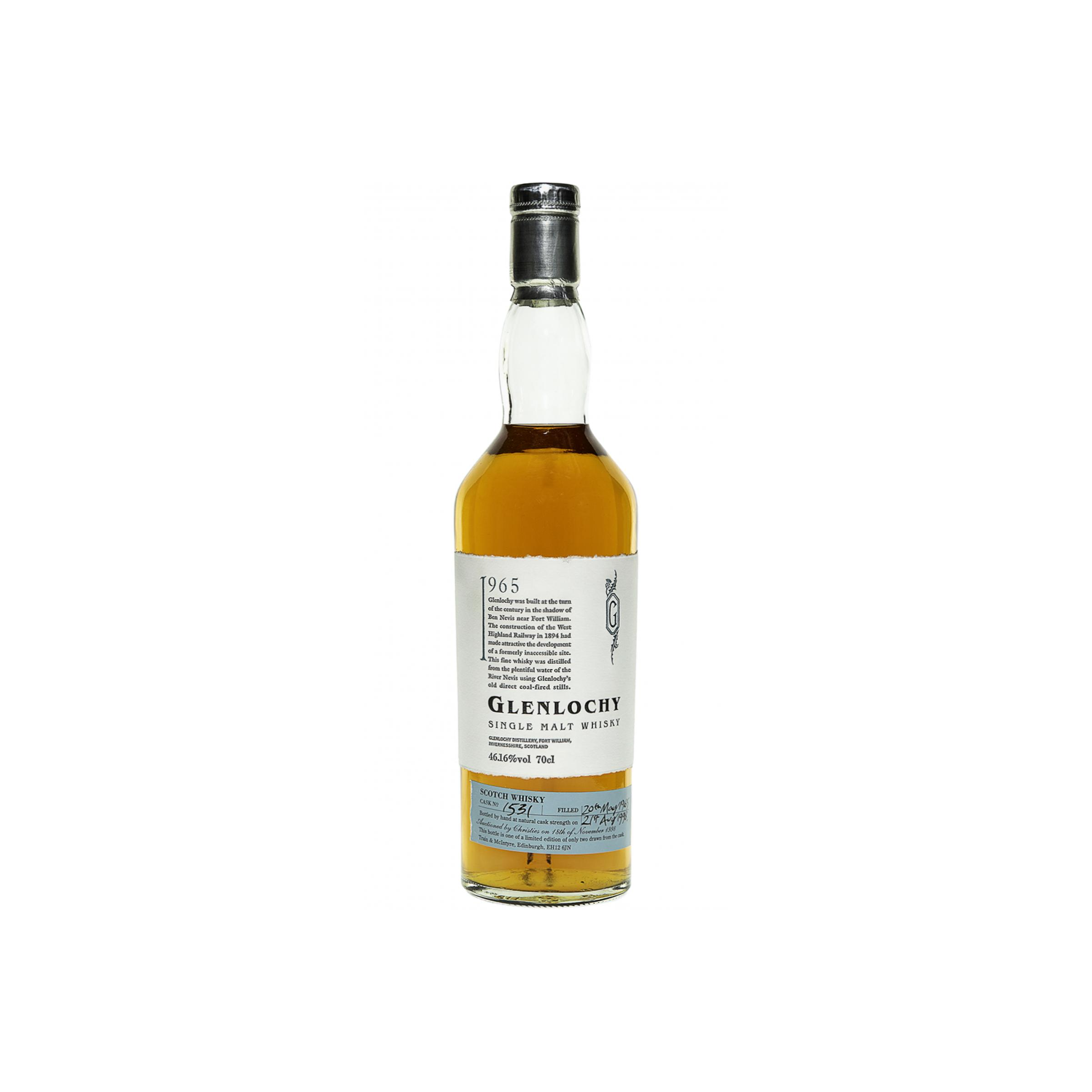
Glenlochy
History
April 1900 was not the best time to open a distillery. Pattison's of Leith had just gone bankrupt, dragging many companies down with it. Confidence in the industry had collapsed, and stocks of mature whisky far exceeded market demand. Three years earlier, when David McAndie purchased the land from Lord Abinger of Inverlochy Castle Estate, the prospects for the Fort William market still looked bright. Ben Nevis, the first distillery in Fort William, was thriving, and the West Highland Railway reached the town in 1894. McAndie had just built Glen Calder distillery, and together with James Grant, owner of Highland Park distillery, and 13 local investors, he founded Glenlochy. The company's first manager came from Bunnahabhain distillery. Despite the less-than-ideal start, Glenlochy continued production until 1917 when all distilleries were ordered closed by the government. In 1920, the shareholders sold the distillery to a Lanarkshire brewer, production resumed in 1924, and it closed again two years later. In 1934, the distillery buildings and site were sold for £850 to a Lanarkshire car rental company, and three years later were sold together with the Glenlochy Distillery Company to Joseph Hobbs (see 'Ben Nevis'). Hobbs had acquired the function of purchasing distilleries for National Distillers of America, Inc., and in 1940 sold Glenlochy to them to raise funds for his Great Glen cattle ranch. In 1953, D.C.L. took over National Distillers and transferred Glenlochy's management to S.M.D. S.M.D. modernized Glenlochy in 1960 and 1976, then closed the distillery in 1983.
Curiosities
This distillery is uniquely constructed entirely from brick and stone, with ironwork adorning its roof, and its pagoda tower is exceptionally steep. The exterior has remained largely unchanged over the years. Joseph Hobbs was a legendary figure. As a child, his parents emigrated with him to Canada. His obituary in The Times recounted that as an adult, he amassed a fortune through shipbuilding and real estate development (as well as smuggling whiskey during Prohibition), only to suffer devastating losses during the Great Depression of 1930-1931, returning to Britain with less than £1,000 in cash.
Hot Search Whiskies
Showing top 10