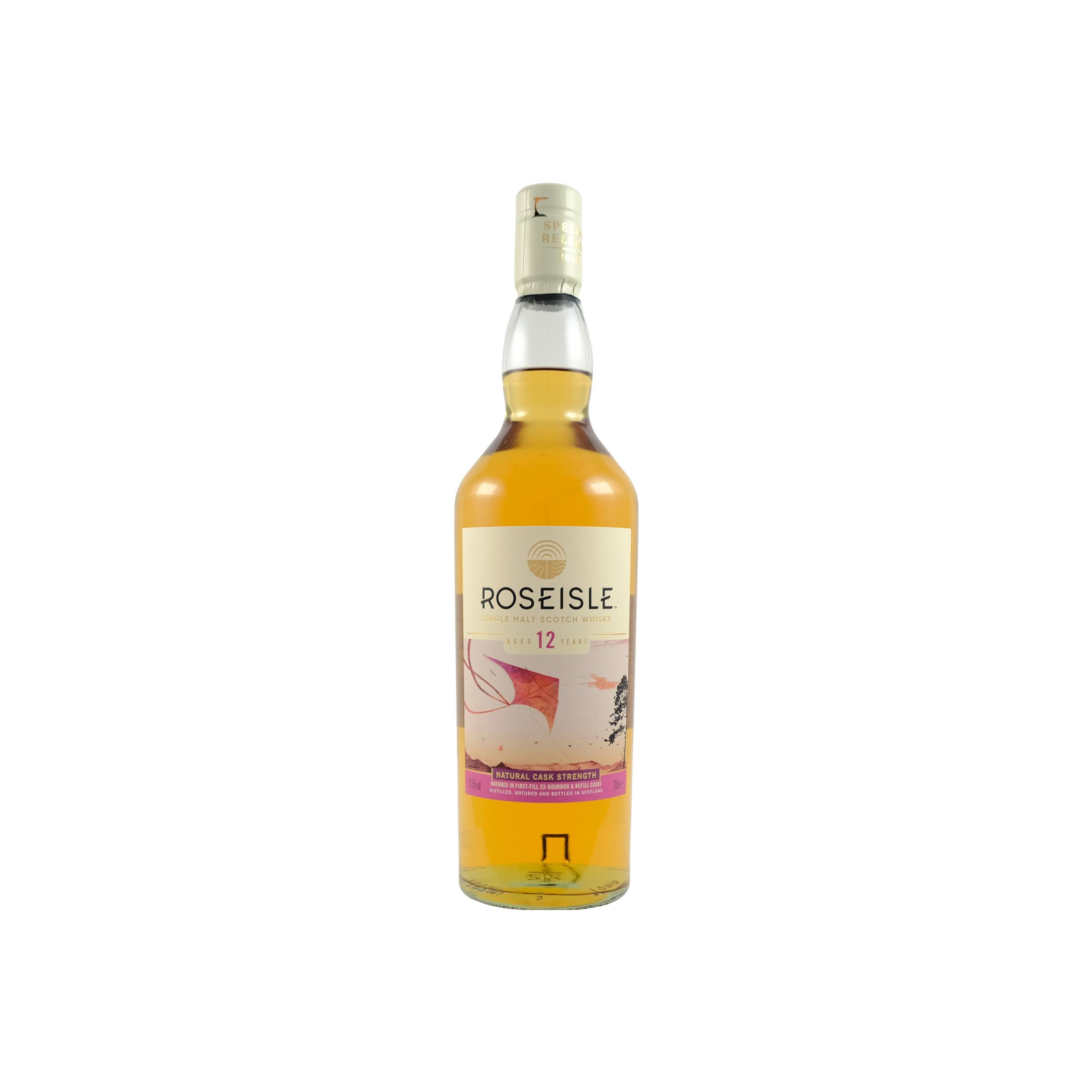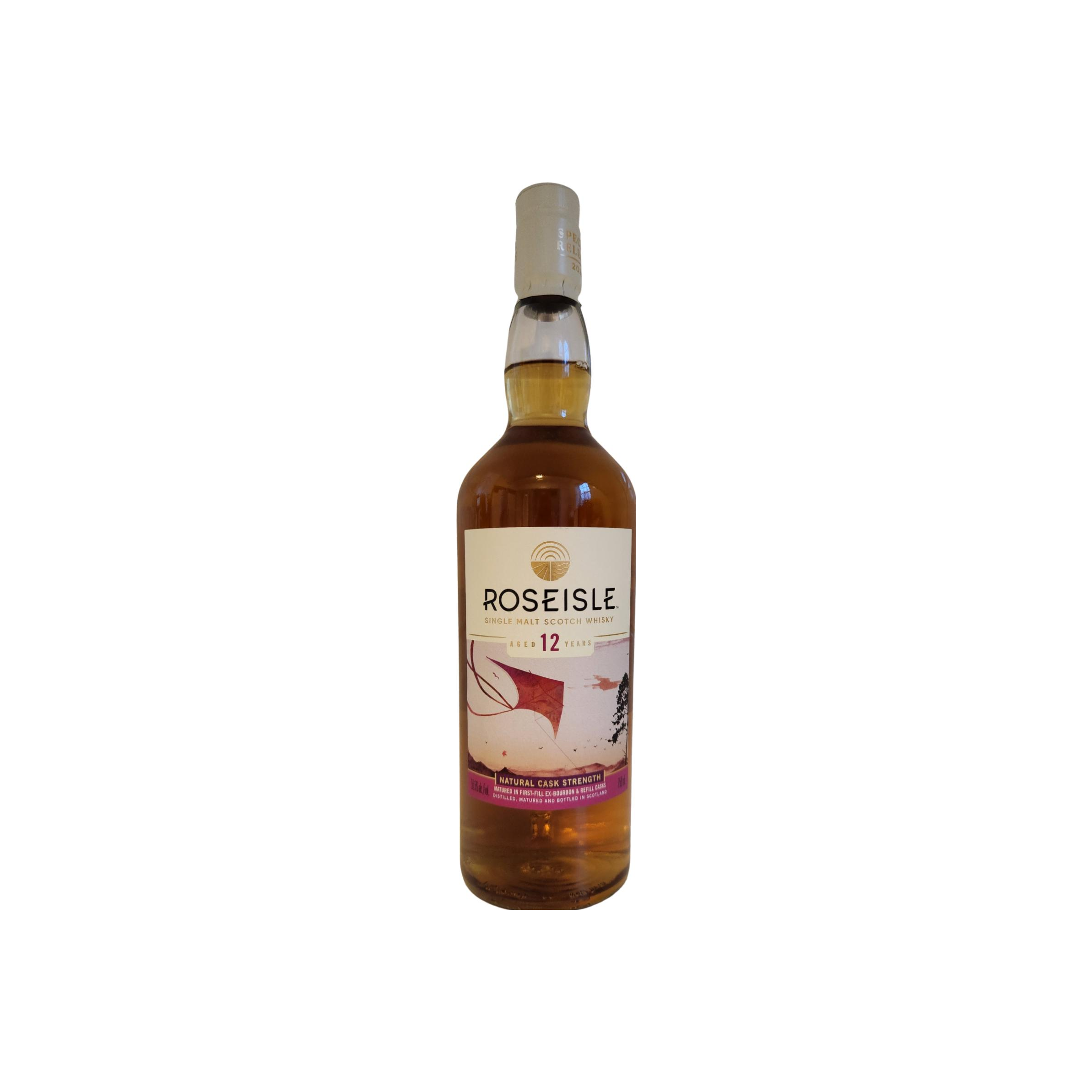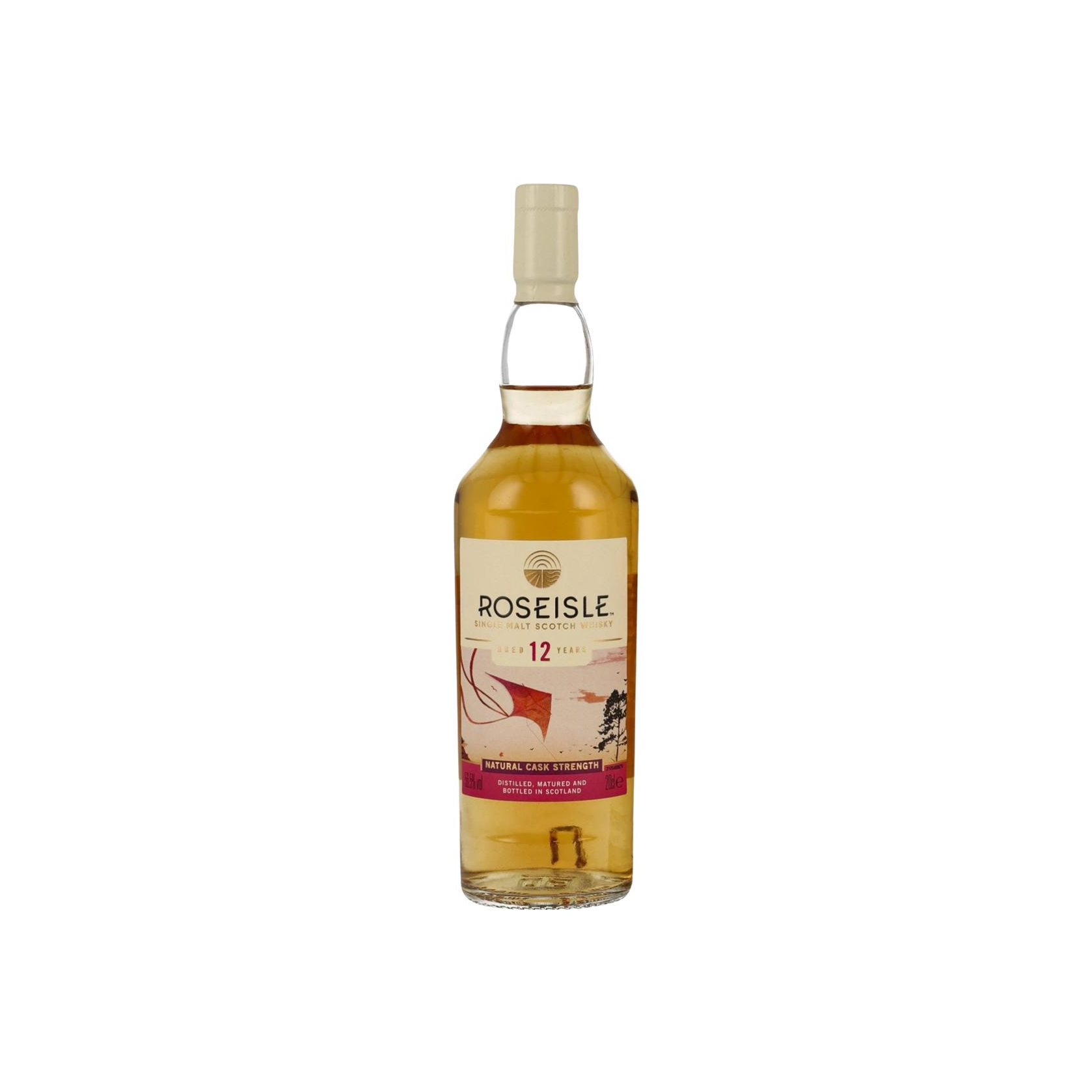
Roseisle
History
In January 2007, Diageo announced plans to build a 'super distillery' near the Roseisle malting plant to produce a range of different whisky styles for both blending and single malt bottling. The distillery was completed in spring 2008 and began production in autumn of the same year at a total cost of £40 million. It possesses the largest production capacity in all of Scotland, second only to Glenfiddich, and can produce various styles of Speyside whisky—broadly categorized as 'light-bodied' and 'heavy-bodied'. The six stills can also switch between different condensers (copper or stainless steel). Roseisle serves as an exemplary model of resource efficiency, reducing the environmental impact of this large-scale distillery to the same level as a standard small-scale facility.
Curiosities
Between 1979 and 1980, when Lafule was constructing its malting floor, they planned to build a distillery next to it, though not on the scale it is today. Diageo's wisdom in environmental protection is mainly demonstrated in: 1. Mixing the dried distiller's grains from the belt press, the solid mixture extracted by the centrifuge, and by-products from malt products (rootlets and small roots), then burning them in a biomass burner to produce steam. Approximately half of the distillery's steam is generated this way; 2. Hot water from condensers is piped to the distillery's malting floor, as well as to those malting floors located at Boheid Port, to provide hot air for drying green malt. Since the malt comes from nearby malting facilities, transportation costs, emissions, and traffic impacts are negligible.