
Inverleven
History
Inverleven distillery broke ground in 1938 within Hiram Walker's Dumbarton grain whisky distillery complex and commenced operations the same year. Both facilities were licensed to Walker's subsidiary, George Ballantine & Sons, with the aim of providing base spirits for Ballantine's blended whisky. Inverleven featured two traditional pot stills and one Lomond still (installed after 1959). The latter was purchased by Bruichladdich distillery in 2007 and christened 'Ugly Betty.' Tom Morton described it as 'like a giant upside-down trash can made of copper.' They utilized it to produce the highly successful gin 'The Botanist,' which incorporates 31 botanicals, 22 of which are sourced from Islay. The stills were initially heated by direct fire, but this was changed to steam heating in the early 1960s. Inverleven closed in 1991. Its production capacity was 1.3 million liters of pure alcohol.
Curiosities
Inverleven's distillery location—under the shadow of Dumbarton Rock, at the mouth of the River Leven—was once a shipyard (abandoned after 1933). The distillery's towering red-brick building was itself designed in America. In the words of Philip Morrice, it belonged stylistically to the type of architecture "more likely to be found in the American Midwest than in the Scottish Lowlands." The distillery was demolished in 2006. "It is said that the distillery might never have been built if Sir Henry Ross, chairman of D.C.L., had not kept Harry Hatch of Hiram Walker & Sons waiting so long. At the time, Hatch had come to purchase grain whisky and ultimately announced he would simply build his own grain distillery." (Charles MacLean) Inverleven was never bottled by its owners, only occasionally by independent bottlers.
Hot Search Whiskies
Showing top 10
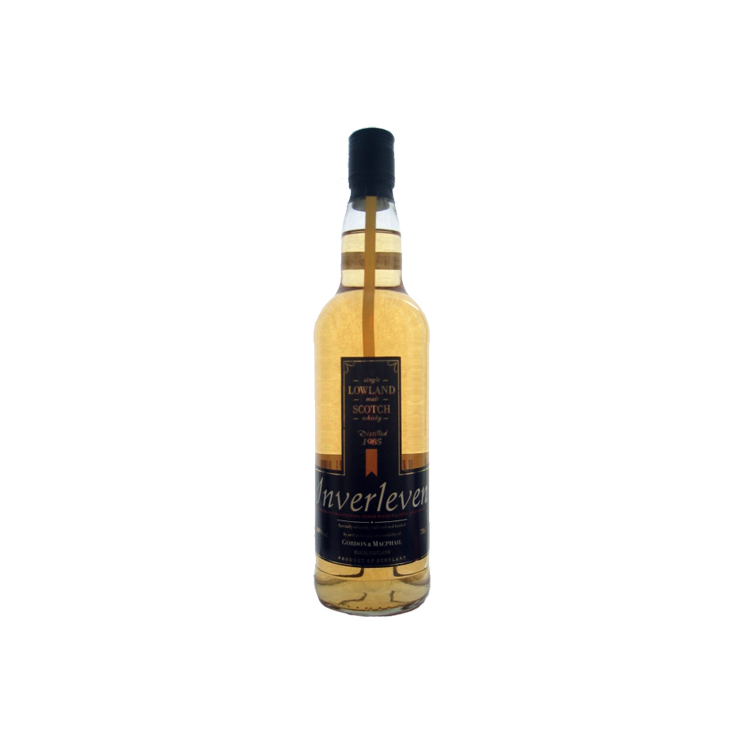
Inverleven Licensed Bottling 1985 Single Malt Whisky
Inverleven
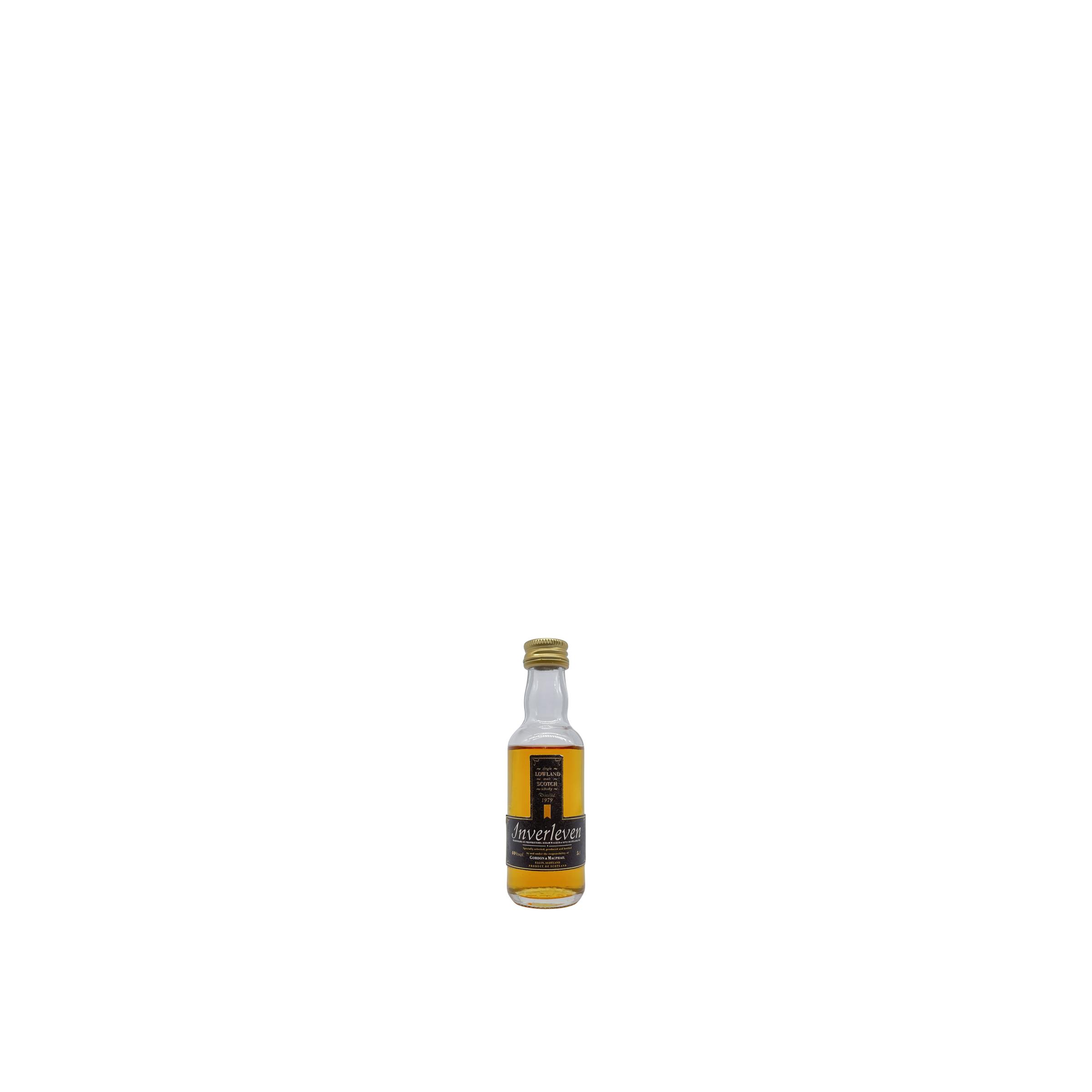
Inverleven 1979 Single Malt Whisky
Inverleven
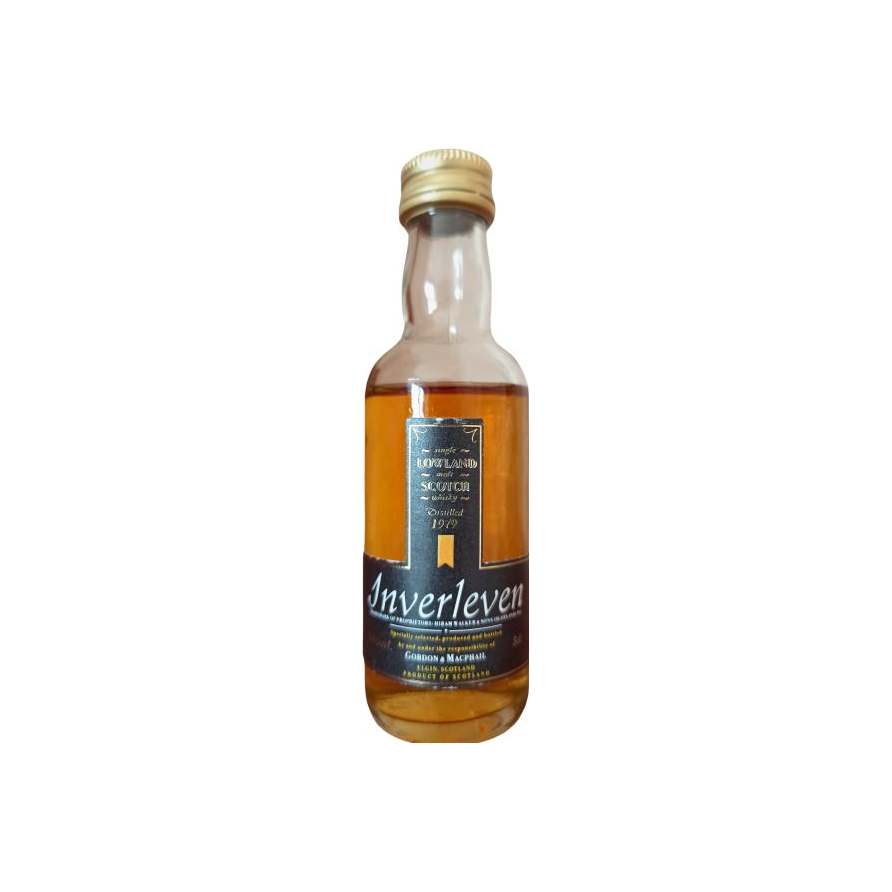
Inverleven 1979 Single Malt Whisky
Inverleven
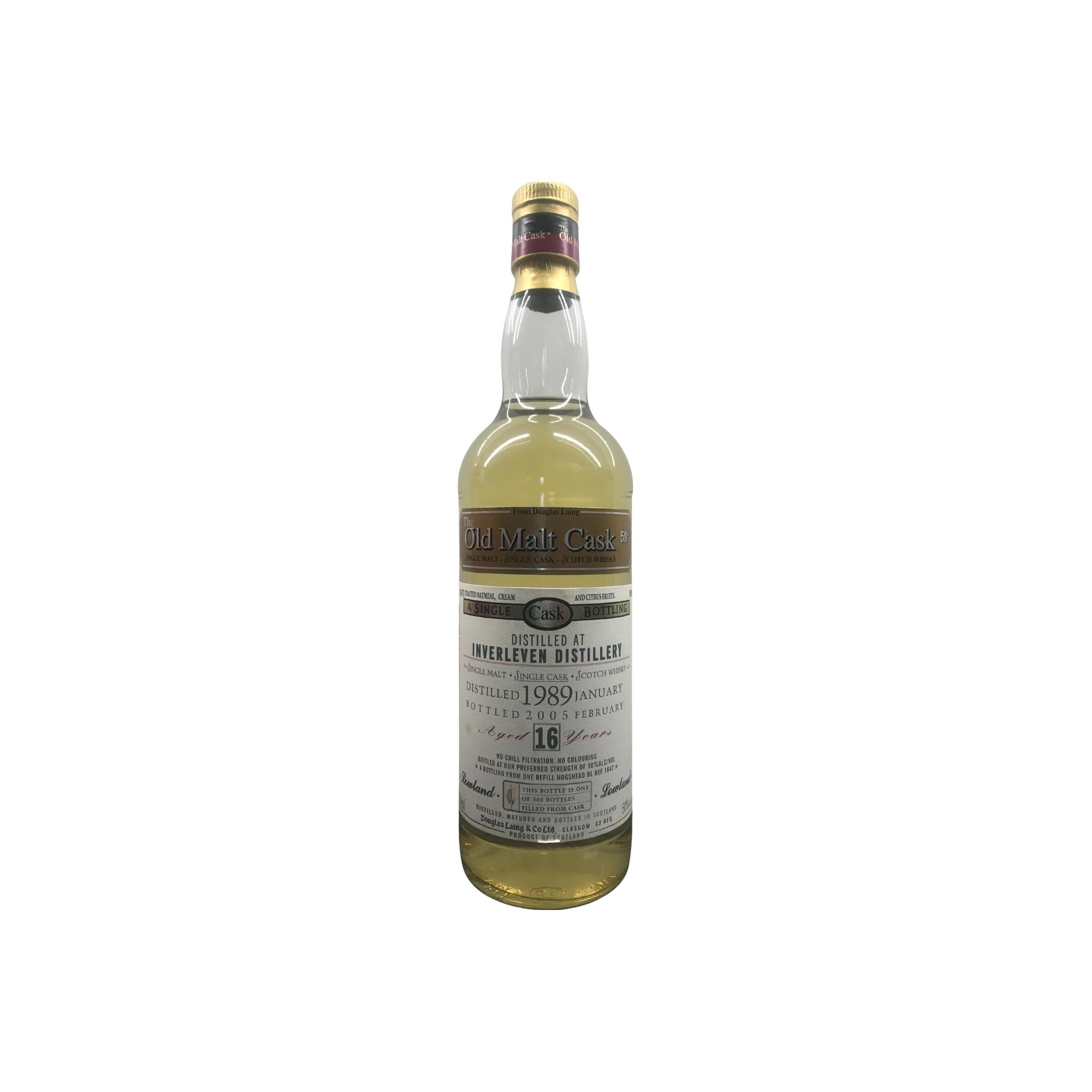
Inverleven 1989 16 Years Single Malt Whisky
Inverleven

Inverleven Licensed Bottling 1979 Single Malt Whisky
Inverleven
Inverleven Single Malt Whisky
Inverleven
Inverleven Connoisseurs Choice - Cask Strength 1985 38 Years Single Malt Whisky
Inverleven
Inverleven Connoisseurs Choice - Cask Strength 1989 32 Years Single Malt Whisky
Inverleven
Inverleven 1979 Single Malt Whisky
Inverleven
Inverleven 1989 Single Malt Whisky
Inverleven