Last year, the number of tourists visiting Scotland's Orkney Islands approached 200,000, with an additional 130,000 visitors arriving via 140 luxury cruise ships. Tourism is vital to the local economy, though questions about its sustainability have been raised. While the impact of visitors on Orkney's environment and infrastructure has reached levels comparable to the Isle of Skye, the total value of local tourism far exceeds £50 million—a revenue stream that cannot be ignored. Highland Park has therefore decided to claim its share. The distillery's visitor center welcomes 20,000 guests annually. In early May 2019, the company opened a retail store in central Kirkwall, which not only sells Highland Park whisky but also showcases the brand and includes an educational area for distillery community training programs. The distillery is equipped with 1.5 mash tuns, 12 Oregon pine washbacks with fermentation times of 50-80 hours, and two pairs of stills. The mash tun can hold approximately 12 tonnes of grist, though currently only half of this capacity is utilized. The 2019 production plan called for processing 22 tonnes of grist per week, with an annual target of 2.5 million liters of new make spirit. Highland Park floor-malts 30% of its barley on-site across five malting floors capable of processing approximately 36 tonnes of barley at a time. The peat phenol level for in-house malted barley is 30-40ppm, while malt purchased from Simpson's company is unpeated. The distillery also maintains 19 dunnage warehouses and 4 racked warehouses. The core range includes 10-year-old Viking Scars, 12-year-old Viking Honour, 18-year-old Viking Pride, along with 25-year, 30-year, and 40-year expressions. A 21-year-old was added in 2019. The line-up also features Dragon Legend and Viking Tribe, launched in August 2018 and sold exclusively through Amazon UK. Duty-free offerings comprise the Warrior Series, which has been available for several years, with premium releases including Ragnvald and Thorfinn launched within the past two years. These were supplemented in 2018 by four new expressions: Spirit of the Bear (40% ABV, matured primarily in American oak sherry casks); Loyalty of the Wolf (14-year-old, 42.3% ABV, matured in American oak sherry and bourbon casks); Wings of the Eagle (16-year-old, 44.5% ABV, predominantly European oak sherry cask matured); and an 18-year-old Viking Pride at 46% ABV exclusively for duty-free. The limited edition Voyage of Raven is also duty-free available. Recent limited releases include a new 50-year-old, the 16-year-old Twisted Tattoo (partially matured in Rioja wine casks), Valfather—the third installment in the Viking Legend series featuring a high proportion of floor malt and aged 26 years—a first-fill bourbon cask release commemorating photographer Soren Solkjaer, and Ness of Brodgar's Legacy, available exclusively at the distillery and Triskelion. This last expression was jointly created by the distillery's three master whisky makers Gordon Motion, John Ramsay, and Max McFarlane.
History
Highland Park Distillery sits on a hill overlooking Kirkwall, the main town of the Orkney Islands. This public land was long known as Rossbank Highland Park. The distillery claims to be 'the northernmost Scotch whisky distillery in the world.' Since 1798, a local distiller named Magnus Eunson had been distilling illegally here. He was described as 'Orkney's greatest and most successful private distiller,' while also being called 'a ruffian and petty thief.' He was protected by the mayor of Kirkwall, whose son took over the distillery's operations until it was forced to close in 1814. In 1813, the Rossbank Highland Park estate was enclosed and divided into several plots, and the name was changed to 'Highland Park,' although the distillery itself continued to be called Kirkwall Distillery until 1876. The plot containing the distillery was taken over by local tax officer John Robertson, who had long pursued Magnus Eunson (eventually becoming London's Commissioner of Excise). Another plot was taken by Robertson's wife, Roberta Borwick. In 1826, Borwick acquired the entire plot including the distillery and immediately obtained a distilling license. Borwick managed the distillery until his death in 1840, after which it was passed to his son George. In 1860, George, 'tired of the business,' leased the equipment to a local company. After his death in 1869, ownership of the distillery was transferred to his son, Rev. James Borwick. He publicly sold the distillery for £450, believing that owning a distillery was incompatible with his holy work. The distillery was sold to a local farmer, and then in 1876 resold to William Stuart of Miltonduff Distillery. Stuart partnered with his cousin James Mackay to improve Highland Park. The first quarter produced 19,300 gallons, and production more than doubled between 1882-1883. Glasgow agents Robertson & Baxter became its main customer. James Mackay died in 1885. William Stuart then partnered with James Grant, who became Stuart's sole partner for the next ten years. James immediately replaced the equipment with two larger stills and installed two new stills in 1897. But the prosperity of the 1890s was about to turn into depression. Between 1904-1905, Robertson & Baxter's orders dropped from 60,000 gallons to just 107 gallons. However, the distillery maintained production throughout World War I. In 1908, James Grant brought his son and daughter-in-law into the company. His son Walter Grant transformed the business into a limited company and sold it to Robertson & Baxter's sister company—Highland Distillers. The transaction was completed in 1937. In 1979, Highland Distillers began promoting Highland Park as a single malt whisky. In 1986, the distillery set up a visitor center, which was rated as a five-star attraction by the Scottish Tourist Board in 2000. The parent company's name also changed to Edrington in 1999.
Curiosities
Prior to her maiden voyage in September 1883, the SS Pembroke Castle called at Kirkwall. Captain Donald Currie and his distinguished guests received a warm welcome from local dignitaries, who "...broached a large bottle of the legendary old Highland Park whisky. The guests were astounded, declaring they had never tasted such an exceptional whisky; the difference from the Scotch they knew was like chalk and cheese." Twelve casks of Highland Park were subsequently shipped to Copenhagen, where "...they were served to the King of Denmark, the Tsar of Russia, and a distinguished gathering. All agreed Highland Park was the finest whisky they had ever sampled." A hogshead of 1877 Highland Park set a new auction record in Edinburgh in 1892. When Highland Distilleries acquired the Highland Park distillery, they had to purchase the "quarter-acre Kettie Maggie Quarry, deemed worthless and unworkable," to secure the distillery's water supply. The quarry's ponds feed into the production spring water, contributing unique characteristics. The Edrington Group invests £20 million annually in sherry casks for Highland Park.
Timeline
David Robertson founded the distillery.
Excise officer John Robertson arrested Magnus Eunson and took over whisky production.
Highland Park obtained a distillation license, and the distillery was taken over by Robert Borwick.
Robert's son George Borwick took over the distillery, but its fortunes declined.
George's brother James Borwick inherited Highland Park, but as a clergyman, he was unsuited to distilling and decided to sell the distillery.
James Grant (of Glen Grant distillery) bought Highland Park.
The distillery expanded from 2 to 4 stills.
Highland Distillers Group bought Highland Park.
Highland Distillers Group invested considerable funds in marketing Highland Park single malt whisky, greatly increasing sales.
The visitor centre opened, considered one of Scotland's most exquisite visitor centres.
Two new Highland Park expressions were released: an 18-year-old and a 25-year-old.
Highland Distillers Group was acquired by The Edrington Group and William Grant & Sons.
Scottish tourism organization "VisitScotland" awarded Highland Park a "Five-Star Tourist Attraction" rating.
Highland Park 30 Year Old released. 16 Year Old and Ambassador's Cask 1984 released for duty-free.
Second edition of Ambassador's Cask released, a 10-year-old whisky distilled in 1996.
For duty-free: The Rebus 20 (21-year-old), 38-year-old and 39-year-old expressions released.
40-year-old and third and fourth editions of Ambassador's Cask series released.
Two vintage expressions and Earl Magnus 15 Year Old released.
A 50-year-old expression, Saint Magnus 12 Year Old, Orkney 1970, and four duty-free vintage releases.
1978, Leif Eriksson, and Earl Haakon 18 Year Old released.
Thor and 21 Year Old released.
Loki and The Warriors series for duty-free released.
Freya and Dark Origins released.
Odin released.
Harbinger, Ice Edition, Ingvar, and King Christian I released.
Valkyrie, Dragon Legend, Voyage of the Raven, Shiel, and other expressions released.
New duty-free exclusives including Spirit of the Bear, Loyalty of the Wolf, and Wings of the Eagle released. Limited edition Valknut also released.
Twisted Tattoo, Valfather, and Triskelion released.
Hot Search Whiskies
Showing top 10
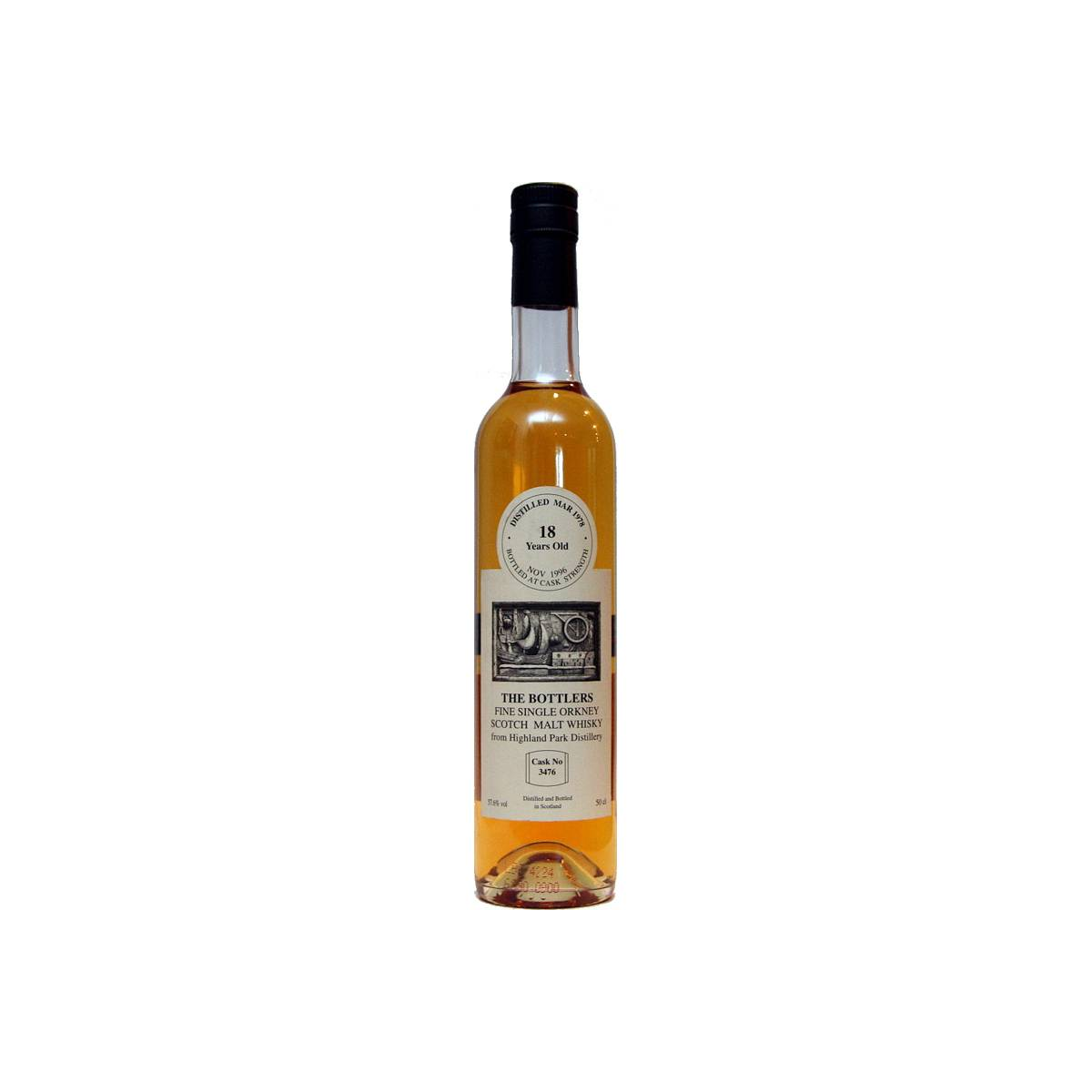
Highland Park 1978 18 Years Single Malt Whisky
Highland Park
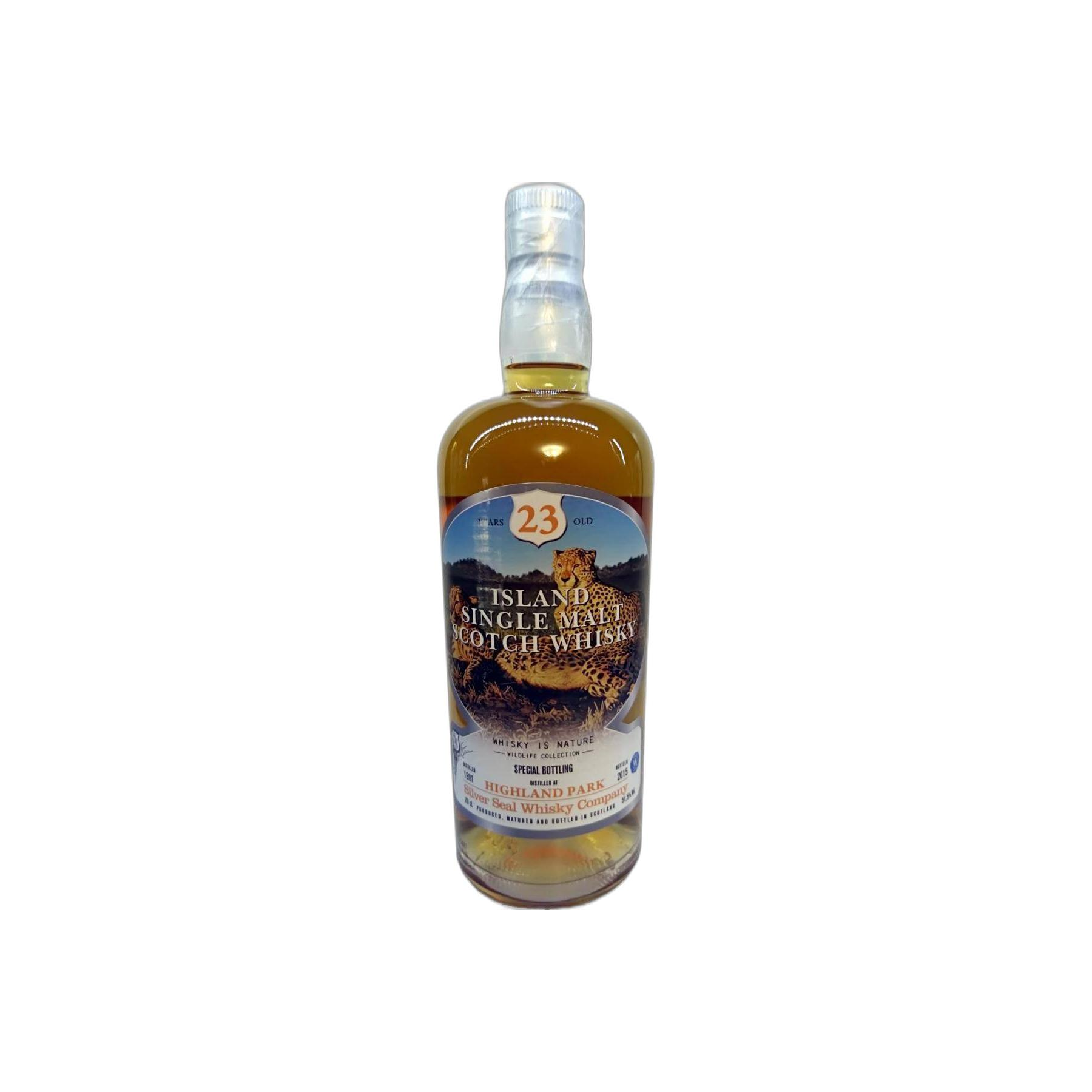
Highland Park 1991 23 Years Single Malt Whisky
Highland Park
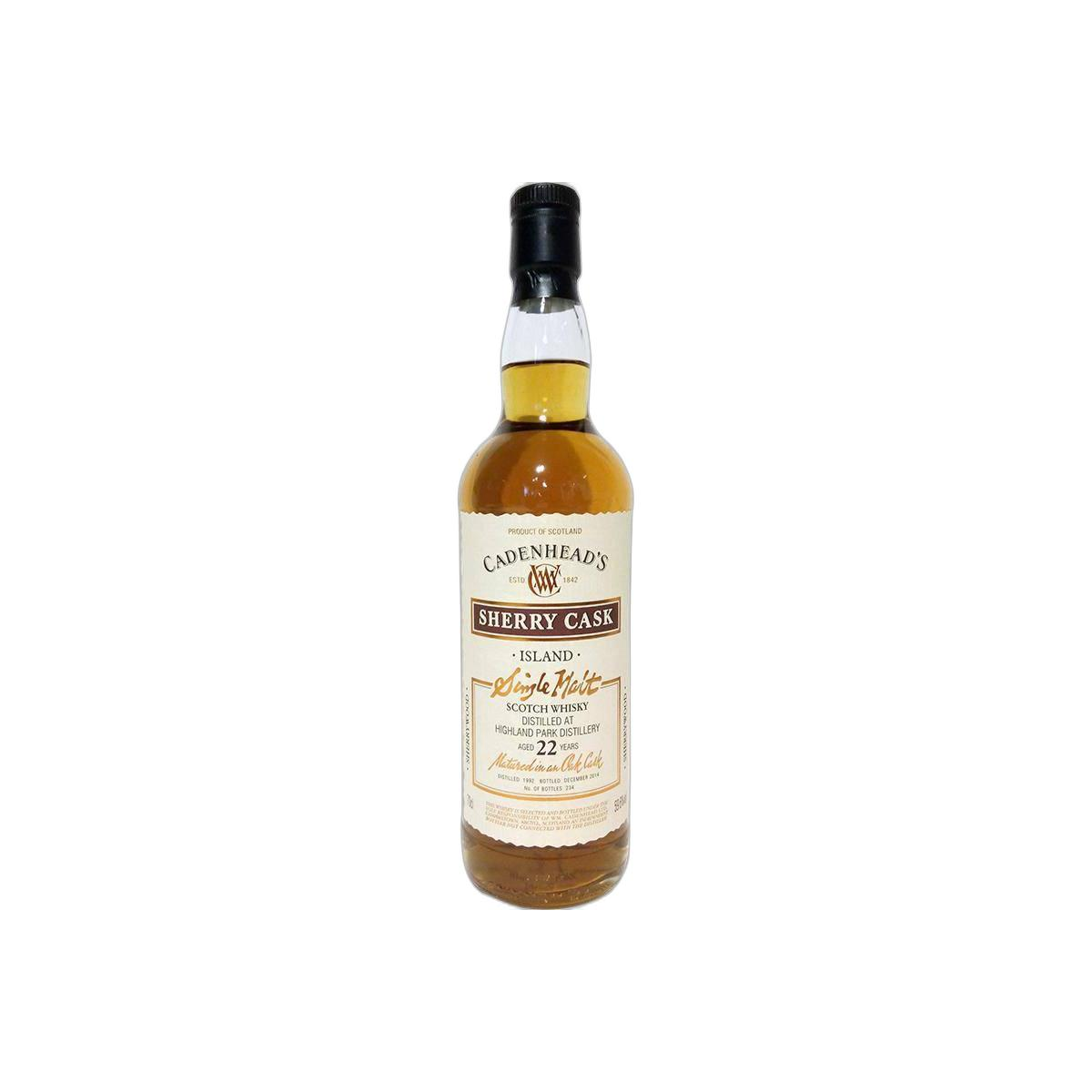
Highland Park 1992 22 Years Single Malt Whisky
Highland Park
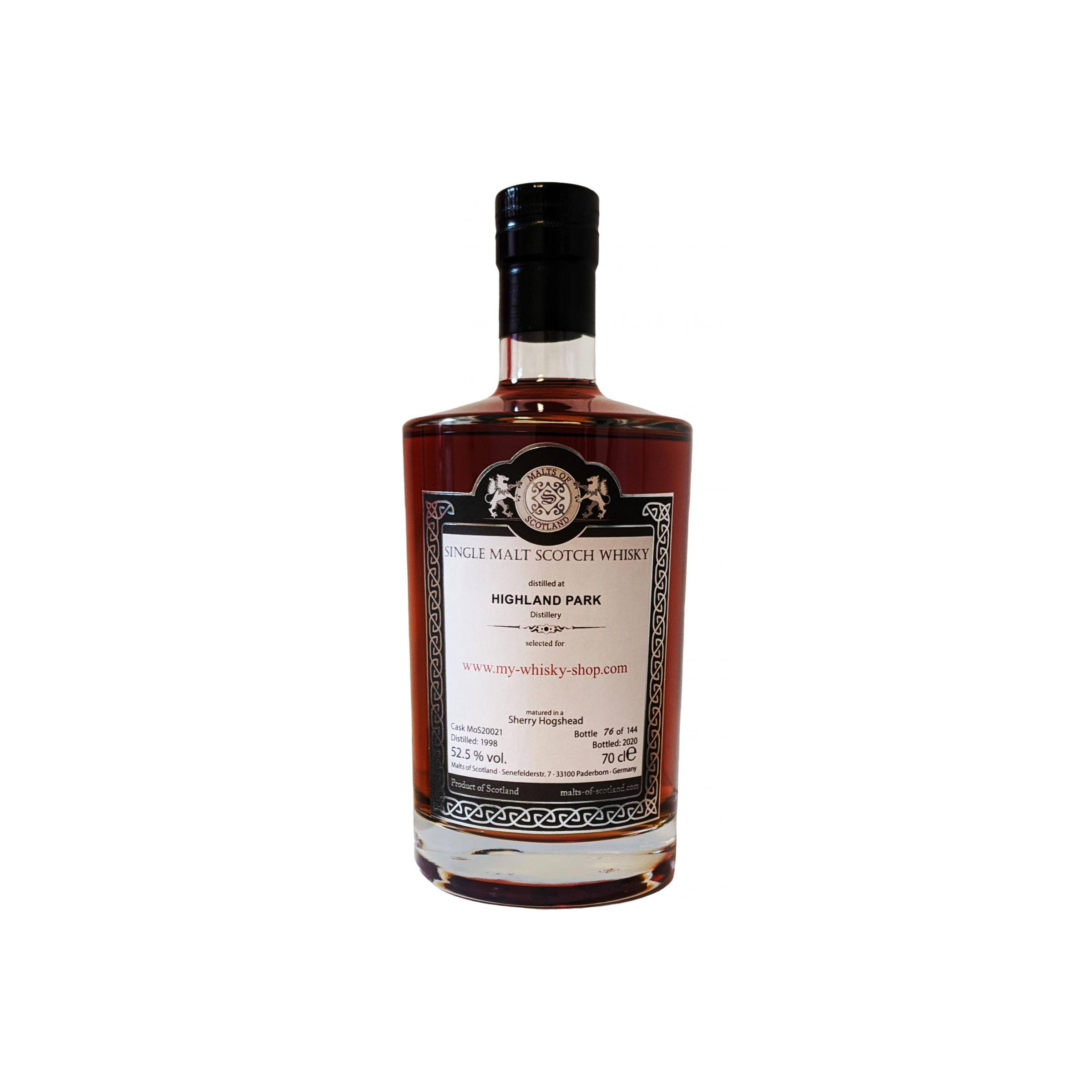
Highland Park 1998 22 Years Single Malt Whisky
Highland Park
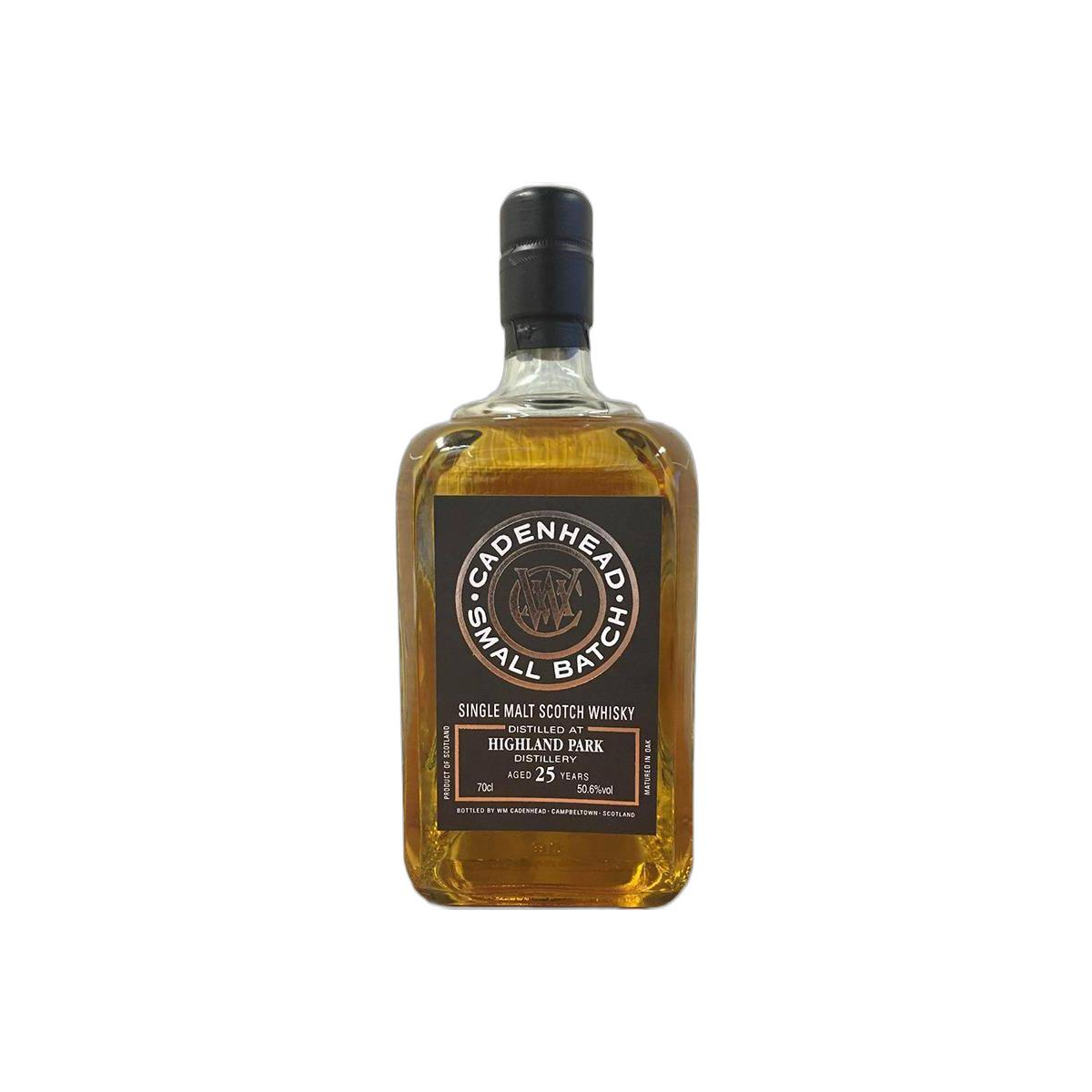
Highland Park Small Batch 1990 25 Years Single Malt Whisky
Highland Park
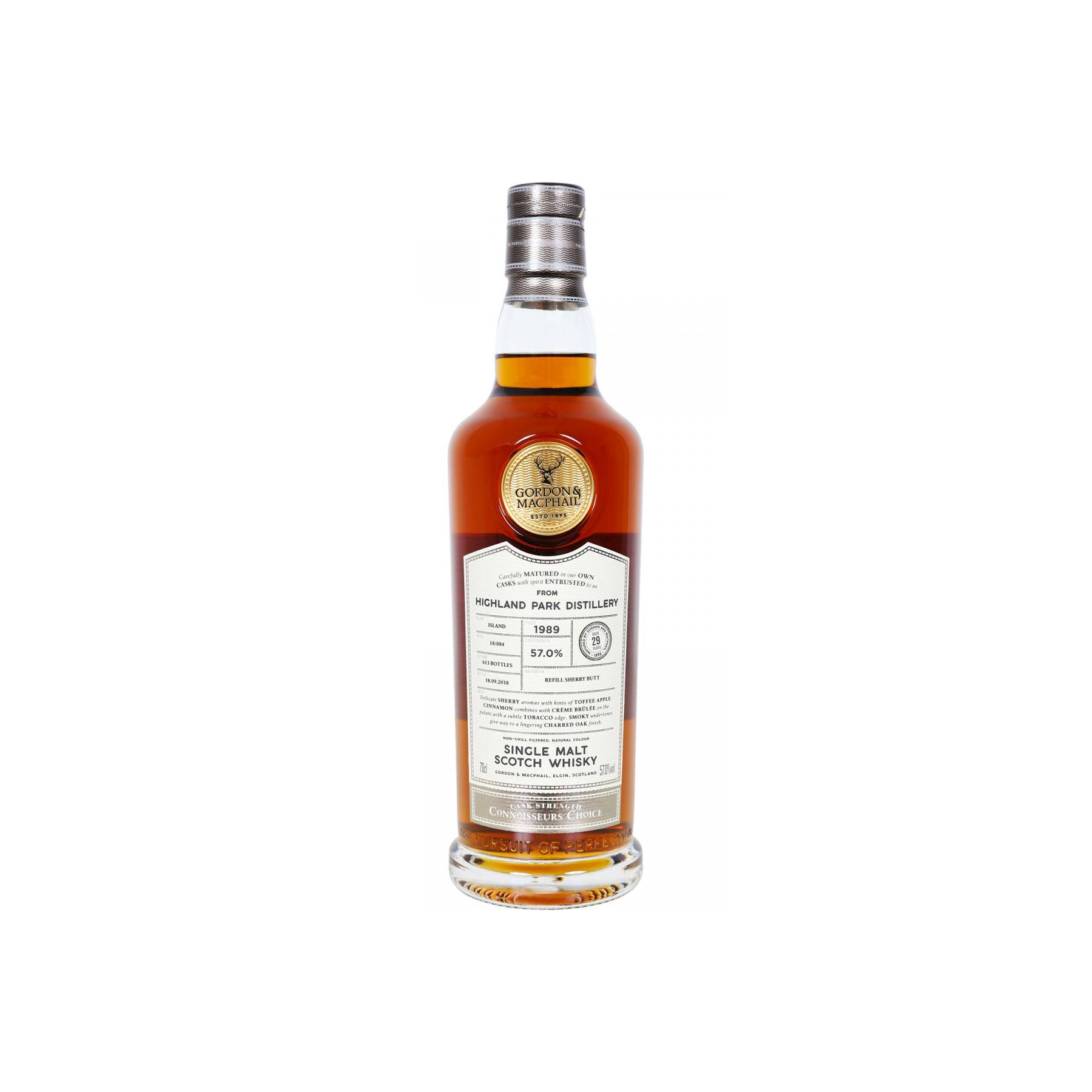
Highland Park Connoisseurs Choice - Cask Strength 1989 29 Years Single Malt Whisky
Highland Park
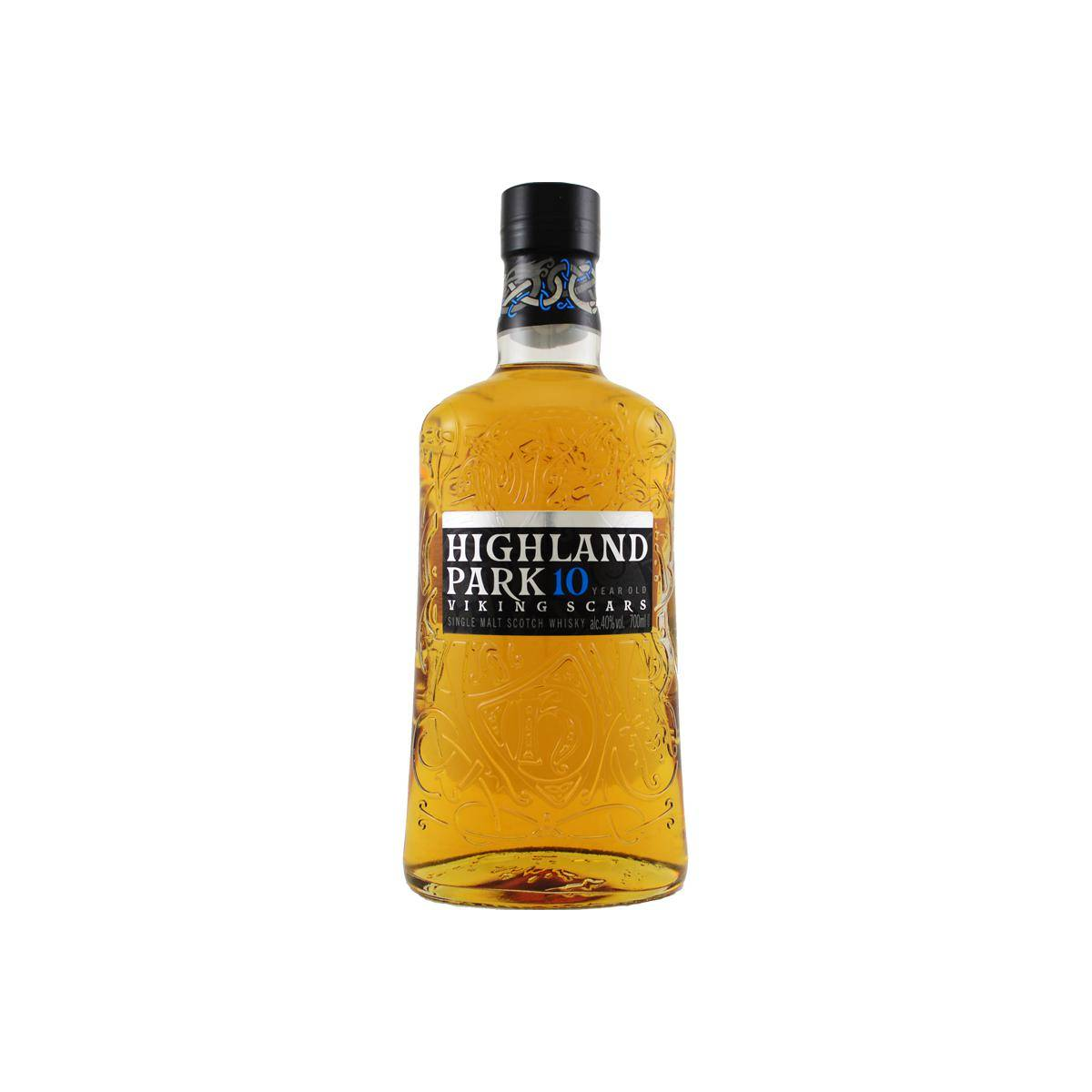
Highland Park 10 Years Single Malt Whisky
Highland Park
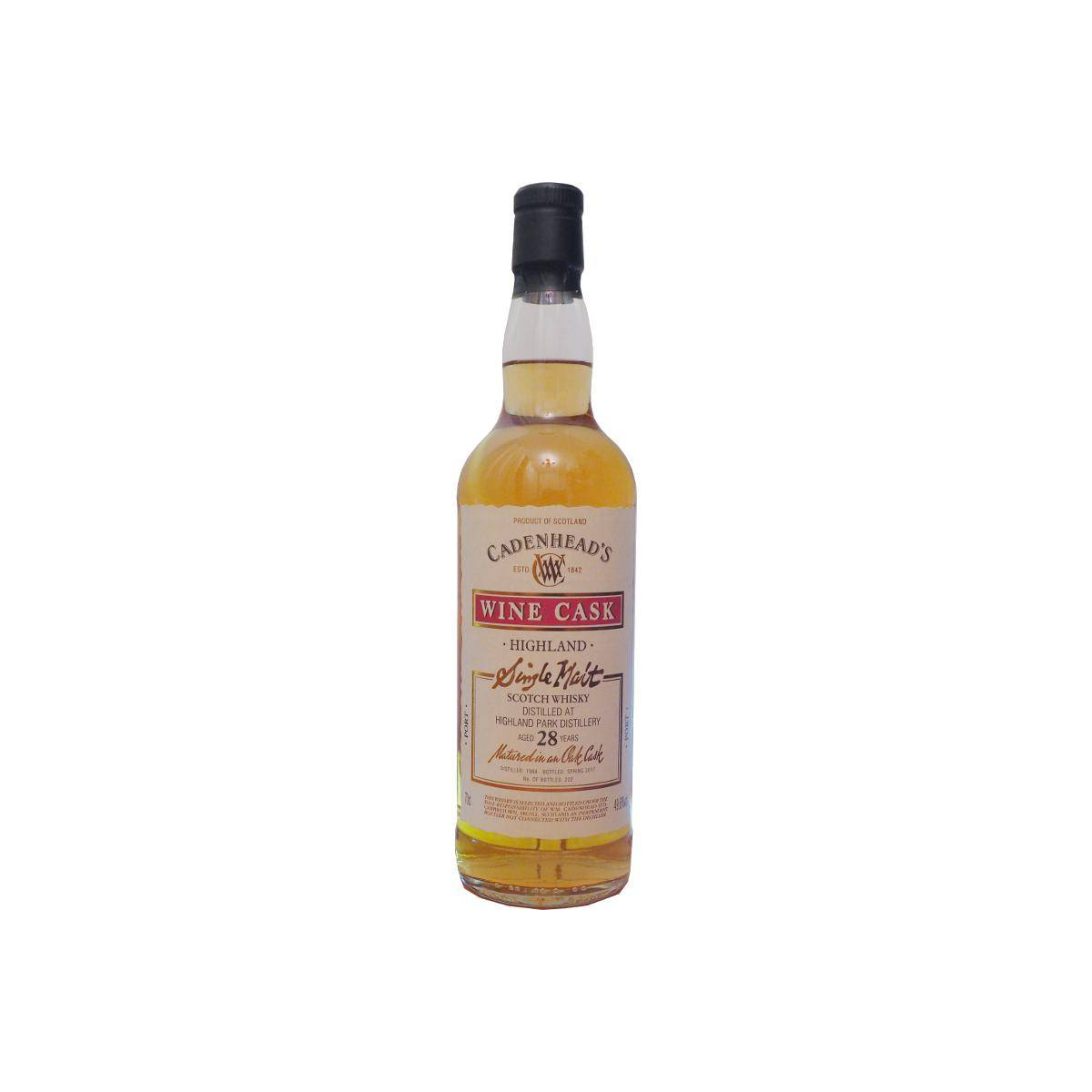
Highland Park 1988 28 Years Single Malt Whisky
Highland Park
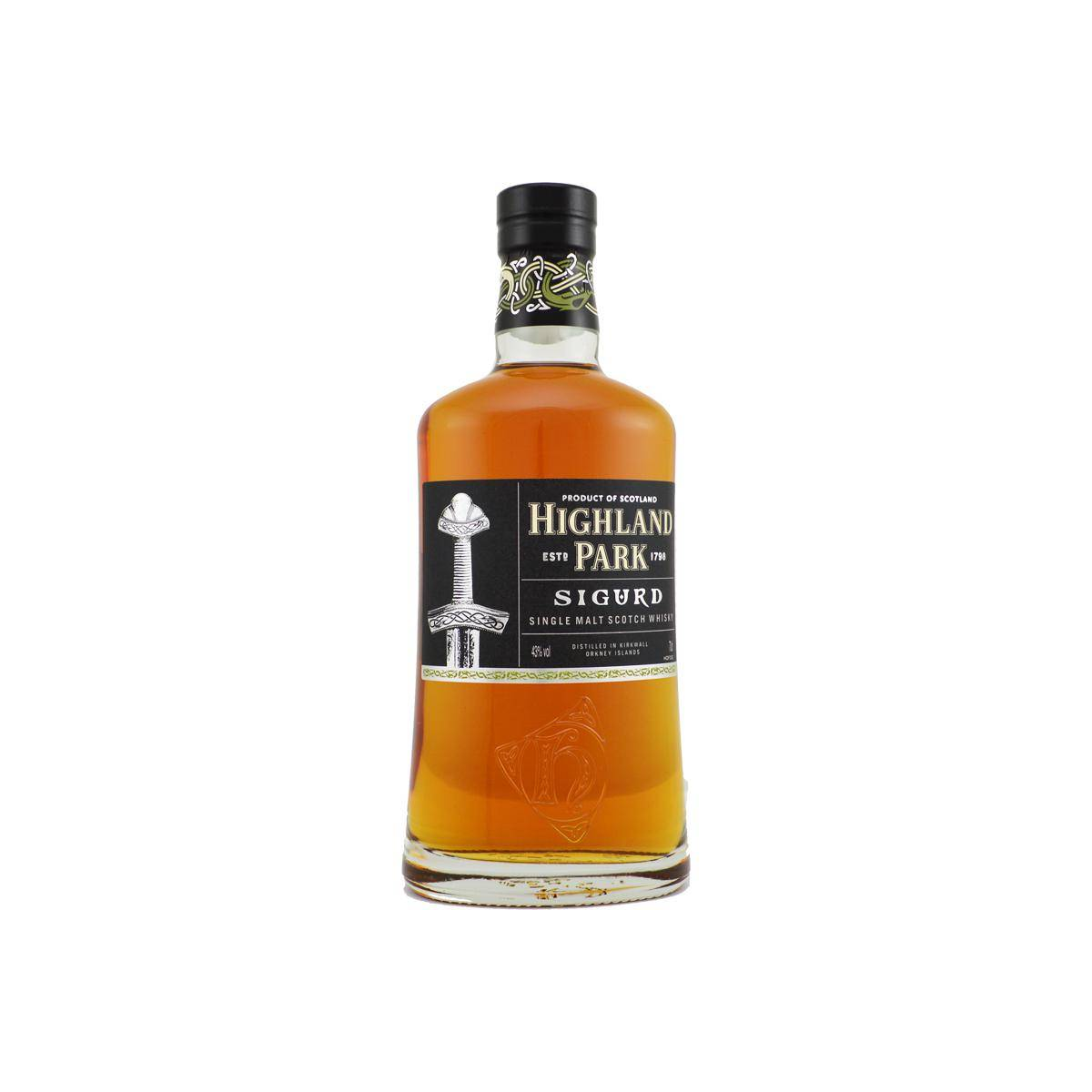
Highland Park Single Malt Whisky
Highland Park
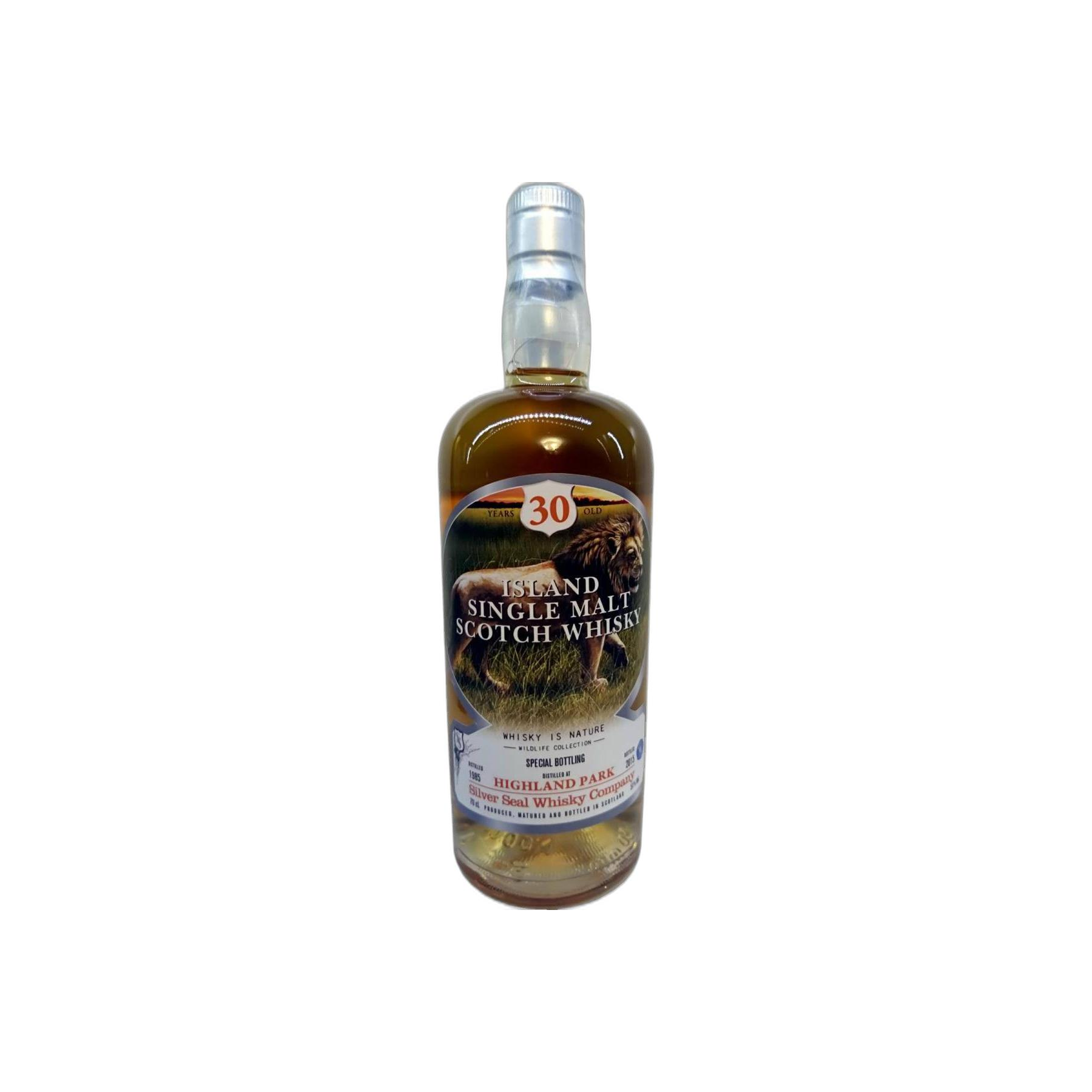
Highland Park 1985 30 Years Single Malt Whisky
Highland Park