Luokanduo Distillery, established by John Thompson in 1898, stands as a testament to Speyside's resilient whisky-making tradition. Located on the picturesque banks of the River Spey near Dufftown, the distillery faced early adversity when it was forced to close just two years later following the infamous Pattison's bankruptcy crisis. In 1903, the esteemed London wine and spirits merchant W&A Gilbey rescued the facility for £3,500 (equivalent to approximately £370,000 today), marking their third strategic Speyside acquisition after Glen Spey Distillery (£11,000 in 1887) and Strathmill Distillery (£9,500 in 1895). All three distilleries operated on a similar modest scale, each equipped with just one pair of stills at the time of acquisition, underscoring Thompson's urgency to sell. Luokanduo became an integral component in Gilbey's blending operations, serving as a crucial malt foundation for both their Spey Royal and Justerini & Brooks' J&B blends. Following the 1962 merger of Gilbey's and Justerini & Brooks, the distillery emerged as a key malt contributor to the J&B portfolio. During the 1970s, Luokanduo distinguished itself as one of the first distilleries to commercially produce single malt whisky, achieving remarkable success that propelled it into the top ten global single malt rankings by the early 1990s. While its position has since moderated to around 30th place, it remains Diageo's eighth best-selling single malt brand, with annual sales approaching 600,000 bottles, enjoying particular acclaim in France, Spain, and Greece. The distillery's production infrastructure reflects its craft-scale philosophy, featuring a compact 4.4-ton semi-lauter mash tun, eight traditional Douglas fir washbacks, and two meticulously operated stills. Operating five days weekly, the facility conducts sixteen mashes per cycle, balancing eight long fermentations (100 hours) with eight short fermentations (100 hours) to achieve complexity. Following a two-year refurbishment closure, Luokanduo has refined its distillation process. The distillery's famously viscous fermentation produces a spirit rich in robust fruit character, while the strategic use of wash stills with enlarged lyne arms enhances reflux, introducing delicate floral notes that balance the powerful fruit-forward profile. The core expression range includes the Luokanduo 12 Year Old, 15 Year Old Richly Matured, 18 Year Old SlowMatured, and 21 Year Old Master Reserve. In 2011, Diageo elevated the brand's prestige with a limited 25-year-old release, matured exclusively in first-fill European oak casks, under their esteemed Private Collection series.
History
The distillery was designed by Charles Doig for John Thomson & Co., the latter being a chartered accountant and whisky broker for the Elgin bank, operating under the name Knockando-Glenlivet Distillery Company. It is located on the north bank of the River Spey, crossed by the Strathspey Railway, which installed a private siding in 1905. The distillery's name is taken from the parish, derived from Cnoc-an-Dubh, meaning 'dark little hill'. Production began in 1899—the year Pattison's Ltd collapsed, that company being the industry's leading blender and whisky buyer at the time. With the whisky industry in decline, Knockando also closed the following year, and in 1904 was sold to London wine and spirits merchants W. & A. Gilbey for £3,500. Gilbey merged in 1962 with United Wine Traders (part of which was Justerini & Brooks) to form I.D.V., and Knockando became the key malt for J. & B. Rare, later becoming its 'Home of the Brand' (which it still is today). In 1969 the distillery's capacity was doubled, reaching four stills. I.D.V. was taken over by Watney Mann in 1972, which sold it to Grand Metropolitan that same year. Grand Metropolitan/I.D.V. and Guinness/U.D. merged in 1997 to become U.D.V., later Diageo.
Curiosities
Between 1977 and 1978, I.D.V. (International Distillers & Vintners) and wine merchants launched Longmorn as a single malt whisky for the first time. As wine merchants, they bottled it by 'vintage' rather than 'age statement', though these 'vintages' were typically around 12 years old. This practice has since been discontinued. From 1978 to 2006, Longmorn was managed by Innes Shaw, who grew up working at the distillery and continued there throughout his adult life. When the distillery was first built, his great-grandfather was hired as a joiner; the visitor center now specially displays his invoice receipts. Innes Shaw later became the manager of Cragganmore and a tax officer.
Timeline
John Thompson establishes the distillery; Charles Doig participates in architectural design
Production begins in May
Distillery closes in March; taken over by J. Thompson & Co.
W. & A. Gilbey acquire the distillery for £3,500; production resumes in October
W. & A. Gilbey merge with United Wine Traders (including Justerini & Brooks) to form International Distillers & Vintners (IDV)
Floor malting discontinued
Number of stills increased to four
Watney Mann acquire IDV; subsequently taken over by Grand Metropolitan
Justerini & Brooks launch Knockando 12 Year Old
Grand Metropolitan merge with Guinness to form Diageo; IDV merge with United Distillers to form Distillers & Vintners
Diageo launch Knockando 1996 Vintage under the Manager's Choice series
Knockando 25 Year Old launched
Hot Search Whiskies
Showing top 10
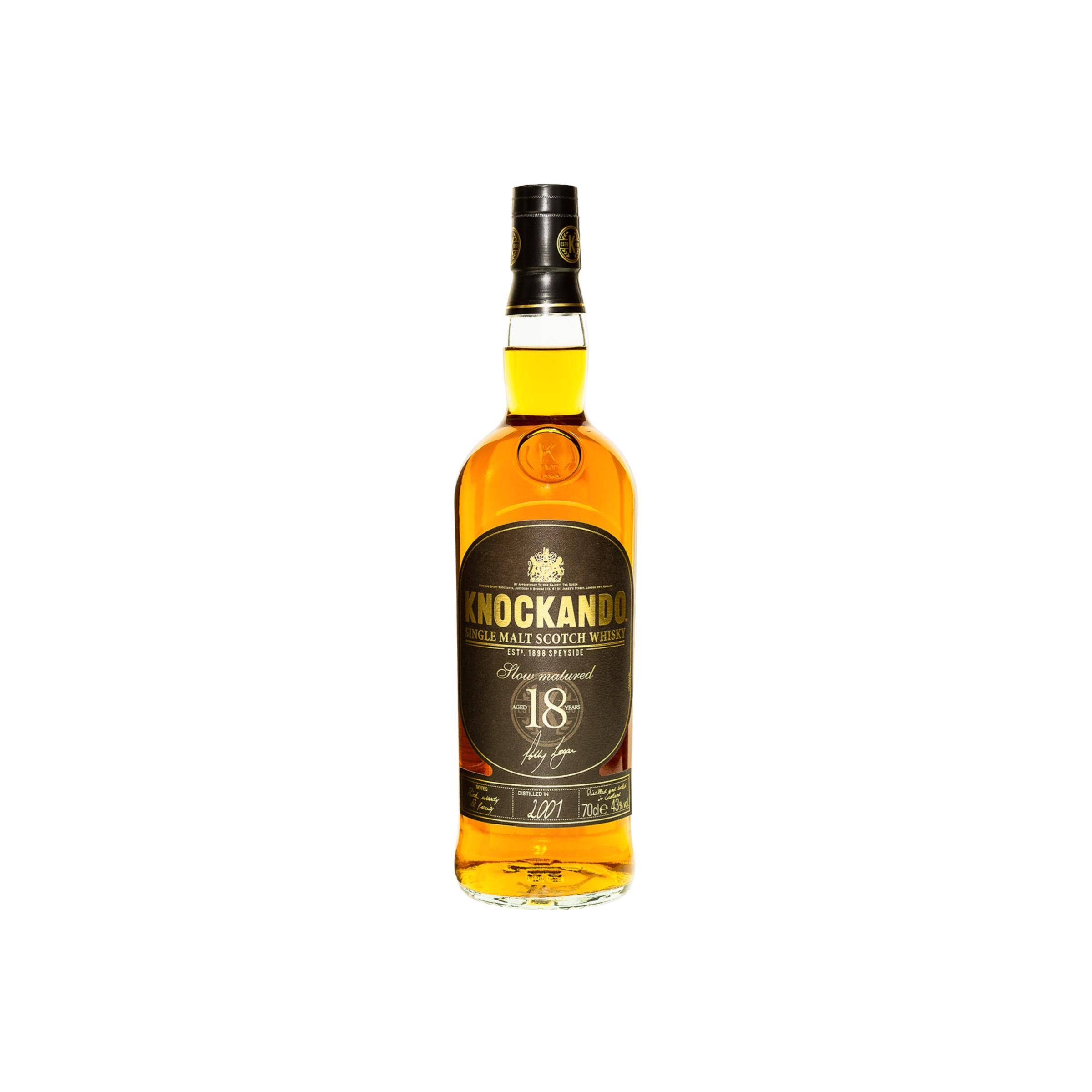
Knockando 2001 18 Years Single Malt Whisky
Knockando
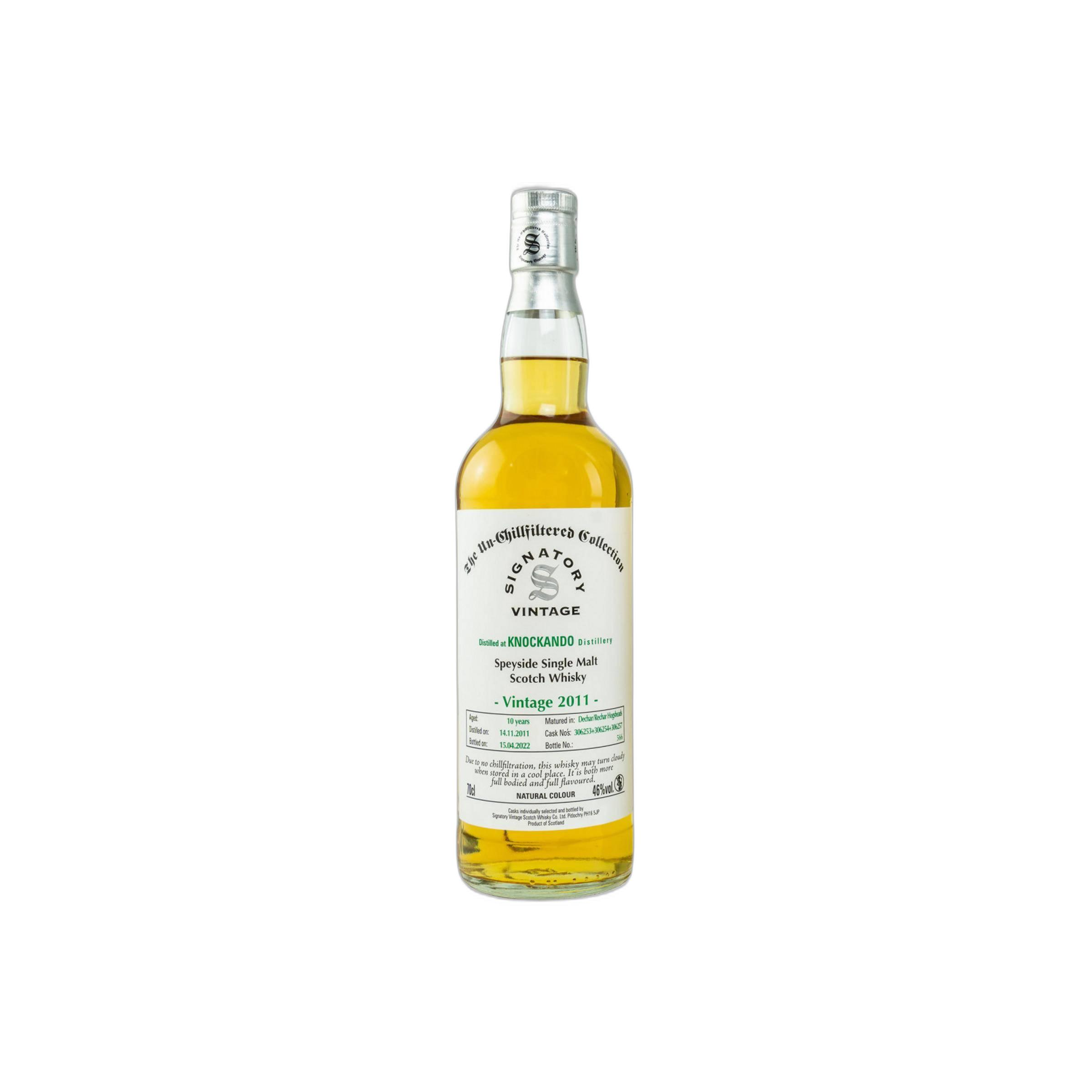
Knockando The Un-Chillfiltered Collection 2011 10 Years Single Malt Whisky
Knockando
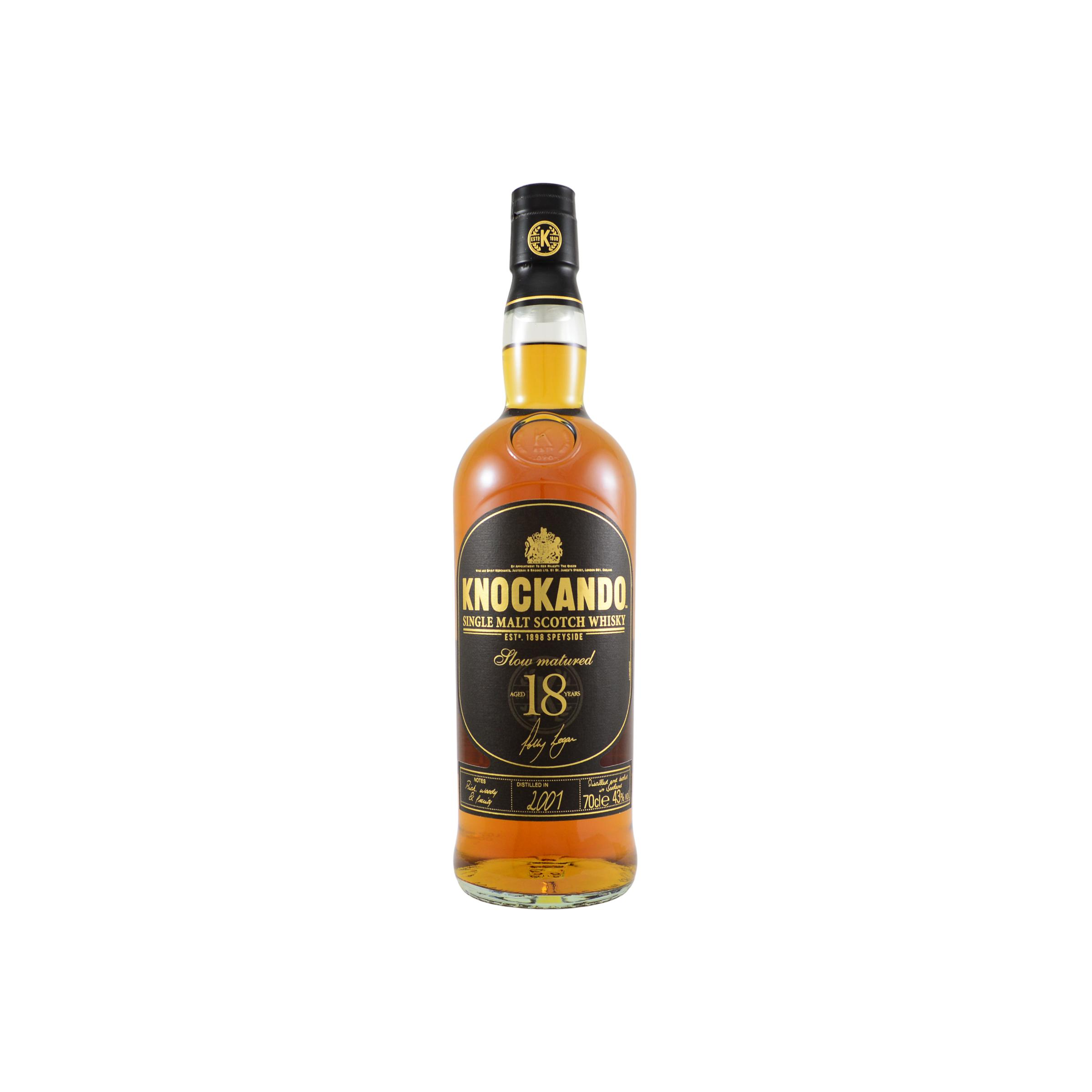
Knockando 2001 18 Years Single Malt Whisky
Knockando
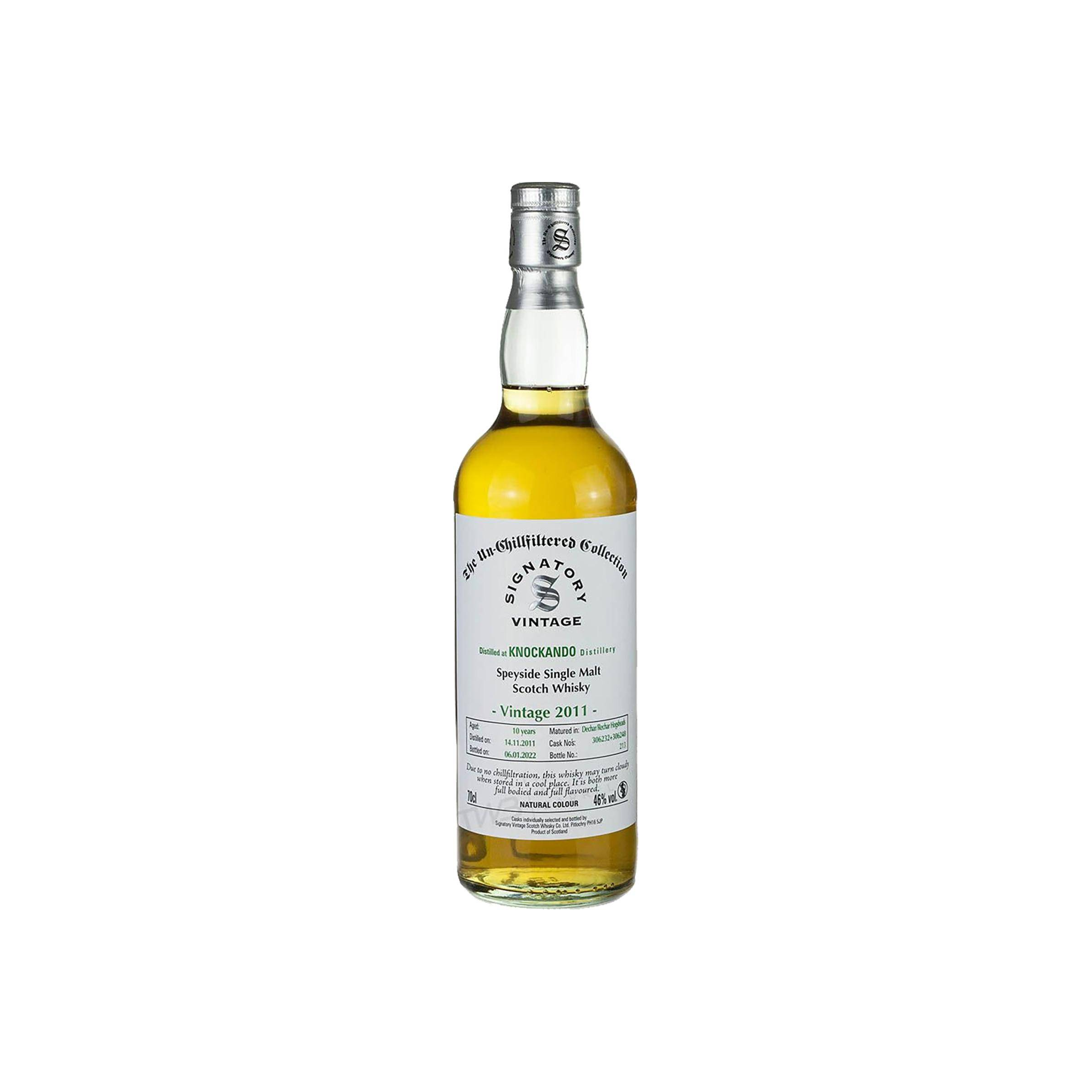
Knockando The Un-Chillfiltered Collection 2011 10 Years Single Malt Whisky
Knockando
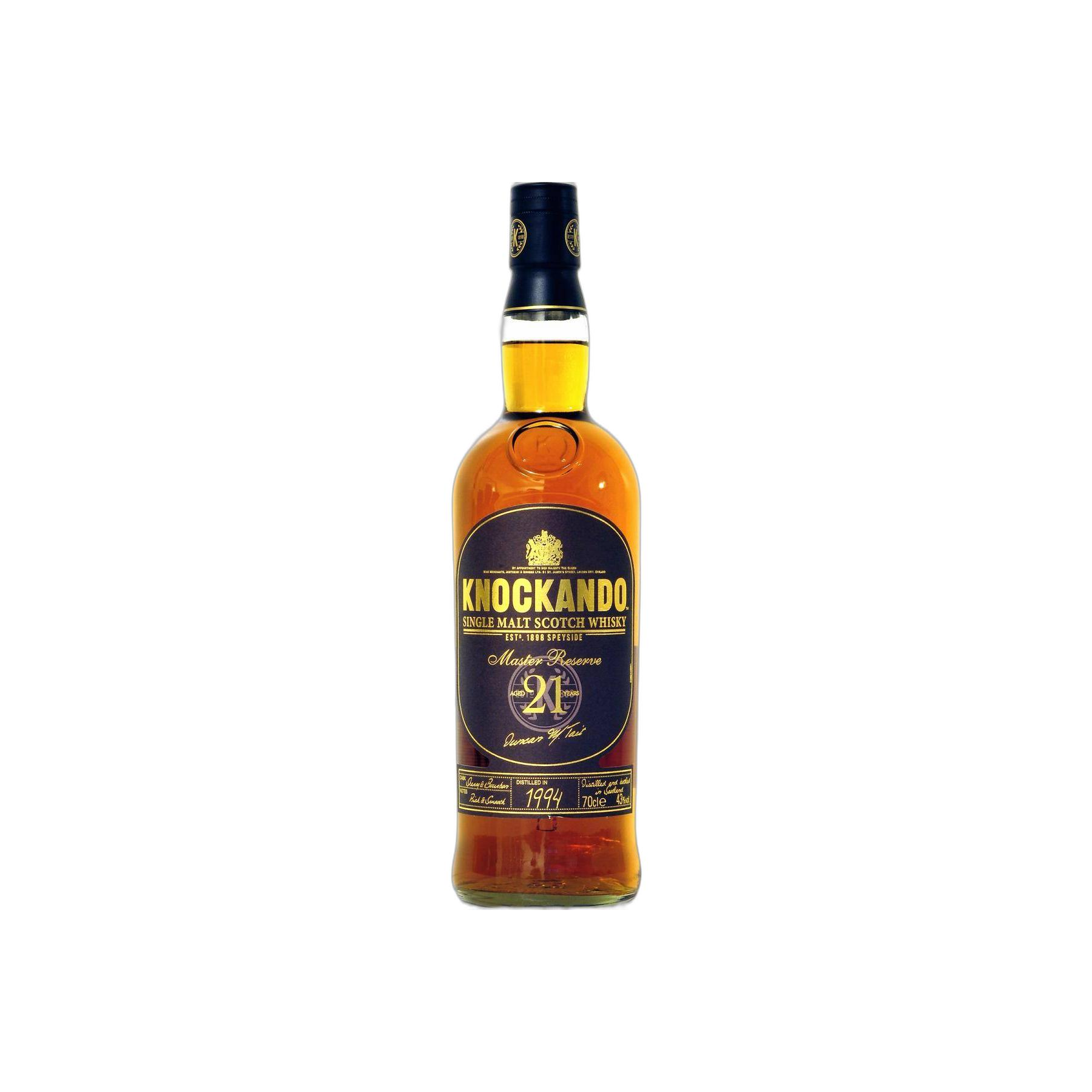
Knockando 1994 21 Years Single Malt Whisky
Knockando
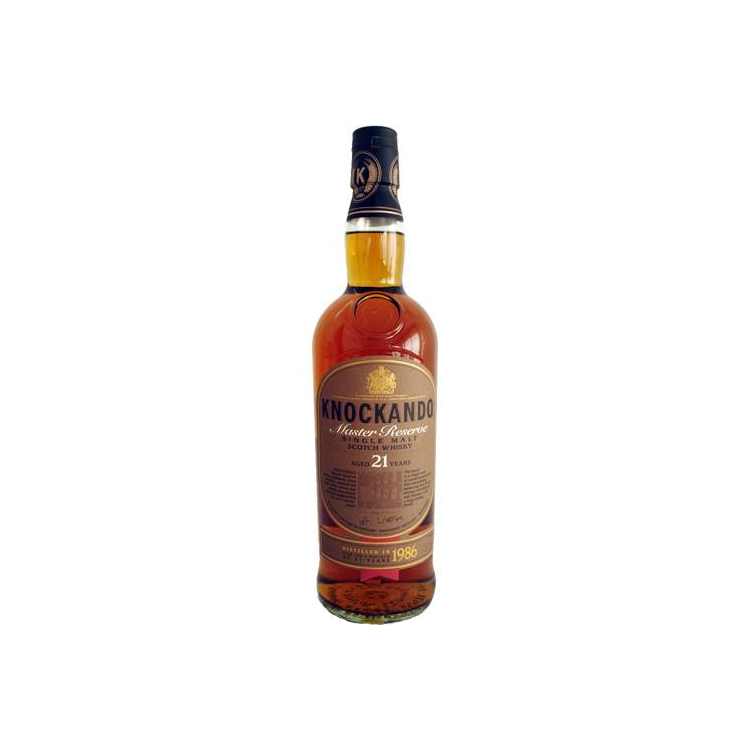
Knockando 1986 21 Years Single Malt Whisky
Knockando
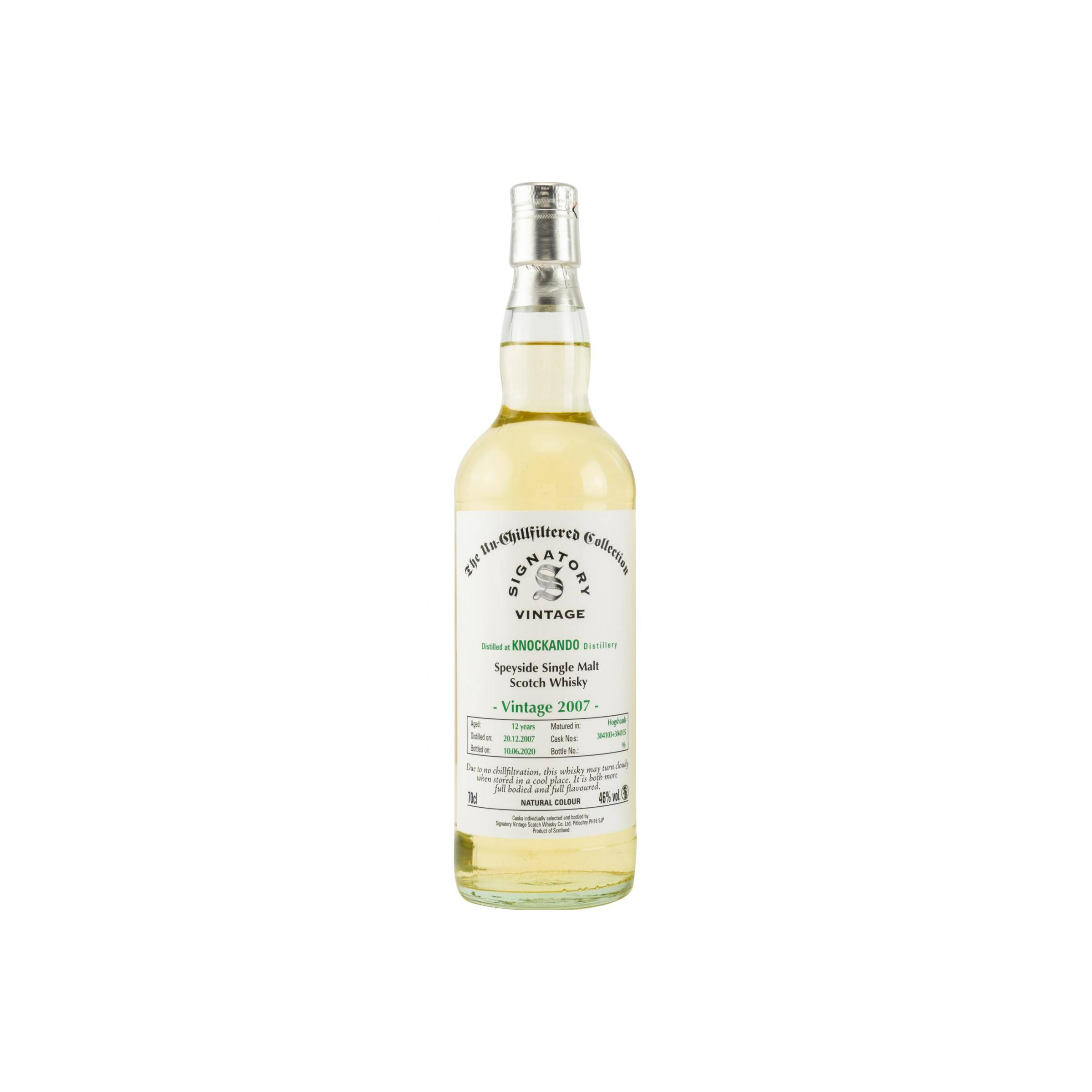
Knockando The Un-Chillfiltered Collection 2007 12 Years Single Malt Whisky
Knockando
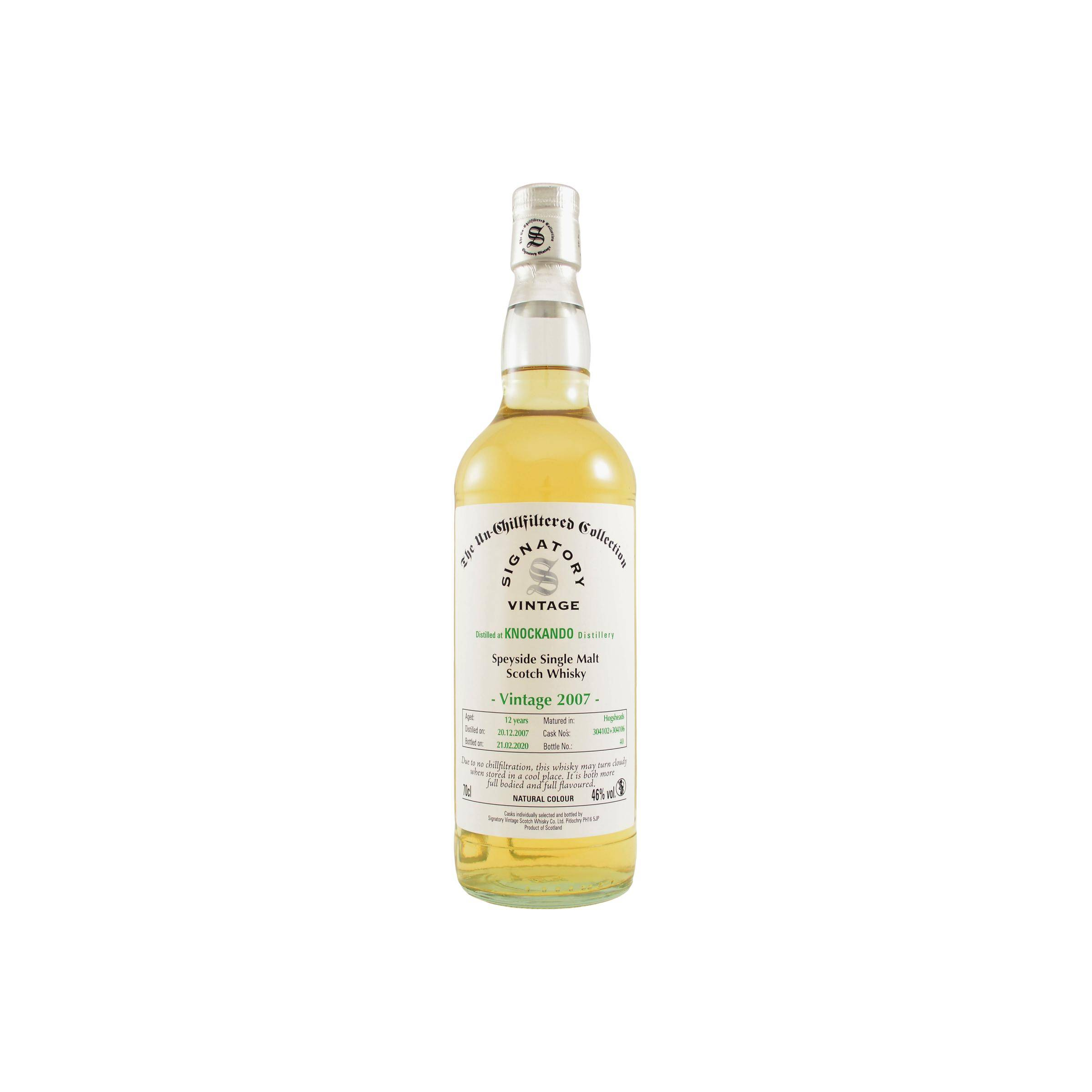
Knockando The Un-Chillfiltered Collection 2007 12 Years Single Malt Whisky
Knockando
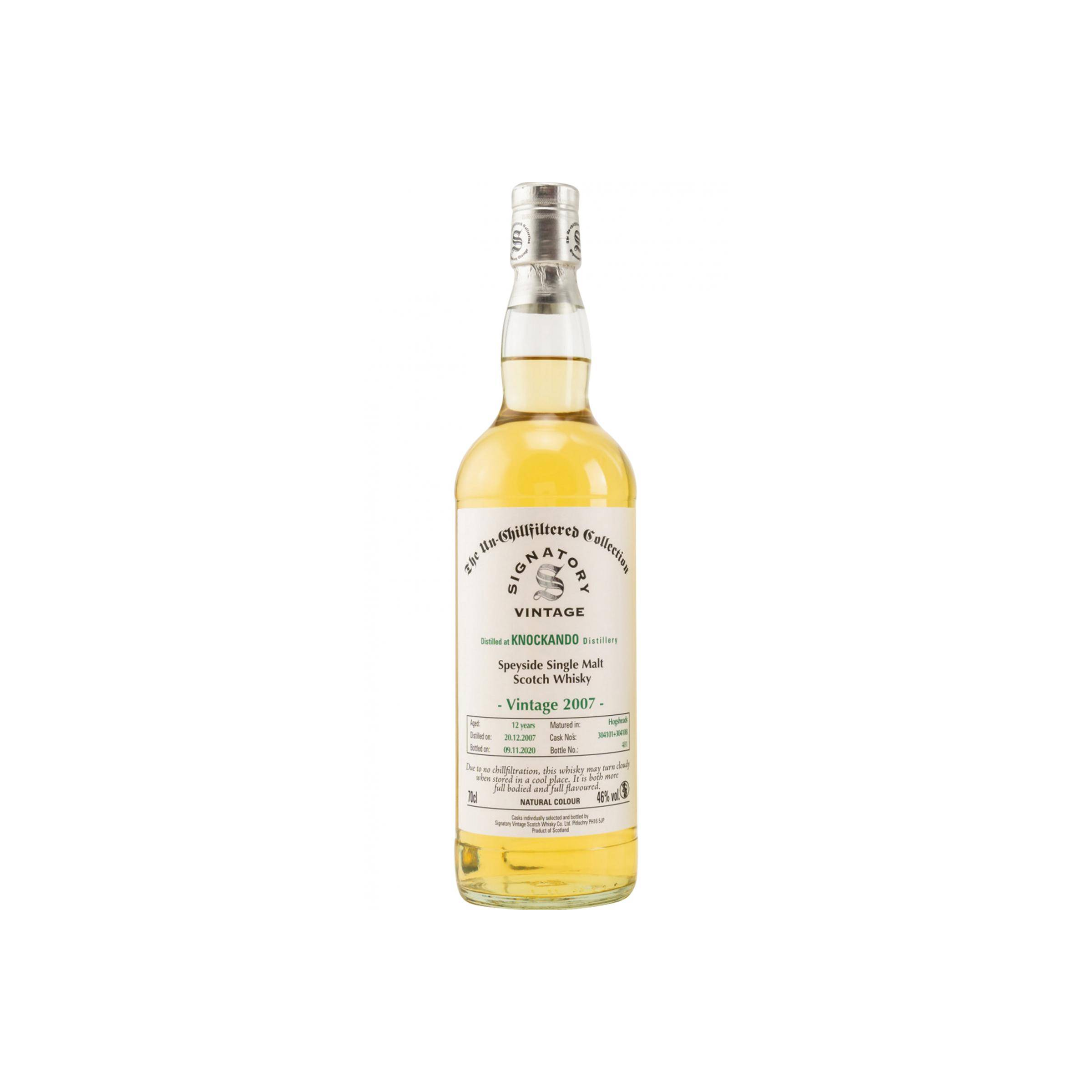
Knockando The Un-Chillfiltered Collection 2007 12 Years Single Malt Whisky
Knockando
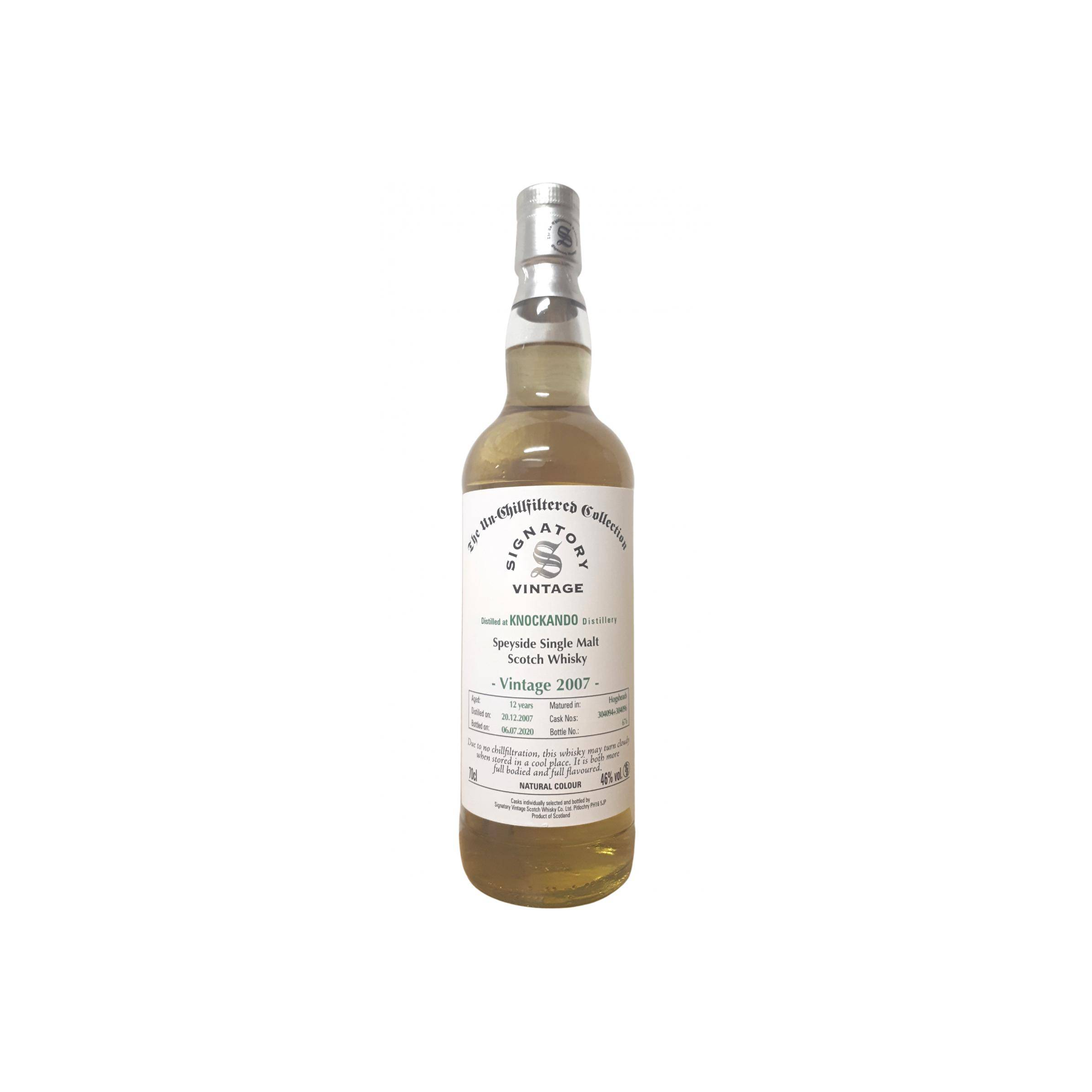
Knockando The Un-Chillfiltered Collection 2007 12 Years Single Malt Whisky
Knockando